The Evolution of Modern Jewelry Collecting and the Rise of the Vintage Gold Market as a Sustainable Luxury Alternative

The global jewelry market is currently undergoing a significant paradigm shift, characterized by a transition from traditional retail consumption to a more curated, sustainable, and secondary-market-focused approach. This movement is driven by a convergence of environmental consciousness, an appreciation for historical craftsmanship, and the accessibility afforded by social media platforms. Within this evolving landscape, collectors like Allison, the curator behind the influential Instagram account @HollywoodGold, exemplify a broader demographic of enthusiasts who prioritize personal narrative and ethical sourcing over mass-produced luxury. Her collection, which emphasizes 1970s-era "chunky gold," lunar landing memorabilia, and personalized signet rings, serves as a case study for the burgeoning "circular economy" within the high-end jewelry sector.

The Shift Toward Sustainable Adornment and the Circular Economy
The transition from purchasing new jewelry to acquiring vintage and antique pieces is increasingly motivated by environmental concerns. The traditional gold mining industry is often associated with significant ecological footprints, including soil erosion, water contamination, and high carbon emissions. According to market research, the production of a single gold ring can result in several tons of mining waste. In response, a growing segment of the luxury market has turned toward "pre-loved" or vintage items as a form of "guilt-free" indulgence.
For collectors like Allison, the journey into vintage jewelry often begins with a broader lifestyle shift toward sustainability. "I became increasingly interested in creating a more environmentally-friendly lifestyle for my family," she notes, reflecting a sentiment shared by a significant portion of Millennial and Gen X consumers. This demographic shift has bolstered the resale market, which is projected to grow significantly faster than the traditional retail sector over the next decade. By repurposing existing gold and gemstones, collectors effectively bypass the environmental costs of new extraction, preserving historical artistry while maintaining a commitment to ecological stewardship.

The Resurgence of 1970s Aesthetic and "Bold Gold"
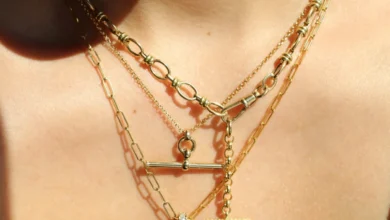
A central pillar of the modern vintage movement is the revival of 1970s jewelry design. Often referred to as the era of "Bold Gold," the 1970s represented a departure from the delicate, platinum-heavy designs of the mid-20th century. This period was characterized by textured yellow gold, brutalist influences, and substantial, sculptural forms.
The 1970s was a decade of social upheaval and creative liberation, and the jewelry of the time reflected this through oversized links, unconventional organic shapes, and a sense of "wearable art." Analysts suggest that the current demand for 70s gold is a reaction against the "minimalist" and "dainty" jewelry trends that dominated the early 2010s. Modern collectors are seeking pieces that offer a sense of weight and presence—qualities that Allison identifies as her "sweet spot." This aesthetic preference aligns with a broader fashion trend toward maximalism and individualistic expression, where jewelry serves not just as an accessory, but as a definitive statement of identity.

Chronology of a Collection: From Gifts to Curation
The development of a high-level jewelry collection rarely happens overnight; it is typically a chronological evolution of taste, financial capability, and education. For many collectors, the process follows a predictable trajectory:
- The Acquisition Phase: Initial exposure to fine jewelry often comes through traditional milestones, such as marriage or gifts from family members. This phase is characterized by passive ownership.
- The Educational Phase: As owners live with their pieces, they often begin to research materials, hallmarks, and historical periods. This leads to a deeper appreciation for the technical aspects of jewelry making.
- The Ethical Realignment: Many collectors, particularly those in the 21st century, eventually reconcile their interest in luxury with their personal values regarding sustainability. This often marks the transition from buying new to buying vintage.
- The Curatorial Phase: Once a collector develops a specific "eye," they move toward intentionality. They begin to seek out specific motifs, eras, or designers, often developing "white whales"—rare pieces that are highly sought after but difficult to obtain.
In Allison’s case, her collection moved from husband-gifted pieces to an intentional pursuit of 1970s gold and commemorative medals. This evolution highlights the empowerment inherent in modern collecting, where the act of "buying for oneself" is seen as a significant milestone in personal agency and financial independence.

Historical Motifs: The Lunar Landing and the Space Age Influence
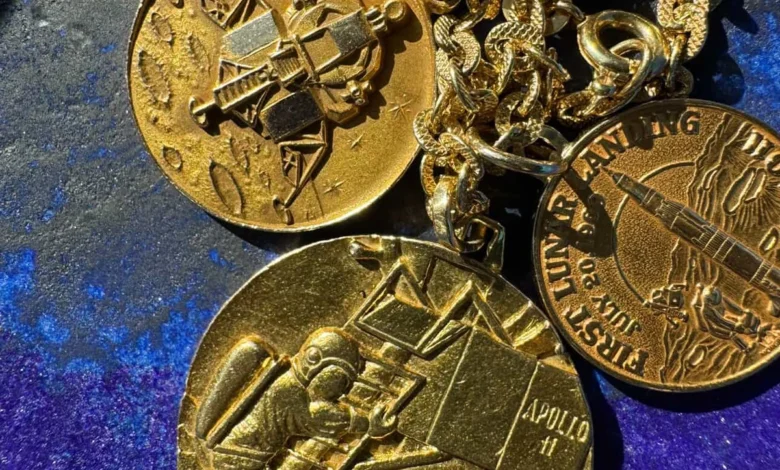
One of the more niche yet culturally significant aspects of vintage collecting is the focus on commemorative medals, particularly those related to the 1969 lunar landing. The Apollo 11 mission had a profound impact on global culture, including the jewelry industry. In the late 1960s and early 1970s, major houses like Van Cleef & Arpels and Omega produced limited-edition pieces to celebrate humanity’s achievement in space.
The Van Cleef & Arpels moon landing pendant, mentioned by Allison as her "white whale," represents the pinnacle of this era. These pieces are not only valuable for their gold content but also as historical artifacts that capture the optimism and technological fervor of the "Space Age." The scarcity of these items, combined with their historical weight, makes them highly prized by collectors who view jewelry as a medium for storytelling.

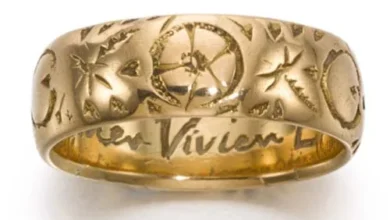
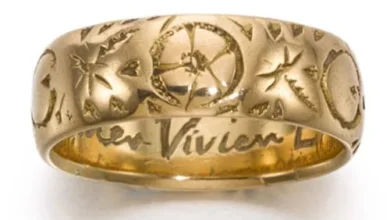
Furthermore, the collection of initial rings, specifically signet rings, taps into a tradition that dates back to antiquity. Historically used as a seal for official documents, the signet ring was a symbol of authority and family heritage. In the modern context, the search for vintage signet rings—particularly for those with smaller fingers—presents a unique challenge. Historically, these pieces were predominantly designed for men in larger sizes (10 or 11). The effort to find and resize these pieces for a more diverse range of wearers is a hallmark of the modern vintage enthusiast’s dedication.
The Digital Marketplace: Instagram as the New Auction House
The methodology of jewelry collecting has been revolutionized by digital platforms. While traditional venues like Pickwick Vintage or "A Current Affair" in Los Angeles remain vital for in-person inspection and community building, the majority of secondary market transactions now occur online.

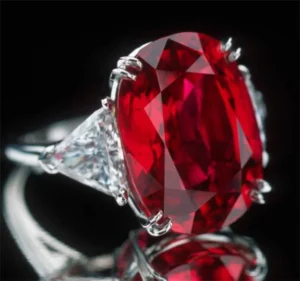
Instagram, in particular, has emerged as a decentralized marketplace where collectors and dealers interact directly. Accounts such as @thefabnab (specializing in rubies) and @a_golden_gem (specializing in gold chains) have built loyal followings by offering curated selections that bypass the overhead of traditional brick-and-mortar boutiques. This "couch-sourcing" method allows collectors to scan global inventories in real-time, often while engaging in mundane daily activities.
However, this digital shift requires a high degree of trust and expertise. Collectors must learn to navigate hallmarks, verify gold purity, and vet sellers through community reputation. The democratization of information on social media has allowed for a more transparent market, but it has also increased competition for rare pieces, as a "drop" on Instagram can sell within seconds of being posted.

Broader Impact and Implications for the Jewelry Industry
The rise of the independent, vintage-focused collector has several long-term implications for the jewelry industry at large:
- Pressure on Traditional Retailers: Established jewelry brands are increasingly being forced to address the resale market. Some have begun launching their own "pre-owned" sections or buy-back programs to capture a share of the circular economy.
- The Value of Provenance: In the vintage market, the "story" behind a piece—its era, its previous owners, and its historical context—adds significant value beyond the spot price of gold and gemstones.
- Gender Fluidity in Design: As collectors like Allison seek out historically "masculine" pieces like large signet rings or chunky 70s chains, the traditional gender boundaries of jewelry design are blurring. This is leading to a more unisex approach to both vintage sourcing and modern manufacturing.
- Sustainability as a Standard: What was once a niche concern is becoming a primary driver of consumer behavior. The jewelry industry is being held to higher standards regarding ethical sourcing and environmental impact, with vintage jewelry serving as the gold standard for sustainable luxury.
In conclusion, the modern jewelry collection is much more than a hoard of precious metals; it is a curated reflection of personal values, historical interests, and artistic perspective. Collectors like Allison (@HollywoodGold) represent a new era of "conscious connoisseurship," where the thrill of the hunt is balanced by a commitment to the planet and a deep respect for the craftsmen of the past. As the market continues to evolve, the emphasis on style as a "perspective" and a "way of living" will likely remain the defining characteristic of the 21st-century collector.
Related posts: