The Evolution of Modern Heirloom Collecting and the Rise of the Talismanic Aesthetic in the Global Antique Jewelry Market

The landscape of antique jewelry collecting has undergone a significant transformation over the last decade, shifting from a niche hobby reserved for elite auction houses to a vibrant, social-media-driven industry characterized by "reimagined" pieces and personal storytelling. At the forefront of this movement is Cyndi, the curator behind the influential brand and digital presence known as TheFabNab. Her collection, which has been meticulously built over the past 13 years, serves as a primary case study in the transition from traditional collecting to the creation of "talismanic" jewelry—items that serve as both historical artifacts and personal shields for the modern wearer. By examining the trajectory of Cyndi’s collection, from its origins in semi-precious beadwork to the sophisticated conversion of Edwardian and Art Deco components, one can observe the broader trends currently shaping the multi-billion-dollar global jewelry market.
The Chronology of a Curated Collection: From Beads to High-Value Antiquities
The genesis of Cyndi’s involvement in the jewelry sector dates back approximately 13 years, a period that coincides with a significant shift in consumer behavior regarding vintage goods. Her initial foray into the craft involved working with semi-precious beads, a trend that dominated the artisanal market in the late 2000s. However, as her aesthetic matured, she transitioned into the realm of precious metals and gemstones, specifically focusing on the acquisition of antique stick pins.

A decade ago, antique stick pins represented an undervalued segment of the market. These items, often featuring intricate Victorian or Edwardian craftsmanship, could be acquired at relatively low price points. Cyndi’s strategy involved the "conversion" of these pins—removing the pin stem and repurposing the decorative head into a ring or a charm. This practice, known in the industry as "upcycling" or "conversion jewelry," allowed collectors to access high-quality historical craftsmanship on a limited budget. As the demand for unique, wearable history grew, the price of these once-affordable components rose accordingly, reflecting a broader market trend where the intrinsic value of the gold and stones is now frequently surpassed by the historical and artistic value of the piece.
Design Philosophies and the "Lucky Numbers" Framework
Central to the FabNab collection is a distinct design vocabulary that prioritizes "edgy" vintage pieces. Cyndi’s curation is characterized by a recurring focus on specific motifs: medallions, religious iconography, serpents, and rubies. This thematic consistency has allowed her to develop a recognizable brand identity in an increasingly crowded digital marketplace.
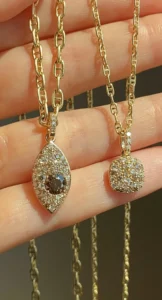
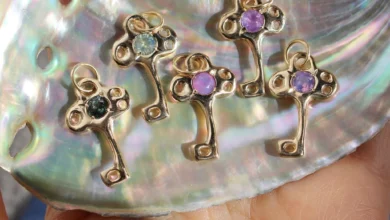
One of the most commercially significant developments in her career is the establishment of the "Lucky Numbers + Talismans" collection. This project utilizes authentic Edwardian and Art Deco components, which are then reconfigured to represent specific "destiny numbers" or personal milestones for the wearer. This approach aligns with a growing consumer demand for "intentional" jewelry—pieces that are purchased not merely for their aesthetic value but for their perceived ability to bring "good juju" or provide emotional protection.

The technical execution of these pieces involves a deep understanding of historical periods:
- The Edwardian Era (1901–1910): Characterized by "garland" styles, platinum, and delicate milgrain work.
- The Art Deco Era (1915–1935): Defined by geometric shapes, bold colors, and the use of synthetic stones alongside precious gems.
By blending these historical elements into a modern capsule collection, Cyndi has tapped into the "New skins for old ceremony" philosophy—a concept that values the preservation of antique materials while updating their form for contemporary utility.
The Market for Celestial and Egyptian Revival Motifs
Beyond her original designs, Cyndi’s personal collection highlights specific high-demand sectors within the antique market, most notably Celestial and Egyptian Revival styles.

Celestial Jewelry
The obsession with stars and moons in jewelry is not a modern phenomenon but a continuation of Victorian-era romanticism. Cyndi’s preference for the H. Stern Genesis line demonstrates the intersection of modern luxury and antique inspiration. H. Stern, a Brazilian jewelry house, successfully revitalized the "antique star" aesthetic, which traditionally features old mine cut diamonds set in silver-topped gold. The "darkened silver" look, often achieved through oxidation, provides a high-contrast backdrop that enhances the brilliance of the diamonds, a technique that remains a staple for collectors seeking a "moody" or "edgy" look.
Egyptian Revival
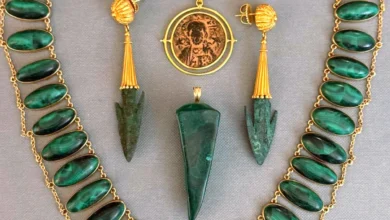
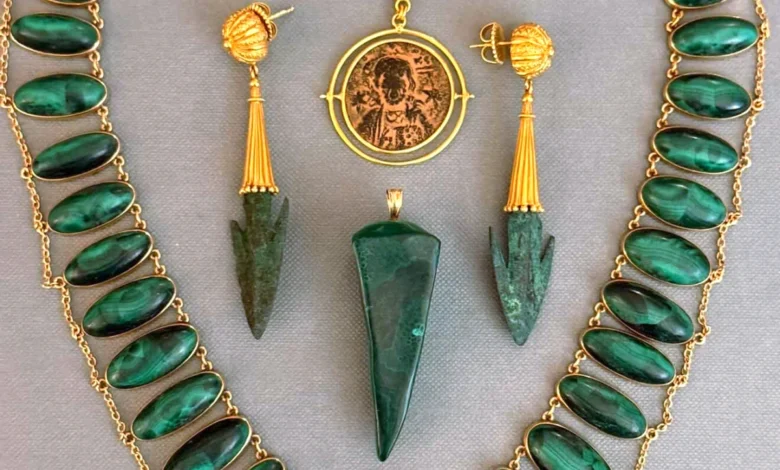
The Egyptian Revival movement, particularly the iterations following the discovery of Tutankhamun’s tomb in 1922, remains one of the most sought-after categories in jewelry collecting. Cyndi’s interest in winged scarabs and brushed, buttery gold snakes reflects the enduring appeal of these ancient symbols. In the current market, authentic Egyptian Revival pieces from the 1920s can command premium prices at auction, driven by their bold color palettes (often featuring lapis lazuli, carnelian, and turquoise) and their historical significance.
Global Sourcing and the Role of Professional Networks
The growth of a high-tier jewelry collection is rarely a solitary endeavor; it requires a robust network of dealers and a presence at international trade hubs. Cyndi’s sourcing strategy highlights the importance of three major geographic centers:

- Paris, France: The Marché aux Puces de Saint-Ouen (Paris Flea Market) serves as a foundational source for European antiquities. For collectors like Cyndi, Paris offers access to rare Victorian and Belle Époque pieces that are difficult to find in North American markets.
- London, United Kingdom: Portobello Road is perhaps the world’s most famous antique jewelry destination. Cyndi’s experience in London emphasizes the role of mentorship and professional relationships. The guidance of established dealers, such as Ishy of @IshyAntiques, is often the difference between a novice collector and a successful professional curator.
- The United States Trade Circuit: Major trade shows in Miami, Las Vegas, and Hillsborough, California, serve as the primary venues for high-value transactions and networking. These events allow collectors to interact with industry legends like Lenore Dailey, whose expertise in antique jewelry has influenced a generation of modern dealers.
The transition from eBay and local antique shops to international trade shows marks the evolution of a collector into a serious market participant. This professionalization is a key driver of the "jewelry gang" culture—a digital and physical community of dealers who support each other through mutual promotion and shared inventory.
The "Ruby Spike" and the Psychology of Empowerment
Perhaps the most iconic piece in the FabNab collection is the Victorian-era ruby spike, converted from an antique brooch. This piece serves as a symbol of the collector’s broader philosophy regarding jewelry as a "daily talismanic reminder." In the Victorian language of gemstones, the ruby represented strength, passion, and loyalty. By converting a static brooch into a wearable "spike," Cyndi has created a piece that communicates toughness and resilience.
This trend of "toughness in the neckmess" (a "neckmess" being a curated, layered arrangement of necklaces) reflects a shift in how women, in particular, interact with jewelry. Rather than waiting for jewelry to be gifted by a partner, modern collectors are increasingly "self-gifting" to commemorate personal victories or milestones. This behavioral shift has empowered the "badass goddess" archetype—a consumer who views jewelry as a form of armor or a "layer of love" that provides a psychological shield against the world.

Broader Industry Implications and Data-Driven Insights
The success of collectors and designers like Cyndi has broader implications for the jewelry industry at large. Several key data points and trends emerge from this narrative:
- Sustainability through Upcycling: As consumers become more environmentally conscious, the demand for "reimagined" antique jewelry has surged. By repurposing existing gold and stones, designers reduce the need for new mining, positioning antique collecting as a sustainable luxury choice.
- The Rise of the Micro-Influencer Dealer: The traditional barrier between the "collector" and the "dealer" has blurred. Social media platforms like Instagram have allowed individuals to build brands based on their personal aesthetic, leading to a more democratic and diverse marketplace.
- Market Appreciation: Analysis of auction data over the last decade shows that "signed" antique pieces and high-quality conversions have consistently outperformed many traditional investment vehicles. For example, the rarity of Victorian-era ruby spikes—described by Cyndi as being "rarer than hens’ teeth"—ensures that their market value remains high even during economic volatility.
- Personalization as a Premium: The "Lucky Numbers" concept highlights the premium that consumers are willing to pay for personalization. In a world of mass-produced goods, a one-of-a-kind antique component that carries personal meaning offers a level of exclusivity that traditional luxury brands struggle to replicate.
Conclusion
The story of Cyndi and TheFabNab is more than a chronicle of personal acquisition; it is a reflection of a changing industry that values historical integrity, emotional resonance, and community connection. By bridging the gap between the "superficial glitter" of the jewelry world and the deep, talismanic power of antique artifacts, Cyndi has carved out a unique space in the global market. Her journey from the Paris Flea to the trade shows of Miami illustrates the rigorous path of the modern curator—a path defined by a keen eye for detail, a respect for the craftsmanship of the past, and a forward-looking vision for the future of wearable art. As the "neckmess" trend continues to evolve and the demand for meaningful, edgy vintage pieces grows, the influence of collectors who view jewelry as both a shield and a story will undoubtedly remain a dominant force in the industry.