Ugg Owner Deckers and Quince Patent Battle Yields Split Verdict, Highlighting ‘Dupe Culture’ and Antitrust Concerns

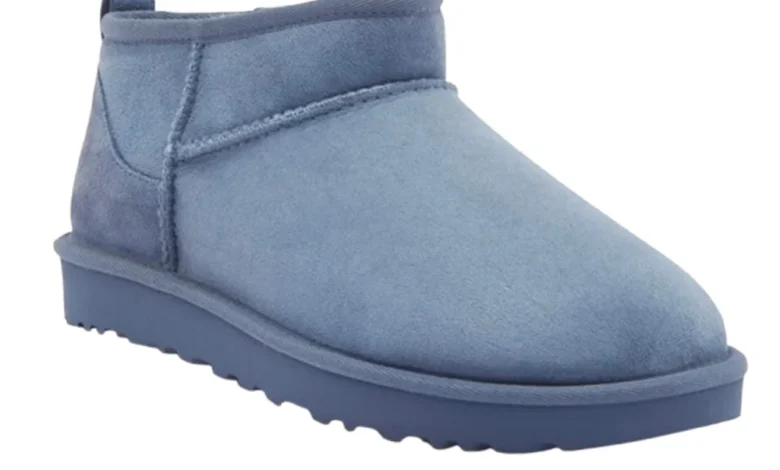
The recent jury verdict in the high-profile patent dispute between Deckers Outdoor Corp., the owner of the iconic Ugg brand, and the burgeoning direct-to-consumer (DTC) lifestyle brand Quince, has offered a nuanced resolution that underscores the complexities of intellectual property law in the era of "dupe culture." While the jury found that Quince’s "Australian Shearling Mini Boot" infringed upon Deckers’ U.S. design patent for its "Ugg Classic Ultra Mini Boot," it simultaneously declared Deckers’ patent invalid, creating a split decision that largely favored Quince in avoiding immediate liability and damages. This outcome not only leaves the broader debate over product imitation unresolved but also significantly bolsters Quince’s ongoing antitrust claims against Deckers.
Unpacking the Split Verdict: Infringement and Invalidity
The central findings of the jury were twofold and seemingly contradictory, yet legally distinct. On one hand, the jury affirmed Deckers’ assertion that Quince had indeed copied the design of the Ugg Classic Ultra Mini Boot, a product that has seen a resurgence in popularity and is a significant revenue driver for the Ugg brand. This finding of infringement would typically lead to a determination of damages and potentially injunctive relief, preventing Quince from further sales of the infringing product.
However, the jury’s second, pivotal finding negated the first: it declared Deckers’ design patent for the Ugg Classic Ultra Mini Boot invalid. Design patents protect the ornamental appearance of an article of manufacture, as opposed to utility patents which protect functionality. For a design patent to be valid, it must be new, original, and non-obvious to a person of ordinary skill in the art at the time the design was created. The jury’s determination of invalidity suggests that they found Deckers’ patent did not meet one or more of these criteria, potentially deeming the design to be too generic, previously known, or an obvious variation of existing designs.
This "split decision," as described by Ben Katzenellenbogen, chair of Knobbe Martens’ design patent litigation practice, meant that Quince "avoided a jury finding of liability [as well as] an award of damages." For Quince, a relatively new player in the market built on a model of offering "affordable luxury" and direct-to-consumer value, sidestepping a potentially crippling financial judgment represents a significant victory. Furthermore, Katzenellenbogen noted that Quince is "likely to view the finding of invalidity as supporting its antitrust arguments that Deckers is improperly using litigation and invalid intellectual property rights to protect its market share."
The Rise of ‘Dupe Culture’ and Its Legal Crossroads
The dispute between Deckers and Quince is a microcosm of a larger phenomenon reshaping the retail landscape: "dupe culture." Fueled by social media platforms like TikTok and Instagram, consumers are increasingly seeking out "dupes"—products that closely resemble higher-priced, often branded items but are sold at significantly lower price points. This trend is driven by several factors, including economic pressures, a desire for accessible fashion, and a growing consumer willingness to prioritize value over brand exclusivity.
For established brands like Ugg, a subsidiary of the multi-billion dollar Deckers Outdoor Corp., dupe culture poses a substantial threat to brand equity, market share, and profitability. Deckers, which also owns Hoka, Teva, and Sanuk, generated net sales of $4.03 billion in fiscal year 2023, with Ugg remaining a foundational pillar of its portfolio, contributing significantly to these figures. The Ugg Classic Boot, in its various iterations including the Ultra Mini, has become a cultural icon, synonymous with comfort and casual style, making it a prime target for imitation.
The legal battle against dupes is often complex, as intellectual property law provides varying degrees of protection. While trademarks protect brand names and logos, and copyrights protect original artistic works, design patents are specifically crafted to protect the aesthetic appearance of a product. Trade dress, which Deckers initially pursued, protects the overall look and feel of a product or packaging if it serves as a source identifier. The challenge for brands lies in demonstrating that a design is not merely functional or generic but possesses a distinctive, protectable ornamental quality. The global market for counterfeit and pirated goods, which includes "dupes," is estimated to be in the hundreds of billions of dollars annually, underscoring the immense financial stakes involved for rights holders.
A Chronology of Legal Actions
The legal saga commenced in 2023 when Deckers Outdoor Corp. initiated a lawsuit against Quince. Initially, Deckers’ complaint was multifaceted, alleging infringement based on both trade dress and a specific design patent related to three Ugg shoe styles. The gravamen of Deckers’ argument was that Quince’s "Australian Shearling Mini Boot" directly mimicked the distinctive aesthetic of its popular Ugg Classic Ultra Mini Boot, leveraging Ugg’s established market presence and consumer goodwill.
However, the legal landscape shifted as the case progressed. The trade dress claims, which sought to protect the overall visual appearance and impression of the Ugg boots, were subsequently dismissed by the court. This dismissal narrowed the focus of the litigation considerably, leaving only the design patent claim pertaining specifically to the Ugg Classic Ultra Mini Boot for the jury’s consideration. The dismissal of trade dress claims is not uncommon in fashion IP disputes, as courts often require a high bar for proving that a product’s non-functional features have acquired secondary meaning, i.e., consumers primarily associate those features with a specific brand.
In a proactive and strategic move in February, Quince filed an antitrust counterclaim against Deckers. This counterclaim alleged that Deckers was engaging in anti-competitive practices by improperly using template lawsuits and asserting exclusive rights over what Quince characterized as basic and unprotectable product features. These features, according to Quince, included common elements such as suede exteriors, shearling linings, rounded toes, and thick soles—elements that are widely prevalent in sheepskin footwear. Quince argued that Deckers was leveraging its market dominance and invalid intellectual property claims to stifle competition and maintain a monopoly over a broad category of footwear, rather than protecting truly innovative or distinctive designs.
The Litigants: Deckers Outdoor Corp. and Quince
Deckers Outdoor Corp.: Headquartered in Goleta, California, Deckers is a global leader in designing, marketing, and distributing innovative footwear, apparel, and accessories. Founded in 1973, the company boasts a diverse portfolio of brands, with Ugg being its most recognized and historically significant. The Ugg brand, famous for its sheepskin boots, began in Australia in 1970 and gained immense popularity in the U.S. in the early 2000s, becoming a cultural phenomenon. Its Classic Boot design, characterized by its sheepskin interior and suede exterior, has been subject to numerous imitations over the years, leading to continuous legal efforts by Deckers to protect its intellectual property. The company’s robust legal team is well-versed in navigating complex IP disputes, reflecting its commitment to safeguarding its brand assets.
Quince: In contrast, Quince represents the new guard of retail. Launched in 2018, Quince operates on a direct-to-consumer model, aiming to provide "luxury essentials" at affordable prices by cutting out middlemen and focusing on transparent sourcing and lean operations. Its product range spans across apparel, home goods, and accessories, often featuring designs that bear a strong resemblance to popular, higher-end items. Quince’s business strategy explicitly targets consumers who are looking for quality and style without the premium brand markup, often appealing to the same consumer base that engages with "dupe culture." This model positions Quince as a disruptor, directly challenging established brands on price and accessibility. The brand’s rapid growth and aggressive stance in its legal defense highlight the confidence in its business model and its challenge to traditional market structures.
Legal Framework: Design Patents and Antitrust Claims in Fashion IP
The outcome of the Deckers v. Quince case hinges significantly on the specific nuances of design patent law. Unlike utility patents, which protect how an invention works, design patents protect only the aesthetic features of an article. The standard for validity requires the design to be novel (new), non-obvious, and ornamental. This means that a design patent cannot merely protect functional features or designs that are commonplace or obvious variations of existing styles. This distinction is crucial in fashion, where trends often involve subtle variations on classic silhouettes.
The jury’s finding of invalidity for Deckers’ design patent suggests that Quince successfully argued that the Ugg Classic Ultra Mini Boot design was either not sufficiently new or was an obvious design to someone skilled in the art of footwear design at the time the patent was filed. This can be challenging for iconic designs that have been around for a long time or derive from traditional forms, as proving true novelty and non-obviousness becomes more difficult with widespread public exposure and prior art.
Furthermore, Quince’s antitrust counterclaim introduces another layer of legal complexity. Antitrust laws are designed to promote competition and prevent monopolies. When an intellectual property holder, such as Deckers, uses its IP rights in a manner that is deemed anti-competitive—for instance, by asserting invalid patents to suppress competition or monopolize a market segment—it can face antitrust challenges. Quince’s argument suggests that Deckers’ litigation strategy is not merely to protect valid IP but to stifle legitimate competition by deterring other brands from producing similar, yet arguably generic, designs. This type of claim often requires demonstrating market power and an intent to monopolize, which can be difficult but, if proven, carries significant penalties.
Broader Implications for the Fashion Industry
The Deckers-Quince verdict sends ripples throughout the fashion industry, particularly for brands grappling with "dupe culture" and for DTC companies aiming to disrupt established markets.
For established brands, the decision highlights the challenges of enforcing design patents, especially for designs that have become widely adopted or are rooted in classic styles. It underscores the importance of meticulously prosecuting design patent applications to ensure they cover truly novel and non-obvious ornamental features, rather than generic elements. Brands may need to reconsider their IP strategies, potentially focusing more on trademark protection for distinctive branding elements or emphasizing unique utility features that can be protected by utility patents. The cost and time associated with design patent litigation, coupled with the risk of invalidation, may lead some brands to re-evaluate the efficacy of this particular form of IP protection against mass-market imitators.
For DTC brands like Quince, the outcome is a morale booster. It suggests that while imitation carries risks, there are legal avenues to challenge incumbent brands that may overreach in their IP claims. The invalidation of Deckers’ patent provides a degree of legal validation for Quince’s approach, demonstrating that not all similarities constitute unlawful infringement, especially if the underlying patent is found to be deficient. This could embolden other DTC brands to continue their strategies of offering "dupes" or similar styles, potentially intensifying competition in various product categories.
The case also brings the spotlight back to the role of antitrust law in intellectual property disputes. It serves as a reminder that IP rights, while granting a limited monopoly, are not absolute and cannot be used as a shield for anti-competitive behavior. If Quince’s antitrust claims proceed and are successful, it could set a precedent for challenging aggressive IP enforcement strategies by dominant players in the market, forcing a re-evaluation of how brands protect and leverage their intellectual assets.
The Road Ahead: Appeals and Continued Antitrust Proceedings
While the jury’s verdict offers a temporary resolution, the legal battle between Deckers and Quince is far from over. It is highly probable that Deckers will appeal the jury’s finding of patent invalidity. Appeals in patent cases often focus on legal interpretations and the sufficiency of evidence presented to the jury. Deckers would likely argue that the jury erred in its assessment of the patent’s validity, perhaps by misinterpreting prior art or applying an incorrect legal standard for non-obviousness.
Simultaneously, Quince’s antitrust counterclaim against Deckers remains an active component of the overall dispute. The jury’s finding that Deckers’ patent was invalid significantly strengthens Quince’s position in this separate but related legal action. Quince can now leverage this finding to argue that Deckers was indeed attempting to assert rights over invalid intellectual property to suppress competition, a key element in proving an antitrust violation. The antitrust proceedings will likely involve extensive discovery and potentially another trial, focusing on market definition, Deckers’ market power, and the specific intent behind its litigation strategy.
The outcome of these ongoing legal skirmishes will have lasting implications for how the fashion industry navigates the fine line between inspiration and imitation, innovation and competition. It will undoubtedly influence the strategies employed by both established brands seeking to protect their heritage designs and emerging disruptors aiming to democratize luxury. The saga of Deckers vs. Quince is more than just a patent dispute; it’s a pivotal case in the evolving narrative of retail, intellectual property, and consumer culture.