Where are we now: Market opportunities for bio-based alternatives to fur, leather and wool (online expert panel) : Fashion Revolution

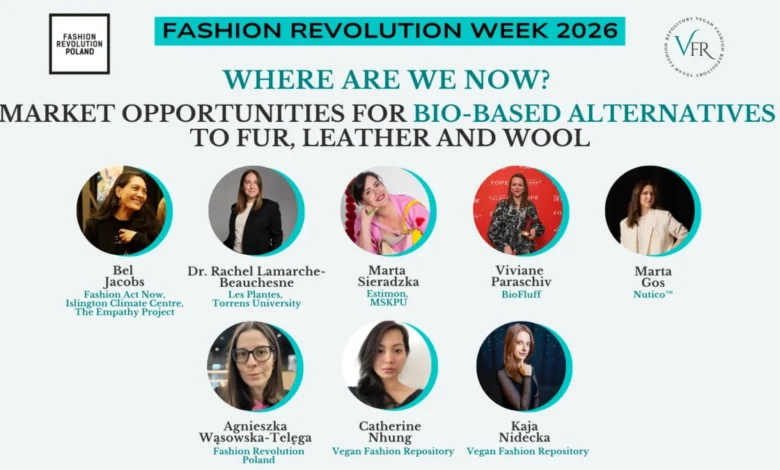
A groundbreaking collaborative panel, co-hosted by Fashion Revolution Poland and the Vegan Fashion Repository during Fashion Revolution Week, recently brought together a diverse group of material innovators, brands, designers, and advocates to dissect the burgeoning landscape of bio-based alternative materials. The online event, a first of its kind for these two influential organizations, aimed to illuminate both the significant opportunities and persistent challenges that define the future of sustainable fashion, particularly focusing on the imperative to move beyond antiquated perceptions surrounding vegan fashion. The discussion underscored the critical need for a paradigm shift in how the industry and consumers alike view materials, production, and ethical consumption, emphasizing that true innovation extends far beyond mere aesthetic appeal or fleeting trends.
The panel served as a vital forum for exploring the multifaceted drivers of change within the fashion ecosystem. From the cutting-edge advancements in material science on the supply side to the increasingly sophisticated and ethically-driven consumer values shaping demand, the conversation meticulously unpacked the forces propelling the industry towards a more sustainable and compassionate future. Participants delved into the intricacies of developing next-generation materials, the practicalities of integrating these innovations into commercial products, and the broader advocacy efforts championing empathy and sustainability across the entire value chain. The collaborative nature of the event itself highlighted a growing recognition within the industry that addressing systemic issues requires collective action, cross-sectoral dialogue, and a shared commitment to environmental stewardship and social responsibility.
The Genesis of the Movement: Fashion Revolution Week and its Enduring Impact
Fashion Revolution Week, an annual global campaign, emerged from the ashes of the tragic Rana Plaza factory collapse in Bangladesh in April 2013. This catastrophic event, which claimed over 1,100 lives and injured thousands more, starkly exposed the human cost of fast fashion and the systemic lack of transparency within global supply chains. In its wake, Fashion Revolution was founded with a clear mission: to demand greater transparency, accountability, and ethics in the fashion industry. The movement galvanized millions worldwide, prompting consumers to ask brands, "Who Made My Clothes?" and pushing for a radical transformation of production practices.
Fashion Revolution Poland, as a national chapter of this global movement, plays a crucial role in localizing these efforts, advocating for sustainable practices, educating consumers, and fostering dialogue among industry stakeholders within Poland and the broader Central European region. Their collaboration with the Vegan Fashion Repository, an organization dedicated to documenting and promoting innovative, animal-free materials and ethical fashion practices, represents a powerful synergy. The Vegan Fashion Repository actively works to dispel myths about vegan fashion, showcasing how it can be synonymous with luxury, durability, and high performance, while also ensuring environmental integrity. This partnership is particularly timely as the fashion industry grapples with the urgent need to reduce its ecological footprint and address ethical concerns associated with traditional animal-derived materials like leather, fur, and wool.
The Urgent Call for Bio-Based Materials: Addressing Fashion’s Environmental Footprint
The fashion industry is notoriously one of the most polluting sectors globally, contributing significantly to greenhouse gas emissions, water pollution, waste generation, and deforestation. Traditional material production plays a substantial role in this impact:
- Leather production often involves intensive animal agriculture, contributing to methane emissions and deforestation, and relies on highly toxic chemicals (e.g., chromium) for tanning, polluting waterways and endangering workers.
- Wool production raises concerns about animal welfare (e.g., mulesing), land degradation from overgrazing, and chemical use in processing.
- Synthetic materials like polyester, while often recycled, are derived from fossil fuels and contribute to microplastic pollution in oceans and ecosystems.
In this context, bio-based alternative materials offer a beacon of hope. These materials, derived from renewable biomass sources such as plants, fungi, algae, and even bacteria, present a pathway to significantly reduce reliance on fossil fuels and animal agriculture. They often boast characteristics like biodegradability, lower carbon footprints, and reduced chemical usage, aligning perfectly with the principles of a circular economy. The panel’s focus on these alternatives is not merely about finding replacements but about fundamentally rethinking the material basis of fashion to create products that are both desirable and environmentally benign.
A Chronology of Sustainable Material Innovation
The journey towards sustainable materials in fashion has been a gradual yet accelerating one:
- Early 20th Century: The advent of synthetic fibers like rayon (from cellulose) and nylon marked a shift from purely natural fibers, driven by performance and cost. However, environmental awareness was nascent.
- 1970s-1980s: Growing environmental movement sparked interest in organic cotton and hemp, driven by concerns over pesticide use in conventional agriculture. Ethical sourcing began to gain traction in niche markets.
- 1990s-2000s: The rise of "eco-fashion" and fair trade initiatives, focusing on social justice and environmental impact, particularly in production countries. Recycled polyester (rPET) from plastic bottles gained popularity.
- 2010s (Post-Rana Plaza): Increased scrutiny on supply chains and the birth of Fashion Revolution. Significant investment began flowing into material science for fashion. Innovations like Piñatex (pineapple leaf fiber) and mycelium-based leathers (from fungi) started moving from laboratories to market prototypes.
- Mid-2010s to Present: Rapid acceleration in bio-based material development. Algae-based dyes, bacterial cellulose textiles, lab-grown silks, and various plant-based leathers (e.g., from apples, grapes, cacti) moved closer to commercial viability. Major brands began experimenting with and investing in these next-generation materials, driven by both sustainability goals and consumer demand. Investment in sustainable fashion tech soared, indicating a maturation of the market and increasing confidence in these innovations. The concept of "vegan fashion" evolved from being primarily synthetic to increasingly bio-based and biodegradable.
Unpacking Opportunities and Challenging Perceptions
The panel discussion highlighted the immense opportunities presented by bio-based alternatives. Material innovators shared insights into the scientific breakthroughs enabling the creation of materials that mimic the aesthetics and performance of traditional animal products, often surpassing them in terms of sustainability. Examples include:
- Mycelium-based leathers: Offering a luxurious feel, durability, and biodegradability, these materials are grown in labs from fungi, requiring significantly less land, water, and time than animal husbandry.
- Plant-based leathers: Derived from agricultural waste or fast-growing plants like pineapple leaves, apple peels, or cactus, these alternatives provide versatile and aesthetically pleasing options for accessories and apparel.
- Algae-based textiles and dyes: Utilizing a renewable resource, these innovations can offer vibrant colors with a minimal environmental footprint and even carbon sequestration potential.
- Bacterial cellulose: A versatile material that can be grown in various shapes and forms, offering properties suitable for high-performance textiles or leather alternatives.
However, the conversation also candidly addressed the challenges. A significant hurdle remains the "outdated perceptions of vegan fashion." Historically, vegan alternatives were often synonymous with petroleum-based plastics like PVC or PU, raising concerns about their environmental impact despite being animal-free. The panel emphasized that the new wave of bio-based materials fundamentally shifts this narrative. These materials are designed with circularity in mind, aiming for biodegradability, renewability, and minimal environmental harm throughout their lifecycle.
Other challenges discussed included:
- Scalability: Moving from lab prototypes to industrial-scale production remains a significant barrier for many novel materials, requiring substantial investment and infrastructure development.
- Cost-effectiveness: Early-stage bio-based materials can be more expensive than conventional alternatives due to research and development costs, smaller production volumes, and nascent supply chains.
- Performance and durability: While rapidly improving, some bio-based materials still face questions regarding long-term durability, weather resistance, and care requirements compared to established materials.
- Consumer education: Communicating the benefits and unique characteristics of these new materials to consumers in a clear and compelling way is essential to drive adoption.
- Greenwashing: The proliferation of "eco-friendly" claims necessitates robust certifications and transparent communication to ensure genuine sustainability and prevent misleading consumers.
Data-Driven Insights: The Market for Sustainable Materials
The market for sustainable fashion is experiencing exponential growth, reflecting a significant shift in both consumer preferences and industry investment.
- Market Size & Growth: Reports indicate that the global sustainable fashion market was valued at approximately USD 6.35 billion in 2023 and is projected to reach over USD 15 billion by 2030, with a compound annual growth rate (CAGR) exceeding 12%. Within this, the bio-based materials segment is a key driver, seeing substantial investment and innovation.
- Consumer Demand: Numerous consumer surveys consistently show that a significant percentage of consumers (often 60-70%) are willing to pay more for products from sustainable and ethical brands. Gen Z and Millennials, in particular, prioritize environmental and social responsibility in their purchasing decisions, making sustainable fashion a non-negotiable for future market relevance.
- Investment Trends: Venture capital funding into sustainable material science and fashion technology startups has surged. In 2023 alone, hundreds of millions of dollars were invested in companies developing innovative bio-based textiles and leather alternatives, signaling strong investor confidence in their commercial potential.
- Environmental Impact Savings: Studies comparing traditional materials to their bio-based counterparts often highlight dramatic reductions in environmental impact. For instance, mycelium-based leathers can reduce CO2 emissions by up to 80% and water usage by over 90% compared to conventional leather. Plant-based alternatives also demonstrate significant reductions in water, land use, and chemical pollution. These quantifiable benefits are powerful motivators for brands and consumers alike.
Voices from the Forefront: Expert Perspectives and Collaborative Imperatives
While specific speaker statements were not provided, the essence of such a panel would inevitably coalesce around several key themes, articulated by inferred expert voices:
An advocate from Fashion Revolution Poland might emphasize, "The transition to a truly sustainable fashion industry demands radical collaboration. This panel exemplifies how uniting innovators, brands, and advocates can accelerate progress, fostering transparency and demanding accountability across every step of the supply chain."
A material innovator could articulate, "We are at the cusp of a material revolution. Our work in developing bio-based alternatives is not just about replacing existing materials; it’s about creating superior options that are inherently regenerative. However, scaling these solutions from laboratory to commercial viability requires significant investment, supportive policies, and a collective willingness from brands to integrate them."
A brand representative participating in the panel might comment, "Consumers are increasingly aware and demanding ethical and environmentally sound alternatives. Integrating bio-based materials into our collections is no longer a niche strategy but a core component of our brand’s future. The challenge lies in navigating the complexities of new supply chains and educating our customers on the value proposition of these innovative materials."
A representative from the Vegan Fashion Repository would likely highlight, "For too long, ‘vegan fashion’ has been mistakenly equated with cheap plastics. Our mission is to showcase that true vegan fashion, especially with the advent of advanced bio-based materials, represents the pinnacle of luxury, performance, and ethical responsibility. It’s about compassion for animals, people, and the planet."
A sustainability expert on the panel would likely add, "Moving beyond ‘vegan leather’ made from petroleum-based synthetics, to truly bio-circular, biodegradable solutions, is critical for genuine sustainability. We must scrutinize the entire lifecycle of new materials to ensure they deliver on their promise of reduced environmental impact and contribute to a regenerative economy."
Broader Implications and the Path Forward
The discussions held during Fashion Revolution Week have profound implications for the entire fashion industry. The focus on bio-based materials signifies a maturation of the sustainable fashion movement, moving beyond incremental improvements to fundamental systemic change.
- Industry Transformation: The increasing availability and performance of bio-based materials will drive a significant transformation in design, manufacturing, and retail. Brands will need to invest in research and development, reconfigure supply chains, and train their workforce in handling new materials. This shift will also foster innovation in areas like textile recycling and waste management for novel bio-materials.
- Policy and Regulation: As bio-based materials gain traction, there will be a growing need for supportive policies and regulations. This could include government incentives for sustainable material innovation, clearer labeling standards to combat greenwashing, and stricter environmental regulations for traditional material production. International collaboration on material standards and circular economy principles will also become increasingly vital.
- Consumer Empowerment: The panel underscored the critical role of consumer education. By providing transparent information about the origins, environmental impact, and end-of-life options for products made with bio-based materials, brands can empower consumers to make truly informed choices. This transparency fosters trust and accelerates the adoption of sustainable alternatives.
- Future Outlook: The vision emerging from such discussions is that of a truly circular and regenerative fashion economy. In this future, materials are not simply consumed and discarded but are designed to be continuously cycled, either through biological degradation (composting) or technical recycling, minimizing waste and pollution. Bio-based materials are central to this vision, offering solutions that work in harmony with natural systems.
However, significant hurdles remain. Continued investment in R&D is crucial to overcome challenges related to cost, scalability, and performance. Collaboration across the entire value chain—from farmers and scientists to designers, manufacturers, retailers, and consumers—is essential. The Fashion Revolution Week panel, by bringing these diverse voices together, has illuminated a promising path forward, emphasizing that the future of fashion is not just about what we wear, but how it’s made, and the values it embodies. The journey to a truly empathetic and sustainable industry is ongoing, and bio-based materials are undoubtedly a cornerstone of this transformative endeavor.