Comprehensive Digital Solutions for Modern Wedding Planning and Budget Management in 2024 and 2025

The landscape of wedding planning has undergone a significant transformation in recent years, shifting from traditional physical binders to sophisticated digital management systems that prioritize fiscal transparency and logistical precision. As the average cost of weddings continues to fluctuate in response to global economic shifts, couples planning ceremonies for 2024, 2025, and beyond are increasingly turning to structured digital tools to navigate the complexities of the "wedding industrial complex." Industry leaders and digital platforms are responding to this demand by releasing comprehensive suites of tools designed to mitigate the financial stress and organizational chaos historically associated with nuptial preparations.

The Rising Financial Stakes of Modern Nuptials
To understand the necessity of robust budgeting tools, one must look at the current economic climate surrounding the wedding industry. Recent data from market analysts indicates that the average cost of a wedding in the United States and the United Kingdom has seen a steady increase, often hovering between $30,000 and $35,000, depending on the region and guest count. Inflationary pressures have particularly impacted high-cost sectors such as catering, floral arrangements, and venue rentals. In this environment, a variance of even 5% in a single category can lead to significant budgetary overruns.

For couples embarking on their planning journey, the primary challenge is often the lack of a centralized data repository. Financial experts note that "hidden costs"—including service charges, gratuities, and delivery fees—can account for up to 15% of a total wedding budget. Consequently, the introduction of specialized digital spreadsheets, such as the free and premium options recently highlighted by industry experts, serves as a critical intervention for couples seeking to maintain fiscal discipline.

Strategic Digital Infrastructure: Free vs. Premium Solutions
The digital tools currently entering the market are categorized into two distinct tiers: basic fiscal oversight and comprehensive logistical management. The free wedding budget spreadsheet, a foundational tool developed by industry veterans Elizabeth and Zee, represents the entry-level solution. This tool is built upon the founders’ personal experience with wedding planning, emphasizing the transition from initial cost estimation to final payment tracking.

The free version provides a framework for:

- Estimating costs across various vendor categories.
- Tracking actual expenses against initial projections.
- Recording payment schedules and final balances.
- Maintaining a centralized list of confirmed vendors.
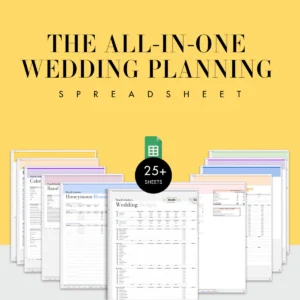
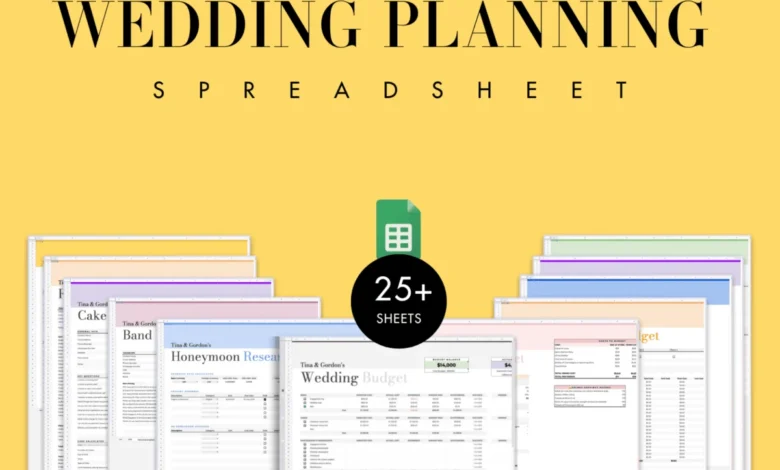
However, for couples managing multi-day events or high-complexity ceremonies, a more robust "All-in-One" Premium Wedding Planning Spreadsheet has been launched in collaboration with the specialized shop, The Creations. This premium offering, currently positioned at a promotional price point of $69 (discounted from a standard $105), includes over 25 custom-designed sheets. This level of detail reflects a growing trend in the industry where couples take on the role of project managers, requiring professional-grade tools to oversee every minute detail of the event.

A Chronological Approach to Digital Planning
The effectiveness of these digital tools is best measured by their utility across the standard 12-to-18-month wedding planning timeline. A structured chronology typically follows this trajectory:

Phase I: The Discovery and Research Period (Months 12–10)
During the initial phase, couples use research sheets to compare venues, photographers, and caterers. The premium digital tools facilitate this by providing side-by-side comparison templates, allowing for data-driven decision-making rather than emotional impulses.

Phase II: The Design and Vendor Integration (Months 9–6)
As the vision for the wedding solidifies, specialized sheets for florists, cake designers, and musicians become essential. The "Cake Cost Calculator" and "Drinks and Alcohol Calculator" included in the premium suite are particularly notable. These tools allow couples to input guest counts and service styles to generate precise quantity requirements, preventing both waste and shortages.

Phase III: The Logistical Deep-Dive (Months 5–2)
In the months leading up to the event, the focus shifts to the guest list and seating arrangements. Digital seating plans allow for real-time adjustments as RSVPs are received. Simultaneously, the "Wedding Registry" and "Gift Tracking" sheets ensure that social obligations and gratitude are managed with professional accuracy.

Phase IV: The Execution Phase (Month 1 to Wedding Day)
The final weeks require high-level coordination. The "Wedding Day Timeline" and "Emergency Kit" checklists serve as the operational manual for the couple and their bridal party. These sheets are designed to be shared with vendors to ensure all parties are synchronized.

Detailed Feature Analysis: The 25-Sheet Framework
The comprehensive nature of the premium digital planner is evidenced by its diverse array of specialized sheets. By categorizing these tools, couples can approach planning in manageable segments.

Fiscal and Planning Modules
The core of the system remains the Budget Spreadsheet, which is augmented by a comprehensive Wedding Planning Checklist. This checklist acts as a master task list, ensuring that no administrative requirement—from marriage licenses to insurance—is overlooked.

Vendor-Specific Research Tools
Unique to the premium suite are dedicated research sheets for:

- Photography and Videography: Tracking portfolio styles, hours of coverage, and delivery timelines.
- Floral and Decor: Mapping out specific arrangements for the ceremony and reception.
- Catering and Beverage: Detailed breakdowns of menu costs and per-head alcohol consumption.
Travel and Honeymoon Coordination
Recognizing that the wedding journey extends beyond the reception, the toolkit includes travel-related sheets. These cover honeymoon research, budgeting, and gender-specific packing lists for both the wedding weekend and the subsequent trip. This holistic approach reduces the need for multiple disparate apps or physical lists.

Industry Reactions and Market Implications
The shift toward these all-in-one digital tools has drawn reactions from professional wedding planners and couples alike. Many professional planners suggest that while digital tools do not replace the expertise of a human coordinator, they make the collaboration process significantly more efficient.

"When a couple comes to us with a structured spreadsheet already in place, the first 20 hours of our job are already done," notes one industry consultant. "It allows us to focus on the creative and high-level logistics rather than chasing down payment dates or guest addresses."

From a market perspective, the pricing strategy of these tools reflects a "democratization of planning." By offering a professional-grade suite for under $100, the creators are providing a middle-ground solution for couples who cannot afford a full-service wedding planner (which often costs 10–15% of the total budget) but require more than a simple notebook.

Broader Impact: Sustainability and Data Security
Beyond organization, the move to digital planning has significant environmental implications. The "paperless" wedding planning movement reduces the waste associated with physical planners, printed brochures, and mailed RSVP cards (when integrated with digital guest lists).

Furthermore, the choice of platforms—Google Sheets and Microsoft Excel—addresses the need for accessibility and data security. By utilizing cloud-based systems, couples can ensure that their planning data is accessible across devices and can be easily backed up. This collaborative environment allows both partners to contribute to the document simultaneously, fostering a more equitable distribution of the "mental load" associated with event planning.

Conclusion: The Future of Nuptial Management
As we look toward the 2025 wedding season, the reliance on data-driven planning tools is expected to increase. The complexity of modern celebrations—often involving destination travel, multiple events, and diverse dietary or cultural requirements—demands a level of detail that traditional methods simply cannot accommodate.

The introduction of the All-in-One Wedding Planning Spreadsheet by Bridal Musings and The Creations represents a milestone in this evolution. By providing a comprehensive, user-friendly, and affordable digital infrastructure, these tools empower couples to move past the stress of the unknown. In an era where financial transparency is paramount, the ability to track every dollar and every detail in a single spreadsheet is not just a convenience; it is a strategic necessity for a successful and harmonious start to married life. For those currently navigating the planning process, the choice between a free foundational tool and a premium comprehensive suite offers a scalable solution tailored to the unique needs of every modern couple.