Elegant Nuptials at Holy Name Cathedral A Study in Luxury Wedding Planning and High Fashion Bridal Design

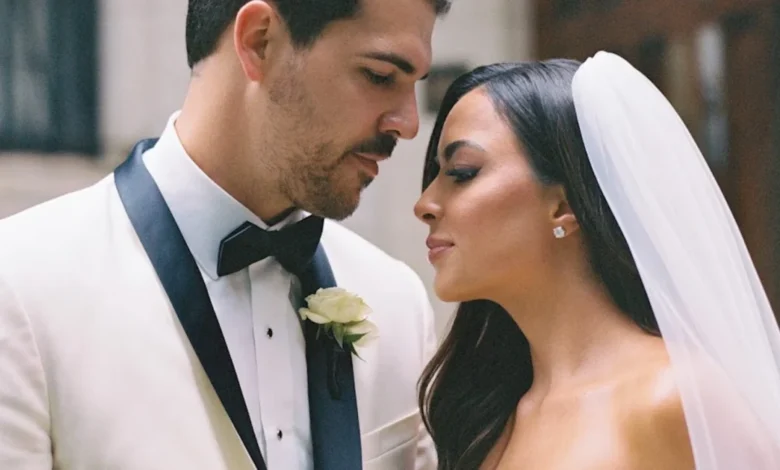
The intersection of historic architectural grandeur and contemporary luxury fashion was prominently displayed during the recent wedding of Cristina and Jordan, a multi-faceted event that transformed Chicago’s iconic Holy Name Cathedral into a stage for high-end matrimonial artistry. The ceremony, followed by a high-energy reception, served not only as a personal union but as a case study in meticulous event production, featuring collaborations with premier designers such as Galia Lahav and the planning expertise of Michigan Avenue Events. With a guest list of 300 people traveling from across the United States, the celebration underscored the enduring appeal of destination-style urban weddings and the logistical complexity required to execute large-scale, high-concept floral and fashion designs.
The Foundation of a Modern Union: A Six-Year Chronology
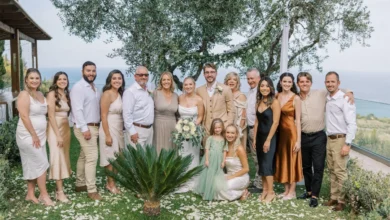
The narrative of the couple began six years ago in a setting that would eventually inform the social and lively atmosphere of their wedding day. Meeting at a local restaurant during a "Thursday Martini Night," the couple’s introduction was facilitated by family—a detail that would remain a central theme throughout their relationship. The groom’s father played a pivotal role in the initial meeting, encouraging the first conversation that led to a six-year courtship. This familial involvement mirrored the eventual wedding day, where 300 relatives and friends would play an active role in the celebration.
The transition from courtship to engagement occurred on another Thursday evening, just days before Valentine’s Day. The proposal was designed as a high-production "surprise" event, involving a privately rented space curated with specific aesthetic elements: a balloon arch, a lit fireplace, and a path of rose petals and candles. The inclusion of both families during the proposal served as a precursor to the wedding’s emphasis on collective celebration. This sequence of events highlights a growing trend in the luxury market where proposals are treated with the same level of production value and photographic consideration as the wedding itself.

Architectural Significance: The Holy Name Cathedral Venue
The selection of Holy Name Cathedral for the ceremony provided a backdrop of immense historical and cultural weight. Located in the Near North Side of Chicago, the cathedral is one of the largest Roman Catholic parishes in the United States and serves as the seat of the Archdiocese of Chicago. Built in the Gothic Revival style and completed in 1875, the structure is renowned for its soaring ceilings, intricate woodwork, and the "Resurrection Cross" suspended above the altar.
For the bride, walking down the aisle of such a landmark with her father was described as a moment of profound emotional gravity. The cathedral’s acoustics and vast scale require a specific type of presence, which was met by the couple’s choice of a classic white Rolls Royce for transportation—a nod to mid-century elegance that complemented the timelessness of the stone architecture. The ceremony at Holy Name represents a pinnacle of the traditional Chicago wedding experience, blending religious solemnity with the city’s rich architectural heritage.
High Fashion and Customization: The Galia Lahav "Jules" Gown
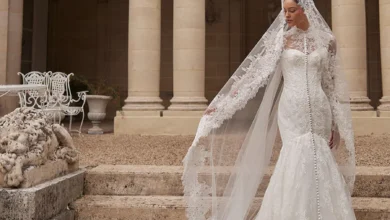
A centerpiece of the event’s aesthetic was the bride’s attire, a custom iteration of the "Jules" gown by Galia Lahav. The Israeli design house is synonymous with "haute couture" bridal wear, known for its intricate lace, daring silhouettes, and "second skin" fit. The Jules gown, part of the brand’s "Do Not Disturb" couture collection, is characterized by its blend of sexiness and classicism, featuring a dramatic long train and an open back.
To elevate the garment beyond the standard couture offering, the bride worked with a seamstress to design removable custom sleeves. This modification allowed for a "second look" without the need for a full wardrobe change, a strategy increasingly used by modern brides to transition from the formality of a cathedral ceremony to the high-energy environment of a reception. The dress’s delicate floral appliqués served as a bridge to the event’s overall botanical theme, which was executed by Northern Greenhouses.

The fashion selection process was notably efficient; despite the high stakes of a luxury wedding, the bride reportedly found her gown after trying on approximately 15 options. This highlights a shift in the luxury consumer market toward "curated instinct," where brides seek unique, show-stopping pieces that align with a specific personal brand rather than undergoing an exhaustive search.
Strategic Event Design and Floral Artistry
The logistical and aesthetic success of the day was attributed to Michigan Avenue Events, a firm specializing in high-end Chicago weddings. The planning process focused heavily on the "guest experience," a priority reflected in the fact that guests flew in from three different major cities to attend. Managing a 300-person guest list involves complex hospitality management, including hotel blocks, transportation logistics, and multi-venue coordination.
A standout element of the reception decor was the collaboration with Northern Greenhouses to create a "showstopping" floral installation. The design featured a massive cascade of fresh flowers and candles positioned atop a piano. This installation served as the primary visual anchor for the reception entrance, designed to provide an immediate sensory impact.
The use of floral cascades and integrated lighting (candles) represents a broader trend in event design where decor is treated as a temporary art installation. By focusing on a single, high-impact area like the piano, the design team created a focal point that dominated social media captures and guest conversation, maximizing the visual ROI of the floral budget.

Emotional Logistics: The "First Look" and Ceremony Dynamics
While the aesthetic elements of the wedding were carefully curated, the emotional beats were equally structured. The bride opted for a "first look" with her bridesmaids prior to the ceremony. In contemporary wedding planning, the first look is a strategic choice that allows for the documentation of raw emotional reactions in a controlled environment, often easing the transition into the public-facing ceremony.
The ceremony itself was marked by the groom’s visible emotional response—a moment that often serves as the "humanizing" element in high-production weddings. Despite the grandeur of Holy Name Cathedral and the formality of the attire, the "uncontrollable sobbing" of the groom as the bride walked down the aisle provided a stark, authentic contrast to the polished surroundings. This balance between "perfection" and "pathos" is a hallmark of successful luxury events, where the human element is not obscured by the production value.
The Reception: From Elegance to Rockstar Performance
The transition from the cathedral to the reception marked a shift in tone from the traditional to the celebratory. A unique highlight of the evening was the bride’s decision to join the live band on stage for a performance. This act of personal expression moved the event from a standard reception into the realm of a personalized concert experience.
The trend of "interactive entertainment" is growing in the luxury sector, with couples looking for ways to break the "fourth wall" of wedding entertainment. By becoming a "rock star" for the night, the bride effectively shifted the energy of the room, ensuring that the 300 guests remained engaged throughout the evening. This performance, combined with the earlier high-concept decor, ensured the wedding felt like a bespoke production tailored specifically to the couple’s personalities.

Industry Context and the Luxury Wedding Market
The wedding of Cristina and Jordan reflects broader trends in the $70 billion U.S. wedding industry, specifically within the luxury segment. High-net-worth couples are increasingly prioritizing "experiential" weddings that combine travel, high fashion, and unique entertainment. The choice of a Thursday for both the meeting and the proposal, followed by a large-scale weekend celebration, suggests a narrative-driven approach to planning where every detail connects back to the couple’s history.
Furthermore, the involvement of specialized vendors—from Galia Lahav’s couture team to Kaylea Moreno’s photography—underscores the importance of the "vendor ecosystem" in luxury events. These professionals do not just provide services; they act as brand partners who help the couple curate an image that is both personal and globally trend-relevant.
Conclusion and Broader Implications
The nuptials at Holy Name Cathedral serve as a testament to the power of collaborative design and the enduring allure of the "Grand Chicago Wedding." By successfully merging the historic sanctity of the cathedral with the cutting-edge fashion of Galia Lahav and the innovative floral work of Northern Greenhouses, the event established a high bar for future celebrations in the city.
Reflecting on the day, the bride noted that despite the potential for post-event exhaustion—highlighted by the "rough" experience of flying for a honeymoon the day after—the execution was flawless. The success of the event suggests that when meticulous planning meets authentic emotional connection, the result is an "unforgettable" milestone that resonates far beyond the immediate guest list. As the luxury wedding market continues to evolve, events like this provide a blueprint for how to honor tradition while embracing the bold, the custom, and the spectacular.