The Ultimate Guide to 2026 Wedding Guest Attire: Seasonal Trends, Dress Codes, and Expert Styling Advice

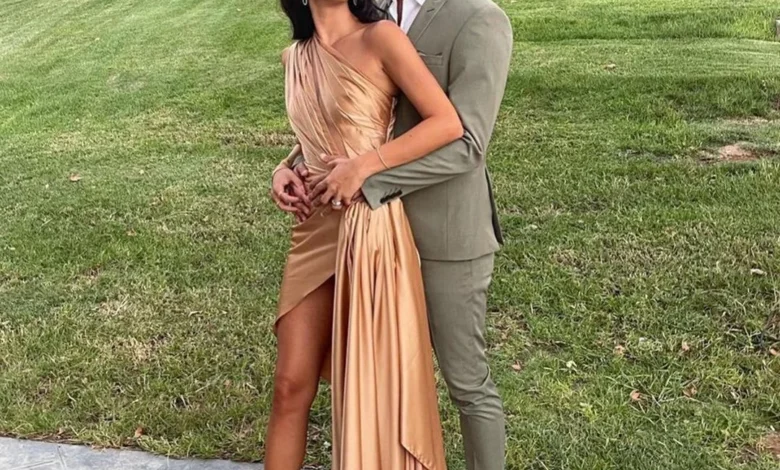
The global wedding industry has undergone a significant transformation heading into 2026, with guest fashion emerging as a primary focus for both retailers and attendees. As wedding celebrations become increasingly personalized and multi-day events become the standard, the demand for versatile, high-quality wedding guest attire has reached an all-time high. Market analysis suggests that the average wedding guest now spends between $200 and $600 on attire and accessories per event, reflecting a shift toward intentional fashion choices that balance tradition with contemporary trends. This comprehensive guide examines the evolving landscape of wedding guest fashion, providing a deep dive into seasonal requirements, dress code nuances, and strategic styling for the modern era.
The Seasonal Paradigm: Navigating Climate and Aesthetics
Fashion experts and wedding planners agree that the calendar remains the most influential factor in selecting a guest outfit. For 2026, designers have leaned into seasonal color palettes that harmonize with the natural environment while utilizing textile technology to ensure comfort in varying temperatures.
Winter Elegance: Texture and Warmth
Winter weddings in 2026 are defined by a "maximalist luxury" aesthetic. The primary challenge for guests is maintaining a sophisticated silhouette while combating freezing temperatures. The trend for the upcoming winter season emphasizes heavy-weight fabrics such as velvet, thick satin, and brocade.
Trends and Analysis: Long-sleeved gowns have seen a 40% increase in search volume, indicating a preference for practical elegance. High necklines and midi-to-maxi lengths dominate the market. Jewel tones—specifically emerald green, deep burgundy, and sapphire blue—remain the standard, though muted metallics are gaining traction for New Year’s Eve celebrations.
Expert Tip: To avoid the common mistake of choosing fabrics that are too thin, guests are encouraged to layer with faux fur wraps or tailored statement coats. These accessories are no longer viewed as mere outerwear but as integral components of the ensemble.
Spring Revival: Soft Textures and Florals
As the most popular season for nuptials, spring 2026 wedding guest fashion focuses on "romantic etherealism." This involves a departure from the heavy textures of winter in favor of light, airy materials.
Trends and Analysis: Floral prints continue to be a staple, but the 2026 iterations feature larger, more abstract botanical patterns rather than traditional "ditsy" prints. Pastel shades—lilac, sage green, and butter yellow—are the primary palette. Design elements such as ruffles, puff sleeves, and subtle lace detailing are frequently utilized to enhance the feminine aesthetic.
Expert Tip: Avoid "winter-heavy" fabrics like wool or dark velvets. Instead, opt for chiffon or silk blends that move with the spring breeze.
Summer Sophistication: Breathability and Vibrancy
Summer weddings, often held in outdoor or coastal venues, require a strategic approach to heat management. The 2026 summer guest collection prioritizes breathability without sacrificing the "polished" look required for a wedding.
Trends and Analysis: Bright, saturated colors—including electric blue, sunset orange, and fuchsia—are trending for 2026. Tiered skirts, off-the-shoulder necklines, and halter styles are the preferred silhouettes. Fabric choices have shifted toward linen-silk blends and lightweight crepe to prevent heat entrapment.
Expert Tip: Avoid restrictive, tight-fitting clothing. Loose-fitting maxi or midi dresses allow for better air circulation, which is essential for outdoor ceremonies.
Autumnal Transitions: Earth Tones and Layering
Fall fashion for 2026 reflects the "finicky" nature of the season’s weather. The aesthetic leans into the changing landscape, utilizing a palette of burnt orange, mustard yellow, and deep terracotta.
Trends and Analysis: Wrap dresses and slip dresses layered with light blazers are popular for their versatility. Muted metallics and gold-toned fabrics are also seeing a resurgence, offering a celebratory feel that complements the harvest season.
Expert Tip: Guests often make the mistake of wearing summer florals well into October. Transitioning to richer tones and heavier silks ensures the look remains appropriate for the time of year.
Decoding the 2026 Dress Code: From Casual to Black Tie
The "dress code" remains the most critical piece of information on a wedding invitation. However, as definitions blur, industry experts have provided updated guidelines for 2026 to help guests avoid being underdressed or inappropriately attired.
Black Tie and Formal Requirements
According to Emily Coyne, a renowned wedding planner and event designer, a "formal" dress code strikes a specific balance. While black tie traditionally demands floor-length gowns and tuxedos, "formal" or "black tie optional" allows for more flexibility.
For 2026, black tie guests are gravitating toward sleek, tailored silhouettes in luxurious materials like silk and velvet. While black was once considered a faux pas for weddings, it is now the leading choice for evening black-tie events, provided the styling remains festive rather than somber.
Semi-Formal and Cocktail Attire
The "cocktail" dress code is perhaps the most common for 2026 weddings. It allows for shorter hemlines, typically knee-length or midi. The trend for the upcoming year includes asymmetrical hems, vibrant patterns, and minimalist embellishments. Semi-formal attire is slightly more relaxed, often suitable for daytime or garden weddings where a dressy jumpsuit or a sophisticated skirt-and-top combination is appropriate.
Casual and Destination Weddings
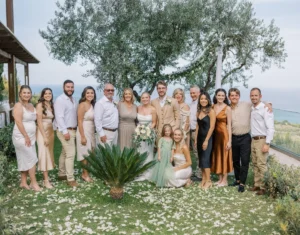
Casual does not mean "informal" in the context of a wedding. For backyard or beach ceremonies, guests are encouraged to wear simple, high-quality sundresses or linen sets. The 2026 trend for casual weddings focuses on "quiet luxury"—understated designs in premium natural fabrics.
Inclusivity and Specialized Fashion: Plus Size and Maternity
The 2026 fashion market has seen a significant expansion in inclusive sizing and "bump-friendly" designs. Retailers are moving away from separate "maternity" lines in favor of "bump-friendly" silhouettes—such as empire waists and high-stretch satins—that can be worn during and after pregnancy.
For plus-size guests, the focus has shifted toward structured elegance. A-line silhouettes and wrap dresses crafted from supportive, high-quality fabrics are designed to celebrate curves. The 2026 trend emphasizes that plus-size fashion should not be about "hiding" the body but about highlighting it through expert tailoring and bold color choices.
Strategic Styling: The Science of Silhouettes
Choosing a dress based on body type has become a standard practice for savvy wedding guests. Fashion consultants recommend the following for 2026:
- Hourglass Shapes: Emphasize the waist with wrap styles or belted midi dresses.
- Pear Shapes: Opt for A-line skirts that skim the hips and detailed necklines to draw the eye upward.
- Apple Shapes: Empire waists or shift dresses provide comfort while maintaining a chic profile.
- Petite Frames: High-low hemlines or vertical patterns help create the illusion of height.
Accessory Trends for 2026
Accessories are the "finishing touch" that can elevate a simple dress to event-ready status. The 2026 trend moves away from dainty jewelry toward "statement" pieces—chunky gold hoops, architectural clutches, and embellished headbands. Footwear is also seeing a shift; while stilettos remain the formal standard, block heels and sophisticated pointed-toe flats are becoming increasingly acceptable for outdoor and long-duration events.
Economic Implications and the Retail Landscape
The wedding guest attire market is a multi-billion dollar segment of the global fashion industry. In 2026, the rise of "rental fashion" platforms has provided guests with access to high-end designer gowns at a fraction of the retail price. This shift is driven by both economic considerations and a growing commitment to sustainability among younger demographics.
However, for those looking to purchase, the "average price ranges" for wedding guest dresses in 2026 are categorized as follows:
- Budget-Friendly ($75–$150): Available at major online retailers and fast-fashion outlets focusing on trendy, single-season wear.
- Mid-Range ($200–$450): Contemporary designers offering higher-quality fabrics and better longevity.
- Luxury ($500+): High-end boutiques and designer labels for black-tie and gala-style weddings.
Conclusion: The Etiquette of the Modern Guest
As fashion evolves, the core etiquette of wedding attendance remains constant. The primary objective for any guest is to honor the couple’s vision while feeling confident. The "no-white" rule remains strictly in effect for 2026, extending to off-white, cream, and very pale blushes that could photograph as white.
By understanding the intersection of seasonal trends, dress code requirements, and personal body type, guests can navigate the 2026 wedding season with ease. Whether it is a velvet gown for a winter cathedral ceremony or a breathable linen midi for a beachside exchange of vows, the perfect wedding guest look is one that balances respect for tradition with the exciting innovations of modern fashion.