Anglo American Selects Gareth Penny-Led Consortium as Preferred Bidder for De Beers with Sale Target Set for Late 2026

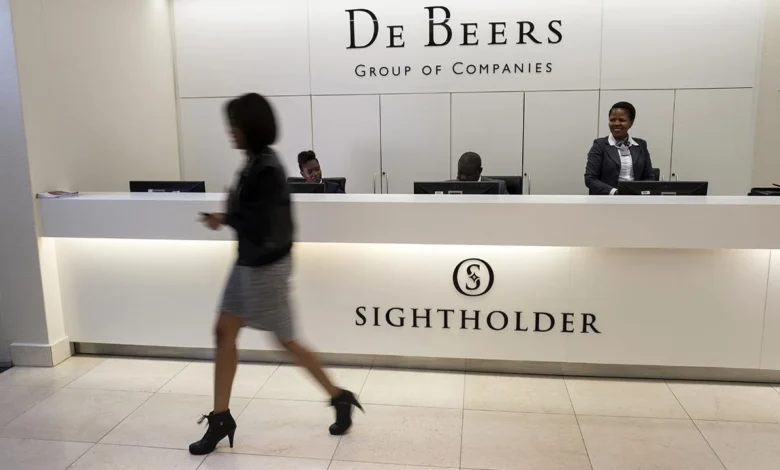
The government of Botswana has officially announced that Anglo American has identified a preferred bidder for its majority stake in De Beers, marking a pivotal milestone in the restructuring of one of the world’s most iconic mining enterprises. Moeti Mohwasa, Botswana’s minister for state president, defense, and security, confirmed on Thursday that a consortium led by former De Beers Chief Executive Officer Gareth Penny has emerged as the frontrunner to acquire the diamond giant. The group, known as the Global Diamond Consortium, was selected following a highly competitive bidding process that winnowed down a shortlist of three primary candidates.
The potential sale of De Beers represents a seismic shift in the global luxury and commodities landscape. Anglo American, which currently holds an 85% stake in the company, first signaled its intent to divest from the diamond business in May 2024. This decision was part of a broader strategic overhaul aimed at streamlining Anglo American’s operations to focus on copper, iron ore, and crop nutrients, particularly in the wake of a failed takeover attempt by the Australian mining group BHP. The selection of the Global Diamond Consortium suggests a preference for continuity and industry expertise, as Gareth Penny’s intimate knowledge of De Beers’ internal culture and the broader diamond pipeline provides a sense of stability during a period of significant market volatility.
The Strategic Pivot of Anglo American
The divestment of De Beers is the cornerstone of Anglo American’s radical transformation plan. For decades, De Beers was the crown jewel of the Anglo American portfolio, but shifting market dynamics have altered the value proposition of the diamond sector. In early 2024, Anglo American leadership determined that the diamond industry’s cyclicality and the specific challenges currently facing the sector—including the rise of lab-grown diamonds and a cooling Chinese economy—made De Beers a non-core asset for a company seeking to position itself as a leader in the green energy transition.
By offloading De Beers, Anglo American aims to unlock shareholder value and focus capital on high-growth commodities like copper, which is essential for electric vehicle infrastructure and renewable energy grids. The sale process has been watched closely by institutional investors and sovereign wealth funds, as the valuation of De Beers has fluctuated significantly over the past two years. Market analysts estimate the company’s value could range between $3 billion and $5 billion, a figure that reflects both its peerless brand heritage and the current headwinds facing the rough diamond market.
Botswana’s Decisive Role in the Transaction
While Anglo American owns the vast majority of De Beers, the Republic of Botswana is the company’s most critical partner. Botswana holds a 15% stake in De Beers and operates Debswana, a 50/50 joint venture that accounts for the lion’s share of De Beers’ annual diamond production. Consequently, no sale can proceed without the explicit approval and cooperation of the Gaborone government.
Minister Mohwasa emphasized that Botswana remains in a position of strength regarding the transition. Under the existing shareholder agreement, Botswana possesses preemption rights, which allow the country to match any offer for the 85% stake or to increase its own shareholding. Mohwasa stated that the government currently has "complete freedom to proceed either alongside the preferred bidder as a partner or to exercise its preemption rights alone or with a third party."
This flexibility is vital for Botswana, where diamond mining contributes roughly one-third of the national GDP and a significant portion of government revenue. The government is currently weighing its options to determine which structure—whether a partnership with the Penny-led consortium or a more direct state involvement—will best serve its long-term economic interests. The objective is to ensure that the "Diamond Pipeline," which includes exploration, mining, sorting, valuing, and marketing, remains robust and continues to support local employment and infrastructure development.
A Profile of the Preferred Bidder and Competitors
The emergence of the Global Diamond Consortium, headed by Gareth Penny, brings a "returning veteran" narrative to the sale. Penny served as the CEO of De Beers from 2006 to 2010, navigating the company through the global financial crisis. His leadership is seen as a vote of confidence in the long-term viability of natural diamonds. Penny is widely credited with modernizing De Beers’ marketing strategies and overseeing the relocation of the company’s sales operations from London to Gaborone, a move that fundamentally changed the industry’s geography.
The competition for De Beers was formidable. Other potential suitors identified during the process included Bruce Cleaver, another former De Beers CEO who led the company during its transition into the digital era. Other notable names mentioned in industry reports included Michael O’Keeffe, an Australian mining veteran with a track record of high-stakes acquisitions, and Indian billionaire Anil Agarwal of Vedanta Resources. Additionally, major Indian diamond manufacturing firms, such as the KGK Group and Kapu Gems, were rumored to be interested, reflecting the growing influence of the midstream sector in diamond valuations.
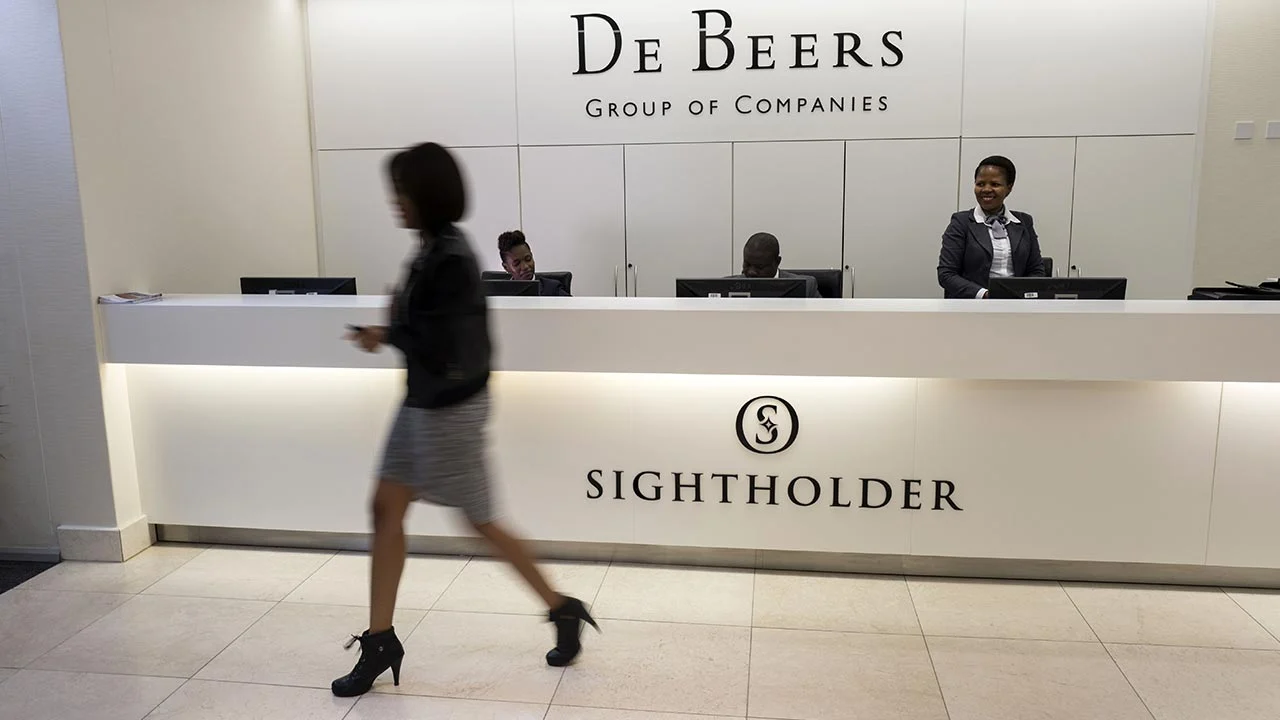
The selection of the Global Diamond Consortium suggests that Anglo American prioritized a buyer with a deep understanding of the unique "sight" system—the periodic sales events where De Beers sells rough stones to a select group of authorized buyers known as sightholders.
Market Context: Challenges and Opportunities
The sale of De Beers comes at a time of profound transformation for the diamond industry. Throughout 2023 and the first half of 2024, the sector faced a "perfect storm" of economic pressures. High interest rates in the United States, the world’s largest diamond consumer, dampened discretionary spending, while a slower-than-expected recovery in China led to a surplus of inventory at the retail level.
Furthermore, the rapid ascent of lab-grown diamonds (LGDs) has disrupted the lower-end engagement ring market. While natural diamond prices for larger, high-quality stones have remained relatively resilient, the prices for smaller, commercial-grade rough diamonds have seen double-digit declines. De Beers has responded to this by curbing production and reducing the frequency of its sights to allow the midstream—the cutters and polishers in India and Belgium—to clear excess stock.
Despite these challenges, the Global Diamond Consortium appears to be betting on a market recovery by late 2026. The rationale is built on the premise that the supply of natural diamonds is peaking, as few new major mines have been discovered in recent decades. As existing mines reach the end of their lifecycles, the scarcity of natural diamonds is expected to drive prices upward, particularly as De Beers continues to invest in "provenance" initiatives like the Tracr blockchain platform, which guarantees the ethical origin of its stones.
Timeline and Regulatory Hurdles
The government of Botswana expects the sale to be finalized by the fourth quarter of 2026. This extended timeline reflects the complexity of the transaction, which involves multi-jurisdictional regulatory approvals, environmental assessments, and intricate negotiations over mining licenses.
A critical component of the timeline is the implementation of the 2023 sales agreement between Botswana and De Beers. That landmark 10-year deal stipulates that Botswana’s state-owned diamond trading company, Okavango Diamond Company (ODC), will gradually increase its share of Debswana’s production from 25% to 50% by 2033. Any new owner of De Beers will be legally bound to uphold this agreement, which was designed to give Botswana more control over its natural resources.
The sale also requires the blessing of other regional partners. De Beers has significant operations in Namibia through Namdeb and in South Africa via the Venetia mine. Each of these nations has a vested interest in ensuring that a change in ownership does not disrupt local labor markets or social investment programs.
Analysis of Implications for the Diamond Industry
The transition of De Beers from a subsidiary of a diversified mining conglomerate to a company owned by a dedicated diamond consortium could herald a new era of "pure-play" diamond branding. Free from the competing capital requirements of Anglo American’s copper and iron ore divisions, De Beers may have more flexibility to reinvest its profits directly into consumer marketing.
Historically, De Beers was responsible for the "A Diamond is Forever" campaign, which established the cultural norm of diamond engagement rings. In recent years, industry observers have noted a decline in generic diamond marketing, leading to a loss of market share to other luxury categories like travel and electronics. A consortium led by industry veterans like Gareth Penny is expected to prioritize aggressive marketing to differentiate natural diamonds from their lab-grown counterparts, emphasizing rarity, value retention, and the positive socio-economic impact of mining in Africa.
Moreover, the sale could lead to a more transparent pricing model. As a private entity or a more focused public company, De Beers may shift away from the traditional, somewhat opaque sightholder system toward more market-driven auction mechanisms, a trend that has already begun to take hold through the Okavango Diamond Company’s operations.
Conclusion and Future Outlook
The announcement of the Global Diamond Consortium as the preferred bidder brings a degree of clarity to a process that has shadowed the diamond industry for over a year. While the 2026 completion date remains distant, the identification of Gareth Penny as the leader of the acquisition group provides a signal of continuity that is likely to be welcomed by sightholders and retailers alike.
For Botswana, the sale is more than a corporate transaction; it is a matter of national security and economic destiny. The government’s cautious but optimistic tone suggests that it sees the entry of the Global Diamond Consortium as an opportunity to modernize the industry while safeguarding the revenues that have funded the country’s development for half a century. As the world watches the final chapters of Anglo American’s stewardship of De Beers, the focus now shifts to the detailed negotiations that will define the next century of the diamond trade.