OnePlus Exits North America and Europe, Marking a Significant Shift in the Global Smartphone Landscape

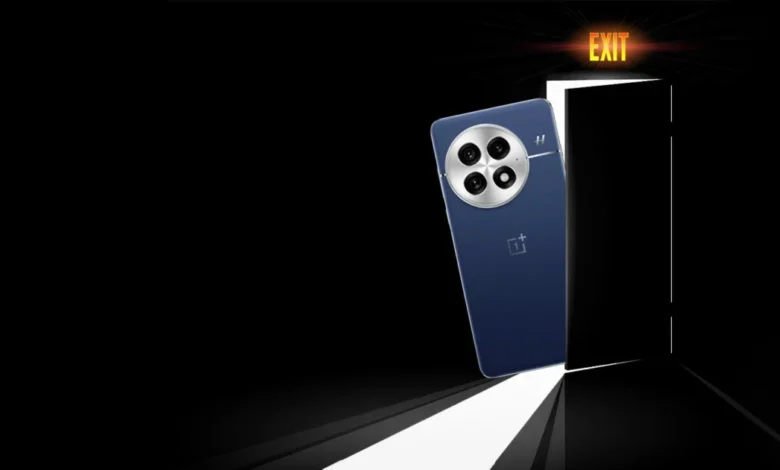
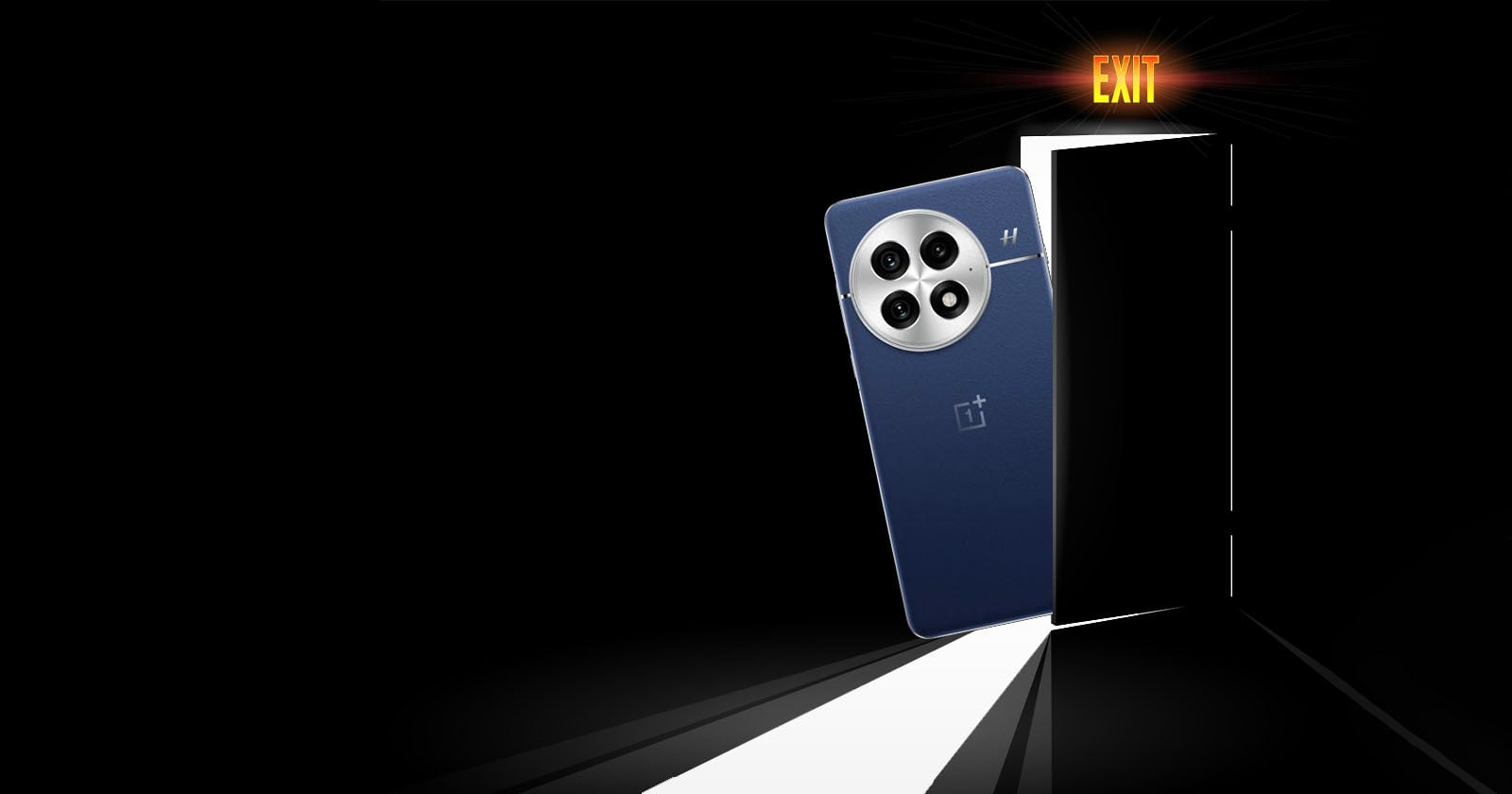
OnePlus has officially ceased its operations in North America and Europe, a move that signifies a considerable realignment for the brand and a notable loss for consumers in these major markets. Once lauded for its "flagship killer" ethos and commitment to innovation, OnePlus’s departure from these key regions raises questions about the future of the competitive smartphone landscape and the strategies of emerging brands in saturated markets. This strategic pivot, reportedly driven by its parent company Oppo, suggests a refocusing of resources and a potential shift in product strategy for the brand globally.
The decision to withdraw from North America and Europe, two of the world’s largest and most influential smartphone markets, is a stark indicator of the challenges faced by companies striving to establish a significant presence against entrenched giants like Apple and Samsung. While OnePlus will continue to operate in other regions, including its home market of China and India, its absence in the West marks the end of an era for many enthusiasts and consumers who embraced its distinctive approach to smartphone design and functionality.
The Genesis and Rise of OnePlus: A Disruptor’s Journey
Founded in December 2013 by Pete Lau and Carl Pei, OnePlus burst onto the scene with a clear mission: to offer high-end smartphone specifications and premium build quality at a more accessible price point than established competitors. The brand’s inaugural device, the OnePlus One, launched in 2014, disrupted the market with its powerful hardware and a unique invitation-only sales system. This strategy, designed to manage demand and create an air of exclusivity, proved effective in generating buzz and cultivating a dedicated following.
At the time of the OnePlus One’s release, the smartphone market was a vastly different landscape. Brands like HTC, Nokia, LG, BlackBerry, and Microsoft were still significant players, alongside contemporaries like Motorola, Sony, and Asus. OnePlus carved out a niche by consistently delivering devices that punched above their weight, often at prices that undercut flagship offerings from more established manufacturers. This approach resonated with a growing segment of tech-savvy consumers seeking value without compromising on performance or design.
The company’s early success was characterized by its "Never Settle" slogan, a mantra that encapsulated its ambition to constantly push boundaries and offer the best possible user experience. This philosophy was evident in its early adoption of features that later became industry standards, such as high refresh rate displays and rapid charging technologies.
Evolution and Strategic Integration: The Oppo Merger
A pivotal moment in OnePlus’s trajectory was its increasing integration with its sister company, Oppo, under the umbrella of BBK Electronics. While initially operating as distinct brands, the lines between OnePlus and Oppo began to blur, particularly in software development and market strategy. This convergence culminated in a more formal merger where Oppo became the dominant entity, leading to a consolidation of research and development resources and a shared software codebase.
This integration meant that both brands often offered premium flagship phones that shared underlying technology and software, even competing in the same markets. This strategic alignment allowed for greater operational efficiency and the pooling of resources, but it also raised questions about the future distinctiveness of each brand. For OnePlus, the merger signaled a potential shift in its core identity, moving from a pure disruptor to a more integrated part of a larger corporate structure.
The "Never Settle" Paradox and Market Realities
The decision to "Never Settle" for less has ironically led OnePlus to settle for a strategic withdrawal from lucrative Western markets. This move reflects a pragmatic assessment of the competitive realities in North America and Europe, where the market share of Apple and Samsung remains dominant, supported by deep-seated carrier partnerships and established consumer loyalties.
The absence of robust carrier support has been a persistent challenge for OnePlus in North America. Unlike in many Asian and European markets where consumers are more accustomed to purchasing phones outright, North American consumers often rely on carrier subsidies and financing plans to acquire new devices. OnePlus’s sporadic and limited partnerships with carriers like T-Mobile and Verizon in the U.S., and a complete lack of carrier presence in Canada, meant that consumers had to bear the full upfront cost of their devices. This presented a significant barrier, especially for more expensive flagship models.
Furthermore, the retail environment in North America, dominated by a few key brands, often overlooks or undersells alternative options. As observed in many carrier retail stores, sales staff tend to promote the most familiar brands—Apple, Samsung, and Google—often due to established relationships, training, and incentives. This creates a "wall of ignorance," as the article suggests, where innovative devices from brands like OnePlus struggle to gain visibility and consumer awareness. This entrenched market dynamic, characterized by a resistance to disruption, is a significant factor contributing to OnePlus’s decision.
Key Milestones and Innovations
Despite its eventual exit from these markets, OnePlus has a rich history of innovation that has undeniably influenced the broader smartphone industry.
- Early Flagship Killers (2014-2018): Devices like the OnePlus One, OnePlus 2, and OnePlus 3 established the brand’s reputation for offering top-tier specifications, often with unique design elements, at competitive prices.
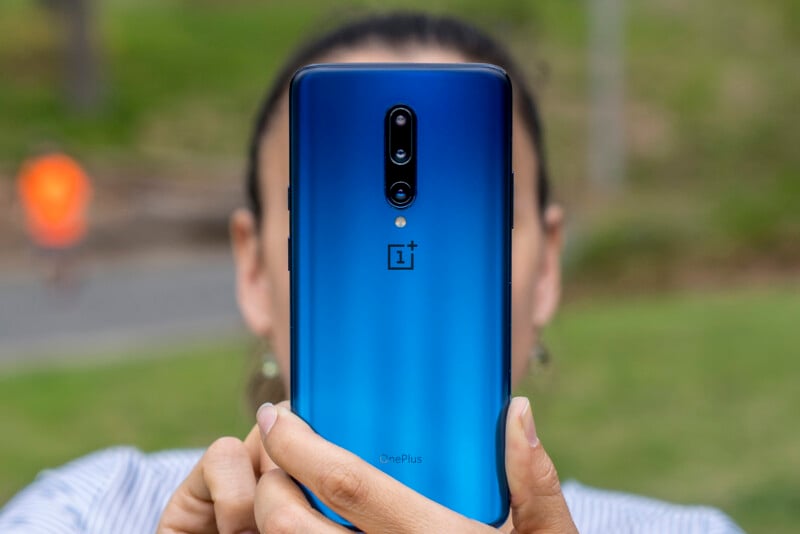
- The Flagship Leap (2019): The OnePlus 7 Pro, released in 2019, is widely considered the company’s first true flagship. This device marked a significant step up in design, camera performance, and overall premium feel. Its review highlighted its potential as a worthy competitor, particularly for its attention to camera capabilities, a feature that would become increasingly central to OnePlus’s strategy.
- Hasselblad Partnership (2021): In 2021, OnePlus announced a three-year partnership with the renowned Swedish camera manufacturer Hasselblad. This collaboration aimed to elevate OnePlus’s mobile photography prowess through Hasselblad’s expertise in color science and imaging technology. While Hasselblad did not manufacture the lenses themselves, their involvement in software processing and color tuning significantly enhanced the camera output of devices like the OnePlus 9 series. This partnership signaled OnePlus’s serious intent to compete in the high-end camera segment.
- Pioneering Display Technology: OnePlus was among the first manufacturers to widely adopt high refresh rate displays, introducing 90Hz screens as standard in devices like the OnePlus 7 Pro. This innovation contributed to smoother scrolling and a more fluid user experience, a feature that has since become a benchmark for premium smartphones.
- Fast Charging Leadership: The brand consistently pushed the boundaries of charging speeds. OnePlus’s proprietary Warp Charge (later SuperVOOC) technology offered significantly faster charging times compared to competitors, reducing the reliance on extended charging periods. The inclusion of a wall charger in the box, a practice that many other manufacturers abandoned, further underscored this commitment.
- Innovative Camera Hardware: The OnePlus 7 Pro also featured a unique motorized pop-up front-facing camera. While this design element did not persist in subsequent models, it showcased OnePlus’s willingness to experiment with unconventional hardware solutions to achieve a truly notch-less display.
- Android’s Best Overlay? OxygenOS, OnePlus’s customized version of Android, has long been praised for its clean interface, smooth performance, and user-centric features. Many users and reviewers considered it one of the best Android overlays available, striking a balance between functionality and a near-stock Android experience, often preferred over more heavily skinned alternatives.
- Foldable Entry: The OnePlus Open, the company’s debut foldable smartphone, launched in late 2023, further demonstrated its ambition to compete in emerging form factors. Reviews indicated that the device offered a compelling package, particularly in its camera capabilities, holding its own against established foldable players.
Shifting Priorities and the Hasselblad Omission
A subtle but significant indicator of internal shifts occurred with the launch of the OnePlus 15. Notably absent from the marketing and technical specifications was the Hasselblad partnership, which had been a key selling point for previous flagship models. This omission, occurring just ten months after the highly publicized OnePlus 13 launch, fueled speculation about the future of the collaboration and the evolving strategy of Oppo.
While the OnePlus 15 still delivered competent photography, the decoupling from Hasselblad suggested a strategic decision to further differentiate Oppo and OnePlus, or perhaps to reallocate resources. This move, coupled with other emerging rumors, pointed towards an underlying existential crisis within the brand, impacting its market positioning and future product development.
Support and Continued Operations
OnePlus has stated that its exit from North America and Europe does not mean a complete abandonment of its existing customer base in these regions. The company has committed to providing ongoing software updates, security patches, and "applicable support" for current devices. Warranties are expected to remain valid, and the OnePlus support website will continue to operate for repairs.

However, the specifics of repair handling in North America, given Oppo’s limited presence, remain somewhat unclear. The company has indicated that current retail stock will be available until it sells out, suggesting a phased withdrawal rather than an abrupt departure.
For eligible devices, users may have the option to transition to Oppo’s ColorOS or revert to OxygenOS, though the long-term implications of choosing not to switch are not fully detailed. Older models not eligible for these software transitions will continue to receive maintenance updates, honoring the originally promised update cycles.
In Europe, the transition is expected to be smoother, with Oppo reportedly increasing its presence to fill the void left by OnePlus. Oppo is anticipated to expand its own product lineup and maintain a stronger foothold in regions like Central Europe and the Nordics.
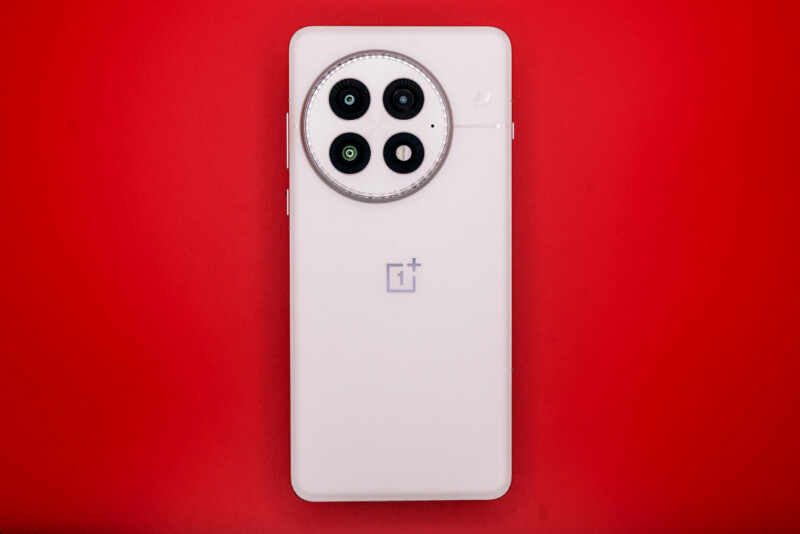
In China, operations remain unaffected, and the brand continues its activities. The recent launch of the OnePlus N6 in India suggests that the brand will maintain a presence in key Asian markets, though the future of flagship model releases in India remains uncertain.
The Broader Impact and Legacy
The departure of OnePlus from North America and Europe represents more than just the loss of a smartphone brand; it signifies a disruption in the competitive ecosystem. OnePlus, by consistently challenging established norms, has indirectly benefited consumers by driving innovation and pushing competitors to improve their offerings. Its role in popularizing high refresh rates, ultra-fast charging, and cleaner software interfaces has undeniably shaped user expectations and industry standards.
The brand’s legacy is one of disruption. It consistently pressured market leaders like Samsung, LG, HTC, and even Google to justify their premium pricing and to innovate in areas like camera performance and hardware features. The aggressive pricing, coupled with clean software and top-tier performance, redefined what an Android flagship could be.

As OnePlus shifts its focus, the smartphone market in North America and Europe will undoubtedly feel its absence. The competitive pressure it exerted, particularly on established players, may wane, potentially slowing the pace of innovation or the commoditization of advanced features. For consumers who appreciated OnePlus’s distinct approach, the search for a comparable alternative will continue. The "Never Settle" spirit, though no longer actively competing in these Western markets, leaves behind a legacy of pushing boundaries and challenging the status quo in the ever-evolving world of mobile technology.