Navigating the Intersection of Sustainable, Size-Inclusive, and Affordable Fashion: A Comprehensive Guide

The landscape of consumer fashion is undergoing a profound transformation, driven by a heightened awareness of environmental and social impact. As the sustainable fashion movement gains significant traction, a persistent challenge remains: finding brands that simultaneously cater to ethical production, offer a wide range of sizes, and remain accessible within a reasonable budget. This confluence of demands often presents a daunting task for consumers committed to aligning their purchasing decisions with their values. Independent rating platforms, such as Good On You, are playing a pivotal role in curating and assessing brands, providing a vital resource for navigating this complex market. Their rigorous evaluations help identify companies striving to bridge these critical gaps, making ethical shopping a more achievable reality for a broader demographic.
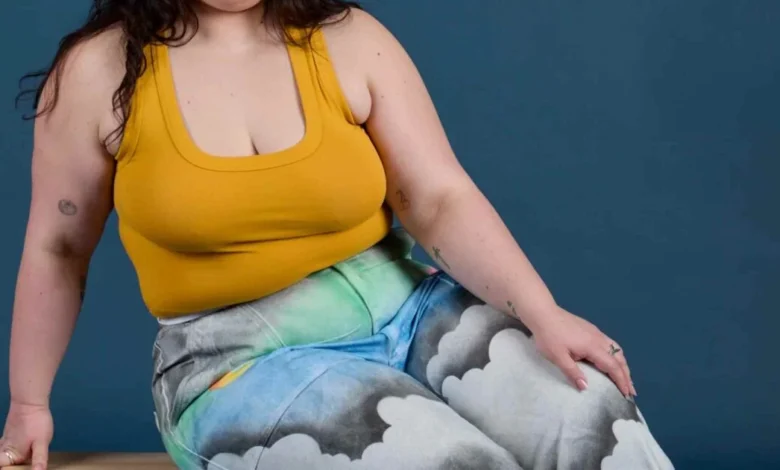
The evolution of sustainable fashion, while commendable in its growth, has not been without its systemic shortcomings. Despite an increasing number of brands adopting eco-friendly practices and ethical labor standards, the industry has struggled to integrate comprehensive size inclusivity across its offerings. Historically, the body-positive movement and ethical fashion advocacy, though sharing common ground in promoting human dignity, have often operated in parallel rather than in concert. This disconnect has resulted in a significant segment of the population—particularly plus-size shoppers—feeling marginalized and excluded from the ethical fashion conversation. Data from various market analyses consistently reveals that a substantial portion of consumers, estimated to be over 60% of women in some Western markets, wear sizes considered "plus-size," yet only a fraction of sustainable brands offer extended sizing beyond 2XL. This creates a supply-side bottleneck, forcing many to choose between ethical considerations and the fundamental need for clothing that fits. The limited availability is not merely an inconvenience; it represents a barrier to participation in a movement that espouses inclusivity and fairness. Designers and brands frequently face the difficult choice of prioritizing specialized production for niche sustainable materials or investing in the complex pattern-making and manufacturing processes required for a broader size range. This structural challenge highlights the need for a more integrated approach across the entire value chain.
Compounding the issue of size inclusivity is the perennial concern of affordability. Sustainable fashion often carries a higher price tag when compared to the notoriously low prices offered by fast fashion retailers. This disparity is not arbitrary; it reflects the true cost of responsible production. The price of an ethical garment encompasses a multitude of factors beyond the raw cost of fabric. It includes ensuring living wages for garment workers, investing in environmentally sound manufacturing processes, sourcing certified lower-impact materials, and maintaining transparent, audited supply chains. Fast fashion, conversely, often achieves its low prices by externalizing these costs, relying on exploitative labor practices, rapid production cycles, and cheap, often synthetic, materials with significant environmental footprints.
This economic model has, over decades, distorted consumer perceptions of clothing value. Consumers have become accustomed to disposable garments that are purchased frequently and discarded quickly. In this context, the initial investment required for a sustainable piece can seem prohibitive. However, proponents of ethical fashion advocate for the "cost per wear" rule as a more accurate measure of value. This principle encourages consumers to consider the longevity and frequency of use of an item. A higher-quality, durable ethical garment, though more expensive upfront, may cost significantly less per wear over its lifespan than multiple cheap, fast fashion alternatives that quickly wear out or fall out of favor. For instance, a £7.99 fast fashion t-shirt worn five times costs approximately £1.60 per wear, whereas a £30 ethical t-shirt worn 50 times costs £0.60 per wear. This long-term financial perspective, coupled with the environmental benefits of reduced consumption and waste, underscores the inherent value in investing in sustainable choices. Nonetheless, the reality remains that not everyone possesses ample disposable income for clothing, making the quest for ethical, size-inclusive, and affordable options particularly challenging. The objective is to ensure that everyone, regardless of their budget or body type, can access fashion that aligns with their personal values and style preferences.
Recognizing these significant barriers, organizations like Good On You have developed comprehensive rating systems to demystify the ethical fashion landscape. Their methodology involves a rigorous assessment of brands’ impact across three key pillars: people, the planet, and animals. Each brand is evaluated against numerous indicators, from labor rights and supply chain transparency to material choices and environmental policies. This data-driven approach allows Good On You to provide consumers with objective, actionable information, enabling them to make informed choices. Their editorial team actively curates lists of brands that excel in specific areas, such as size inclusivity and affordability, to directly address consumer needs. By tracking brands that are not only rated highly for their ethical practices but also offer extended sizing and more accessible price points, Good On You aims to democratize sustainable fashion. This commitment is underpinned by their editorial mission, where their independent research and recommendations are supported, in part, by commissions earned from purchases made through their links, ensuring the continuation of their vital work.
A growing number of pioneering brands are actively working to dismantle the barriers of size and affordability within sustainable fashion, demonstrating that ethical practices need not be exclusive. These brands are not just offering products; they are building business models centered on inclusivity and responsibility.
Yes Friends, a UK-based brand, exemplifies the pursuit of extreme affordability without compromising ethics. By leveraging large-scale production and a direct-to-consumer model, they offer organic, ethical t-shirts for as little as £7.99, dramatically undercutting traditional sustainable fashion prices. Their sizing, ranging from 2XS to 4XL, further reinforces their commitment to accessibility. Similarly, Q for Quinn focuses on essentials, providing organic, non-toxic, and eczema-friendly clothing for all ages, with sizing from XS to 3XL, at an accessible price point. Their emphasis on responsibly sourced materials ensures comfort and safety for sensitive skin, aligning health with sustainability.
Joyya stands out for its profound social mission. This New Zealand-based brand, founded in Kolkata, India, creates organic apparel not just for profit, but to generate good jobs and combat extreme poverty and human trafficking. Offering sizes XS to 4XL, Joyya demonstrates how fashion can be a powerful tool for social change, directly impacting communities through ethical employment. SeamsFriendly takes size inclusivity to an unparalleled level by offering custom sizing from 4XS to 16XL and beyond, at no extra cost, alongside various height options. This Indian brand prioritizes function and utility in its designs, utilizing lower-impact materials like organic cotton and linen, and allows customers to customize necklines, sleeve lengths, and fabrics, making truly bespoke ethical fashion accessible.
For those seeking sustainable activewear, brands like Purusha People and Miakoda are making strides. Purusha People offers organic, plant-based activewear with dainty details in sizes XS to 4XL, designed to support an active, conscious lifestyle. Miakoda, an NYC brand, provides organic, cozy active and loungewear, also in sizes XS to 4XL, focusing on comfort and stripped-back designs made from plant-based materials. Both brands demonstrate that performance and style can coexist with ethical production and broad sizing.
General lifestyle brands are also embracing these principles. Happy Earth Apparel, a US-based B Corp certified brand, offers vegan, organic clothing inspired by nature. They trace most of their supply chain and use lower-impact materials and low-waste cutting techniques, providing sizes XS to 3XL. Kotn, another B Corp certified brand from Canada, is deeply involved in community development, funding school infrastructure and teacher salaries in Nile Delta farming communities with every purchase. They offer beautifully made organic cotton garments in sizes XS to 2XL. PACT is passionate about transforming apparel production, ensuring all its clothing is sweatshop-free and child-labor-free. Their activewear, predominantly made from certified organic cotton, with over 50% also Fair Trade certified, comes in sizes XS to 2XL, making ethical basics widely available.
The often-overlooked category of underwear also has its ethical champions. Subset (formerly Knickey), operating from an NYC non-profit partnership, recycles old undergarments into insulation. Their organic cotton underwear sets are made in a Fairtrade certified factory and are available in sizes 2XS to 4XL, promoting circularity from the ground up.
For outdoor enthusiasts, Amble Outdoors (formerly Team Timbuktu) provides high-performance waterproof raincoats and sweat-wicking outdoor wear made from recycled plastic bottles in Australia. With sizing from XS to 4XL, they prove that technical gear can be both sustainable and inclusive. Smartwool, a Colorado-based brand, specializes in merino wool base layers and clothing, including their renowned ski socks, certified by ZQ Merino. They offer a size range of XS to 4X, catering to adventurers of various builds.
Finally, brands like Big Bud Press and Known Supply inject vibrant style and human-centric values into the market. LA-based Big Bud Press creates colorful, size-inclusive, unisex clothing (2XS to 6XL) that forms the basis of a fun, ethical wardrobe, tracing most of its supply chain. Known Supply, a US-based B Corp, humanizes the apparel industry by celebrating the makers behind their garments, which are available in sizes XS to 4XL. Etiko, an Australian designer of organic and Fair Trade clothing and shoes, sets a high bar for human rights advocacy within its supply chains, offering sizes 2XS to 3XL. Seek Collective, a US brand making items in India, is dedicated to transparency, craft, and sustainability, establishing connections between art, product, and makers, providing clothing from XS to 4XL. These brands collectively represent a significant step towards a more equitable and sustainable fashion ecosystem.
While the emergence of these conscientious brands is a crucial development, the most sustainable choice often lies beyond new purchases altogether. Embracing the circular economy through second-hand shopping remains a cornerstone of truly ethical consumption. Platforms such as Vestiaire Collective, eBay, thredUP, Thrift+, Depop, and Vinted offer vast marketplaces for pre-owned clothing, significantly extending the lifespan of garments and reducing the demand for new production. For plus-size consumers, specialized platforms like The Plus Bus Boutique are dedicated to providing inclusive second-hand options. Beyond acquiring pre-loved items, cultivating a mindful approach to one’s existing wardrobe is equally impactful. Rediscovering, restyling, repairing, and upcycling garments already owned minimizes consumption and waste, maximizing the utility and longevity of clothing. These practices, combined with strategic new purchases from ethical brands, form a holistic strategy for sustainable and inclusive fashion.
The ongoing challenges of size inclusivity and affordability within sustainable fashion underscore a broader industry imperative. For ethical fashion to transition from a niche market to a mainstream standard, it must genuinely embrace all consumers. The current landscape suggests a growing recognition of this necessity, with more brands investing in broader size ranges and transparent pricing models. This shift is not merely a matter of social justice but also a strategic business decision; brands that fail to adapt risk alienating a significant and increasingly vocal consumer base. The future likely holds increased innovation in sustainable materials that are cost-effective to produce at scale, coupled with advancements in manufacturing technologies that facilitate inclusive sizing. Furthermore, greater transparency across supply chains will empower consumers to make even more informed decisions, fostering a deeper connection between the wearer and the garment’s journey. The collective pressure from informed consumers, coupled with the commitment of pioneering brands and the guidance of platforms like Good On You, is steadily steering the fashion industry towards a more equitable, responsible, and universally accessible future.
Related posts: