Navigating Ethical Style: The Growing Demand for Affordable and Size-Inclusive Sustainable Fashion

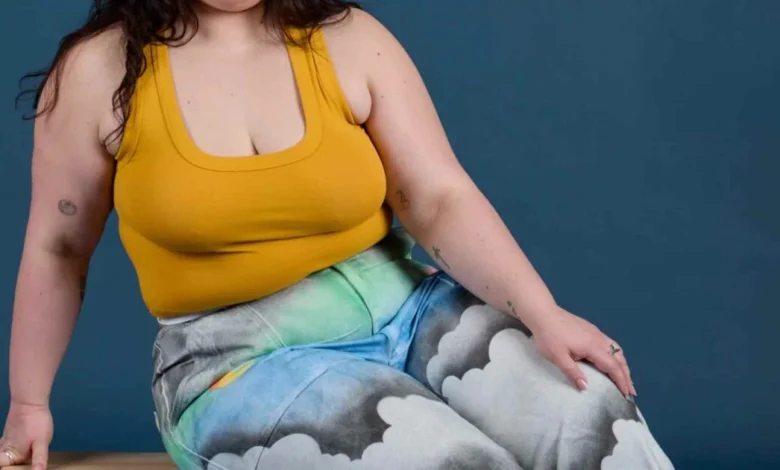
The global fashion industry is undergoing a significant transformation, driven by a dual consumer imperative: a heightened awareness of environmental and social impacts, coupled with an insistent demand for true size inclusivity. While the sustainable fashion movement has gained considerable traction, and the body positivity movement has reshaped perceptions of beauty and representation, the intersection of these two critical areas—affordable, size-inclusive, and sustainable clothing—has remained a persistent challenge for consumers. This article explores the complexities of this evolving landscape, highlights the barriers consumers face, and spotlights pioneering brands that are actively working to bridge this accessibility gap.
The Dual Imperative: Sustainability Meets Inclusivity
For years, the fashion industry operated with a largely homogenous ideal of beauty and a linear production model that prioritized speed and low cost over ethical and environmental considerations. However, the past decade has witnessed a powerful shift. Consumers are increasingly scrutinizing the origins of their clothing, demanding transparency, fair labor practices, and reduced ecological footprints. Reports from organizations like the United Nations Environment Programme (UNEP) and the Ellen MacArthur Foundation have shed light on the devastating environmental impact of fast fashion, including massive water consumption, chemical pollution, and textile waste. This has fueled the growth of the sustainable fashion movement, urging brands to adopt more responsible practices, from organic materials and closed-loop systems to fair wages and ethical manufacturing.
Parallel to this, the body positivity and size inclusivity movements have surged, advocating for diverse body shapes and sizes to be represented and catered to within mainstream fashion. For too long, the industry has marginalized larger body types, offering limited choices, unflattering designs, or relegating them to specialized, often poorly stocked, sections. The average size of women in many Western countries, for instance, often falls outside the traditional "standard" sizing offered by many brands, leading to widespread frustration and exclusion. While both sustainable fashion and size inclusivity represent progressive shifts, some critics have noted a historical failure for these movements to fully join forces, leaving a significant portion of the consumer base—those seeking both ethical and inclusive options—underserved.
The Accessibility Gap: Price and Size as Barriers
The journey towards a truly accessible and ethical fashion landscape is fraught with challenges, primarily centered around affordability and size availability. These two factors often act as formidable barriers, making it daunting for consumers to align their purchasing decisions with their values.
Affordability Challenges in Sustainable Fashion
Sustainable fashion, by its very nature, often comes with a higher upfront price tag compared to its fast fashion counterparts. This is not arbitrary; it reflects the true cost of production when ethical and environmental standards are upheld. Fast fashion’s "ridiculously low prices" are frequently subsidized by externalized costs—unpaid living wages to garment workers, environmentally damaging production processes, and the widespread use of cheap, synthetic materials. In contrast, sustainable brands typically incur higher expenses due to:
- Living Wages and Fair Labor: Ensuring workers throughout the supply chain receive fair compensation and work in safe conditions significantly increases labor costs. Many ethical brands work with certified Fair Trade factories or conduct rigorous audits to guarantee humane practices.
- Lower-Impact Materials: Organic cotton, recycled polyester, hemp, linen, and innovative bio-based materials are often more expensive to source and process than conventional cotton or virgin synthetics. These materials require less water, pesticides, or energy, but their production scale may be smaller, driving up unit costs.
- Responsible Manufacturing: Adopting eco-friendly dyeing processes, reducing water and energy consumption, managing waste, and avoiding harmful chemicals requires investment in specialized machinery and practices. Certifications like GOTS (Global Organic Textile Standard) or B Corp status also come with compliance costs.
- Smaller Production Runs: Many ethical brands operate on a smaller scale, producing fewer items to minimize waste. This limits economies of scale that fast fashion giants benefit from, where millions of units drive down per-item costs.
While the initial investment in sustainable clothing might seem higher, advocating for the "cost per wear" rule provides a more accurate financial perspective. This principle encourages consumers to divide the item’s price by the number of times they expect to wear it. A well-made, ethically produced garment, designed for durability and timeless style, may cost more initially but offers a significantly lower cost per wear over its lifespan compared to a cheap, disposable fast fashion item worn only a few times before falling apart. For example, a £80 organic cotton t-shirt worn 100 times costs £0.80 per wear, while a £8 fast fashion t-shirt worn 5 times costs £1.60 per wear. This long-term economic view aligns with sustainability by promoting conscious consumption and reducing textile waste. Consumer surveys indicate a growing understanding of this concept, with a 2023 report by McKinsey & Company showing that nearly 60% of consumers are willing to pay more for products that are durable and long-lasting.
Size Inclusivity Hurdles in the Fashion Industry
The issue of size inclusivity in sustainable fashion has been a particularly thorny one. For many years, the ethical fashion movement, while progressive in its core values, struggled to extend its offerings beyond a narrow range of conventional sizes, typically up to a US size 12 or 14 (XL). This often left plus-size shoppers feeling excluded from a conversation they were equally passionate about. The body positivity movement, which champions acceptance and appreciation of all body types, has strongly highlighted this disparity.
The reasons behind this exclusion are multifaceted:
- Pattern Grading Complexity: Scaling patterns up or down accurately across a wide range of sizes, especially for complex garments, requires specialized skills and more time, which can increase design and production costs. Simply enlarging a pattern linearly often results in ill-fitting clothing for different body proportions.
- Increased Material Costs: Larger sizes naturally require more fabric, leading to higher material costs per garment. For brands already operating on tighter margins due to ethical sourcing, this can be a significant factor.
- Perceived Market Risk: Historically, some brands have been hesitant to invest in extended sizing due to perceived lower demand or higher returns, although contemporary market data consistently refutes this. The global plus-size apparel market was valued at approximately $288.9 billion in 2022 and is projected to grow at a compound annual growth rate (CAGR) of 5.9% from 2023 to 2030, according to Grand View Research. This underscores a substantial, underserved market.
- Limited Production Partners: Smaller ethical brands may struggle to find manufacturers willing or able to produce garments across a very broad size range, particularly if they specialize in artisanal or niche production methods.
The combined effect of these factors means that finding ethical brands that offer both an inclusive size range and are budget-friendly can be exceptionally challenging. However, a new wave of brands, often supported by platforms like Good On You, are demonstrating that it is possible to prioritize people, planet, and diverse body types without compromising on accessibility.
Pioneering Solutions: Brands Bridging the Divide
Recognizing this critical need, the Good On You team has leveraged its rigorous ratings system to identify brands that are leading the way in offering more affordable and size-inclusive sustainable fashion. These brands represent a commitment to equitable access to ethical style, proving that values-driven shopping can be for everyone.
Yes Friends
Price: $
Sizing: 2XS – 4XL
This UK-based brand epitomizes affordability and ethics. Yes Friends designs sustainable, ethical, and accessible clothing, notably offering t-shirts for as little as £7.99. Their strategy leverages large-scale production and direct-to-consumer models, minimizing overheads to pass savings onto the customer. This approach challenges the notion that ethical fashion must be expensive, making quality basics widely available.
Q for Quinn
Price: $
Sizing: XS – 3XL
Q for Quinn focuses on sustainable, non-toxic, and eczema-friendly essentials for all ages. Their commitment to organic, responsibly sourced materials ensures comfort and safety, while their pricing makes ethical basics attainable for a broader audience. The brand’s dedication to health and environmental responsibility positions it as a thoughtful choice for everyday wear.
Joyya
Price: $
Sizing: XS – 4XL
Joyya stands out for its profound social mission. This brand crafts organic apparel with the aim of creating dignified jobs in communities in Kolkata, India. Founded on the principle of sparking opportunity to combat extreme poverty and human trafficking, Joyya demonstrates that fashion can be a powerful tool for social change. Their wide size range and accessible pricing further amplify their commitment to inclusivity.
SeamsFriendly
Price: $$
Sizing: 4XS – 16XL and beyond through custom sizing (at no extra cost), with height options
SeamsFriendly revolutionizes size inclusivity by offering an unparalleled range, including custom sizing at no extra charge. This brand crafts tailored clothes for all body types, emphasizing function and utility in designs made from lower-impact materials like organic cotton and linen. The ability for customers to customize neck styles, sleeve lengths, garment lengths, and fabrics directly addresses the diverse needs of individual bodies, pushing the boundaries of what "inclusive" truly means in fashion.
Purusha People
Price: $$
Sizing: XS – 4XL
For those seeking ethical activewear, Purusha People offers organic, plant-based pieces with dainty details. Their collection is designed to wick away sweat and maintain comfort during practice. By focusing on sustainable materials and a broad size range, Purusha People ensures that ethical fitness apparel is available to a wider demographic.
Miakoda
Price: $$
Sizing: XS – 4XL
NYC-based Miakoda caters to an organic, plant-based lifestyle with its cozy active and loungewear. Their designs feature stripped-back colors and focus on comfort, using organic materials. Miakoda’s commitment to a wide size range ensures that luxurious, ethical loungewear is accessible to more body types.
Happy Earth
Price: $$
Sizing: XS – 3XL
Happy Earth Apparel, a US organic-clothing brand, is B Corp certified and deeply committed to nature preservation. The brand is vegan, traces most of its supply chain, and employs lower-impact materials and low-waste cutting techniques. Their dedication to ethical practices combined with a good size range makes them a strong contender for conscious consumers.
Kotn
Price: $$
Sizing: XS – 2XL
Certified B Corp Kotn, based in Canada, is renowned for its beautifully made garments and profound social impact. Working with local NGOs in the Nile Delta, Kotn funds school infrastructure, materials, and teacher salaries, providing quality education to children in farming communities. Every purchase supports this mission, making ethical consumption a vehicle for community development.
PACT
Price: $$
Sizing: XS – 2XL
PACT is a brand driven by a passion for transforming apparel manufacturing. All its clothing is sweatshop-free and child-labor-free. Their activewear range, primarily made from certified organic cotton, is often Fair Trade certified, highlighting a strong commitment to both environmental and social responsibility.
Subset (Knickey)
Price: $$
Sizing: 2XS – 4XL
Formerly Knickey, Subset offers organic cotton underwear sets made in a Fairtrade certified factory. Beyond production, the brand actively promotes circularity by partnering with an NYC non-profit to recycle old undergarments, transforming fibers into insulation and rug pads. Their extensive sizing ensures that ethical and sustainable intimates are available to a broad spectrum of body shapes.
Amble Outdoors
Price: $$
Sizing: XS – 4XL
Amble Outdoors (formerly Team Timbuktu) provides high-performance waterproof raincoats and sweat-wicking outdoor wear. Made from recycled plastic bottles in Australia, the brand demonstrates innovative use of sustainable materials in functional apparel. Their wide size range ensures that adventurers of all body types can access ethical outdoor gear.
Smartwool
Price: $$
Sizing: XS – 4X
Smartwool, a Colorado-based outdoors brand, specializes in base layers and clothing made from ZQ Merino certified merino wool. Best known for its performance ski socks, Smartwool combines high-quality, sustainably sourced materials with practical design, offering durable and comfortable options for outdoor enthusiasts across a comprehensive size range.
Big Bud Press
Price: $$
Sizing: 2XS – 6XL
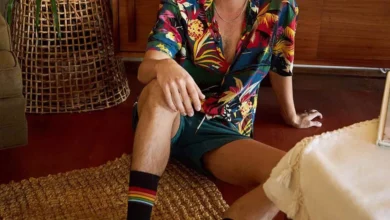
LA-based Big Bud Press is celebrated for its colorful, size-inclusive, and unisex clothing. The brand traces most of its supply chain and, while not explicitly vegan, avoids animal-derived materials. Their commitment to a broad size range and vibrant aesthetic makes them a cornerstone for building a diverse and ethical wardrobe.
Known Supply
Price: $$
Sizing: XS – 4XL
Known Supply is a US-based, B Corp certified sustainable fashion brand that aims to humanize the apparel industry. They celebrate the individuals who make and wear their clothing, fostering connection and transparency. Their ethical approach, combined with a good size range, contributes to a more conscious and inclusive fashion ecosystem.
Etiko
Price: $$
Sizing: 2XS – 3XL
Australian designer Etiko sets a high bar for organic and Fair Trade clothing and shoes. The brand is a staunch advocate for the human rights of workers in traditionally exploitative supply chains. Their long-standing commitment to ethical practices and inclusive sizing makes them a pioneer in truly responsible fashion.
Seek Collective
Price: $$$
Sizing: XS – 4XL
Seek Collective, a US brand, offers thoughtfully made items with a dedication to transparency, authenticity, craft, and sustainability. Their items are produced in India through partnerships with like-minded communities, focusing on establishing connections between art, product, consumers, process, and makers. Their expanded sizing reflects a broader commitment to accessibility within their artisanal approach.
The Role of the Second-Hand Market
While new ethical brands are vital, it is crucial to reiterate that buying second-hand remains almost always the most sustainable option. Extending the life cycle of existing garments dramatically reduces demand for new production, conserving resources and minimizing waste. Platforms such as Vestiaire Collective, eBay, thredUP, Thrift+, Depop, Vinted, and The Plus Bus Boutique offer fantastic avenues for finding pre-loved items, including a vast array of sizes and styles that align with both budget and ethical considerations. These platforms empower consumers to engage in a circular economy, making sustainable fashion accessible to everyone, regardless of budget or size.
Looking Ahead: The Future of Ethical and Inclusive Fashion
The emergence of brands dedicated to both affordability and size inclusivity within the sustainable fashion movement signals a positive shift. However, the journey is ongoing. The broader fashion industry must accelerate its efforts to integrate these principles, moving beyond token gestures to systemic change. This includes investing in research and development for sustainable materials, optimizing supply chains for transparency and fairness, and embracing diverse body types in design and marketing from the outset. Consumer demand remains a powerful catalyst; by actively seeking out and supporting brands that align with these values, shoppers can continue to drive the industry towards a more equitable, ethical, and inclusive future. The goal is not merely to provide options, but to normalize a fashion landscape where everyone can express their style confidently, knowing their choices contribute to a better world for all.
Editor’s note: Feature Image via Big Bud Press, all other images via brands mentioned. Good On You publishes the world’s most comprehensive ratings of fashion brands’ impact on people, the planet, and animals. Use our directory to search thousands of rated brands.
We updated this article on 9 July 2026. Our editors frequently make updates to articles to ensure they’re up to date. We refreshed our selection of products to ensure we’ve got top picks from brands with recent ratings.