Kelli Donovan Champions Ethical Fashion, Drawing Inspiration from Australian Nature and Ancestral Craft

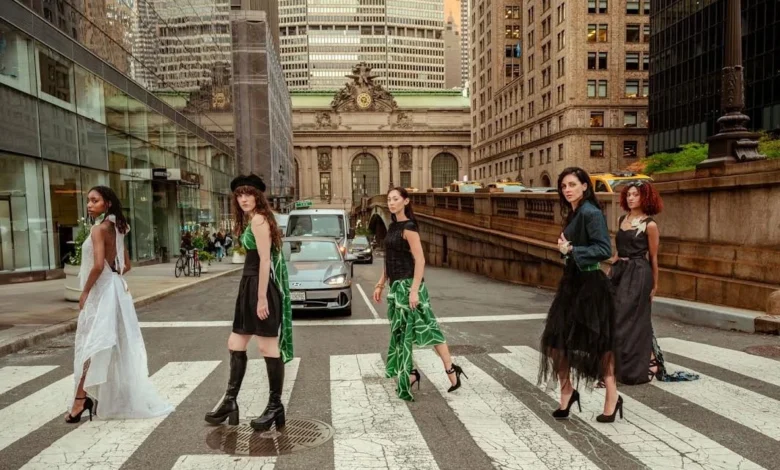
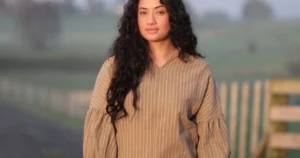
Australian designer Kelli Donovan has emerged as a formidable voice in the global movement towards ethical and sustainable fashion, meticulously crafting timeless designs that stand in stark contrast to the industry’s pervasive culture of disposability. With a career spanning three decades, Donovan’s journey from the serene landscapes of rural Australia to the forefront of conscious design is a testament to her unwavering commitment to environmental stewardship and artisanal integrity. Her brand, built on the pillars of high-quality, sustainable materials and ethical production, reflects a deeply personal philosophy shaped by her upbringing and the enduring legacy of her family.
The Genesis of a Sustainable Vision
Kelli Donovan’s formative years in the Australian countryside, particularly Canberra, the nation’s "bush capital," instilled in her a profound connection to the natural world. Surrounded by majestic mountains, expansive bush landscapes, and a vibrant outdoor culture, she developed an aesthetic and a passion rooted in the unique beauty of the Australian environment. This intimate relationship with nature became the bedrock of her design philosophy. "Growing up in the bush capital of Australia, Canberra, gave me a close connection to our natural environment," Donovan reflects. "Canberra is a small, sunny city surrounded by beautiful mountains, bush landscapes close to everyone’s doorstep and walking trails everywhere. We have a strong culture here with outdoor activities and sports." This immersion in nature, coupled with a childhood spent bushwalking and camping, fostered an early appreciation for the intricate balance of ecosystems, an awareness that would later define her professional trajectory.
Her artistic sensibility was further nurtured by a creative and artistic family, who encouraged her to perceive and interpret the beauty in her surroundings, particularly in nature. This upbringing laid the groundwork for a career dedicated not just to fashion, but to fashion with a purpose, driven by a desire to protect the very environments that inspired her. The contrast between the natural beauty she cherished and the often-destructive practices of the conventional fashion industry spurred her to forge an alternative path.
Ancestral Craftsmanship and Enduring Values
A pivotal influence on Donovan’s philosophy was her grandmother, Annie Muir, a Scottish tailor from Glasgow. Though Annie passed away when Kelli was only eleven, her grandmother’s dedication to craftsmanship left an indelible mark. Annie Muir embodied an ethos where every stitch was meaningful, created with purpose, and executed with the finest materials. She famously advised against "wasting her time and skills on a piece of cheap cloth and making something beautiful," always insisting on the best textiles for her tailored pieces. This ancestral wisdom became a guiding principle for Kelli, emphasizing quality, longevity, and the intrinsic value of well-made garments. In an industry increasingly dominated by transient trends and planned obsolescence, this focus on enduring quality and purposeful creation stands as a radical act of resistance. Donovan often feels her grandmother’s spirit continues to guide her journey, reinforcing the importance of heritage and mindful creation.
Challenging the Status Quo: The Environmental Scourge of Fast Fashion
Donovan’s commitment to sustainability is a direct response to the alarming environmental footprint of the global fashion industry, particularly the rise of "fast fashion." Over the past few decades, the industry has transformed into a linear model of production, consumption, and disposal, leading to unprecedented levels of waste and pollution.
- Textile Waste: Globally, an estimated 92 million tons of textile waste are generated annually, with a truckload of textiles sent to landfill or incinerated every second. In Australia, consumers discard approximately 23 kg of clothing per person each year, with 85% of this ending up in landfills. This sheer volume overwhelms waste management systems and contributes to greenhouse gas emissions as materials decompose.
- Water Consumption: The production of textiles is incredibly water-intensive. It takes roughly 2,700 liters of water to produce a single cotton t-shirt—the amount an average person drinks in 2.5 years. The dyeing and finishing processes also contribute significantly to water pollution, with wastewater often discharged untreated into rivers and oceans, contaminating ecosystems and threatening human health.
- Carbon Footprint: The fashion industry is responsible for 8-10% of global greenhouse gas emissions, more than all international flights and maritime shipping combined. This includes emissions from raw material extraction, manufacturing, transportation, and even the end-of-life disposal of garments.
- Microplastic Pollution: The widespread use of synthetic fabrics like polyester, nylon, and acrylic in fast fashion garments is a major contributor to microplastic pollution. Each time these garments are washed, thousands of tiny plastic fibers are released into waterways, eventually making their way to oceans. These microplastics are ingested by marine life, entering the food chain and posing risks to biodiversity and potentially human health.
Donovan witnessed these unsustainable processes firsthand and was appalled by the disregard for environmental impact. Her brand was founded on the principle of offering an alternative, demonstrating that fashion can be both beautiful and responsible.
Crafting Timelessness: Design Philosophy and Practices
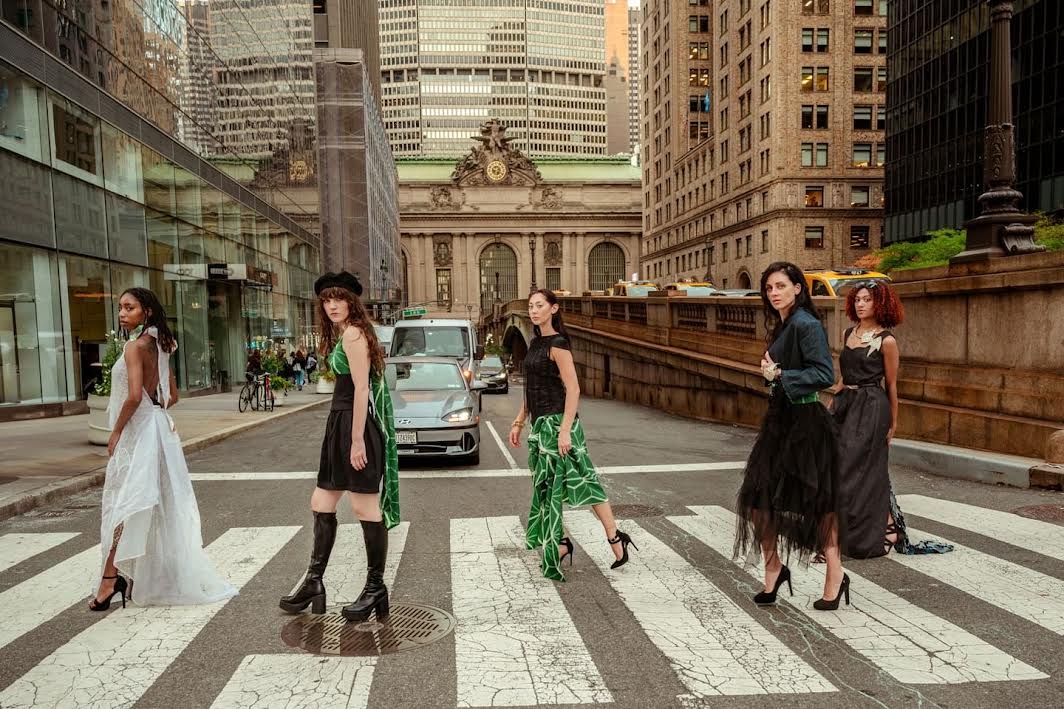
Kelli Donovan’s approach to design is antithetical to the fast fashion model. Instead of chasing fleeting trends, she focuses on creating timeless, chic designs intended for longevity. This philosophy is embedded in every stage of her production process:
- High-Quality, Sustainable Materials: Donovan prioritizes materials that are environmentally benign and durable. This includes organic cottons, linen, hemp, and innovative recycled fabrics, which minimize the demand for virgin resources and reduce the ecological footprint. The choice of material is crucial, as it dictates not only the garment’s impact during production but also its lifespan and recyclability.
- Ethical Production: Beyond materials, Donovan ensures that her supply chain adheres to ethical labor practices. This involves fair wages, safe working conditions, and transparency throughout the manufacturing process, rejecting the exploitative labor often associated with mass-produced clothing.
- Zero-Waste Design Principles: While not explicitly detailed in the original interview, a designer with Donovan’s ethos would likely incorporate zero-waste design techniques. This involves patterns that minimize fabric scraps, repurposing textile remnants, and designing for circularity, where garments can be easily repaired, recycled, or biodegraded at the end of their life. This contrasts sharply with the estimated 15% of fabric that is wasted during the cutting process in conventional garment manufacturing.
- Emphasis on Longevity: By creating classic styles and using robust materials, Donovan encourages consumers to invest in pieces that will last for years, reducing the need for frequent replacements and thereby lessening their individual environmental impact. This aligns with the "slow fashion" movement, which advocates for conscious consumption and appreciation for craftsmanship.
Collections as Statements: "Sleeping Beauties" and "Manta Ray"
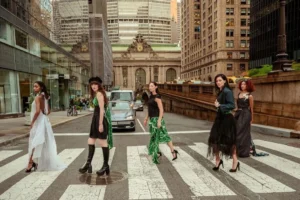
Donovan’s collections often serve as powerful statements, drawing attention to critical environmental and societal issues. Two notable examples are "Sleeping Beauties" and "Manta Ray."
-
"Sleeping Beauties": A Quiet Rebellion Against Oversupply
The collection "Sleeping Beauties" coincidentally shared its name with the 2024 Met Gala costume exhibit, "Sleeping Beauties: Reawakening Fashion," which focused on delicate historical garments too fragile to be worn but brought to life through technological displays. While the Met exhibit explored the ephemeral nature of fashion and the challenge of preserving textile heritage, Donovan’s inspiration stemmed from a purely environmental stance. Her "Sleeping Beauties" collection speaks "quietly – but strongly – about clothing production and oversupply."This collection serves as a poignant critique of the industry’s excessive output, where garments are produced in such vast quantities that many remain unsold, destined for landfill even before reaching a consumer. These "sleeping beauties" are clothes that never find a home, symbolizing the systemic waste inherent in current production models. Donovan’s collection, therefore, is a call for mindful production and consumption, urging both designers and consumers to consider the true cost of oversupply and to value each garment as a precious resource rather than a disposable commodity. It aligns with broader movements advocating for reduced consumption and extended garment lifespans.
-
"Manta Ray Collection": An Ode to Ocean Conservation
The "Manta Ray Collection" is a direct homage to ocean conservation and a stark warning against textile and plastic waste. Donovan was inspired by both the majestic giant manta rays found in Australian oceans and globally, and by the dedicated individuals working tirelessly to protect marine ecosystems.Manta rays, known for their gentle composure and plankton-eating habits, symbolize a harmonious existence with their environment. They do not harm their surroundings or other creatures, embodying a purity of interaction that Donovan contrasts with the destructive footprint of human activity, particularly fast fashion. Manta rays are classified as vulnerable or endangered, facing threats from entanglement in fishing gear, habitat degradation, and increasingly, ocean plastic pollution.
Donovan explicitly links the collection to the devastating impacts of ultra-fast fashion on marine environments. "Ultra fast fashion has created a massive issue in the impacts of ocean pollution with excess mass production, textile waste, polyesters and synthetics fabrics and landfill waste flowing into waterways and into oceans," she states. The synthetic fibers that shed from fast fashion garments during washing contribute significantly to the microplastic load in oceans, posing threats to marine life and potentially human health through the food chain. The "Manta Ray Collection" serves as an educational tool, designed to raise viewer awareness about these critical issues and empower individuals to make more conscious purchasing decisions, recognizing that even small choices in clothing can collectively make a significant difference.
Mentorship and the Future of Fashion
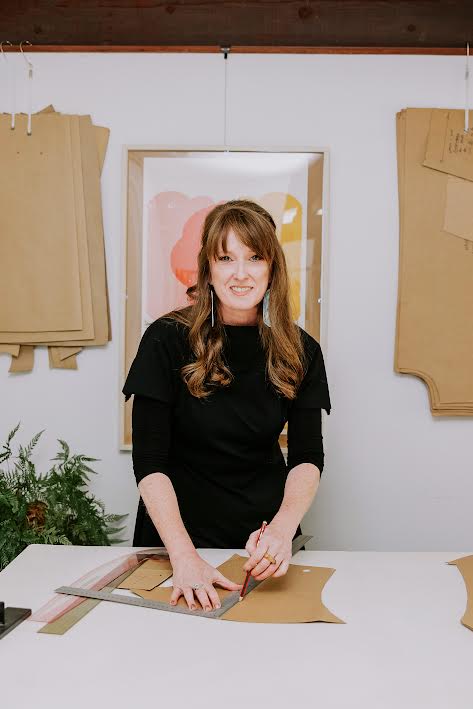
With 30 years of experience, Kelli Donovan is a pioneer in sustainable fashion, having navigated the industry through periods where sustainability was a fringe concept to its current status as a burgeoning trend. Her advice to young designers entering this evolving landscape is invaluable: "I would definitely say to them to give it their best shot and be as creative and inventive as they can in the early years. The more they learn to experiment with design, textiles and waste their design aesthetic will be stronger."
Donovan encourages aspiring designers to embrace experimentation, pushing boundaries with materials and waste reduction techniques. Crucially, she advises against blindly following trends, instead urging them to "find their unique super power." This mentorship emphasizes originality, ethical innovation, and the development of a distinct aesthetic rooted in personal values—qualities essential for truly transformative change in the industry.
The sustainable fashion market is experiencing significant growth. Reports indicate that the global ethical fashion market size was valued at USD 6.9 billion in 2022 and is projected to reach USD 22.8 billion by 2032, growing at a compound annual growth rate (CAGR) of 12.6%. This growth is driven by increasing consumer awareness, regulatory pressures, and the rising availability of eco-friendly materials and production methods. Young designers entering this space are not just following a trend; they are becoming architects of a necessary paradigm shift. Donovan’s counsel encourages them to be leaders in this transformation, leveraging creativity for positive impact.
The Broader Implications and Call to Action
Kelli Donovan’s work extends beyond mere clothing production; it is a powerful statement about conscious living and responsible consumption. Her career highlights the often-destructive consequences of thoughtless purchasing decisions on the environment and on human communities involved in production. By championing timeless design, high-quality materials, and ethical practices, she provides a compelling blueprint for how the fashion industry can evolve.
For consumers, Donovan’s approach underscores the importance of critical thinking about where money is spent. It encourages a shift from quantity to quality, from impulse buying to considered investment in garments that resonate with personal values and contribute to a healthier planet. This consumer empowerment is vital, as demand drives supply.
For aspiring designers and established labels alike, Donovan’s methodologies serve as a potent source of inspiration. Her example demonstrates that commercial success and ethical responsibility are not mutually exclusive but can, in fact, be mutually reinforcing. Adopting practices such as zero-waste design, utilizing sustainable materials, designing for longevity, and ensuring transparent, ethical supply chains are no longer optional but imperative for the future of fashion.
The journey toward a fully sustainable fashion industry is complex and multifaceted, requiring systemic changes across supply chains, policy frameworks, and consumer behaviors. However, pioneers like Kelli Donovan demonstrate that positive change is not only possible but already underway. Her dedication to blending artistic vision with environmental advocacy positions her as a crucial figure in this ongoing evolution. She is not merely designing clothes; she is crafting a future where fashion can truly be beautiful, inside and out, leaving a legacy of integrity for generations to come. The collective effort of designers, consumers, and policymakers, inspired by visionaries like Donovan, will ultimately determine the industry’s capacity to transition from a major polluter to a powerful force for good.