Luk Fook Reports Robust First-Quarter Sales Growth Driven by Gold Investment Demand Amid Changing Market Dynamics

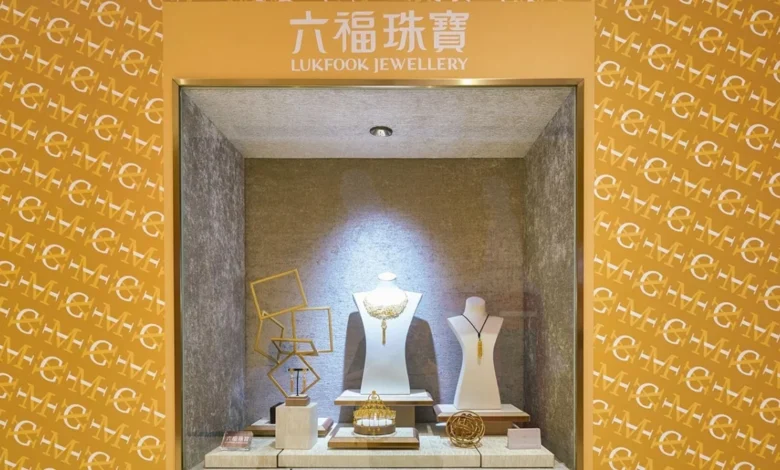
Hong Kong-listed jewelry giant Luk Fook Holdings (International) Limited has reported a significant surge in revenue for the first quarter of its 2024/25 fiscal year, ending June 30, 2024. The company’s performance was characterized by a sharp divergence in product demand, as soaring gold prices failed to deter investors while the appetite for diamond jewelry continued to wane. Total retail sales value, encompassing self-operated shops, licensed outlets, and e-commerce platforms, rose by 32% year-on-year, underscoring the resilience of the gold market in the face of macroeconomic uncertainty and fluctuating commodity prices.
The quarterly results highlight a tale of two markets. In Hong Kong and Macau, retail sales value skyrocketed by 41%, benefiting from a resurgence in tourism and a favorable price gap compared to mainland China. Meanwhile, the mainland Chinese market recorded a more modest but still substantial 22% increase in retail sales value. However, same-store sales—a key metric measuring performance at locations open for at least one year—painted a more nuanced picture of the regional landscape. While the group’s overall same-store sales grew by 39%, the Hong Kong and Macau markets led the way with a 41% jump, whereas mainland China saw a more tempered 16% increase in same-store sales at self-operated shops.
The Gold Phenomenon: Investment Demand Defies Record Prices
The primary engine of Luk Fook’s growth during the April-to-June period was the gold jewelry and products category. Despite the price of gold reaching historic highs during the quarter—driven by central bank purchases, geopolitical tensions, and expectations of interest rate cuts by the U.S. Federal Reserve—consumer demand remained exceptionally strong. Same-store sales for gold products spiked by 50% across the group. Regionally, this growth was most pronounced in Hong Kong and Macau, where sales of gold products rose by 55%, while the mainland market saw a 21% increase.
Luk Fook’s management noted that consumers have largely "adapted" to the high-price environment. Rather than viewing the expensive yellow metal as a deterrent, many buyers are increasingly treating gold as a safe-haven asset. In an era of volatile equity markets and a cooling real estate sector in China, gold has emerged as a preferred vehicle for wealth preservation. The company stated that the volatility of gold prices did not have a significant negative impact on sales volume, as the investment motive outweighed the increased cost of entry for many shoppers.
Furthermore, a specific shift in mainland Chinese tax policy has inadvertently boosted Luk Fook’s performance in its home base of Hong Kong. The implementation of a new gold value-added tax (VAT) policy on the mainland has widened the price differential between the mainland and the Special Administrative Regions (SARs). Because Hong Kong and Macau do not impose VAT or sales tax on jewelry, the effective price for gold products is now considerably lower in these cities. This has incentivized "cross-border consumption," with mainland tourists traveling to Hong Kong and Macau specifically to purchase gold bullion and jewelry, further fueling the 41% sales surge in those regions.
The Diamond Downturn: Shifting Preferences and Economic Headwinds
In stark contrast to the gold rush, the diamond segment faced a challenging quarter. Total same-store sales of diamond products fell by 17% year-on-year. The decline was particularly severe in mainland China, where same-store diamond sales plunged by 58%. In Hong Kong and Macau, the category fared slightly better but still recorded a 16% slip.
Several factors contribute to this downward trend in the diamond market. Analysts point to the rising popularity of lab-grown diamonds (LGDs), which offer a similar aesthetic at a fraction of the price of natural diamonds. While Luk Fook primarily deals in natural stones, the broader market shift toward LGDs has eroded the perceived scarcity and investment value of traditional diamond jewelry. Additionally, the "wedding market" in China—a traditional driver for diamond sales—has seen a slowdown as marriage rates in the country continue to hit record lows.
The economic climate in mainland China also plays a role. As middle-class consumers become more cautious with discretionary spending, the "emotional" purchase of a diamond is often deprioritized in favor of the "functional" investment of gold. Gold provides a liquidity and resale value that diamonds, which often carry high retail markups and lower secondary market demand, cannot match in the current economic environment.
Strategic Realignment: Store Network and International Footprint
During the first fiscal quarter, Luk Fook undertook a significant restructuring of its physical retail footprint. The group reported a net closure of 148 locations, primarily licensed shops in mainland China. This move is part of a broader strategy to optimize the retail network by closing underperforming outlets and focusing on high-traffic, high-conversion locations. As of June 30, 2024, Luk Fook’s global store count stood at 2,857.
Despite the consolidation in China, the jeweler is aggressively pursuing international expansion to diversify its revenue streams. During the three-month period, Luk Fook reentered the Singapore market with a new self-operated store, strategically located to capture both local demand and the influx of Chinese tourists in Southeast Asia. The company also expanded its presence in Vietnam with the launch of a new licensed shop.
Looking ahead, Luk Fook has set ambitious targets for its global operations. For the 2026/27 fiscal year, the group plans to enter two new countries and aims for a net increase of 30 overseas stores. This international push is designed to mitigate the risks associated with over-reliance on the mainland Chinese economy and to capitalize on the growing wealth in emerging markets across Asia and beyond.
Macroeconomic Context and Geopolitical Risks
The jeweler’s performance comes against a backdrop of significant macroeconomic headwinds. In mainland China, the property market crisis continues to weigh on consumer confidence, and while the central government has introduced stimulus measures to support capital markets and domestic consumption, the effects have yet to fully manifest in the retail sector.
Luk Fook’s leadership expressed a "cautiously optimistic" outlook regarding the mainland market. "Geopolitical risks remain elevated, and there are no clear signs of improvement in the mainland macroeconomic environment," the company noted in its quarterly statement. However, the group remains committed to the region, citing the long-term potential of the Chinese consumer and the government’s efforts to stimulate the economy. The company indicated it would continue to expand in the mainland "at appropriate junctures," suggesting a more selective and data-driven approach to new openings than in previous years.
Chronology of Key Events: Q1 Fiscal 2024/25
To understand the trajectory of Luk Fook’s recent performance, it is essential to look at the timeline of events that shaped the quarter:
- April 2024: Gold prices begin a steady climb, surpassing the $2,300 per ounce mark. Luk Fook reports strong early-quarter traffic in Hong Kong as the Easter holiday brings a wave of mainland tourists.
- May 2024: The impact of the mainland’s gold VAT policy becomes more apparent in retail data. The price gap between HK and the mainland encourages bulk purchases of gold ornaments and bars in Luk Fook’s Tsim Sha Tsui and Causeway Bay locations.
- June 2024: Gold hits new peaks, briefly touching $2,400 per ounce. Despite the high price, Luk Fook completes its reentry into Singapore, marking a milestone in its "Belt and Road" expansion strategy.
- Late June 2024: The company conducts a review of its mainland licensed network, resulting in the decision to shutter 148 underperforming points of sale to preserve margins and brand equity.
- July 2024: Luk Fook officially releases its Q1 results, confirming the 32% rise in total retail sales value and the diverging fortunes of gold and diamonds.
Analysis of Implications: A New Era for Jewelry Retail
The results from Luk Fook reflect a broader shift in the global jewelry industry. The transition from "adornment-led" consumption to "asset-led" consumption is a defining trend of the post-pandemic era. For Luk Fook, this means a necessary pivot in marketing and inventory management. The company must balance its heritage as a purveyor of fine jewelry with the current reality of being a primary destination for gold investors.
The decline in diamond sales is perhaps the most concerning trend for traditional jewelers. If the 58% drop in mainland China becomes a permanent fixture of the market, companies like Luk Fook may need to drastically rethink their bridal and high-jewelry offerings. This could involve integrating more lab-grown options to capture the budget-conscious demographic or doubling down on high-end, branded natural diamond collections that retain value better than generic stones.
Furthermore, the regional disparity in performance suggests that Hong Kong’s status as a "shopping paradise" is being revitalized, not by luxury handbags or electronics, but by the intrinsic value of gold. As long as the tax and currency advantages remain, Luk Fook’s Hong Kong and Macau operations are likely to outperform their mainland counterparts.
In conclusion, Luk Fook’s first-quarter performance demonstrates a remarkable ability to capture the prevailing winds of the economy. By leaning into the gold investment trend and streamlining its physical footprint, the group has managed to post impressive growth numbers despite a volatile global landscape. The success of its upcoming international expansion and its ability to stabilize the diamond segment will be the key factors to watch as the company moves further into the 2024/25 fiscal year.