Reflecting on a Season of Color: Gem Gossip Summer 2026 Recap and Industry Trends

The transition from the summer season to the academic calendar marks a significant period of reflection for retailers and consumers alike. As families in Nashville and across the United States navigate the complexities of the "back-to-school" shift, retail professionals are evaluating the performance of seasonal trends and inventory strategies that defined the warmer months. For the jewelry and artisan goods sector, the summer of 2026 was defined by a distinct pivot toward high-saturation color palettes and a renewed consumer interest in accessible, artisanal accessories.
The Rise of Color Analysis in Modern Fashion
A primary driver of 2026’s retail trends was the mainstream adoption of color analysis—a process by which individuals identify their "seasonal" color palette based on skin tone, eye color, and hair color. Data from social media trends and search engine analytics indicates that "color theory" and "seasonal color analysis" saw a 40% increase in interest during the first half of 2026. This shift has fundamentally changed how consumers approach jewelry purchases.
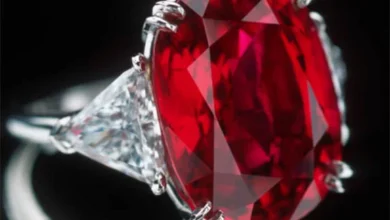
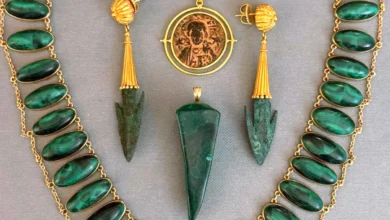
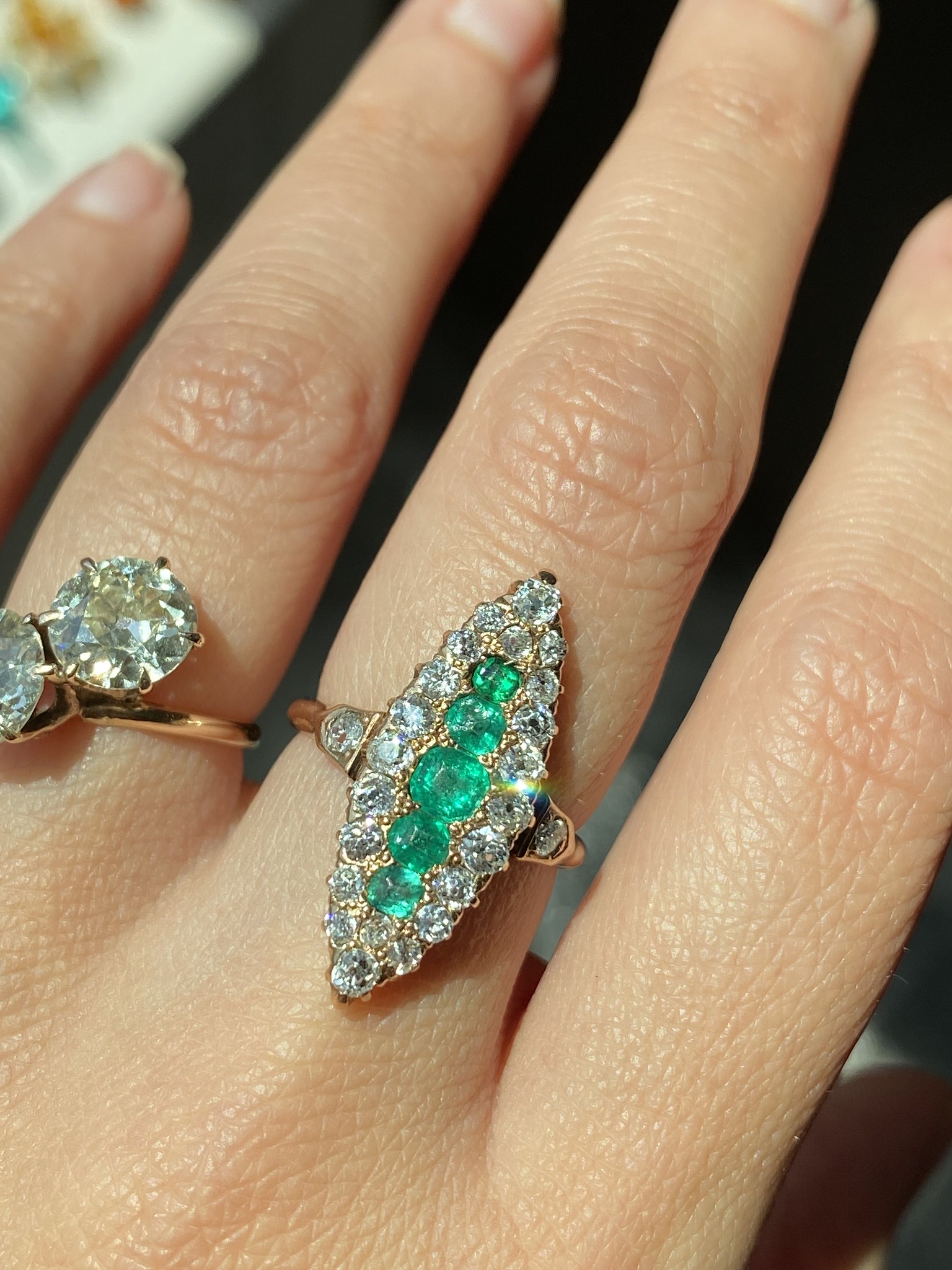
For many, the transition away from neutral, monochromatic, or black-heavy wardrobes toward "Bright Spring" and other vibrant palettes has fueled a surge in demand for gemstone jewelry featuring high-saturation hues. Retailers noted that customers are increasingly moving away from the "muted" tones that dominated the early 2020s—such as dusty rose quartz or salt-and-pepper diamonds—in favor of vivid turquoise, coral, and primary-colored stones. This psychological shift, often described as a desire for "crayon-box" saturation, aligns with a broader consumer push toward self-expression through chromatic choices.

Strategic Shifts in Artisan Production
The summer of 2026 also saw a notable trend toward the democratization of luxury jewelry. Industry experts note that while high-end jewelry remains a staple, there is a growing market for "entry-level" luxury items—pieces priced between $20 and $100 that offer the craftsmanship of fine jewelry without the prohibitive price tag.
One specific development in this space was the introduction of specialized glass beads designed to fit standard gold chains. Historically, the jewelry market has faced a design gap: high-quality glass beads often featured apertures too small for the thicker, durable gold chains preferred by modern collectors. By addressing this engineering hurdle, artisans have successfully bridged the gap between costume jewelry and fine gold accessories. This strategy has provided a lower barrier to entry for new collectors while simultaneously offering established jewelry enthusiasts a method to customize their existing neck stacks with minimal financial commitment.

Chronology of Summer 2026 Retail Initiatives
The retail timeline for this season followed a strategic rollout designed to maximize engagement:
- May 2026: Re-launch of legacy collaborative pieces, such as the "Seashell Key" series, tapping into the perennial summer demand for coastal and oceanic motifs.
- June 2026: Expansion of small-scale artisan partnerships, specifically focusing on glass-work sourced from regional workshops in Pennsylvania and international partners in Ukraine.
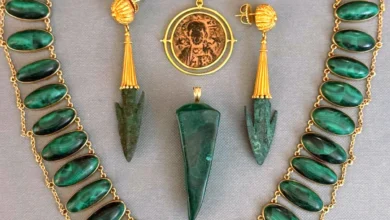
- July 2026: Integration of high-saturation gemstones and "organic" gold components, such as hand-hammered gold wafers, into core collections.
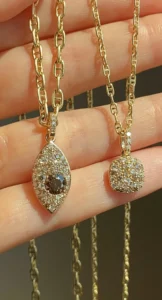
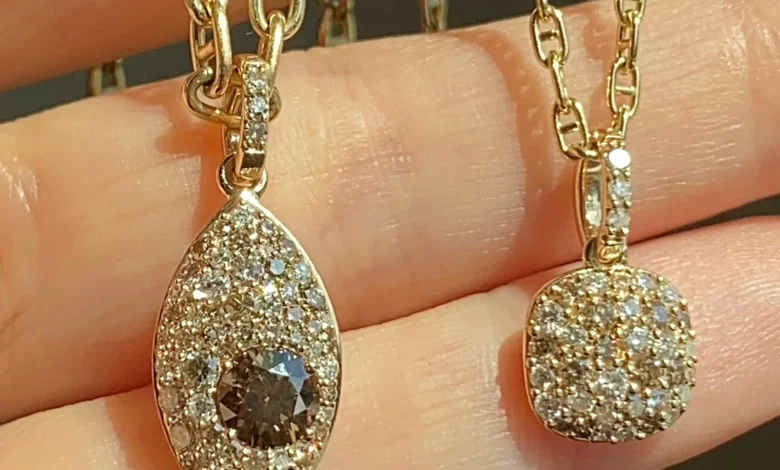
- August 2026: Introduction of ombre-toned brown diamond pendants, marking a shift toward subtle, earthy luxury as the retail market prepared for the autumn transition.
The Role of Niche Collectibles
Beyond traditional jewelry, the market for "miniature art"—such as glass-blown animal figurines—experienced a resurgence. Industry analysts suggest that this interest is tied to the "nostalgia economy," where consumers prioritize items that evoke a sense of childhood wonder or domestic comfort. The success of these items is largely attributed to the transparency of the supply chain, as consumers increasingly demand to know the origins of their goods, whether they are produced by domestic workshops or international artisans.

Operational Adjustments and Inventory Management
The internal operations of small-to-medium retail enterprises also faced significant challenges this summer. The logistics of managing "hidden" inventory—items stored in residential or secondary storage spaces—became a point of discussion for business owners. With extreme heat waves impacting regions like Tennessee, the environmental toll on stored goods prompted a shift in how businesses handle archival stock.
Professional organizing and the transition to climate-controlled, integrated storage systems have become more than just a domestic necessity; they are now a logistical imperative for businesses managing physical inventory. The reclamation of "childhood treasures" during these clean-out processes has, in some cases, inspired new design directions, as entrepreneurs look to their own histories to inform the aesthetics of their current collections.

Market Implications of "Imperfect" Design
A noteworthy departure from the mass-produced, machine-perfect aesthetic of the previous decade is the current consumer preference for "perfectly imperfect" craftsmanship. Hand-hammered gold wafers and organic, non-uniform gemstones are seeing higher conversion rates than their mass-manufactured counterparts. This shift reflects a broader societal movement toward authenticity. When a product is explicitly identified as handmade, the consumer often perceives a higher inherent value, even if the item exhibits minor, human-made variations.
Broader Economic and Industry Outlook
As the industry looks toward the final quarter of 2026, the data suggests that the "color-first" trend is not merely a passing phase but a recalibration of consumer preferences. Retailers who successfully integrated these vibrant palettes into their summer collections have reported higher engagement metrics and increased cross-selling opportunities.

Furthermore, the emphasis on collaboration—specifically the "designer-to-designer" model—has proven effective in maintaining market relevance. By bringing back successful collaborations from previous years while adding modern gemstone variations, retailers are effectively managing the balance between "timeless staples" and "new arrivals."
Conclusion: The Road Ahead
The summer of 2026 proved to be a period of significant adaptation for the jewelry and artisan goods industry. By prioritizing color, addressing technical design limitations, and leaning into the authenticity of handmade goods, businesses have been able to navigate a challenging economic climate. As schools reopen and the focus shifts to the upcoming holiday season, the strategies employed this summer—namely the focus on accessible luxury and personalized, color-coded fashion—provide a roadmap for sustainable growth in an increasingly crowded retail marketplace. The industry’s ability to remain agile, responsive to consumer feedback, and deeply connected to the artisan process remains the defining factor of success in this current retail landscape.