Vans’ Flagship Relocation to Milan’s Brera District Signals Strategic Shift and Community-Centric Retail Future

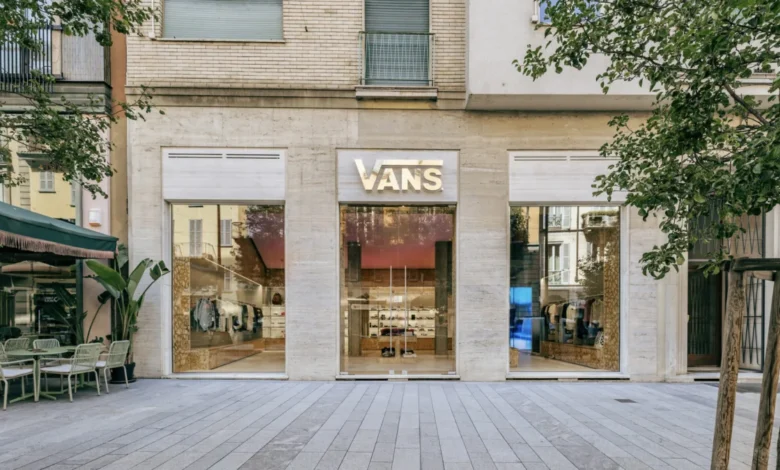
MILAN – In a significant strategic move that underscores the evolving landscape of luxury and streetwear retail, Vans, the iconic footwear brand rooted in West Coast skateboarding culture, has officially relocated its Milan flagship store to the vibrant Brera district. This relocation from its previous long-standing presence in the Navigli district to the bustling Corso Garibaldi marks a pivotal moment for the VF Corp.-owned brand, solidifying Brera’s reputation as a burgeoning hub for contemporary fashion and lifestyle brands. The new 1,291-square-foot, two-story establishment is designed not merely as a retail outlet but as a dynamic cultural platform, aligning with a broader industry trend towards experiential shopping and community engagement.
A Strategic Relocation to Brera
The decision to move to Brera is highly deliberate, reflecting a calculated response to shifting consumer behaviors and the district’s transformation into a nexus for streetwear aficionados. In recent years, Brera, traditionally celebrated for its artistic heritage, upscale boutiques, and charming cobblestone streets, has witnessed a notable influx of high-profile streetwear brands. Global giants like Supreme, Stüssy, and Salomon have established their presence here, effectively carving out a distinctive retail ecosystem that caters to a younger, fashion-forward demographic with a keen interest in street culture. This concentration of like-minded brands creates a synergistic environment, drawing target consumers who actively seek out curated shopping experiences that resonate with their lifestyle and values.
Vans’ former flagship, which had served the brand since 2008 in the Navigli district, primarily focused on traditional product display. While Navigli remains a popular area, its cultural resonance for the specific streetwear segment has been somewhat eclipsed by Brera’s accelerated development in this niche. The relocation to Corso Garibaldi positions Vans at the heart of this new cultural pulse, ensuring maximum visibility and relevance among its core audience. This move is also complementary to Vans’ existing dedicated space within Orefici 11, VF Corp.’s innovative multibrand concept store unveiled in 2020, suggesting a multi-pronged approach to market penetration and brand representation in Milan.
Andreas Olsson, Vice President and General Manager for Europe, Middle East, and Africa (EMEA) at Vans, articulated the strategic rationale behind the relocation. He emphasized that "Vans Brera is about expressing the brand in its full dimension…we wanted to create a space where we can fully connect with our community, showcase our point of view, and build a platform for experiences, not just access of product." Olsson further noted, "Brera represents a different expression of Milan, one that sits at the intersection of design, creativity and cultural influence, which aligns very naturally with where Vans is today. Corso Garibaldi is evolving into a destination for like-minded brands and communities, which makes it a highly relevant environment for us to be part of." This statement underscores a clear understanding of the cultural capital inherent in Brera and the desire to leverage it for deeper brand engagement.
Architectural Vision and Experiential Design
The new Vans flagship store, spanning two stories and 1,291 square feet, is a testament to contemporary retail design principles, expertly executed by the Milan-based architecture firm Andrea Caputo Studio. The design ethos follows Vans’ latest global retail blueprint, a concept that first debuted at the London West End flagship. This blueprint prioritizes creating immersive and aesthetically pleasing environments that reflect both the brand’s heritage and its forward-looking vision.
Imbued with distinct Milanese design elements, the store’s interior features a warm palette, incorporating sunset-inspired hues that evoke a sense of Californian heritage while harmonizing with the sophisticated Italian aesthetic. The modular layout is a key design feature, allowing for flexible rearrangements of displays and spaces to accommodate various activations and seasonal campaigns. This adaptability is crucial for a brand that aims to be dynamic and responsive to evolving trends and community needs.
The store’s functionality is thoughtfully divided across its two levels. The ground floor serves as the primary shopping area, showcasing Vans’ extensive core offering of footwear, apparel, and accessories. In a nod to exclusivity and local relevance, the Brera store also carries a selection of pieces exclusive to the location, including skate decks adorned with Milan-inspired graphics and motifs, offering unique collectibles that appeal to both local patrons and tourists. The mezzanine level is specifically designated for community events and activations, transforming the store into a vibrant hub for cultural exchange. This dedicated space for workshops, art exhibitions, music performances, and brand collaborations reinforces Vans’ commitment to fostering creativity and supporting local talent, moving beyond a purely transactional retail model.

Vans’ "Off the Wall" Ethos and Community Engagement
The relocation and the store’s design philosophy are deeply intertwined with Vans’ enduring "Off the Wall" ethos, a philosophy that champions self-expression, authenticity, and the rebellious spirit of youth culture. This new flagship is conceived as a physical manifestation of this ethos, providing a tangible space for the brand to connect with its diverse communities – skaters, artists, musicians, and fashion enthusiasts.
Olsson elaborated on this community-first approach, stating, "Vans Brera is designed as a platform for cultural exchange, not a traditional monobrand retail space. Our brand has always been about the people – our communities, the crews, the creators and artists who move our culture forward." This statement highlights a significant shift from conventional retail, where the focus is primarily on product sales, to a model that emphasizes experience, connection, and cultural contribution. By integrating community events and interactive spaces, Vans aims to cultivate a loyal following that feels a deeper connection to the brand beyond its products.
This strategy is particularly pertinent in an era where consumers, especially younger generations, seek brands that align with their values and offer authentic experiences. The mezzanine level, dedicated to events, serves as a crucial component of this strategy. It allows Vans to host local artists, musicians, and community groups, turning the store into a dynamic cultural venue. This not only drives foot traffic but also generates organic engagement and fosters a sense of belonging among patrons.
Local Collaborations and Curated Offerings
A distinctive feature of the new Brera flagship is its robust program of collaborations with local partner brands. This approach is in sync with the trend for highly curated shopping destinations that offer more than just a single brand’s merchandise. By partnering with local businesses, Vans is enriching its product offering and demonstrating a genuine commitment to integrating with Milan’s creative economy.
The store features a carefully selected array of products from various local partners, reflecting Milan’s diverse creative landscape. These collaborations include:
- Nove25: A prominent local jewelry label, adding an element of contemporary Milanese craftsmanship.
- Rhizome: A fragrance house, offering unique olfactory experiences that complement the store’s ambiance.
- Rough Trade: Providing a selection of vinyl records, catering to music enthusiasts and reinforcing the store’s cultural hub identity.
- Classic Paris: Offering a curated collection of books and magazines, appealing to intellectually curious consumers.
- Love N Skate: A local partner for skateboarding-related products and accessories, directly connecting with Vans’ heritage.
Olsson underscored the strategic importance of these collaborations: "By bringing in local partners…we are creating a more dynamic and authentic environment that reflects the creative energy of Milan…These collaborations allow us to stay connected to the local scene, add new layers of curation for our consumers, and create a platform for brands we think represent something interesting and share our ‘Off the Wall’ mindset." This network of partnerships not only diversifies the retail offering but also enhances the store’s authenticity and appeal, making it a destination for discovery rather than just purchase. It transforms the space into a microcosm of Milanese culture, filtered through the Vans lens.
Italy’s Pivotal Role in Vans’ EMEA Strategy
The opening of the Brera flagship store is a clear indicator of the paramount importance Italy holds within Vans’ broader business and strategic positioning across the EMEA region. Olsson explicitly stated, "It’s one of the most important markets in the region, both from a business and a cultural standpoint. It has a strong connection to fashion, design and youth culture, and cities like Milan play a key role in shaping broader trends across the region. Beyond its size, Italy is a market where the brand has real cultural relevance, which makes it strategically significant for our long-term growth."
Italy, and Milan in particular, serves as a crucial trendsetter in Europe, influencing fashion, design, and youth culture across the continent. For Vans, a brand deeply embedded in youth and subculture, having a strong, culturally relevant presence in such a market is indispensable for maintaining its brand equity and driving growth. The investment in a flagship of this caliber in Brera signals a long-term commitment to nurturing and expanding its cultural footprint in Italy and, by extension, across EMEA.

This strategic emphasis on Italy is part of a larger, overarching set of priorities for Vans in the EMEA region. Olsson outlined three core objectives:
- Building a healthy and scalable wholesale business: Ensuring that the brand’s direction is qualitatively represented across its wholesale channels.
- Evolving its Direct-to-Consumer (DTC) expression: The new Brera store is a prime example of this evolution, focusing on elevated retail experiences.
- Elevating and evolving the brand expression through reclaiming "Off the Wall": Reinforcing the brand’s unique positioning in the marketplace.
Regarding future expansion, Olsson clarified that the current focus is on "elevating the quality of our retail experience, rather than simply expanding footprint." This indicates a qualitative rather than purely quantitative growth strategy, with deliberate investments in key cities where opportunities for meaningful community connections are strongest. This nuanced approach suggests that future openings will be highly strategic, mirroring the thoughtful execution seen in Brera.
VF Corp’s Broader Vision and Vans’ Performance
The strategic decisions made for Vans in Milan are also situated within the broader context of its parent company, VF Corp., a global leader in branded lifestyle apparel, footwear, and accessories. Vans remains a particular area of focus for VF Corp. globally, despite recent financial challenges.
In fiscal year 2025, which ended March 28, Vans sales experienced an 11 percent decline in constant currencies, totaling $2.1 billion. This figure reflects a period of significant macroeconomic headwinds and internal restructuring within VF Corp. However, there are signs of improvement. Bracken Darrell, VF Corp.’s President and Chief Executive Officer, noted in May that the trendline for Vans was "getting better." For the fourth quarter of fiscal 2025, Vans’ constant currency sales were down 5 percent to $486.6 million, a less severe decline compared to earlier periods, indicating a potential stabilization and nascent recovery.
Overall, VF Corp. reported group revenues for fiscal 2025 up to $9.6 billion, from $9.5 billion in the previous fiscal year, with net profits totaling $254 million. The operating margin also expanded by 280 basis points to 6 percent. These figures suggest a gradual turnaround for the conglomerate, driven by strategic adjustments across its brand portfolio. The investment in a premium flagship for Vans in a critical market like Milan aligns with VF Corp.’s broader strategy to reinvigorate its key brands, enhance brand equity, and foster long-term sustainable growth. This involves not only optimizing supply chains and marketing efforts but also investing in distinctive retail experiences that differentiate brands in a competitive marketplace.
The Evolving Retail Landscape in Milan
Milan, as a global fashion capital, continually reinvents its retail landscape. The concentration of streetwear brands in Brera, now further cemented by Vans’ arrival, signifies a diversification of the city’s shopping identity beyond traditional luxury. This evolution reflects a global trend where high fashion and streetwear increasingly intersect, influencing each other and blurring conventional boundaries.
The move by Vans reinforces Brera’s emergence as a go-to destination for a specific type of consumer – one who appreciates design, quality, and brand narratives that extend beyond mere products. It also highlights the growing importance of "cultural districts" in urban planning and retail strategy, where brands cluster together to create a powerful, collective draw for target audiences. This clustering effect benefits all players, fostering a dynamic environment where consumers can explore multiple brands within a short proximity, enhancing the overall shopping experience.
The integration of community spaces and local collaborations within the new Vans store is indicative of a broader shift in retail. Stores are no longer just points of sale but experiential hubs designed to build deeper connections with consumers, foster brand loyalty, and create memorable moments. This trend, often referred to as "experiential retail," is particularly effective for brands like Vans that thrive on authenticity and subculture. By creating spaces where customers can interact, learn, and engage with the brand’s values, Vans is positioning itself for sustained relevance in an increasingly digital world. The Milanese market, with its inherent appreciation for design, culture, and social interaction, provides an ideal backdrop for this innovative retail model. The Brera flagship is poised to become not just a store, but a cultural landmark for Vans in one of the world’s most influential cities.