The 2026 Black Footwear Forum at Pensole Lewis College in Detroit Unites Fashion Icons to Confront Ownership, Community, and the Future of DEI

The Pensole Lewis College of Business and Design (PLC Detroit) recently played host to the highly anticipated 2026 Black Footwear Forum (BFF), bringing together a dynamic cross-section of global fashion executives, legendary cultural figures, and aspiring designers. Under this year’s guiding theme, Rooted in CommUNITY, the two-day summit served as a critical nexus for transparent dialogue regarding equity, authentic brand engagement, retail innovation, and the urgent necessity of generational wealth building within the footwear and apparel industries.
A Landmark Convergence of Culture, Sports, and Industry Leadership
The annual gathering, which has cemented its status as a premier event on the fashion and retail calendar, drew heavy hitters from major global athletic brands, independent streetwear labels, and media enterprises. The multi-day programming featured keynote conversations, intensive panel discussions, and mentorship sessions designed to bridge the gap between corporate boardrooms and grassroots creative ecosystems.
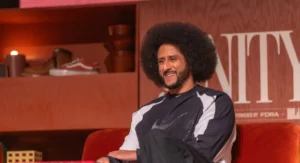
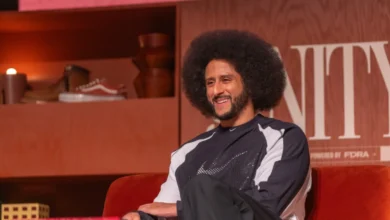
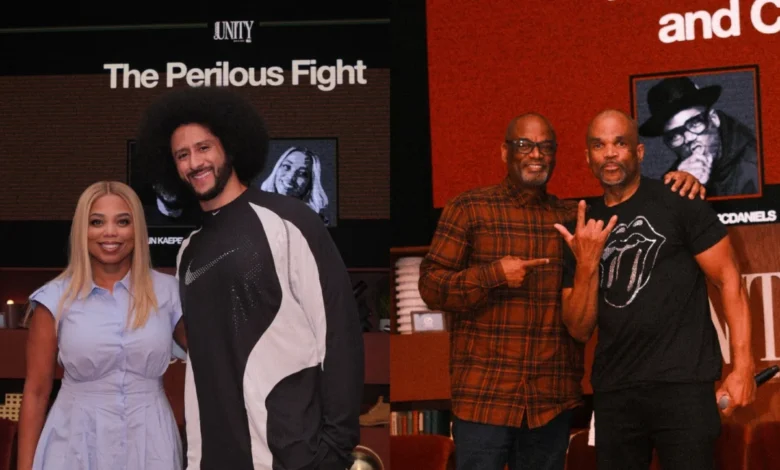
The summit reached its emotional and cultural crescendo during a headline-grabbing closing conversation featuring former NFL quarterback Colin Kaepernick and veteran journalist Jemele Hill. The panel doubled as the inaugural stop on the national book tour for Kaepernick’s highly anticipated literary work, The Perilous Fight. Marking nearly a decade since he first took a knee during the national anthem to protest systemic racial injustice and police brutality, Kaepernick used the platform to articulate a forward-looking vision centered on community mobilization and structural accountability.

Kaepernick did not shy away from addressing the enduring professional fallout from his activism, nor his ongoing aspirations to return to professional football.
"I don’t think anyone should ever have their career taken from them for fighting for us, first and foremost," Kaepernick told the rapt audience at PLC Detroit. Elaborating on the broader chilling effect of his exile from the league, he added, "Second, I know the message that the NFL was trying to send. They were trying to send very explicitly, ‘Hey, if you try to fight for Black folks, we’ll take your career from you.’ And that message has traveled."
Highlighting the psychological burden placed on younger generations of athletes, Kaepernick shared a sobering anecdote from one of his foundation’s Know Your Rights camps in Las Vegas. A young athlete approached him with a profound dilemma: whether to pursue a professional football career or advocate for his local community, operating under the false assumption that he could not do both. For Kaepernick, dismantling that manufactured binary remains a paramount professional and personal mission.
Redefining Retail: Beyond the Product to the Human Experience
While cultural critique set the tone, the business of retail and the operational mechanics of community investment formed the backbone of the forum’s commercial panels. A notable highlight included a deep-dive conversation between James Whitner, founder of the influential retail collective The Whitaker Group; Dominique Debnam, vice president of global footwear at Jordan Brand; and Dr. D’Wayne Edwards, president of PLC Detroit.

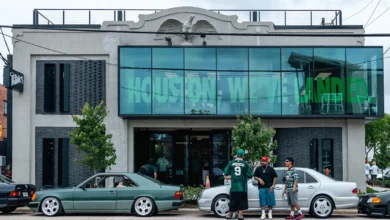
Debnam offered high praise for Whitner’s pioneering retail strategy, noting how banners like Social Status and A Ma Maniére have successfully penetrated markets historically ignored by mainstream corporate retailers. By deliberately anchoring store locations near Historically Black Colleges and Universities (HBCUs) and underserved cultural hubs, Whitner has established a blueprint for authentic geographic and cultural integration.
"One of the things that he’s had the courage to do is to go into communities where you kind of before didn’t see retailers," Debnam observed. "So I think what he’s taught not only us, but all brands is how do we go to where the consumer is, show up for them, and then also make sure that those retail destinations and those places are beautiful, that they expose the consumer to something new as well."
Expounding on this philosophy during a subsequent interview with footwear trade media, Whitner emphasized that contemporary consumer relationships depend far less on traditional product transactions and far more on immersive ecosystem building.
"The human experience now is more important than the product," Whitner explained. "It needs to be so nuanced that you now know your relationship with the consumer is all about the connection and experience, and less about what you can do for them with product… We do it with food, we do it with hospitality, we do it with tons and tons and tons of events, and we’re doing it by building an ecosystem of places for people to show up in."

Corporate Responsibility and the Pitfalls of Performative Activation
This philosophy of holistic community engagement was echoed by leadership from VF Corporation brands. Darren McKoy, vice president of product design and creative direction at Timberland, outlined the brand’s localized initiatives, which range from revitalizing public parks and building outdoor hiking trails to supporting underfunded municipal libraries. According to McKoy, these investments are vital prerequisites for earning genuine consumer trust.
However, industry leaders also issued cautionary notes regarding the superficial implementation of community-focused marketing strategies. Ricardo Lajoie, global chief merchant for Vans, delivered a sharp critique of corporate "activations" that fail to translate into true economic empowerment for the communities they target.
"I think it’s important not to mistake activating with a community as being the same as investing in it," Lajoie stated on the main stage. "We have to make sure where we’re doing activations, where we’re doing product exclusives… that we don’t think that that’s enough. The responsibility that we have goes much further than that. I think the challenge for any of us is how to create something that opens up the level of opportunity where ownership and agency become significant."
The Hard Truths of Ownership and the Quest for Nine-Figure Independence
The imperative of ownership served as a recurring motif across multiple panels, most notably during a candid Q&A session with streetwear trailblazer April Walker, founder of Walker Wear. As she previewed her upcoming 2027 book marking the 40th anniversary of her pioneering entrepreneurial journey, Walker addressed what she termed a "hard conversation" regarding the scarcity of independent Black-owned fashion enterprises valued at over $100 million.

"The reason there is no $100 million-plus Black business that’s a brand right now in fashion is because we need support," Walker asserted. Critiquing systemic spending patterns within consumer demographics, she added, "I think that we have the mindset that their ice is colder every time. And when we change that thinking, the world will change because we have all the magic. They take it, they regurgitate it, rebrand it, and sell it back to us, and we stand in line. So when we get off that train, the world changes."
This sentiment was mirrored by Sidney Baptista, founder of Pynrs streetwear—known for its collaborative partnerships with athletic label Brooks Running—during a discussion with professional marathoner and Brooks athlete Erika Kemp. Reflecting on the founding ethos of his brand, Baptista noted that his primary objective was structural rather than purely aesthetic: "It was less about ‘I want to create an apparel brand.’ It was like, ‘We need to create something that we can own in the space,’ and it just happened to be apparel."
Honoring Legacies of Representation: From Run-D.M.C. to Modern Boardrooms
Bridging the historical context of cultural influence and modern industry practice, legendary hip-hop icon Darryl "D.M.C." McDaniels of Run-D.M.C. joined Dr. D’Wayne Edwards on stage to reflect on the seismic cultural shift initiated by the group in the 1980s. McDaniels emphasized that the group’s signature aesthetic—permanently immortalized in their seminal 1986 track "My Adidas"—was rooted in a profound sense of authenticity that resonated directly with everyday youth.
"When people saw Run-D.M.C. and Jay’s look that we acquired as our stage attire or our wardrobe… People didn’t see celebrity. They saw themselves… It wasn’t just the music, it was the style," McDaniels recalled. "When Run-D.M.C. hit album covers and TV, it was the game changer for the culture because now you don’t have to change the way you look, the way you act, the way you speak, the way you think, just to please the world."

Broader Implications and the State of Diversity, Equity, and Inclusion
As the forum concluded, discussions inevitably turned to the shifting sociopolitical landscape surrounding Diversity, Equity, and Inclusion (DEI) corporate initiatives. Speaking prior to the event’s official kickoff, Dr. Edwards offered a sharp analysis of current corporate retreats from DEI commitments, arguing that the movement suffers fundamentally from a marketing problem. He noted a pervasive misconception that DEI programs exclusively benefit Black communities, overlooking the broader historical contexts of equitable corporate practices.
Dr. Edwards concluded with an uncompromising challenge directed at major stakeholders within the multi-billion-dollar footwear sector: "If you’re a footwear company and you’re selling product to a Black community, you have an obligation to help that Black community."
The 2026 Black Footwear Forum ultimately reinforced PLC Detroit’s mission: serving not merely as an educational institution, but as a crucial crucible where design talent, corporate accountability, and cultural preservation converge to shape the future of the global fashion industry.
Related posts: