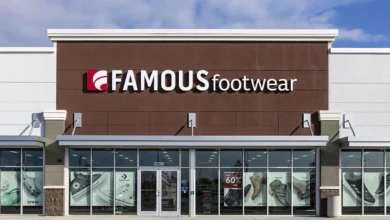
Footwear Retail Evolution: Why Brick-and-Mortar Stores Continue to Dominate American Shoe Purchases

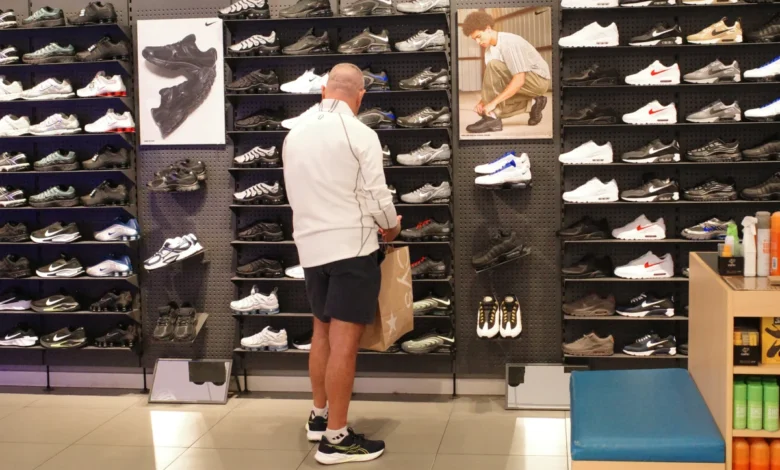
The American footwear market continues to demonstrate a robust and surprising allegiance to traditional brick-and-mortar retail environments, defying long-held assumptions that e-commerce would entirely subsume the retail landscape. A comprehensive new multi-month study conducted by data analytics firm YouGov, spanning August 2025 through August 2026, provides a granular look at consumer buying habits across the United States. The findings reveal that physical retail storefronts remain the cornerstone of how Americans purchase shoes, even as digital shopping platforms maintain a formidable presence.
While digital-first retail models have disrupted numerous sectors of the apparel industry, footwear appears to possess unique consumer friction points that continue to drive shoppers into physical aisles. The YouGov survey highlights a retail ecosystem where physical stores are not merely surviving alongside e-commerce, but in many regions, actively outperforming their digital counterparts. This nationwide data offers critical insights for footwear brands, mall operators, and independent retail executives navigating an increasingly complex omnichannel environment.
National Consumer Breakdown and Buying Preferences
According to the comprehensive YouGov dataset, approximately 34 percent of Americans report that they shop mostly or exclusively in physical brick-and-mortar stores when purchasing footwear. In stark contrast, only 27 percent of respondents indicated that they rely primarily on online channels for their shoe purchases. Perhaps most indicative of modern shopping behaviors is the remaining 34 percent of consumers who report splitting their purchases evenly between physical storefronts and online platforms.
This nearly split distribution underscores a hybrid consumer base. While digital convenience has transformed browsing and price comparison, the final transaction for footwear frequently demands a physical touchpoint. Industry analysts note that shoes present distinct purchasing hurdles that do not apply to standard apparel. Variations in sizing across brands, the necessity of assessing arch support, weight, and material flexibility, and the desire for immediate gratification all contribute to the enduring appeal of the physical retail experience.
Geographic Divides: Where In-Store Shopping Reigns Supreme
The national averages conceal significant geographic variations, highlighting stark state-by-state differences in retail consumption habits. The YouGov study indicates that in-store shopping outpaces online retail in nearly every state across the nation, with only a few notable exceptions.
Hawaii and Kansas emerge as the national leaders in physical retail loyalty, with 39 percent of consumers in both states reporting that they buy their footwear primarily in stores. Close behind are Montana, Utah, and Iowa, where 38 percent of residents favor brick-and-mortar shopping locations. A cluster of states—including Arizona, Arkansas, Minnesota, and New Mexico—follows closely at 37 percent. Meanwhile, consumers in Indiana, Oklahoma, Oregon, North Dakota, and Texas lean toward physical retail at a rate of 36 percent.
These regional strongholds for physical retail often correspond to local retail infrastructure, mall culture, and demographic factors. In suburban and rural states, regional shopping centers and specialized footwear boutiques continue to serve as vital community retail hubs, offering personalized customer service and fitting expertise that automated e-commerce algorithms cannot replicate.
The Digital Exceptions: States Favoring E-Commerce
While physical retail dominates the broader national picture, specific regions demonstrate a pronounced shift toward digital channels. The YouGov research identifies Maryland as a leading market for e-commerce adoption, alongside New York, where online shopping holds a narrow lead over traditional brick-and-mortar purchases.
Specifically, Maryland registers the highest online shopping share for footwear in the country at 32 percent, tied with Delaware. New York follows closely, with 31 percent of consumers prioritizing digital platforms for their shoe purchases. Maine rounds out the notable digital-leaning regions, with 29 percent of respondents relying primarily on online stores.
Market analysts attribute these exceptions to high population density, urban transit dynamics, and demographic profiles that skew toward younger, tech-enabled consumers. In densely populated metropolitan centers like New York City, the convenience of doorstep delivery often outweighs the traditional trip to a brick-and-mortar storefront, particularly for consumers who already know their exact sizing within specific footwear brands.
The Omnichannel Middle Ground and Brand Implications
Beyond the polarized preferences for strictly in-store or strictly online shopping, the YouGov study illuminates the massive segment of consumers who embrace a mixed-channel approach. Kansas exemplifies the pull of physical retail even within specific margins, boasting a 15-percentage-point gap between the 39 percent who shop primarily in-store and the 24 percent who rely on online platforms.
However, when examining mixed-channel purchases—shoppers who divide their footwear acquisitions evenly between physical stores and digital sites—South Dakota and New Jersey top the national rankings. In both states, 37 percent of consumers report a balanced split between the two mediums. They are closely followed by California, Colorado, Massachusetts, and North Carolina, where 36 percent of residents maintain an equal distribution between online carts and store registers.
This widespread adoption of mixed-channel shopping underscores the necessity for footwear brands to adopt sophisticated omnichannel strategies. Modern consumers frequently utilize digital channels for initial product discovery, reviews, and inventory checks, while reserving the final purchase for a physical storefront—or conversely, trying on pairs in-store before seeking online discounts or rare colorways.
Methodology and Chronology of the YouGov Study
The data driving these insights was compiled through an extensive, multi-year tracking initiative executed by YouGov, a prominent international research data and analytics group. Conducted continuously from August 2025 through August 2026, the study captured seasonal shifts, holiday shopping surges, and back-to-school purchasing cycles, providing a holistic view of American consumer behavior over a twelve-month period.
By surveying a representative cross-section of consumers across all fifty states, researchers were able to isolate geographic trends and establish a reliable baseline for retail preference. The longitudinal nature of the study guards against seasonal anomalies, ensuring that the findings reflect genuine structural habits in how Americans approach footwear acquisition rather than temporary market fluctuations.
Industry Reactions and Corporate Strategies
Major footwear corporations and independent retailers have closely monitored these shifting retail dynamics, responding with targeted investments in both physical store expansion and digital infrastructure. Over the past year, several leading footwear brands have accelerated their brick-and-mortar strategies, opening experiential flagship locations designed to deepen brand loyalty rather than simply transact sales.
Industry executives note that physical stores are increasingly serving as showrooms and community hubs. Brands are investing in advanced in-store technology, such as 3D foot-scanning equipment, augmented reality fitting mirrors, and seamless buy-online-pickup-in-store (BOPIS) capabilities. These innovations are designed to bridge the gap between digital convenience and the tactile reassurance of the physical store.
Conversely, footwear e-commerce platforms have refined their return policies, virtual try-on software, and subscription-based delivery models to combat the historical friction of buying shoes sight-unseen. Despite these digital advancements, the YouGov data validates the strategic decisions made by retailers who continue to invest heavily in prime physical real estate.
Economic Implications and Future Outlook
The resilience of physical footwear retail carries significant economic implications for commercial real estate, employment, and supply chain logistics. Shoe stores and footwear departments remain anchor tenants in many regional shopping malls and lifestyle centers. The sustained consumer demand for in-store shopping helps stabilize retail leasing markets and supports hundreds of thousands of retail sales positions nationwide.
Looking ahead, retail economists anticipate that the current equilibrium between physical and digital channels will persist, with omnichannel integration becoming the defining competitive advantage. As brands leverage the data from the YouGov 2025–2026 study, the focus will likely shift toward optimizing the consumer journey at every touchpoint.
Whether consumers are walking into a specialty running store in Montana, browsing a luxury boutique in New York, or placing an order online in Maryland, the American footwear market demonstrates a nuanced maturity. Physical stores are far from obsolete; rather, they remain an indispensable pillar of the retail economy, valued for the certainty, service, and sensory experience they provide to millions of shoppers every day.
Related posts: