Adidas Capitalizes on World Cup Triumph, Eyes Major U.S. Market Expansion

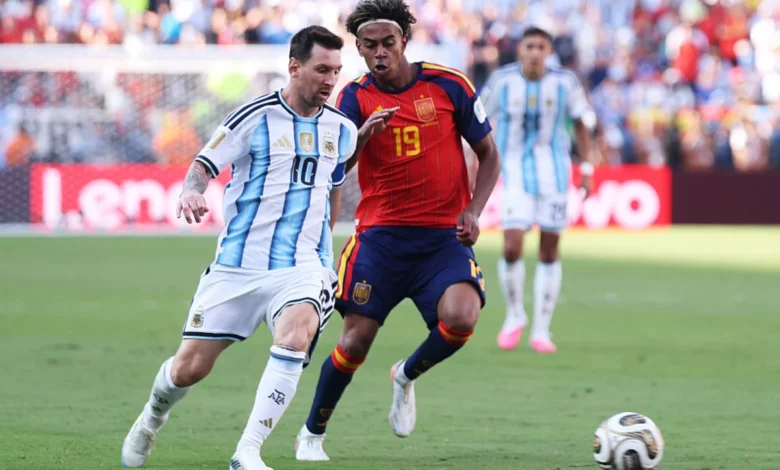
Following an exceptionally successful global football spectacle that culminated with a high-stakes final in New Jersey, Adidas is strategically positioning itself for an aggressive push into the lucrative United States market. The recent World Cup, which saw an all-Adidas final between football powerhouses Argentina and Spain, has provided the German sportswear giant with significant momentum and a strong platform to challenge its primary rival, Nike, during a period when the Oregon-based behemoth is perceived to be undergoing a transition. While Nike’s formidable World Cup marketing initiatives garnered widespread attention and media buzz, preliminary data suggests that Adidas emerged as the definitive winner in terms of tangible sales and direct consumer engagement, a crucial metric that analysts will scrutinize further when Adidas releases its second-quarter earnings report on July 30.
A World Cup Triumph: Unprecedented Sales and Brand Resonance
Adidas’s performance during the global tournament was nothing short of spectacular, translating directly into record-breaking sales figures and enhanced brand visibility worldwide. Bjørn Gulden, Adidas’s Chief Executive Officer, conveyed his enthusiasm in an emailed statement to Footwear News, declaring the World Cup a "huge success" for the brand. He highlighted the profound connection Adidas forged with consumers globally through engaging activations and a robust product offering. The numbers speak volumes: the company reported selling four times more national team jerseys and twice as many official match balls compared to the previous World Cup cycle. In total, Adidas anticipates event-related sales to reach an impressive approximately 1.5 billion euros ($1.7 billion). This figure notably includes a significant contribution from football-inspired streetwear, which experienced "high demand everywhere," signaling a successful crossover appeal beyond traditional sports merchandise.
Gulden attributed this commercial triumph, in part, to a proactive strategy of investing heavily in inventory availability in the months leading up to the tournament, a decision that "clearly paid off." The visual dominance of Adidas was also undeniable on the pitch, with both finalist teams – Argentina and Spain – adorned in the iconic Three Stripes, alongside the referees and the official match ball. This level of representation in such a pivotal event, Gulden noted, was "more than we could have wished for."
Of the fourteen national teams sponsored by Adidas, Mexico’s jersey emerged as the top-selling national team apparel, underscoring the strong cultural ties and passionate fanbase. The kits of the two finalists, Argentina and Spain, also experienced "exceptional demand," reflecting their on-field success and global popularity. Beyond traditional team wear, Adidas showcased innovative product lines, such as the U.S. denim jersey collection, a nostalgic nod to the 1994 World Cup, which became one of the summer’s most successful apparel releases for the brand. To ensure product accessibility and meet soaring consumer demand, Adidas collaborated closely with its wholesale partners, implementing specialized processes for high-demand items, including pre-embellished player jerseys. Furthermore, the brand actively engaged with fans through its "Home of Soccer" fan zones established in key host cities like Los Angeles, Toronto, and New York, collectively welcoming over 250,000 visitors, thereby creating immersive brand experiences and fostering community.
Strategic Preparations and Market Positioning in the U.S.
The World Cup’s conclusion in New Jersey underscores Adidas’s acute focus on the North American market, a region where it has historically lagged behind Nike. This recent success is seen as a critical stepping stone in its long-term strategy to gain significant ground against its formidable competitor. For years, Nike has held a dominant position in the U.S. sports apparel and footwear landscape, making any substantial inroads by Adidas a noteworthy achievement.
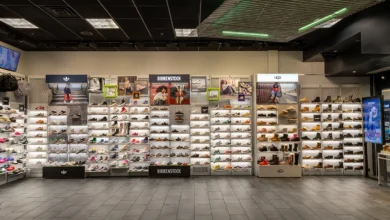
Adidas’s strategic preparations for this pivotal moment extended beyond mere inventory management. In February, months ahead of the tournament, the company inaugurated its first U.S.-only soccer-focused flagship store at the American Dream Mall in East Rutherford, New Jersey. This 9,000-square-foot retail space was designed to offer an immersive, soccer-driven experience, showcasing the sport’s culture through premium athletic footwear and performance apparel. The location itself, near where the final was played, strategically amplified its relevance. Complementing this, Adidas also launched a special capsule collection of sneakers, the Adidas Gazelle Bringback pack, inspired by the national kit aesthetics of Mexico, Argentina, and Colombia. These exclusive releases, retailing at $130 a pair, were made available at key U.S. retailers like Dick’s Sporting Goods, demonstrating a tailored approach to the American consumer.
The article also subtly references Nike’s "transition," implying a period of strategic reevaluation or internal shifts for the industry leader. While the specific nature of this transition is not detailed, it often refers to changes in leadership, supply chain recalibrations, or shifts in marketing focus. For Adidas, this perceived moment of flux for its rival represents a valuable window of opportunity to accelerate its own growth and market penetration, particularly in a segment like soccer where it has a deep heritage and perceived authenticity.
Analyst Insights: A Bullish Outlook for Q2 and Beyond
The resounding success of Adidas during the World Cup has not gone unnoticed by financial analysts, who are increasingly bullish on the company’s prospects for the second half of the year. Prior to the tournament, Wall Street analysts had already expressed optimism regarding Adidas’s first-half growth, citing strong brand heat and a healthy pipeline of upcoming product launches. The World Cup, however, appears to have exceeded even these positive expectations.
Drake MacFarlane, a research analyst at M Science, highlighted Adidas’s outperformance, stating, "We view Adidas as a clear out-performer during the World Cup time period, with observed apparel year-over-year growth for the brand accelerating substantially in Q2 in our U.S. data." MacFarlane noted that while both Nike and Puma also benefited from the global event, Adidas significantly outpaced both in the category, a testament, he believes, to its "dominance within the soccer jersey sub-segment." This indicates that Adidas successfully leveraged its core strength in football to capture a disproportionate share of the market during the event.
Cristina Fernández, an analyst with Telsey Advisory Group (TAG), also anticipates a "very good" second-quarter report from Adidas. Her projections are bolstered by World Cup-related sales and an underlying strength observed across the brand’s core business segments. Fernández cited data from Placer.ai, which tracks foot traffic, indicating an impressive eight percent increase in traffic to Adidas stores in the U.S. during the second quarter, a significant improvement from the flat growth observed in the first quarter. This surge in physical store visits underscores heightened consumer interest and purchasing intent.
Further supporting this positive outlook, Fernández pointed to global Google Trends data, which showed a notable increase in web searches for the Adidas brand during the second quarter. She attributed this improvement to Adidas’s "expanded assortment of apparel, footwear, and accessories for the World Cup and football/soccer culture," suggesting a comprehensive and appealing product strategy. Based on these compelling data points, the TAG analyst forecasts a robust sales growth of 6.72 billion euros ($7.67 billion) for Adidas, with a gross margin projected at 51.2 percent, despite potential headwinds from higher tariff costs and unfavorable foreign exchange rates. Fernández maintains an "Outperform" rating on Adidas’s stock, reflecting her confidence in the company’s strategic direction and market execution.
Sustaining Momentum: Beyond the Pitch
While the World Cup provided a significant, albeit temporary, boost, analysts and Adidas executives alike emphasize that the brand’s momentum extends well beyond this singular event. M Science’s MacFarlane noted, "We still see Adidas momentum in the footwear category that is unrelated to the exogenous World Cup event." He highlighted continued growth in the Adizero franchise within the running segment, as well as improvements in direct-to-consumer (DTC) growth within the Terrace collection, specifically supported by the rising popularity of the Samba Jane product model. This diversification of success across different product categories and sales channels is crucial for long-term sustainable growth. MacFarlane concluded that while the World Cup provided a positive, "brief benefit to Adidas’s apparel business," the "continued footwear momentum to be notable looking ahead."
This independent footwear momentum was dramatically showcased during another major sporting event earlier in the spring: the London Marathon. Adidas’s innovative "super shoe" swept the elite races, with Sabastian Sawe and Yomif Kejelcha making history in the men’s race by achieving a sub-two-hour finish, while Tigst Assefa secured victory and shattered the women’s world record. All three triumphant athletes wore the new Adidas Adizero Adios Pro Evo 3 shoe, demonstrating the brand’s cutting-edge performance technology. This high-profile success in the running segment further fueled excitement for the brand and provided a significant boost to Adidas shares in April, reinforcing its credibility beyond football.
Looking forward, Cristina Fernández of TAG noted that while the recent sales acceleration was undeniably helped by the World Cup, a "one-time event," Adidas’s brand momentum remains strong across various key markets, particularly in Europe, Latin America, Emerging Markets, and Asia (including China). Although the U.S. market has historically "underperformed," Adidas is actively investing in local and college sports initiatives to cultivate brand heat and strengthen its relationships with crucial wholesale partners. These strategic investments are designed to build a sustainable presence and appeal to American consumers, integrating the brand more deeply into the fabric of U.S. sports culture.
Implications for the Global Sports Apparel Landscape
Adidas’s impressive World Cup performance and its subsequent strategic pivot towards the U.S. market carry significant implications for the global sports apparel industry. For decades, Nike has maintained an almost unassailable lead in North America, making any substantial challenge a seismic event. Adidas’s current trajectory suggests a concerted effort to narrow this gap, leveraging its deep heritage in football, its burgeoning success in performance running, and its strong appeal in lifestyle categories.
The battle between these two titans often plays out on the grandest stages of international sports, and the World Cup served as a potent arena for this rivalry. Adidas’s ability to convert its sponsorship and product placement into superior sales figures, even against Nike’s high-impact marketing, highlights the effectiveness of its integrated strategy—combining product innovation, strategic inventory, and direct consumer engagement.
The future outlook for Adidas’s stock and market share appears promising, contingent on its ability to sustain the current momentum. The company’s diversified approach, focusing on both event-driven sales and organic growth in core categories like running and lifestyle footwear, provides a robust foundation. However, the competitive landscape remains intense. Nike’s extensive global reach, powerful brand equity, and continuous innovation mean that Adidas will face an ongoing challenge to maintain its current pace of growth.
Ultimately, Adidas’s post-World Cup surge represents a pivotal moment for the brand. It demonstrates not only its capacity to dominate major sporting events but also its strategic intent to convert that global appeal into tangible market gains, particularly in the critical U.S. market. The coming quarters will reveal whether this triumph was a temporary peak or the beginning of a sustained resurgence that could reshape the dynamics of the global sports apparel industry.