The Unseen Threads: London Fashion Week Spotlights Sustainability Amidst Persistent Modern Slavery and Environmental Crises

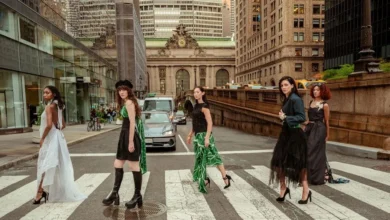
As London Fashion Week (LFW) unfurled its latest spectacle from February 19 to 23, the global fashion community gathered to celebrate and "support British fashion’s creativity, identity, and innovation." This prestigious event, a cornerstone of the international fashion calendar, increasingly serves as a platform for designers and brands to showcase their commitment to sustainability – a growing imperative shaping consumer choices across all sectors. Vogue, a leading voice in fashion, has highlighted how LFW is adopting sustainability requirements, mirroring similar initiatives seen at Copenhagen Fashion Week, underscoring a collective industry push towards more responsible practices. Consumers, now more discerning than ever, seek assurance that their sartorial choices align with ethical standards, desiring to feel good about their purchases rather than associating fashion with exploitative or harmful practices.
However, beneath the glamour and carefully curated narratives of conscious consumption, a stark and uncomfortable truth persists, casting a long shadow over the industry. The glittering runways and innovative designs of London Fashion Week serve as a poignant reminder that the global fashion supply chain remains deeply entangled with human rights abuses and severe environmental degradation. Estimates suggest that a staggering 50 million people worldwide are currently living in modern slavery, with a significant proportion of these individuals exploited within the intricate networks of global fashion production. The scale of the problem is underscored by national data; in the United Kingdom alone, 2021 saw 10% of all cases reported to the UK Modern Slavery & Exploitation Helpline directly linked to businesses operating within the garment sector. This unsettling statistic reveals that the quest for affordability and rapid trend cycles often comes at an unbearable human cost, a hidden price absorbed by the most vulnerable workers at every stage of production.
Beyond the Hype: A Deeper Look at Fashion’s Ethical Lapses
Public discourse frequently frames labor exploitation and environmental harm as issues predominantly confined to "fast fashion"—a business model characterized by rapid production cycles, low prices, and disposable trends. While the relentless output of fast fashion giants undeniably exacerbates exploitation, compelling workers into extreme conditions to meet demanding quotas, the problem is far more pervasive. The illusion that higher price points inherently translate to ethical production is often shattered by reality. Even luxury brands, revered for their craftsmanship and exclusivity, have been implicated in significant supply chain scandals. For instance, reports have detailed instances where workshops producing for high-end labels in Italy were found to be exploiting workers, demonstrating that low wages, unsafe conditions, and labor abuses are not solely the preserve of cheaper clothing manufacturers. In one notable case, LVMH’s Loro Piana faced scrutiny over alleged labor exploitation within its supply chain, challenging the perception that premium brands are immune to such issues.
The garment industry is a colossal global enterprise, recognized as one of the world’s largest and most labor-intensive manufacturing sectors. It directly employs an estimated 25 to 60 million people worldwide, a workforce largely concentrated in developing economies. This vast scale, coupled with a historical shift dating back to the 1980s, has seen many leading fashion retailers relocate their sourcing to countries offering significantly lower labor costs and often less stringent environmental regulations. This geographical dispersion of production, driven by a relentless pursuit of cost efficiency, has created complex, opaque supply chains that are incredibly difficult to monitor and regulate effectively.
The Genesis of Exploitation: From Cotton Fields to Factories
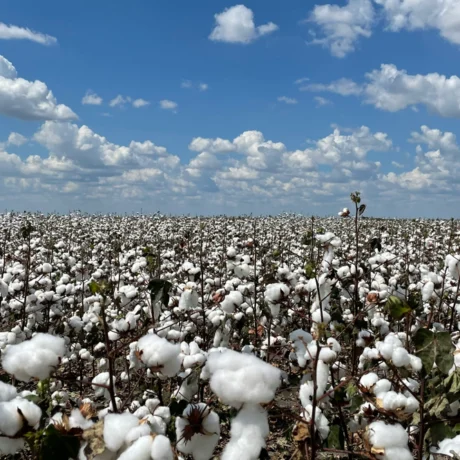
The journey of a garment from raw material to retail shelf is often fraught with peril for workers, with severe human and labor rights abuses occurring long before fabrics ever reach a factory floor. Cotton, a foundational material for the global fashion industry, is a prime example. Parts of the global cotton trade are inextricably linked with state-imposed forced labor, a systemic form of exploitation where governments compel citizens to work under threat of penalty.
Groundbreaking research conducted by Sheffield Hallam University has brought to light the alarming fact that over 100 major global brands could be inadvertently utilizing cotton produced under conditions of forced labor. This risk is particularly acute in the Uyghur Region of China, where extensive documentation exists detailing state-imposed labor programs targeting ethnic minorities. Similarly, in Turkmenistan, the government has been repeatedly criticized by organizations like the Cotton Campaign for mobilizing public sector workers into annual cotton harvests. These individuals face threats of fines or job loss if they refuse to participate or pay for replacement labor, creating a coercive environment that undermines fundamental labor rights.
The cotton harvested under these exploitative conditions can then enter international markets, be processed into yarns and fabrics, and ultimately woven into garments sold globally. This creates a high probability that the clothes we wear daily have hidden ties to forced labor. Despite public pledges by corporations to sever connections with forced labor, the intricate and often deliberately obscured nature of these supply chains means that cotton produced through such systems continues to permeate international markets. The convoluted layers of production, processing, and manufacturing make it incredibly challenging to ascertain responsibility, weaken oversight mechanisms, and allow abusive practices to persist without consequence. For the millions trapped in such exploitation, these hidden complexities render their plight largely invisible, making intervention and relief efforts exceedingly difficult.
Exploitation’s Reach: Not Just ‘Far Away’
The notion that human rights abuses in the fashion industry are solely "outsourced" to distant, less developed nations is a dangerous misconception. Exploitation can, and does, occur anywhere, including within countries boasting robust regulatory frameworks and strong labor protections, such as the United Kingdom.
A shocking investigation in 2020 uncovered severe issues within garment factories in Leicester, UK, which supplied major fast fashion retailers, including the controversial Boohoo Group. Reports revealed that workers were being paid as little as £3 an hour—significantly below the national minimum wage—and were forced to toil in unsafe and unsanitary conditions. These revelations sparked widespread public outrage and prompted calls for greater accountability from retailers. Similar problems have surfaced across Europe, demonstrating the systemic nature of the issue. In Italy, labor inspectors have frequently exposed exploitative conditions in subcontracted workshops producing for renowned fashion brands. These abuses include excessive working hours, hazardous environments, and illegal employment practices, highlighting that even in countries with a strong tradition of high-quality manufacturing, the pressure to cut costs can lead to flagrant disregard for worker welfare.
These cases unequivocally demonstrate that simply keeping operations within countries with stricter regulations does not guarantee the absence of abuse. A "Made in the UK" label, while often associated with quality and ethical production, does not automatically certify freedom from exploitation. The globalized nature of manufacturing means that even components or stages of production for UK-assembled garments can originate from exploitative sources, or that domestic suppliers themselves engage in illicit labor practices to remain competitive within a demanding market.
The Dual Crisis: People and Planet Intertwined
The systemic failures that enable labor exploitation are intrinsically linked to, and often the same drivers behind, widespread environmental destruction. The fashion industry, driven by cycles of overproduction and fleeting trends, is a significant contributor to global environmental crises. Its annual carbon footprint is estimated at a staggering 3.3 billion tonnes of CO2 equivalent, a figure comparable to the combined carbon footprint of all 28 European Union member states. This immense environmental toll manifests in numerous ways:
- Textile Waste: Landfills globally are overflowing with textile waste, much of it barely used. The rapid turnover of fashion trends encourages disposability, leading to an estimated 92 million tonnes of textile waste generated globally each year, with only a small fraction recycled.
- Microplastic Pollution: The increasing reliance on synthetic fibers like polyester and nylon means that garments shed microplastics into waterways with every wash. These tiny plastic particles accumulate in oceans, freshwater systems, and even our food chain, posing significant ecological and health risks.
- Water Depletion and Soil Degradation: Cotton farming, particularly in regions already facing ecological stress, is notoriously water-intensive. The infamous example of the dried-up Aral Sea basin stands as a stark testament to how unsustainable cotton production can contribute to severe water depletion and irreversible soil damage, impacting entire ecosystems and local communities.
- Chemical Contamination: The dyeing and finishing processes in textile manufacturing often involve hundreds of toxic chemicals. Workers in these facilities, along with communities living nearby, are disproportionately exposed to these hazardous substances, leading to severe health problems and widespread environmental pollution.
This convergence of human and environmental crises underscores a critical truth: the exploitation of people and the degradation of the planet are not separate issues. Both are symptoms of a pervasive economic model that prioritizes profit maximization over the well-being of individuals and the health of the environment. The relentless pursuit of cheaper goods and faster production cycles externalizes costs onto vulnerable workers and the natural world, creating a unsustainable and unethical paradigm.
The Regulatory Lag: A Call for Robust Legislation
For far too long, the fashion industry has relied on voluntary corporate social responsibility (CSR) initiatives. Brands have published sustainability reports, made ethical pledges, and engaged in various self-regulatory schemes. However, a consistent body of research and real-world evidence demonstrates that voluntary action alone is profoundly insufficient to eradicate forced labor and environmental harm from complex global supply chains. The incentives for cost-cutting often outweigh the moral or reputational pressures of voluntary commitments.
The United Kingdom’s current legal framework, notably the Modern Slavery Act 2015, requires large companies to publish annual statements detailing measures taken to address modern slavery within their operations and supply chains. While a step in the right direction, this legislation has significant limitations. Crucially, it does not mandate comprehensive human rights and environmental due diligence, nor does it impose penalties for companies that fail to identify or address modern slavery risks effectively. This lack of robust enforcement mechanisms means that compliance often remains superficial, and exploitation continues largely unchecked.
In contrast, other major economic blocs are moving towards stronger legislative frameworks. The European Union has taken a significant stride by adopting mandatory human rights and environmental due diligence rules. The Corporate Sustainability Due Diligence Directive (CSDDD), once fully implemented, will compel companies operating within the EU to identify, prevent, mitigate, and account for adverse human rights and environmental impacts in their own operations and throughout their value chains. Similarly, the United States has introduced import controls, most notably through the Uyghur Forced Labor Prevention Act (UFLPA), which presumes that any goods produced wholly or in part in China’s Xinjiang Uyghur Autonomous Region are made with forced labor and are thus prohibited from entering the U.S. market.
The UK, by comparison, is lagging behind its international peers. Without comprehensive and robust legislation that includes mandatory due diligence requirements, clear enforcement mechanisms, and meaningful penalties for non-compliance, exploitation remains a low-risk, high-reward strategy for companies seeking to cut costs and gain a competitive edge. Since 2017, Anti-Slavery International, the world’s oldest human rights organization, has been at the forefront of advocating for a mandatory human rights and environmental due diligence law in the UK. Such legislation would help level the playing field, ensuring that businesses cannot gain a competitive advantage through exploitation. It would protect workers, support responsible companies by creating clear legal standards, and instill greater confidence in consumers that their purchases are not linked to forced labor or environmental devastation.
Charting a New Course: Putting Human Rights at Fashion’s Core
London Fashion Week, as a globally recognized event, presents a critical opportunity to mobilize action and reframe the conversation around fashion. Respect for people and the planet should not be viewed as a transient trend or a seasonal marketing ploy; it must become a timeless, permanent foundation of the industry itself.
Recent parliamentary debates in the UK have brought renewed attention to the pressing issues of forced labor and environmental harms within the fashion and textiles sector. On February 12, Minister Chris Bryant referenced the government’s ongoing Responsible Business Conduct review, which is nearing completion. He emphasized the need for this review to culminate in strong policy recommendations designed to protect against exploitation across fashion supply chains. As policymakers deliberate on how production is sourced, regulated, and supported, there exists a clear and urgent opportunity to embed human rights and environmental protections at the very heart of these critical decisions.
Within the industry itself, encouraging signs of progress are emerging. A growing number of brands and manufacturers are actively investing in more transparent supply chains, implementing safer production practices, and exploring circular economic models that aim to drastically reduce waste and enhance oversight. These pioneering efforts demonstrate that a different future for fashion is not merely an aspiration but a tangible possibility. They highlight that with commitment, innovation, and ethical leadership, significant change can be achieved.
Fashion, by its very nature, possesses immense cultural power. It shapes norms, inspires trends, and profoundly influences consumer behavior on a global scale. However, this formidable power must be balanced with an equally robust commitment to accountability. London Fashion Week, therefore, transcends a mere display of garments; it becomes an opportune moment to collectively ask what kind of industry we truly wish to celebrate and support.
A future for fashion grounded in transparency, accountability, and unwavering respect for both human rights and the environment is not only possible but imperative. This transformation requires concerted effort from all stakeholders: brands must integrate ethical practices into their core business models, citizens must demand greater transparency and make conscious purchasing choices, and policymakers must enact and enforce robust legislation that compels responsible behavior. Until such strong laws are firmly in place, workers and the environment will continue to bear the hidden, devastating costs of the clothes we wear.
To support a fashion industry free from modern slavery, individuals are encouraged to engage in dialogue, share information on social media, and advocate for stronger protections for workers. Anti-Slavery International remains dedicated to working with businesses to identify and address forced labor risks in their supply chains, affirming that real, lasting change begins when human rights are treated as non-negotiable in every industry, at every stage of production.
Written by Thea Littlewood, Communications Officer at Anti-Slavery International.
About Anti-Slavery International: Anti-Slavery International is the world’s oldest human rights organization, established in 1839. Its enduring mission is to ensure that all people, everywhere, are free from slavery, challenging slavery in all its contemporary forms.