The Ultimate Guide to Beach Wedding Guest Dresses and Coastal Event Attire

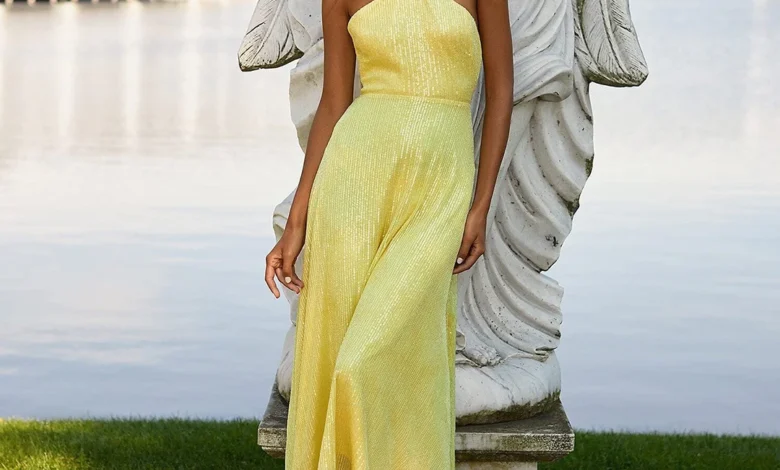
The global destination wedding market has experienced a significant resurgence in recent years, with coastal ceremonies emerging as a primary choice for couples seeking a blend of natural beauty and relaxed elegance. This shift in matrimonial preferences has necessitated a corresponding evolution in guest attire, moving away from the rigid formality of traditional cathedrals toward a more nuanced, environment-specific dress code. Unlike indoor venues, beach weddings present a unique set of meteorological and logistical challenges, ranging from high humidity and direct solar exposure to the instability of sandy terrain. Consequently, selecting the appropriate attire requires a strategic balance between aesthetic cohesion and physiological comfort, ensuring that guests remain cool while adhering to the couple’s stylistic vision.
The Evolution of Coastal Wedding Etiquette and Fashion
Historically, wedding attire was governed by strict social hierarchies and seasonal protocols. However, the rise of the destination wedding in the late 20th century began to dismantle these barriers. By the early 2020s, the "micro-wedding" and "outdoor-centric" trends further accelerated the demand for specialized event wear. Today, the beach wedding guest dress is no longer a niche category but a major segment of the multi-billion dollar bridal industry. Fashion analysts observe that the contemporary guest is increasingly prioritizing "transformative" pieces—garments that can be repurposed for multiple occasions, reflecting a broader societal move toward sustainable consumption.
Industry experts Anastasia Beluschenko and Kate Zakharova, who have tracked wedding design trends for over five years, note that the modern beach wedding operates on a spectrum of formality. While the setting is inherently more casual than a ballroom, the expectation for a "curated" look has intensified, driven largely by the visual demands of social media and professional event photography. The challenge for the guest lies in navigating the "semi-formal" or "beach-chic" labels, which often appear on invitations without further clarification.
Fabric Science and Color Theory in Coastal Environments
The selection of fabric is perhaps the most critical technical decision for a beach wedding guest. In high-temperature environments, synthetic fibers like polyester can trap heat against the skin, leading to physical discomfort and visible perspiration. Journalistic analysis of textile performance suggests that natural fibers—specifically linen, silk, and high-quality cotton—remain the gold standard for coastal events.
- Linen: Renowned for its breathability and moisture-wicking properties, linen is a staple of tropical attire. While prone to wrinkling, the "lived-in" look is often accepted as part of the beach aesthetic.
- Chiffon and Organza: These sheer, lightweight fabrics allow for maximum airflow and provide a sense of movement that complements the ocean breeze.
- Seersucker: Increasingly popular in modern guest wear, this puckered fabric is designed to sit away from the skin, facilitating air circulation.
Color theory also plays a pivotal role in guest comfort. Darker shades, particularly black and navy, absorb more thermal energy from sunlight, potentially leading to overheating during daytime ceremonies. Conversely, pastels, muted earth tones, and vibrant tropical prints reflect light and align with the coastal palette. Experts suggest that unless a specific color theme is requested by the couple, guests should gravitate toward shades that mimic the environment: seafoam green, sandy beige, coral, and azure blue.
Navigating the Spectrum of Formality: From Maxi to Short Silhouettes
The "formality gap" at beach weddings is often bridged by the silhouette of the dress. Maxi dresses have become the quintessential choice for beach guests, offering a "bohemian-formal" hybrid that feels appropriate for both the sand and a high-end resort reception. The length provides a level of modesty and elegance, while the flowing fabric captures the wind, creating a dramatic effect for photographs.
For summer events where temperatures exceed 85 degrees Fahrenheit (29 degrees Celsius), shorter silhouettes are frequently adopted. The "mini" or "midi" beach dress allows for greater mobility and cooling. Journalistic observation of recent high-profile beach weddings indicates a preference for the "midi" length—falling between the knee and ankle—as it provides a sophisticated middle ground that avoids the casual nature of a sun dress while remaining more practical than a floor-length gown.
Formal beach weddings, typically held at sunset or in luxury seaside villas, demand a different approach. In these instances, "formal" does not imply the heavy satins or velvets of winter weddings. Instead, it suggests elevated fabrics like silk charmeuse or embellished lace, often paired with structured silhouettes that maintain their shape despite the sea breeze.
The Intersection of Style and Inclusivity: Plus Size and Over-50 Fashion
The fashion industry has faced increasing pressure to provide diverse options for beach wedding attire that cater to all age groups and body types. For guests over the age of 50, the focus often shifts toward "refined comfort." This demographic frequently opts for tea-length dresses or sophisticated cocktail attire in organza or lace. These choices offer a timeless elegance that respects the occasion’s gravity while acknowledging the practicalities of a coastal setting.
Similarly, the plus-size market has seen a surge in specialized beach wedding guest dresses. Modern designs emphasize "relaxed elegance," utilizing strategic draping, empire waists, and supportive yet breathable structures. The objective is to provide a silhouette that feels secure and flattering without the restrictive nature of traditional shapewear, which can be particularly uncomfortable in humid beach conditions.
Strategic Etiquette: The "White" Debate and Other Protocol
A recurring point of contention in wedding guest etiquette is the use of white or off-white garments. Traditional protocol dictates that white is reserved exclusively for the bride. However, in the context of beach weddings, this rule is occasionally suspended. Some couples request an "all-white" or "neutral" dress code to achieve a specific aesthetic for their wedding gallery.

In the absence of such a request, experts remain firm: wearing white, cream, or ivory is generally considered a breach of etiquette. Furthermore, guests are advised to avoid neon colors that may "glow" in flash photography or distract from the couple. Professional photographers often suggest that guests avoid busy, small-scale patterns (like tiny polka dots or thin stripes), which can cause "moiré" interference patterns in digital images.
Practical Logistics: Footwear and Layering
Beyond the dress itself, the logistical realities of the beach require specific accessory strategies. Footwear is the most common point of failure for guests. Stiletto heels are functionally incompatible with sand; therefore, fashion experts recommend block heels, dressy wedges, or high-end flat sandals. Many modern beach weddings now feature "shoe stations," where guests can swap their formal footwear for flip-flops or go barefoot during the ceremony.
Layering is another essential consideration. Coastal temperatures can drop significantly after sunset due to sea breezes. A sophisticated pashmina, a lightweight blazer, or a tailored shawl can provide necessary warmth during an evening reception without compromising the integrity of the outfit.
Broader Economic and Cultural Impact
The demand for specialized beach wedding attire has significant implications for the retail sector. Major fashion houses and "fast-fashion" retailers alike have launched dedicated "Destination Wedding" collections, recognizing that this is no longer a seasonal trend but a year-round market. The economic impact extends to local economies in popular wedding hubs like Mexico, the Caribbean, and the Mediterranean, where the influx of well-dressed tourists supports high-end hospitality and photography services.
Culturally, the shift toward beach weddings reflects a broader desire for "experiential" celebrations. The attire, therefore, serves as a visual manifestation of this experience—a departure from the mundane and an embrace of the extraordinary. By following established guidelines on fabric, color, and silhouette, guests contribute to the overall success of the event, ensuring that the focus remains on the union of the couple rather than the discomfort of the attendees.
In summary, the best beach wedding guest dresses are those that respect the environment while honoring the occasion. Through the strategic use of breathable fabrics, appropriate silhouettes, and a keen eye for color etiquette, guests can navigate the complexities of coastal fashion with confidence and grace. As the wedding industry continues to evolve, the beach wedding remains a testament to the enduring appeal of nature as a backdrop for human connection, and the fashion surrounding it will continue to adapt to meet the demands of both style and substance.