The Ultimate Guide to Creating and Using Wedding Hashtags in the Digital Era

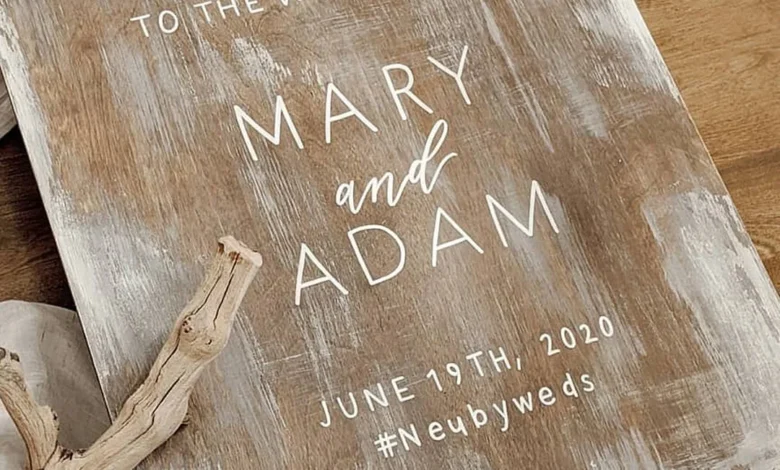
In the contemporary landscape of matrimonial celebrations, the digital footprint of a wedding has become nearly as significant as the physical event itself. The integration of social media into the wedding experience is no longer a peripheral consideration but a core component of event planning. Central to this digital strategy is the wedding hashtag—a unique, searchable tag that serves as a virtual filing system for every photo, video, and sentiment shared by guests across platforms like Instagram, TikTok, and Facebook. As weddings move further into the late 2020s, the sophistication of these tags has evolved from simple name combinations into complex branding exercises designed to enhance guest engagement and streamline the post-event curation of memories.
The Strategic Importance of the Wedding Hashtag
The primary function of a wedding hashtag is the centralization of user-generated content. On a typical wedding day, hundreds of candid moments are captured by guests that the professional photographer may never see. Without a unifying tag, these images remain scattered across private accounts and various social platforms, making them difficult for the couple to locate. By establishing a specific hashtag, couples can ensure that they can access their wedding narrative from multiple perspectives without the administrative burden of manually searching through various platforms for weeks following the ceremony.
Beyond organization, the hashtag acts as a branding tool. In a professional marketing sense, a wedding is a high-stakes event with a specific aesthetic and "brand voice." A well-crafted hashtag reinforces the theme of the wedding, whether it be whimsical, traditional, or humorous. According to industry data from wedding planning platforms, approximately 75% to 80% of modern couples now utilize a custom hashtag, citing "ease of photo retrieval" and "social media storytelling" as their primary motivations.
Historical Context and the Evolution of Wedding Social Media
The concept of the wedding hashtag emerged in the early 2010s as Instagram gained mainstream popularity. Initially, these tags were utilitarian, often consisting of the couple’s names and the year (e.g., #SmithWedding2012). However, as social media became more saturated, the need for uniqueness grew to avoid "hashtag collisions"—where multiple weddings use the same tag, resulting in a cluttered and confusing feed.
By 2024 and looking toward 2027, the trend has shifted toward highly personalized, pun-heavy, and clever iterations. The "digital wedding" has also expanded to include "Wedding Content Creators"—professionals hired specifically to capture social-media-ready behind-the-scenes footage. In this high-tech environment, the hashtag serves as the primary metadata link connecting the professional content with the guest-generated content.
Methodologies for Creating a Catchy and Unique Hashtag
Creating an effective hashtag requires a blend of creativity, linguistic precision, and technical awareness. Professional wedding consultants recommend a multi-step brainstorming process to ensure the final choice is both memorable and functional.
1. The Foundation of Names and Dates
The most common starting point involves the couple’s last names, first names, and nicknames. Adding the wedding date or year (e.g., #JoiningTheJoneses2027) is a reliable way to ensure the hashtag is unique.
2. The Use of Puns and Wordplay
For a hashtag to be "catchy," it often employs alliteration or puns. Destination wedding expert Rhiann Janak suggests that couples look for words that rhyme with their names or phrases that can be modified. For example, a couple with the last name "Wright" might use #TheWrightMatch, while a couple named "Morgan" might opt for #MoreThanMorgans.
3. Incorporating the Wedding Theme
If the wedding has a specific theme—such as a beach setting, a vintage 1920s vibe, or a winter wonderland—the hashtag should reflect this. This adds a layer of sophistication to the digital brand.
4. Technical Verification
Before finalizing a hashtag, it is imperative to search for it on Instagram and TikTok. If the hashtag already has thousands of posts, it is effectively useless for the couple’s specific needs. The goal is a "clean" hashtag that shows zero or very few previous posts.
The Role of AI and Professional Hashtag Generators
As the demand for unique hashtags has increased, a secondary industry of professional hashtag writers and AI-driven generators has emerged. These tools provide a starting point for couples who may feel "writer’s block."
- Wedding Hashers: This service employs professional writers who specialize in puns and creative writing. They offer a personalized touch that software often lacks, ensuring the vibe of the hashtag matches the couple’s personality.
- Ewedding and Shutterfly Generators: These algorithmic tools allow users to input names, dates, and locations to receive instant lists of options. While sometimes basic, they are highly effective for generating "traditional" or "classic" hashtag styles.
- Wedding Hashtag Wall: This tool focuses on the visual aspect, helping couples visualize how their hashtag will look on digital displays during the reception.
Implementation: Promoting the Hashtag to Guests
A hashtag is only as effective as its adoption rate. If guests are unaware of the tag, the digital archive will remain empty. Strategic placement of the hashtag throughout the wedding timeline is essential for success.
Pre-Wedding Promotion
The hashtag should debut on the "Save the Date" cards and the wedding website. This sets the tone early and encourages guests to use the tag for pre-wedding events like engagement parties, bridal showers, and bachelor/bachelorette trips.
On-Site Signage
During the ceremony and reception, the hashtag should be visible but not intrusive. Popular locations include:
- The Wedding Program: A small note at the bottom of the program.
- Table Cards: Small, elegant signs on each guest table.
- The Photo Booth: Perhaps the most critical location, as this is where the highest volume of social sharing occurs.
- Live Social Media Walls: Some modern weddings utilize large screens that display a live feed of any photo posted with the wedding hashtag, providing immediate gratification and incentive for guests to participate.
Stationery and Favors
Including the hashtag on menus or as a small tag on wedding favors ensures that the "brand" stays with the guests even after they leave the venue.
Navigating Potential Pitfalls: Lessons in Digital Etiquette
While wedding hashtags are a powerful tool, they are not without risks. One of the most famous cautionary tales in digital marketing is the #SusanAlbumParty incident, where a lack of capitalization led to a highly inappropriate secondary reading of the hashtag.
To avoid such embarrassments, couples must follow the "Capitalization Rule": Always capitalize the first letter of each word (e.g., #HappilyEverAfter instead of #happilyeverafter). This improves readability and prevents "hashtag fails" where words blend together to create unintended meanings.
Furthermore, couples should be mindful of privacy. Using a hashtag makes photos publicly searchable. If a couple prefers a private experience, they might opt for photo-sharing apps like "The Guest" or "Shared Album" instead of a public hashtag. However, for those seeking a broad social media narrative, the hashtag remains the gold standard.
Analysis of Broader Implications
The rise of the wedding hashtag reflects a broader shift in how society views milestones. Weddings are no longer just private ceremonies; they are curated media events. This has led to the "Instagrammability" of weddings, where decor and lighting are often chosen specifically for how they will appear through a smartphone lens.
From a sociological perspective, the wedding hashtag fosters a sense of community. It allows guests who may not know each other—colleagues of the groom and childhood friends of the bride—to interact in a shared digital space. It democratizes the wedding photography process, giving every guest a "press pass" to contribute to the official record of the day.
Conclusion: The Future of Matrimonial Archiving
As we look toward 2027 and beyond, the wedding hashtag will likely integrate with emerging technologies like Augmented Reality (AR) and AI-curated video highlights. Imagine a guest pointing their phone at a wedding sign and seeing a digital gallery of all photos tagged with the wedding’s unique handle.
Ultimately, a wedding hashtag is more than just a trendy addition to an invitation. It is a functional, creative, and strategic tool that bridges the gap between the physical celebration and the digital memory. By following a structured approach to creation and promotion, couples can ensure their big day is not only memorable in the moment but also perfectly preserved in the vast digital archives of the modern world.