Navigating Nursery Furniture: A Comprehensive Guide to Convertible Cribs for Safety, Sustainability, and Longevity

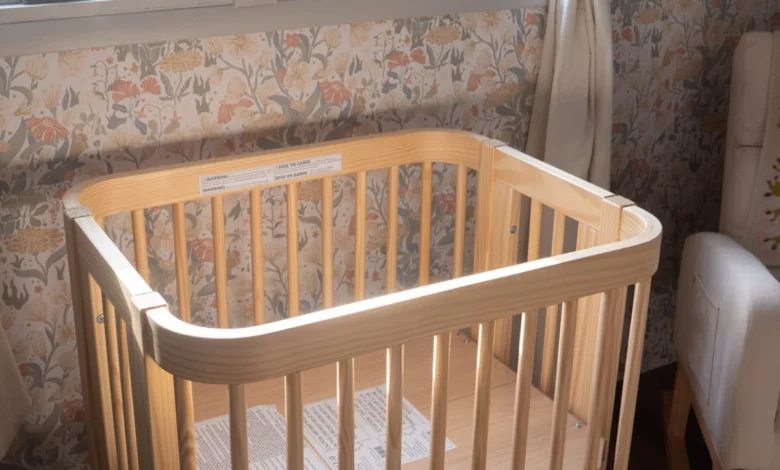
The journey of preparing for a new arrival often involves a myriad of decisions, with furnishing the nursery standing out as a significant milestone. Among the essential items, the crib holds paramount importance, serving as the cornerstone of a baby’s sleep environment. In recent years, a discernible shift in parental priorities has emerged, focusing not just on aesthetics and functionality but also on the inherent safety and environmental impact of nursery furniture. This heightened awareness stems from a deeper understanding of infant development, particularly concerning neurological, immunological, and metabolic vulnerabilities, prompting many families to prioritize materials with lower volatile organic compound (VOC) emissions and robust safety certifications.
The Evolving Landscape of Nursery Safety and Design
The pursuit of a healthy nursery environment is less about achieving an unattainable perfection and more about making informed, supportive choices that contribute to a child’s overall wellness over time. Historically, crib design has evolved significantly, driven by tragic incidents and subsequent legislative action. The early 20th century saw varied and often unsafe designs, leading to a gradual implementation of safety standards. A pivotal moment occurred in 2011 when the U.S. Consumer Product Safety Commission (CPSC) enacted stringent new federal safety standards for cribs, effectively banning drop-side cribs and imposing stricter requirements on mattress supports, slat strength, and hardware durability. These regulations, coupled with voluntary standards from organizations like ASTM International, have fundamentally reshaped the market, making safety the undisputed top priority.
Within this context of enhanced safety, convertible cribs have emerged as a particularly compelling option. These ingenious designs offer a solution that grows with a child, seamlessly transitioning from an infant crib to a toddler bed, and often further into a daybed or even a full-size bed. This adaptability alleviates the stress of repeatedly purchasing new furniture for each developmental stage, a significant benefit for busy and budget-conscious parents.
Economic and Environmental Imperatives for Convertible Cribs
Beyond immediate convenience, the choice of a convertible crib carries substantial economic and environmental advantages. From a financial perspective, investing in a single piece of furniture designed for multi-stage use can lead to considerable long-term savings. The initial outlay for a high-quality convertible crib might be higher than a traditional crib, but it obviates the need to purchase separate toddler and full-size beds, offsetting costs over several years. According to industry analyses, the average family can save hundreds, if not thousands, of dollars by opting for a convertible model that eliminates multiple furniture purchases.
Environmentally, the impact is equally profound. By extending the lifespan of a single furniture item, families significantly reduce waste destined for landfills. This aligns with broader sustainability movements advocating for durable goods and reduced consumption. Dr. Jaclyn Tolentino, a board-certified family physician and functional practitioner, underscores this point: "The longer we use well-made furniture, the less frequently we introduce new materials, adhesives, finishes, and off-gassing products into the home. Convertible cribs can be a thoughtful option for families looking to prioritize both sustainability and a more stable indoor environment over time." She further emphasizes that "Choosing furniture made with more transparent materials and lower-emission finishes can be one meaningful step toward creating a healthier home environment for a growing child." This expert insight highlights the dual benefit of sustainability and improved indoor air quality, a critical consideration given that infants spend a significant portion of their early lives in their cribs.
The materials used in crib construction also play a vital role in their sustainability profile. Many leading brands are now committed to sourcing wood from sustainably managed forests, often certified by organizations like the Forest Stewardship Council (FSC). Furthermore, the use of low-VOC (Volatile Organic Compound) finishes and glues minimizes the release of harmful chemicals into the nursery air, a crucial factor for infants whose respiratory and immune systems are still developing.
Understanding Convertible Crib Configurations: 3-in-1 vs. 4-in-1
When selecting a convertible crib, parents will encounter various configurations, primarily 3-in-1 and 4-in-1 models. The choice largely depends on the desired longevity and adaptability. A 3-in-1 crib typically transitions from a standard infant crib to a toddler bed (with a safety rail) and then to a daybed (without a rail). This option serves families well through the crucial early childhood years, providing a functional and aesthetic solution with minimal fuss.
A 4-in-1 crib encompasses all the stages of a 3-in-1 but adds the capability to convert into a full-size bed, often requiring a separate conversion kit for the rails and sometimes a box spring. This configuration represents a true long-term investment, potentially serving a child from infancy through their teenage years. It combines timeless style with practical functionality, making it an attractive choice for families seeking maximum value and minimal future furniture purchases. Some brands even offer 8-in-1 or 9-in-1 configurations, incorporating bassinet, mini-crib, and junior bed stages, ideal for small spaces or parents who prefer a seamless transition through every growth spurt.
The conversion process itself is generally designed to be straightforward. Most manufacturers provide clear instructions, and basic tools like screwdrivers or Allen wrenches are often included. For the larger transitions, such as converting to a full-size bed, specific conversion kits are typically needed and sold separately. These kits ensure structural integrity and safety at each stage.
Navigating the Secondhand Market: Safety First
While the appeal of secondhand items for sustainability and cost savings is undeniable, caution is paramount when it comes to cribs. Older cribs may not adhere to the most recent safety standards, which are continuously updated to protect children. For instance, cribs manufactured before the 2011 CPSC regulations might feature drop sides, which are now banned due to entanglement and strangulation risks. Furthermore, secondhand cribs may have missing parts, loose hardware, or finishes that contain lead paint or other toxic chemicals, which were more common in past decades.
If considering a secondhand crib, rigorous inspection is essential. Parents must verify that the crib has not been recalled, that all parts are present and securely fastened, and that it unequivocally meets current CPSC and ASTM safety guidelines. Checking the manufacturer’s website for manuals and recall information is a critical step. While giving items a second life is commendable, a child’s safety should never be compromised.
Criteria for Selection: What Matters Most
Whether opting for a 3-in-1 or a comprehensive 4-in-1 model, the selection process for a convertible crib should be guided by a few core criteria:
- Safety Certifications: Look for GREENGUARD Gold, JPMA Certified, CPSC, and ASTM compliance. These certifications ensure the crib meets rigorous safety standards and has low chemical emissions.
- Materials and Finishes: Prioritize sustainably sourced wood (e.g., FSC certified New Zealand pine, Beech wood) and non-toxic, lead- and phthalate-safe finishes.
- Durability and Craftsmanship: A convertible crib is a long-term investment, so solid construction and quality materials are crucial for enduring years of use.
- Functionality and Adaptability: Evaluate the ease of conversion between stages and the availability of conversion kits.
- Aesthetics and Design: While safety is paramount, the crib should also complement the nursery’s style, offering a design that remains appealing as the child grows.
- Price Point: Convertible cribs span a wide range, offering options for various budgets without compromising essential safety features.
The market now offers an impressive array of convertible cribs that meet these stringent criteria, combining thoughtful design with robust safety and sustainability practices. Below is a detailed look at some of the top selections.
Spotlight on Leading Convertible Crib Brands
1. Newton Baby: Italian Craftsmanship Meets Modern Safety
Newton Baby, a brand widely recognized for its innovative, toxin-free baby mattresses, has successfully extended its commitment to safety and quality into convertible cribs. Their Newton Galileo 3-in-1 Crib exemplifies a seamless integration of safety, sophisticated design, and environmental responsibility. Crafted from sustainably sourced solid Beech wood, specifically harvested from responsibly managed forests in France, these cribs offer exceptional durability while minimizing ecological impact. The minimalist, modern design transcends fleeting trends, ensuring the crib remains a chic addition to any nursery for years.
Beyond its aesthetic appeal and sustainable origins, the Newton Galileo crib is GREENGUARD Gold Certified, a testament to its rigorous testing for over 10,000 chemical emissions and VOCs. It is also lead and phthalate-safe, meeting the stringent safety standards set by ASTM International and the U.S. CPSC. This comprehensive approach to safety provides parents with unparalleled peace of mind. A unique advantage is the option to bundle the crib with Newton Baby’s famous washable, safe mattresses, further enhancing comfort and safety while offering cost savings. This handcrafted crib is designed to adapt through a child’s early years, making it a premier choice for families prioritizing both their baby’s well-being and the planet. Customer reviews frequently highlight the crib’s easy assembly and its ability to seamlessly integrate into diverse nursery aesthetics, praising its natural color and versatile matching capabilities.
2. Nurture&: Intentional Design with Nontoxic Finishes
Nurture&’s Newport Crib embodies intentionality in every aspect of its design, making it a standout choice for modern, health-conscious families. Constructed from sustainably harvested woods like Poplar and Oak Veneer MDF (for natural finishes) or Poplar and MDF (for white finishes), and finished with nontoxic materials, this crib ensures a sleep environment free from harmful chemicals and off-gassing. Its adherence to Prop 65 compliance, TSCA Title VI compliance, and JPMA certification, alongside being free from fire retardant chemicals, underscores its robust safety profile. The crib also meets strict ASTM safety standards, demonstrating its protective capabilities.
The design features clean lines and a sturdy build, allowing it to blend effortlessly into contemporary nursery settings. What truly distinguishes the Newport Crib is its thoughtful adaptability. With three adjustable mattress heights, it accommodates a baby’s growth from infancy. The simple toddler bed conversion kit further extends its utility, ensuring a seamless transition through the toddler years. Nurture&’s commitment to both form and function is evident in its practical, long-lasting construction. The available color palette, featuring modern, earthy tones like Walnut, allows for personalized nursery styling. An editor’s review lauded its "designer-level" aesthetics and remarkably easy assembly, emphasizing its appeal to both parents and, presumably, the baby. This crib is a testament to sustainable, stylish design that endures well beyond the newborn stage.
3. Nestig: Artisan Craftsmanship in Made-to-Order Cribs
Nestig differentiates itself with made-to-order convertible cribs that are a testament to thoughtful craftsmanship and unwavering sustainability. Each crib is meticulously handcrafted by skilled artisans in a family-owned factory in Brazil, leveraging generations of woodworking tradition. The commitment to ethical sourcing is paramount, with locally harvested wood obtained from responsibly managed, reforested land, ensuring no native forests are harmed and environmental impact is minimized. This dedication results in beautifully designed, durable, and sustainably produced cribs that are also completely nontoxic, free from harmful chemicals, VOCs, and flame retardants, making them a healthier choice for a baby’s sleep space.
Nestig’s cribs are also GREENGUARD Gold certified, rigorously screened for over 10,000 chemical emissions, and JPMA certified non-toxic, lead and phthalate safe, meeting or exceeding ASTM safety standards and being Prop 65 compliant. The brand’s innovative design allows each convertible crib to begin as a compact infant crib with a custom-fit mattress, ideal for the earliest months. As the baby grows, it seamlessly transforms into a larger crib and eventually a toddler bed, utilizing the same mattress. This modular, long-lasting design significantly reduces the need for multiple purchases, fostering less waste and greater value over time. With 17 convertible crib options, Nestig offers diverse styles while prioritizing quality, safety, and simplicity. An editor’s review praised the Wave Nestig Crib as an "important staple" that has demonstrably grown with their family, highlighting its enduring value.
4. DaVinci: Affordability Meets Eco-Conscious Design
DaVinci stands out by offering an extensive selection of eco-conscious convertible cribs that are both stylish and remarkably affordable, proving that budget constraints do not necessitate compromising on safety or design. Their commitment to creating healthier indoor environments is evident in every crib being GREENGUARD Gold certified, signifying rigorous testing for over 10,000 chemicals and VOCs. Crafted from sustainable New Zealand pinewood and TSCA compliant wood, and finished with nontoxic, phthalate-safe paints, DaVinci cribs represent exceptional value for health-conscious families.
A key feature of DaVinci’s collection is its smart, space-saving design. Many models incorporate built-in storage options, such as dressers or trundle beds, directly into the crib frame. This multifunctional approach is particularly beneficial for smaller nurseries or parents who appreciate efficient furniture solutions. With over 25 convertible crib options available in various styles, finishes, and configurations (including 3-in-1 and 4-in-1 models), DaVinci caters to a wide range of aesthetic preferences and spatial requirements. Customer reviews consistently commend the cribs for their safety, ease of setup, durability, and ability to grow with the child, highlighting their overall value. DaVinci successfully provides safe, beautiful, and budget-friendly solutions for families.
5. dadada: Scandinavian Elegance with Italian Craftsmanship
dadada convertible cribs are a testament to environmentally conscious production practices and sophisticated Scandinavian design, all handcrafted in Italy under fair labor conditions. The brand’s philosophy prioritizes the health of both children and the planet, utilizing locally sourced, renewable beech wood to minimize environmental impact. These cribs are not merely functional; they are true statement pieces characterized by modern, minimal aesthetics designed to last through early childhood and beyond. The GREENGUARD Gold certification, which entails rigorous testing against over 10,000 chemicals and VOCs, assures parents of a nontoxic sleep environment. Furthermore, dadada cribs exceed both U.S. and Canadian safety standards, offering exceptional stability and peace of mind.
dadada extends its commitment beyond cribs, offering a comprehensive collection of beautifully made nursery essentials, including dressers, bookshelves, and toddler towers. Each piece is thoughtfully designed to grow with the family while maintaining a consistent clean, contemporary aesthetic. With six convertible crib options, including 3-in-1, 4-in-1, and even 8-in-1 configurations, dadada provides versatile solutions for furnishing new nurseries or transitioning existing spaces. Customer feedback consistently praises the stylish design, high quality, and ease of assembly, affirming dadada’s position as a provider of the best cribs and coordinating furniture for every stage of a child’s development.
6. Babyletto: Modern Styles for Inclusive Families
Babyletto has established itself as a leading choice for parents seeking modern, non-toxic cribs that prioritize safety, contemporary style, and inclusivity. As a proud POC-owned and operated brand, Babyletto is deeply committed to helping families create clean, safe, and thoughtfully designed spaces where babies can thrive. Every Babyletto crib, dresser, and mattress holds GREENGUARD Gold Certification, ensuring that each piece has been tested for over 10,000 chemicals and VOCs, thereby contributing to a healthier indoor environment for infants. The brand also boasts FSC Certification, affirming its commitment to responsible forestry.
Babyletto’s innovative design ethos is particularly evident in its versatile convertible cribs. For instance, the 8-in-1 Yuzu crib exemplifies their focus on small-space living, transitioning from a bassinet to a midi-size crib, standard crib, toddler bed, and junior bed, complete with adjustable mattress heights and daybed options. This remarkable adaptability makes Babyletto one of the best crib brands today, demonstrating smart design, safe materials, and an unwavering focus on supporting real families through every stage of early parenthood. With over 25 convertible crib options, including 3-in-1, 4-in-1, 8-in-1, and even 9-in-1 configurations, Babyletto offers an unparalleled range of choices to suit diverse family needs and aesthetics. Customers appreciate the compact yet aesthetically pleasing nature of their mini cribs, ideal for master bedrooms with limited space.
7. Namesake: Heirloom Quality with Enduring Design
Namesake offers a thoughtfully curated collection of eco-conscious convertible cribs that masterfully blend timeless design with sustainable craftsmanship, ensuring heirloom quality for generations. Each Namesake crib is GREENGUARD Gold Certified, guaranteeing rigorous testing for over 10,000 chemical emissions and VOCs, which significantly contributes to a healthier indoor environment for babies. The construction utilizes solid, sustainable New Zealand pine and American poplar hardwood, finished with non-toxic, lead- and phthalate-safe paints, meeting or exceeding both ASTM International and U.S. CPSC safety standards. This commitment to superior materials and safety underscores the brand’s dedication to creating lasting, secure pieces.
Designed for enduring utility, Namesake’s 4-in-1 convertible cribs effortlessly transition from an infant crib to a toddler bed, daybed, and ultimately a full-size bed, accommodating a family’s evolving needs from infancy through the teenage years. The inclusion of four adjustable mattress positions allows these cribs to adapt safely and comfortably as a baby develops. The collection showcases a diverse array of styles and finishes, from the elegant tambour design of the Brimsley Crib to the contemporary lines of the Beckett Crib, ensuring there’s an option to complement any nursery aesthetic. Namesake’s offerings represent a compelling choice for parents seeking the best cribs that combine safety, sustainability, and sophisticated style, designed to be cherished for years. Customer reviews frequently highlight the "amazing quality" and stunning visual appeal, often stating the cribs exceed online pictures.
In conclusion, the modern convertible crib represents more than just a place for a baby to sleep; it embodies a holistic approach to nursery furnishing that prioritizes safety, sustainability, and long-term value. By making thoughtful choices regarding materials, certifications, and adaptability, parents can create a healthy, stable, and economically sensible environment for their growing children, enjoying peace of mind that their investment supports both their family’s well-being and a healthier planet.