From hype to high performance: what viral product launches reveal about retail’s new marketing playbook –

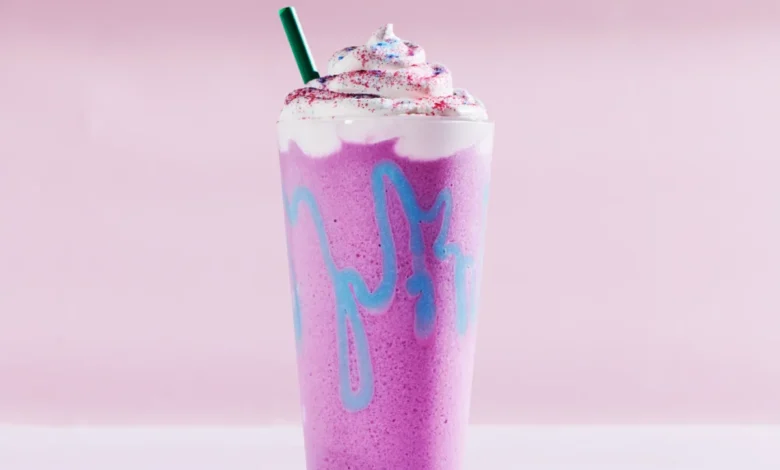
As the Starbucks Unicorn Frappuccino—a beverage that redefined the concept of "Instagrammable" food when it first debuted in the United States in 2017—finally arrives on United Kingdom shores, the retail landscape has undergone a fundamental transformation. What was once considered a lightning-in-a-bottle moment of viral luck has, by mid-2026, been codified into a precise marketing science. The launch of the neon-hued, color-changing drink for a strictly limited three-day window marks a pivotal moment in British retail, signaling that the era of traditional, slow-burn advertising cycles has been officially superseded by the "designed to travel" product drop.
In the first half of 2026, the UK retail sector witnessed a radical departure from legacy marketing strategies. Brands across the Fast-Moving Consumer Goods (FMCG), luxury, and beauty sectors have pivoted away from seasonal campaigns that span months, opting instead for hyper-compressed, high-impact launches. These products are engineered from their inception to proliferate across TikTok feeds, dominate encrypted group chats, and drive physical footfall through the sheer force of digital momentum. The most successful drops of the year have successfully blurred the lines between content creation, digital commerce, and community building, effectively reshaping the industry’s definition of "good" retail marketing.
The Scarcity Engine: From Sandwiches to Syrups
The psychology of scarcity has always been a pillar of retail, but 2026 has seen it weaponized with digital precision. Marks & Spencer (M&S) provided a masterclass in this approach in June 2026 with the release of its limited-edition chocolate, strawberry, and pistachio cream sandwich. While the product was fundamentally a simple seasonal offering, its commercial trajectory was anything but ordinary. By framing the sandwich as a scarce, "blink-and-you-miss-it" cultural artifact, M&S tapped into a collective FOMO (fear of missing out) that saw the item sell out across major London hubs within hours of daily deliveries.
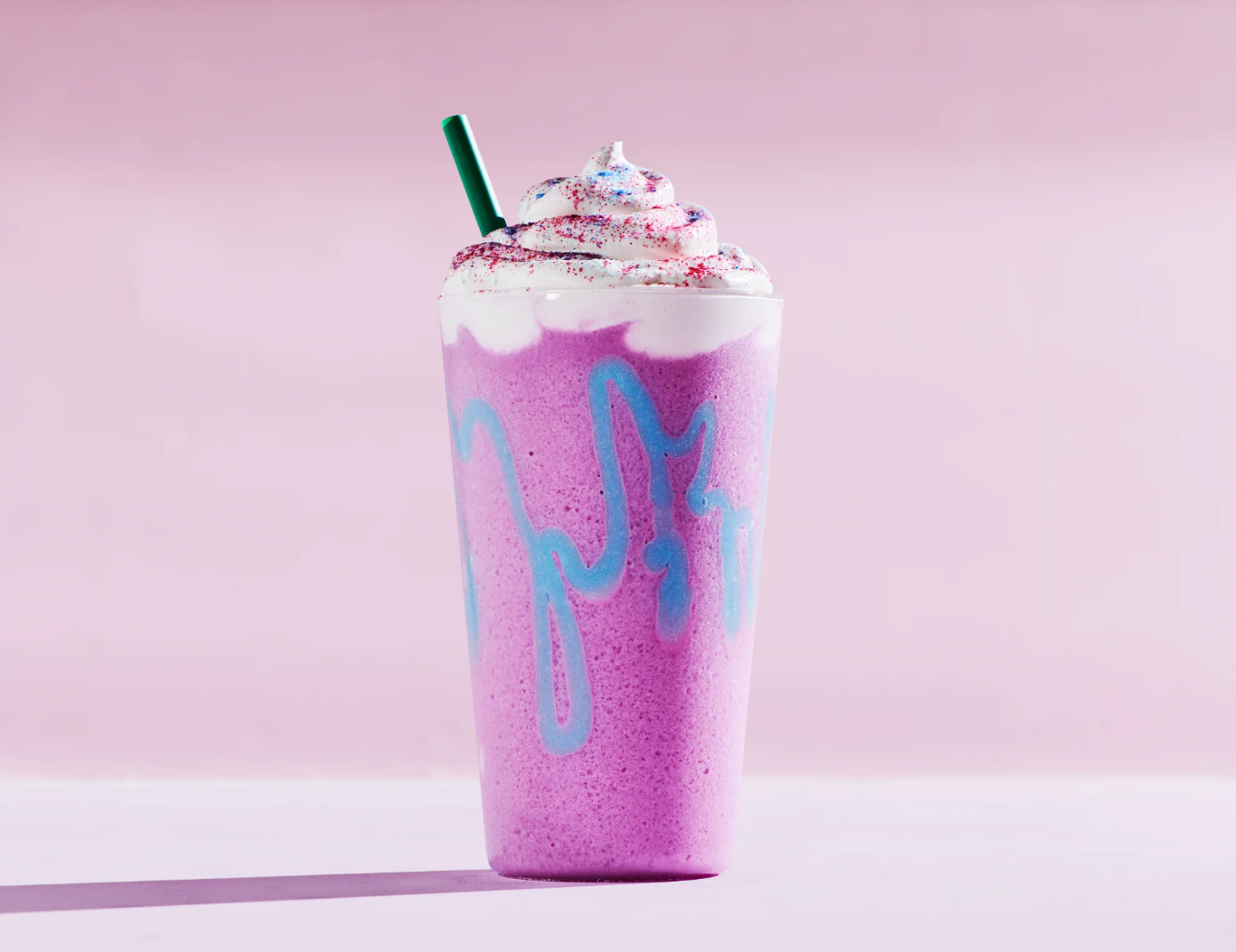
The Starbucks Unicorn Frappuccino follows a similar, albeit more aggressive, blueprint. By limiting the UK availability to a mere 72 hours, Starbucks is not merely selling a beverage; it is selling a social currency. Industry analysts note that in the 2026 economy, the value of a product is increasingly measured by its "shareability" rather than its utility. The Unicorn Frappuccino, with its color-shifting swirls of pink and blue, is designed specifically for the lens of a smartphone, ensuring that every purchase results in a multi-platform digital impression.
The Rise of Community-Led Innovation: The Unilever Model
While Starbucks and M&S have mastered the art of the "drop," Unilever has pioneered a more integrated approach through its Vaseline brand. The recent launch of the Vaseline Originals range represents a shift toward "community-led innovation." For decades, consumers have used Vaseline in ways the manufacturer never explicitly marketed—specifically the "slugging" trend and the use of petroleum jelly as a brow-shaping tool.
In 2026, Unilever closed the loop between consumer behavior and product development. By turning viral beauty hacks into dedicated physical products, such as the Vaseline Originals Brow Tamer Jelly, the FMCG giant effectively monetized existing organic content. This product did not require a traditional awareness campaign; the community had already built the demand. When the Brow Tamer Jelly launched, it sold out in minutes, primarily because it was sold through the same creator ecosystem that popularized the original hack.
Nathalia Amadeu, Global Brand Director at Vaseline, emphasized this shift in a recent statement: "Our community has always shaped how Vaseline is used. With Vaseline Originals, we have taken those timeless beauty rituals and reimagined them for today—creating products that are rooted in real behavior but designed for modern beauty routines and platforms."
This strategy highlights a broader trend: the disappearance of the traditional marketing funnel. In the 2026 retail environment, the stages of awareness, consideration, and conversion no longer occur over weeks. Instead, through live-shopping events and creator-led drops, they happen simultaneously. A consumer sees a product in a short-form video, clicks an integrated link, and completes a purchase within seconds, often before the "hype" has even reached mainstream news outlets.
A Chronology of Viral Disruption: H1 2026
To understand the scale of this shift, one must look at the sequence of high-profile launches that defined the first half of 2026:
- April 2026: The Nespresso Experiment. Nespresso trialed a "Pickled Coffee Cola" at a high-concept pop-up activation. The polarizing flavor profile was intentionally designed to spark debate on social platforms, proving that even "negative" or confused engagement can drive massive brand visibility among younger demographics.
- May 2026: Disney’s Collectible Craze. Disney unveiled a London-based pop-up for a new range of limited-edition collectibles. By utilizing blind-box mechanics and location-specific exclusives, they drove thousands of fans to queue overnight, creating a feedback loop of digital "haul" videos.
- June 2026: The ASOS London Lido. Digital fashion giant ASOS moved into the physical realm with a two-day immersive experience at a London Lido. The event allowed consumers to test "summer’s most wanted" beauty products in a setting designed specifically for content creation.
- July 2026: Starbucks UK Unicorn Debut. The arrival of the 2017 US sensation in the UK serves as a bookend to a season of viral marketing, proving that nostalgia can be just as potent a viral catalyst as innovation.
Experiential Retail and the Digital Feedback Loop
The ASOS London Lido pop-up serves as a prime example of how physical retail is being reimagined as a content studio. Bernadette Sullivan, Director of Face and Body at ASOS, noted that the goal was to capitalize on the summer mood of experimentation. "With the London Lido pop-up, we wanted to bring that sense of fun and discovery into a real-world setting, in a way that feels approachable and easy to engage with," Sullivan explained.
However, the "discovery" Sullivan mentions is inextricably linked to digital amplification. Every element of the Lido pop-up—from the lighting to the product displays—was optimized for mobile photography. This creates a feedback loop: the physical event generates organic digital reach, which in turn drives more footfall to the event or traffic to the website.
Other brands have followed suit with experiential activations that go beyond their core product categories. Lululemon, the athletic apparel brand, recently brought padel courts to Manchester’s Trafford Centre. By associating the brand with a trending sport and a social experience, Lululemon moved from being a clothing provider to a lifestyle facilitator, generating thousands of "lifestyle" posts that serve as soft-sell advertisements.
Data Analysis: The Impact of the "Drop" Economy
The shift toward viral-by-design marketing is backed by significant shifts in consumer data. According to retail analysts, social commerce in the UK is projected to grow by 28% year-on-year in 2026, with Gen Z and Gen Alpha consumers attributing over 60% of their "impulse" purchases to short-form video content.
Furthermore, the "three-day window" model utilized by Starbucks has proven to be highly efficient for inventory management. By concentrating demand into a 72-hour period, retailers can minimize waste and maximize the density of sales. Data from the M&S sandwich launch suggested that limited-edition drops can increase overall store footfall by up to 15%, as consumers who miss out on the viral item often stay to purchase alternative products.
The "creator-led" aspect of these launches also yields higher conversion rates. Traditional digital ads in 2026 see an average click-through rate (CTR) of less than 1%, whereas creator-led product drops on platforms like TikTok and Instagram often see conversion rates exceeding 12% during the first hour of a launch.
Broader Implications for the Retail Industry
The implications of this shift are profound for the future of the high street and e-commerce alike. We are witnessing the end of the "product as an endpoint." In the new paradigm, the product is merely the starting point for a narrative. Whether it is a blue and pink Frappuccino or a pickled coffee soda, the item serves as a catalyst for community engagement, storytelling, and brand-building.
For retailers, the challenge lies in agility. The traditional supply chain, often built for months of lead time, is being forced to adapt to a world where a trend can emerge and peak within a single week. Brands that can "close the loop"—like Unilever with its Vaseline Originals—will have a significant competitive advantage.
Ultimately, the success of the 2026 marketing season suggests that the next generation of winning brands will not be measured solely by units sold, but by the velocity of their cultural impact. In a crowded marketplace, the ability to make a product "travel" across the digital landscape has become the most valuable asset a brand can possess. As the Unicorn Frappuccino disappears from UK menus after its three-day stint, its legacy will remain not in the flavor of the drink, but in the thousands of digital footprints it leaves behind, marking another milestone in the science of the viral drop.
Related posts: