Digital Edition: Heatwave delivers mixed trading for independents as they call on Andy Burnham for support

The UK fashion industry is currently navigating a period of profound volatility as record-breaking summer temperatures and a series of three consecutive heatwaves have created a fragmented trading environment for independent retailers. As the mercury consistently climbed above 35°C throughout June and July 2026, the traditional rhythm of the high street has been disrupted, leading to a stark divide between those benefiting from a surge in demand for summer essentials and those struggling with plummeting footfall in stifling urban centers. Against this backdrop of environmental and economic pressure, the independent retail sector has intensified its lobbying efforts, directing an urgent plea to the newly inaugurated Prime Minister, Andy Burnham, to address the long-standing inequities of the business rates system.
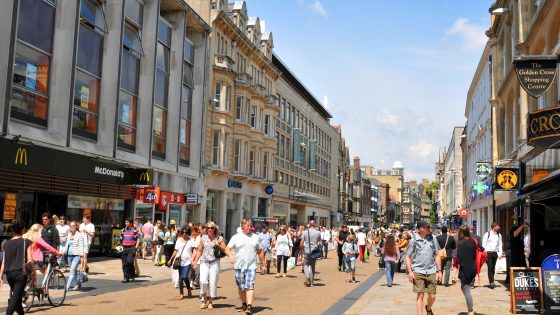
The summer of 2026 has already secured its place in the meteorological record books. For independent fashion boutiques, the impact of this extreme weather has been twofold. On one hand, the prolonged sunshine has cleared inventories of linen dresses, swimwear, and lightweight accessories—items that in previous years might have required heavy discounting to move. On the other hand, the sheer intensity of the heat has deterred shoppers from visiting physical stores during peak daylight hours, particularly in historic market towns and city centers where aging infrastructure often lacks modern climate control. This "mixed bag" of performance has left many business owners in a precarious position as they attempt to balance the books ahead of the critical autumn/winter transition.
A Chronology of the 2026 Summer Heatwaves
The current retail landscape is the result of a compounding weather pattern that began in late May. To understand the current distress of the independent sector, it is necessary to examine the timeline of the summer’s climatic events:
- The Late May Surge: Temperatures began to rise unseasonably early, with a "mini-heatwave" hitting the UK during the final week of May. This initially boosted sales for high-end independent boutiques, as consumers rushed to purchase occasion wear for the early wedding season.
- The Mid-June Peak: The first official heatwave of the year arrived in the second week of June, with temperatures reaching 34°C in London and the Southeast. While coastal retailers reported record footfall, inland boutiques saw a 15% decline in walk-in customers compared to the same period in 2025.
- The July Double-Header: July saw two back-to-back heatwaves. The first, during the first week of the month, saw the UK’s all-time temperature record challenged. The second, which began in mid-July and continues to linger, has seen night-time temperatures remain above 20°C, leading to widespread consumer fatigue.
This sustained heat has fundamentally altered the "shopping window." Data from retail analysts suggests that while total sales volume for summer apparel is up by 8% year-on-year for independents, the cost of doing business—driven by the need for increased ventilation, refrigeration for staff, and the logistical challenges of transporting goods in extreme heat—has eroded profit margins.
The Business Rates Crisis and the Burnham Administration
While the weather is a significant factor in current trading conditions, it is the underlying economic framework that has driven independent retailers to take a stand. The transition of Andy Burnham to 10 Downing Street has been met with a mixture of cautious optimism and immediate demands for reform. For years, the independent sector has argued that the business rates system is an archaic relic of a pre-digital age, unfairly penalizing physical stores while allowing online giants to operate with significantly lower overheads.
The call for action is centered on several key demands:
- A Comprehensive Revaluation: Retailers are calling for an immediate freeze and subsequent downward revaluation of business rates to reflect the reality of post-pandemic high street valuations.
- The "Green Rebate": As heatwaves become more frequent, independents are asking for tax credits or business rate relief for stores that invest in energy-efficient cooling systems and sustainable infrastructure.
- Online Sales Tax: A renewed push for a meaningful tax on major e-commerce platforms, the proceeds of which would be used to subsidize the physical high street.
Prime Minister Burnham, who campaigned on a platform of regional revitalization and "leveling up" the North and the Midlands, now faces his first major domestic test. Industry bodies, including the British Retail Consortium (BRC) and the Association of Independent Retailers, have argued that without immediate intervention, the "mixed trading" of the summer will turn into a winter of closures.
Supporting Data: Footfall and Sector Performance
Recent data released by retail tracking firms provides a clearer picture of the current disparities. In the three weeks leading up to July 24, 2026, footfall in "high-street" locations fell by an average of 12.4% across the UK. However, "lifestyle centers" and coastal "resort towns" saw an increase of 6.2%.
The performance by category within the fashion sector further illustrates the volatility:
- Occasion Wear: Sales are up 14% as the social calendar remains packed, though many customers are opting for "click and collect" to avoid spending time in physical shops.
- Footwear: High-end sandal and espadrille sales have seen a 22% spike, while sales of traditional leather boots and formal shoes have stagnated.
- Luxury Basics: Independent boutiques focusing on premium cotton and linen basics report a 10% increase in average transaction value (ATV).
Despite these pockets of growth, the "high-street" environment remains hostile. Small-to-medium enterprises (SMEs) report that the volatility of the weather makes stock management nearly impossible. "We are selling out of linen in 48 hours, but we can’t get restocked fast enough because the supply chains are also buckling under the heat," said one boutique owner in Manchester. "Meanwhile, the business rates bill stays exactly the same, regardless of whether it’s too hot for customers to walk through the door."
Industry Reactions and Stakeholder Perspectives
The sentiment among independent retailers is one of exhaustion mixed with a renewed sense of political urgency. Speaking on behalf of a collective of independent fashion retailers in the Midlands, Sarah Jenkins, owner of The Thread Edit, highlighted the disconnect between government policy and high-street reality.
"We have survived the pandemic, we have survived the energy crisis, and now we are surviving a climate that the UK high street simply wasn’t built for," Jenkins stated. "Andy Burnham has spoken a lot about supporting the ‘everyday economy.’ There is nothing more central to the everyday economy than the independent shopkeeper. We need him to move beyond rhetoric. The business rates system is a lead weight around our necks during a time when we need to be agile."
Retail analysts have also weighed in on the "Burnham factor." Dr. Marcus Thorne of the London School of Retail noted, "The new Prime Minister has a unique opportunity. His background in regional government gives him a better understanding than most of how the high street functions as a social hub. However, the Treasury is under immense pressure. The question is whether Burnham will prioritize the long-term health of the high street over short-term tax receipts."
Broader Implications and the Future of the High Street
The challenges of the summer of 2026 are not merely a temporary blip but a signal of a permanent shift in the retail landscape. Climate scientists warn that the "triple heatwave" experienced this year may become the standard for British summers by the 2030s. This necessitates a complete rethink of how fashion is sold and how retail spaces are designed.
1. The Shift in the Seasonal Calendar:
Independent retailers are increasingly questioning the traditional "Spring/Summer" and "Autumn/Winter" dichotomy. Many are moving toward "seasonless" collections or "weather-responsive" inventory management. However, this requires a level of flexibility from suppliers that many smaller boutiques struggle to secure.
2. The Role of Technology:
To combat the dip in footfall during extreme heat, many independents are investing in "hyper-local" digital marketing, targeting customers with evening shopping events when the temperature drops. The success of these initiatives further highlights the need for the government to support digital upskilling for small business owners.
3. Urban Planning and Cooling:
The call for Andy Burnham’s support extends beyond taxes. Retailers are also looking for local and national investment in "cool zones"—urban greening and shading that makes high streets habitable during heatwaves. Without this, the physical act of shopping will become an seasonal activity, further pushing consumers toward the 24/7 climate-controlled convenience of online shopping.
Conclusion: A Critical Juncture
As the UK moves toward the end of July, the immediate focus remains on the "trading tail" of the current heatwave. For independent fashion retailers, the coming months will be a period of intense scrutiny. They will be watching the new government’s first budget with bated breath, looking for a sign that the voices of the high street have finally been heard in Westminster.
The "mixed trading" reported this summer is a symptom of a larger transition. The independent sector has proven its resilience time and again, but the combination of extreme weather and an outdated tax system represents a formidable challenge. Prime Minister Andy Burnham’s response to these calls for support will likely define the future of the UK’s independent retail landscape for the remainder of the decade. For now, boutiques across the country continue to manage their stock and their staff through the sweltering heat, waiting for a cooling breeze—both from the weather and from the halls of power.
Related posts: