Your Wedding Isn’t a Board Meeting: What To Wear if You’re an Alternative Groom With Taste

The Shifting Paradigm of Groomswear
The traditional wedding fashion landscape has long operated under the assumption that grooms are satisfied with a limited palette of options. While bridal fashion is celebrated for its diversity in silhouette, fabric, and detail, grooms have frequently been handed a narrow selection of wool-blend suits. This lack of variety often forces men with distinct personal styles—particularly those whose wardrobes lean toward the gothic, alternative, or avant-garde—to compromise their identity on one of the most significant days of their lives.
Market analysis indicates a growing demand for "alternative" wedding attire. According to recent bridal industry reports, there has been a 25% increase in searches for non-traditional menswear, including velvet blazers, patterned waistcoats, and unique accessories. This trend is driven by a desire for "aesthetic autonomy," where both partners feel their attire reflects their personality rather than an inherited tradition. The problem, industry experts suggest, is not the suit itself, but the lack of consideration for the plethora of menswear options available beyond the standard rental shop.
The Role of Texture in Modern Tailoring
One of the most effective ways to distinguish a wedding ensemble from everyday business attire is through the strategic use of texture. A standard wool suit often appears "flat" in photographs and under various lighting conditions. By contrast, alternative fabrics such as velvet, brocade, jacquard, linen, corduroy, and textured tweeds add a three-dimensional depth to the garment.
Velvet, in particular, has seen a resurgence in winter and evening weddings. Its ability to absorb and reflect light creates a rich, luxurious appearance that photographs exceptionally well in candlelit or low-light settings, such as manor houses or converted warehouses. Brocade and jacquard offer a more ornate, historical feel, often featuring woven patterns that provide a subtle nod to Victorian or Baroque influences without appearing costumey.
For outdoor or summer weddings, textured linens and lightweight corduroys provide a more relaxed yet intentional look. These fabrics communicate a sense of place and season, moving away from the "one-suit-fits-all" mentality of the 20th century. The tactile nature of these materials ensures that the groom’s outfit is a focal point of the event’s visual narrative.
The Waistcoat as a Focal Point of Personal Expression
The waistcoat, or vest, remains one of the most underutilized tools in the groom’s wardrobe. Traditionally used as a functional layer in a three-piece suit, the modern alternative groom is reimagining the waistcoat as a standalone statement piece. This garment offers the most significant opportunity to introduce bold patterns or unconventional motifs—such as embroidered designs or even subtle skull patterns—without overwhelming the entire outfit.
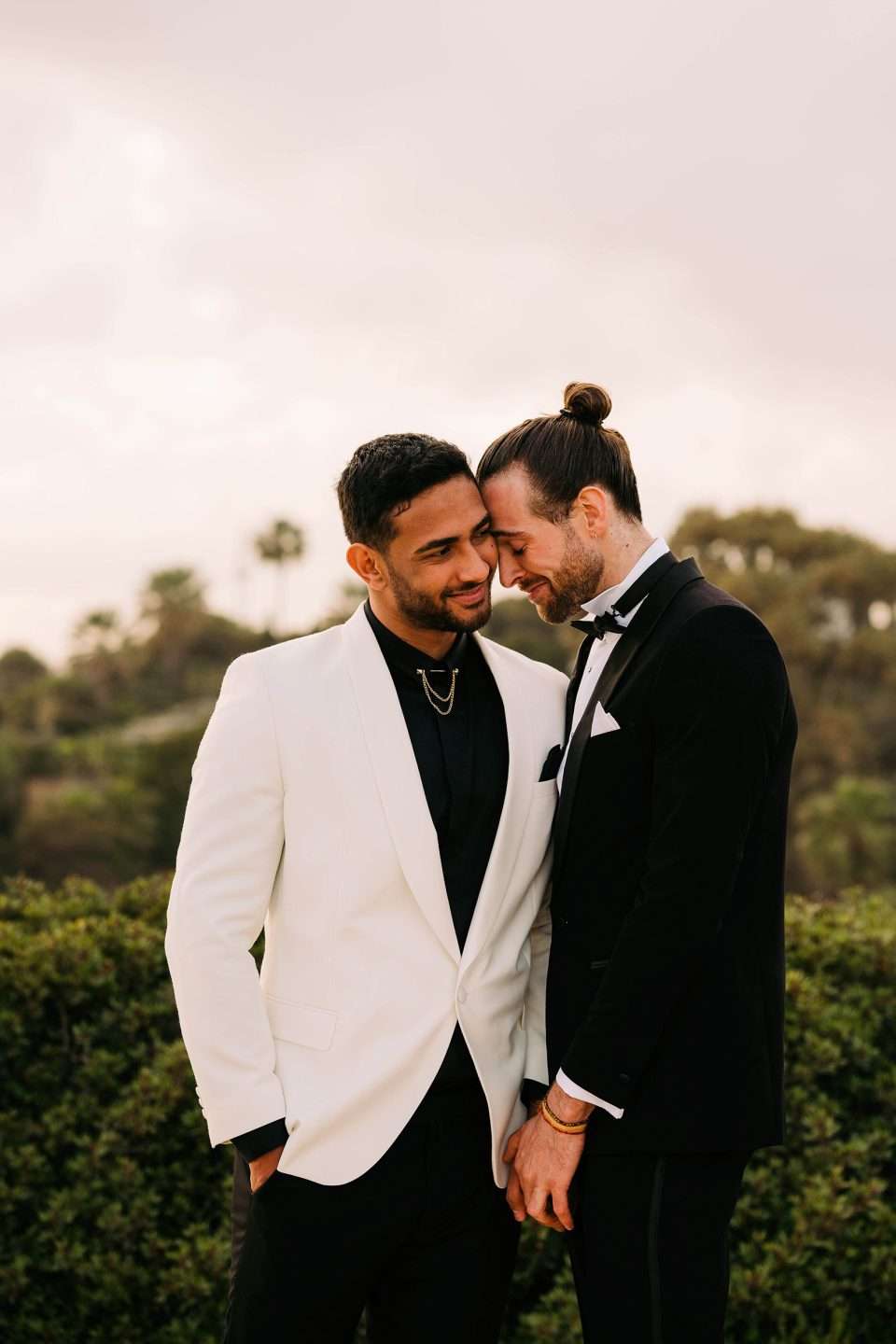
A contrasting waistcoat can transform an off-the-rack or hired suit into a bespoke-looking ensemble. It also serves a practical purpose: once the formal ceremony concludes and the jacket is removed for the reception, the waistcoat ensures the groom remains distinguishable from the guests. Fashion analysts note that the "reception look" is becoming increasingly important, and a well-chosen waistcoat allows for a seamless transition from formal vows to a more relaxed celebration.
Beyond the Silk Tie: A Revolution in Neckwear
The standard silk necktie is perhaps the most visible symbol of the corporate world. For the alternative groom, swapping this for unconventional neckwear can fundamentally alter the tone of the outfit. Options such as cravats, bolo ties, knitted ties, and ribbon ties offer a way to reference specific subcultures or historical eras.
The bolo tie, for instance, has moved beyond its Western roots to become a staple of "Western Gothic" and indie-alternative styles. Similarly, an open collar or a silk neckerchief can provide a sophisticated yet rebellious edge to a traditional blazer. The objective is to select an accessory that feels like an elevated version of the groom’s daily style rather than a borrowed identity. Small adjustments in neckwear are often the most cost-effective way to personalize a look while maintaining a high level of formality.
The Importance of Micro-Details: Lapels, Linings, and Buttons
In professional journalism and fashion criticism, it is often said that the difference between fashion and style lies in the details. For the alternative groom, these details include lapel shapes, button choices, and interior linings.
Peak lapels, which point upward toward the shoulders, offer a sharper, more aggressive silhouette compared to the standard notch lapel found on business suits. This small change can lend a sense of "edge" to a jacket. Furthermore, custom details such as contrast piping, colored buttonholes, and unique buttons (made from bone, metal, or antique materials) provide layers of character.
Patterned linings offer a "secret" element of personality. A groom might wear a seemingly conservative black velvet jacket that reveals a vibrant, patterned lining when unbuttoned. These elements contribute to the overall "taste" of the outfit, signaling that the garment was chosen with intention rather than out of obligation.
Accessories and the Preservation of Identity
A common pitfall in wedding planning is the pressure to purchase an entirely new set of accessories that do not align with the wearer’s history. Professional stylists recommend that grooms incorporate items they already value. This might include a collection of rings worn for years, vintage cufflinks inherited from a family member, or a favorite pair of well-worn leather boots.
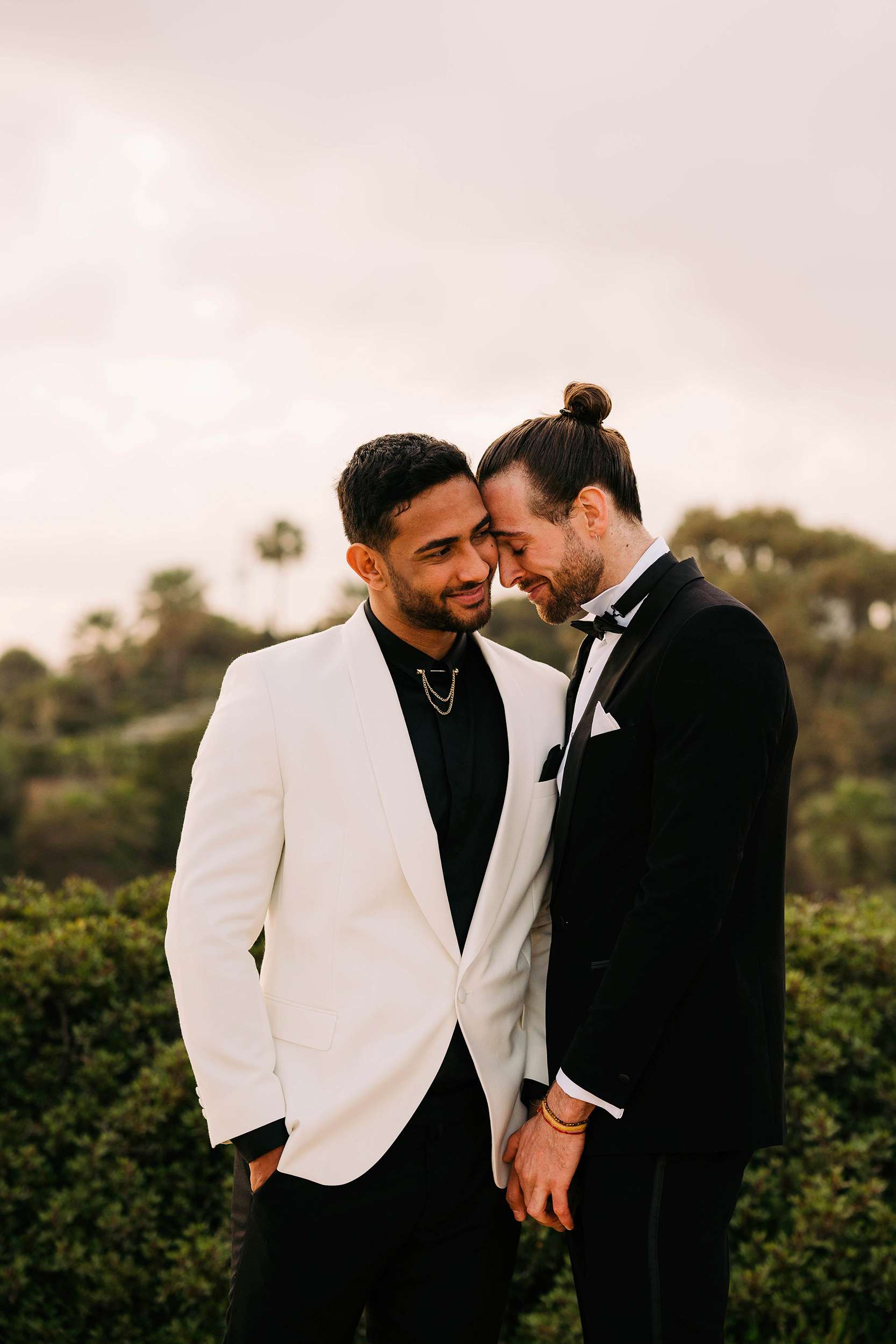
The integration of personal jewelry and footwear prevents the groom from feeling like he is wearing a costume. For those in the alternative community, jewelry—ranging from heavy silver bands to facial piercings—should be viewed as an integral part of the wedding attire rather than something to be hidden. The modern consensus among wedding planners is that the most successful wedding looks are those where the individual’s personality remains visible.
The Critical Necessity of Professional Tailoring
Regardless of how bold the fabric or how unique the accessories, the success of a groom’s outfit is ultimately dependent on fit. The "puddling" of trousers around the shoes or shoulders that extend beyond the natural frame are the hallmarks of a poorly executed look. Professional tailoring is the bridge between a garment that looks "hired" and one that looks "authored."
Investing in alterations is considered a non-negotiable step for the alternative groom. A tailor specializing in wedding garments can adjust an off-the-rack suit to follow the contours of the body, ensuring that even unconventional styles maintain a sharp, polished appearance. This is particularly important for bold fabrics like velvet or brocade, which can appear bulky if not fitted precisely.
Market Trends and Economic Implications
The rise of the alternative groom is also a reflection of broader economic shifts in the wedding industry. As the average age of couples getting married increases, grooms often have more established personal styles and greater disposable income to invest in high-quality, reusable pieces.
There is a notable move toward "sustainability through longevity." Rather than renting a cheap suit for one day, many grooms are opting to commission bespoke pieces that can be worn again in different configurations. A velvet dinner jacket, for instance, can be paired with denim for a high-end social event years after the wedding. This shift toward "investment dressing" is reshaping the menswear market, with luxury tailors reporting a 15% increase in requests for non-traditional wedding commissions.
Conclusion: The Future of the Alternative Groom
The movement away from the "board meeting" aesthetic in wedding fashion is more than a passing trend; it is a realignment of the groom’s role in the celebration. By prioritizing texture, fit, and personal history, the alternative groom asserts his presence as an equal participant in the visual elegance of the wedding.
The transition from standardized uniforms to personalized sartorial statements reflects a broader cultural shift toward authenticity. As the industry continues to evolve, the expectation that a groom should "disappear" is being replaced by an appreciation for taste, individuality, and the courage to wear something that truly resonates with the wearer’s soul. In the modern era, a wedding is no longer just a ceremony of union; it is a gallery of personal identity, where the groom’s attire is as much a piece of the story as the vows themselves.