Komar Built a Sustainability Scorecard for Measurable Change Heres What Happened

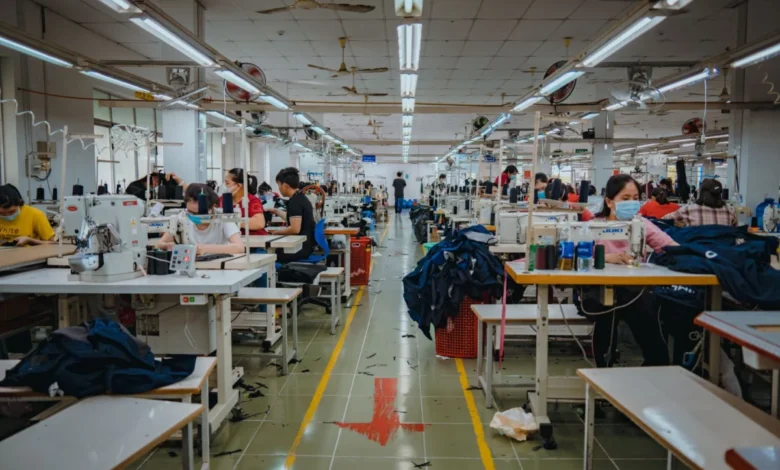
The global apparel and textile industry has long struggled with the challenge of translating ambitious environmental targets into measurable, everyday operational changes. For decades, sustainability initiatives within fashion supply chains have been plagued by vague commitments, inconsistent metrics, and a lack of accountability. However, as regulatory pressures mount and consumer demand for radical transparency intensifies, leading apparel design, sourcing, and manufacturing enterprises are being forced to rethink how they track and verify their ecological impact. A notable development in this ongoing corporate evolution is the creation of a proprietary sustainability scorecard by Komar, one of the world’s leading apparel solutions providers. This comprehensive framework was designed to evaluate, quantify, and drive continuous environmental improvements across its extensive global supply chain network. By shifting the paradigm from qualitative aspirations to hard, data-driven metrics, Komar’s initiative offers a compelling case study on how traditional apparel giants are operationalizing sustainability to achieve verifiable change.
Background and Context of the Apparel Industry Sustainability Crisis
To understand the significance of Komar’s sustainability scorecard, it is essential to examine the broader systemic issues facing the global fashion sector. The textile and apparel industry accounts for an estimated eight to ten percent of global carbon emissions, alongside immense water consumption, chemical pollution, and massive textile waste generation. For years, individual brands attempted to address these challenges through isolated corporate social responsibility programs. Yet, these efforts frequently lacked standardization. Without a unified methodology to measure factory-level environmental performance, comparing the sustainability credentials of different suppliers remained an elusive goal.
In recent years, the regulatory landscape has shifted dramatically. Legislative bodies across the European Union and North America have introduced stringent compliance mandates. Frameworks such as the European Union’s Corporate Sustainability Due Diligence Directive and various emerging greenwashing laws mean that apparel companies can no longer rely on vague marketing narratives. They must substantiate every environmental claim with verifiable data. Furthermore, retail partners and institutional investors are increasingly incorporating environmental, social, and governance metrics into their procurement and funding decisions. In this high-stakes environment, companies that fail to implement robust measurement tools risk both regulatory penalties and severe reputational damage.
The Genesis and Development of the Komar Scorecard
Komar, a heritage player in the apparel industry with a diverse portfolio spanning sleepwear, loungewear, childrenswear, and lifestyle brands, recognized early on that managing sustainability required a systemic, data-first approach. The company operates a complex, multi-tiered global supply chain involving numerous manufacturing partners, raw material providers, and distribution hubs across Asia, Central America, and beyond. Managing environmental metrics across such a vast ecosystem necessitated a centralized, objective evaluation tool.
The development of the scorecard began as an internal initiative aimed at establishing a baseline measurement for partner facilities. Komar’s sustainability and compliance teams collaborated with industry experts, environmental engineers, and supply chain specialists to design a comprehensive evaluation framework. The objective was not merely to audit factories, but to create a collaborative platform that would incentivize continuous improvement. Rather than imposing punitive measures for subpar performance, the scorecard was structured to identify operational gaps, highlight areas of excellence, and provide a clear roadmap for remediation and progress.
Key Metrics and Evaluation Criteria Within the Framework
At the core of the Komar sustainability scorecard is a multi-dimensional assessment matrix that covers critical environmental and operational pillars. Unlike generic industry certifications that offer a binary pass-or-fail result, this granular scorecard assigns quantitative scores across several key performance indicators.
Energy Efficiency and Greenhouse Gas Emissions
A primary focus of the evaluation framework is the measurement and reduction of energy consumption. Partner facilities are required to report their direct and indirect greenhouse gas emissions, commonly categorized under Scope 1 and Scope 2 emissions. The scorecard evaluates the adoption of energy-efficient machinery, the transition to renewable energy sources, and the implementation of systematic energy management systems. Facilities that demonstrate a measurable reduction in kilowatt-hour consumption per unit produced receive significantly higher ratings.
Water Stewardship and Wastewater Management
Water usage is another critical metric integrated into the scorecard. Given the textile industry’s heavy reliance on water for dyeing, finishing, and processing, Komar’s framework evaluates the efficiency of water intake relative to production volume. Furthermore, the scorecard assesses wastewater treatment practices, ensuring that partner facilities adhere to strict chemical management protocols and zero-discharge objectives. Facilities equipped with advanced Effluent Treatment Plants that recycle water back into the manufacturing process score at the top tier of this category.
Waste Generation and Circularity
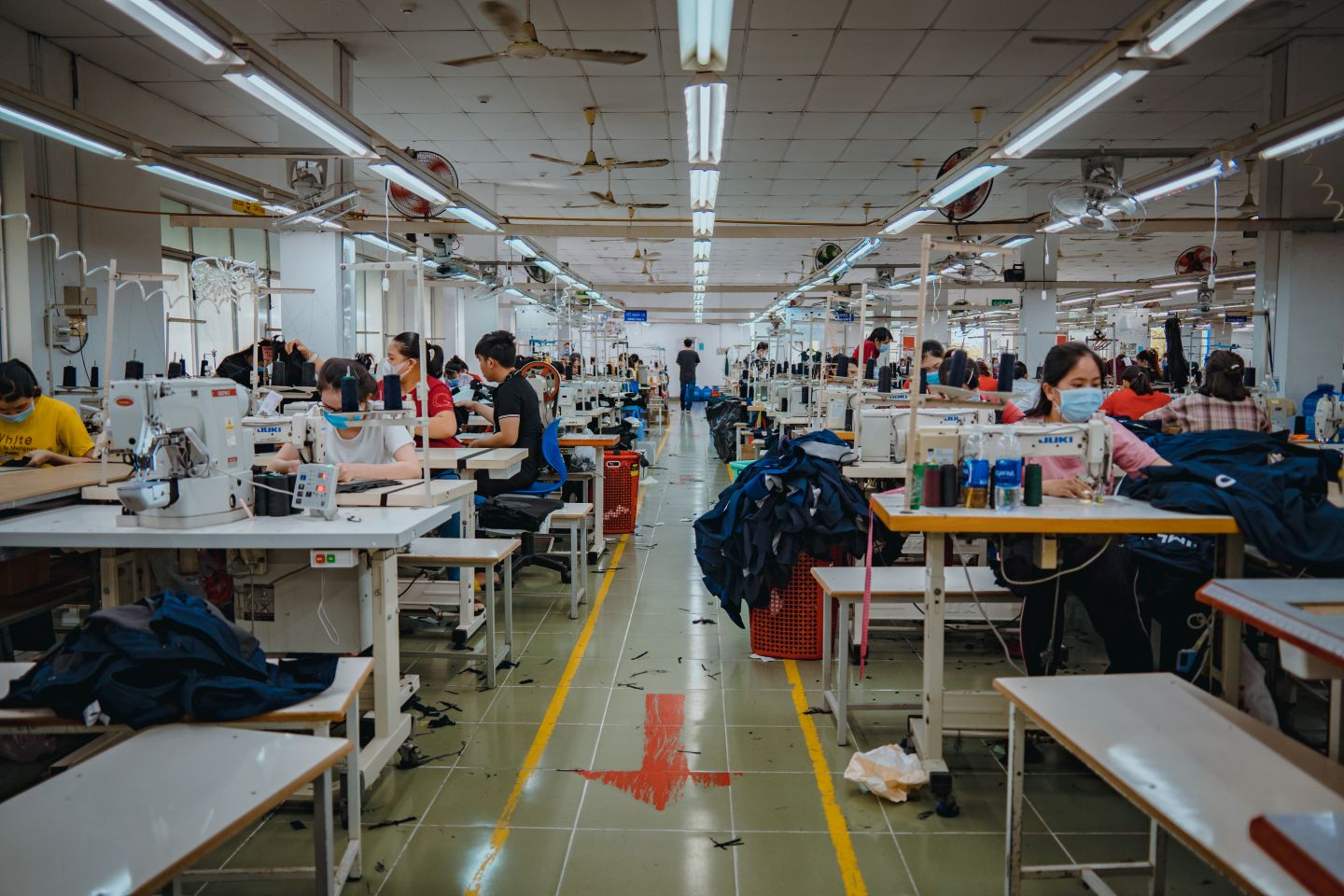
The management of pre-consumer textile waste, packaging materials, and hazardous industrial byproducts forms the third major pillar of the evaluation. The scorecard measures a facility’s diversion rate—tracking how much waste is successfully recycled, upcycled, or repurposed rather than sent to landfills. Additionally, it examines the integration of circular design principles, encouraging factories to minimize fabric cutting waste through computer-aided marker making and efficient nesting technologies.
Social Compliance and Labor Standards
While primarily focused on environmental metrics, the scorecard recognizes that true sustainability must encompass social responsibility. Environmental degradation often disproportionately affects vulnerable communities and factory workers. Therefore, the framework incorporates evaluations of workplace safety, fair wages, working hours, and labor rights, aligning with internationally recognized standards such as the International Labour Organization conventions.
The Implementation Chronology and Rollout Strategy
The deployment of a supply chain-wide sustainability scorecard is a complex operational undertaking that requires careful planning, stakeholder engagement, and phased execution. Komar approached the rollout of its scorecard through a structured, multi-year timeline designed to ensure maximum buy-in from manufacturing partners and minimize supply chain disruption.
Phase One: Pilot Testing and Baseline Establishment
In the initial rollout phase, Komar deployed the scorecard across a select group of core manufacturing facilities. This pilot program served as a testing ground to evaluate the functionality of the digital platform, assess the accuracy of the data collection process, and gather feedback from factory operators. During this phase, the primary objective was not to penalize low scores, but to establish an accurate baseline of the existing environmental footprint across diverse geographical regions and facility types.
Phase Two: Calibration and Supplier Training
Following the pilot phase, Komar analyzed the preliminary data to refine the scoring algorithms and ensure that the evaluation criteria were fair, realistic, and culturally adaptable to different operating environments. Recognizing that many smaller suppliers lacked the internal technical expertise or financial resources to immediately implement advanced sustainability measures, Komar invested heavily in supplier capacity building. The company conducted a series of virtual and on-site training workshops, educating factory management teams on best practices for energy conservation, data logging, and waste reduction.
Phase Three: Full Integration and Performance Benchmarking
With the foundation established, the scorecard was rolled out across the broader global supply chain network. Partner facilities were integrated into a centralized digital portal where they could regularly submit operational data, track their performance scores in real-time, and benchmark themselves against industry peers. This phase transformed the scorecard from a static auditing tool into a dynamic management system. Komar tied future sourcing allocations and partnership longevity to continuous score improvements, creating a tangible commercial incentive for suppliers to prioritize sustainability investments.
Data-Driven Insights: What the Scorecard Revealed
The implementation of the Komar sustainability scorecard generated a vast repository of empirical data regarding the operational realities of global apparel manufacturing. The insights gleaned from thousands of facility assessments provided a revealing look at where the industry excels and where persistent bottlenecks remain.
One of the most significant findings during the initial data aggregation phase was the substantial variance in energy efficiency among similarly sized factories operating in the same geographic region. This variance demonstrated that operational habits, equipment maintenance, and facility management practices played an outsized role in determining environmental impact, often independent of the age of the machinery. By identifying these performance outliers, Komar was able to facilitate knowledge-sharing initiatives, encouraging top-performing facilities to share their operational methodologies with struggling peers.
Another critical insight centered on water management. While larger, Tier-1 manufacturing partners often possessed sophisticated wastewater treatment systems, smaller sub-tier suppliers frequently lacked the infrastructure to monitor and treat chemical effluents effectively. This data underscored the necessity of targeted financial and technical support for smaller enterprises within the supply chain, proving that sweeping sustainability goals cannot be achieved without uplifting the weakest links in the manufacturing network.
Furthermore, the data highlighted a strong correlation between digital data tracking and environmental improvement. Facilities that adopted automated IoT sensors to monitor energy and water consumption in real-time consistently achieved higher scorecard ratings than those relying on manual, paper-based record-keeping. This insight accelerated Komar’s push toward complete supply chain digitalization.

Industry Reactions and Strategic Implications
The introduction and deployment of Komar’s sustainability scorecard have drawn significant attention from industry analysts, environmental advocates, and competing apparel enterprises. The initiative is widely viewed as a pragmatic response to the growing industry consensus that vague pledges must be replaced by verifiable data structures.
Industry analysts have praised the initiative for its collaborative rather than punitive approach. By pairing rigorous evaluation standards with educational support and commercial incentives, Komar has demonstrated that supply chain decarbonization and efficiency upgrades can be achieved without alienating vital manufacturing partners. This model addresses one of the primary obstacles in apparel sustainability: the friction between high corporate expectations and the financial constraints faced by individual factories.
From a strategic standpoint, the scorecard provides Komar with a distinct competitive advantage. As retail brands face increasing scrutiny from consumers and regulators regarding their supply chain ethics, having a verified, data-backed sustainability framework offers a compelling value proposition. Brands partnering with Komar can confidently market their products with transparent impact metrics, significantly reducing their exposure to greenwashing allegations.
Moreover, the implementation of the scorecard aligns with broader macroeconomic trends favoring supply chain resilience. Facilities that optimize their energy and water usage are inherently less vulnerable to resource scarcity, rising utility costs, and volatile energy markets. Consequently, the scorecard is not merely an environmental compliance tool, but a comprehensive risk-management strategy that enhances the long-term viability of the entire manufacturing network.
Challenges and the Road Ahead
Despite the notable successes achieved through the Komar sustainability scorecard, the initiative also highlights the enduring challenges associated with transforming global apparel supply chains. Maintaining data accuracy across thousands of international facilities remains a complex task. Ensuring that self-reported data is consistently verified through independent third-party audits is critical to maintaining the integrity of the scoring system.
Additionally, the fast-paced nature of fashion, characterized by fluctuating seasonal demands and short production cycles, can occasionally conflict with long-term sustainability investments. Factory operators balancing tight margins and demanding delivery schedules may struggle to prioritize capital-intensive environmental upgrades without ongoing financial support from buyers.
Looking ahead, Komar plans to expand the scope of the scorecard to incorporate deeper lifecycle assessments, tracking the environmental footprint of raw materials from agricultural origins to final retail delivery. Plans are also underway to integrate blockchain technology to ensure absolute immutability and transparency of the data collected across the supply chain.
Conclusion
The journey of Komar in developing and implementing a proprietary sustainability scorecard illustrates a crucial inflection point for the global apparel industry. By replacing rhetoric with rigorous, data-driven measurement, the company has transformed how environmental responsibility is operationalized across its supply chain network. The initiative demonstrates that measurable change is not achieved through isolated corporate pledges, but through systematic evaluation, supplier empowerment, and structural accountability. As regulatory pressures intensify and the demand for absolute transparency becomes the baseline for doing business, the Komar scorecard serves as a blueprint for how traditional apparel enterprises can navigate the complexities of modern sustainability and build a resilient, future-proof manufacturing ecosystem.
Related posts: