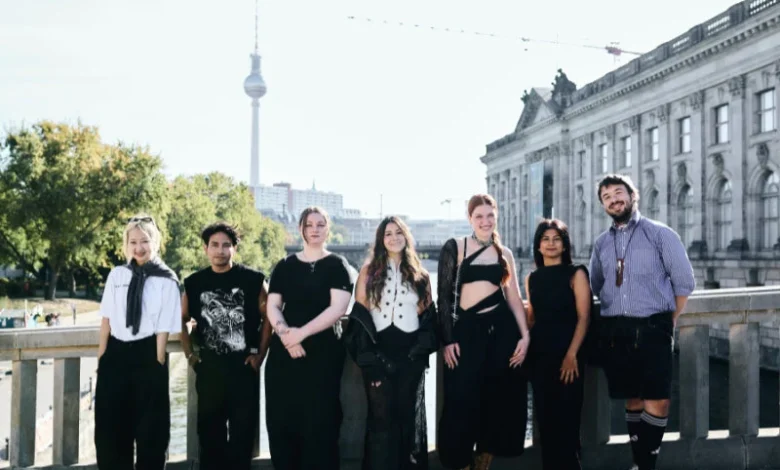
Fashion Council Germany has officially inaugurated the fifth iteration of its esteemed mentoring program, FASHION X CRAFT, marking a significant milestone in the initiative’s history by extending its reach to include both emerging German-based designers and their counterparts from the United Kingdom. This cross-border expansion underscores a strategic shift toward fostering international creative synergy, emphasizing the convergence of traditional artisanal techniques, contemporary sustainable practices, and cutting-edge design innovation.
The current edition is characterized by a high-profile collaborative framework, operating in partnership with The King’s Foundation and supported by the retail expertise of Lands’ End. Notably, this cycle receives formal backing from the Federal Government Commissioner for Culture and the Media, Dr. Wolfram Weimer, signaling a heightened level of institutional recognition for the role of fashion as a pillar of cultural diplomacy and sustainable industrial development.
The Selection Process and Participant Profiles
The recruitment process for this edition involved a rigorous evaluation by a binational jury comprising industry experts from both Germany and the United Kingdom. The panel was tasked with identifying talent capable of navigating the complex intersection of heritage craft and modern circular design principles.
The eight selected designers represent a diverse spectrum of creative backgrounds. Representing Germany are Anne Kathrin Bodach, Alina Nazari, Lukas Roßkamp, and Vivien Vetterkind. Representing the United Kingdom are Genaro Alberto Rivas Ravelo, Rachel Lucretia McComb, Holly Shih, and Isabelle Pennington-Edmead. These designers were chosen based on their demonstrated potential to bridge the gap between historical manufacturing methods and the urgent need for sustainable fashion solutions in a globalized economy.
Residency and Mentorship Chronology
The program follows a structured three-week intensive residency, which has been relocated for this edition from its traditional UK base to Germany. From October 5 to October 26, 2026, the participants will be stationed at the Werkhaus Stöckle in Gerswalde, situated in the Uckermark region.
This residency serves as the primary incubator for the designers’ upcoming collections. The curriculum is meticulously designed to facilitate the transfer of knowledge; tutors from The King’s Foundation will travel from the United Kingdom to lead specialized workshops on traditional British craft techniques. These sessions will be augmented by collaborative workshops with local German artisans, ensuring a robust exchange of regional craft expertise.
The timeline for the project extends well beyond the October residency:
- October 2026: Three-week residency at Werkhaus Stöckle, focusing on skill-sharing and sustainable material innovation.
- November 2026 – January 2027: Development phase, during which each participant is tasked with creating two distinct fashion designs.
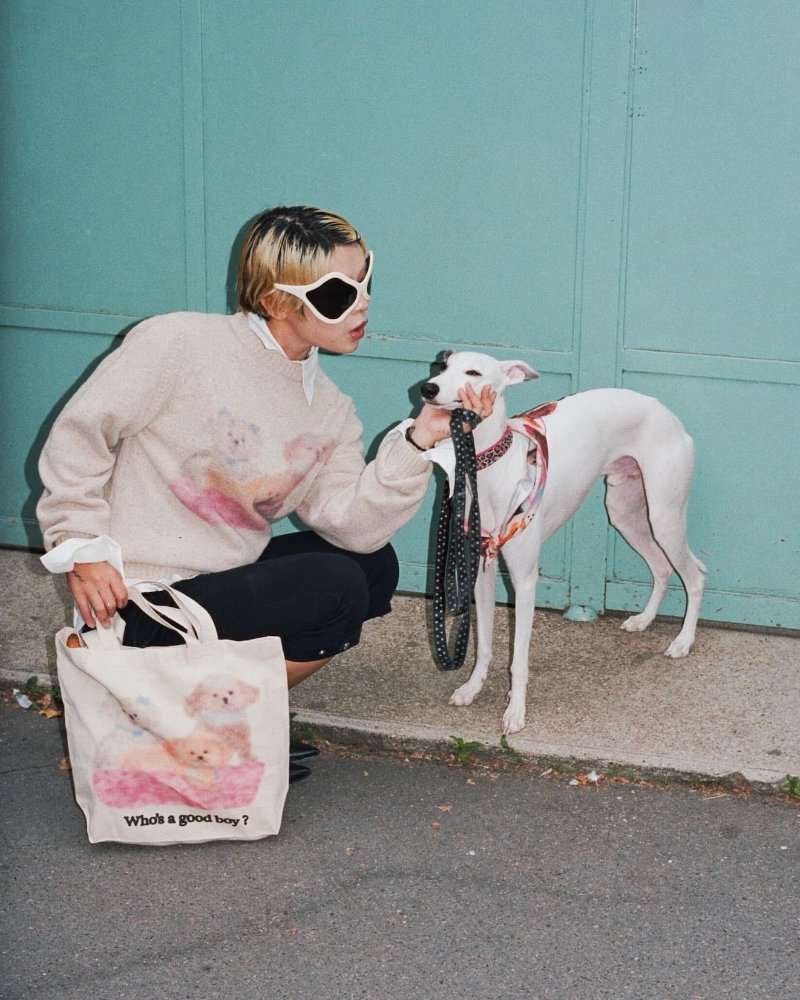
- January 2027: Deadline for the submission of the reinterpreted Lands’ End tote bag, utilizing circular materials provided by ZEROW.
- February 2027 (FW27): Public debut of the collections during Berlin Fashion Week.
- Summer 2027: Culminating exhibition in the United Kingdom, providing the participants with a platform to reach international buyers and media.
Supporting Data and Sustainable Objectives
The focus of the FASHION X CRAFT program remains rooted in the "circularity-first" approach. The collaboration with ZEROW, a provider of sustainable textiles and repurposed materials, is central to the program’s objective of reducing the industry’s reliance on virgin resources. By requiring participants to re-engineer an iconic consumer product—the Lands’ End tote bag—the program forces a practical application of upcycling and material efficiency.
Industry data supports the necessity of such initiatives. According to recent reports on European textile waste, the fashion industry continues to struggle with the management of post-production scraps and deadstock fabrics. Programs like FASHION X CRAFT act as a laboratory for circular design, demonstrating that luxury and mid-market fashion can maintain high aesthetic standards while significantly lowering environmental footprints. The inclusion of the Federal Government Commissioner for Culture and the Media highlights that these efforts are no longer peripheral but are viewed as essential to the long-term competitiveness of the European fashion sector.
Official Statements and Industry Impact
Scott Lipinski, CEO of Fashion Council Germany, emphasized the necessity of human capital in preserving technical skill sets. "Craft lives through passing skills on, and that is exactly what happens in FASHION X CRAFT," Lipinski stated. He further noted that the institutional support from the German government and The King’s Foundation sends a clear signal regarding the perceived value of craftsmanship and sustainability as foundational pillars for future economic growth.
The partnership with The King’s Foundation is particularly noteworthy, as the organization has long championed the preservation of traditional textile arts and sustainable fashion education. By aligning with German design talent, the Foundation is effectively institutionalizing the dialogue between British heritage techniques—often associated with tailoring and knitwear—and the experimental, often technologically driven, approach typical of the contemporary Berlin fashion scene.
Analysis: The Geopolitics of Fashion Education
The decision to open the program to British designers in a post-Brexit landscape carries significant symbolic and practical weight. While trade barriers and regulatory differences have complicated the movement of goods and labor between the UK and the EU, initiatives like FASHION X CRAFT serve as a vital "soft power" mechanism, maintaining professional links between creative communities.

The shift in the residency location to the Uckermark region of Germany also reflects a broader trend in the industry: the decentralization of fashion innovation. By moving away from the metropolitan centers of London and Berlin, the program encourages designers to engage with local, rural, and decentralized manufacturing ecosystems. This not only minimizes the carbon footprint associated with large-scale production hubs but also fosters a deeper connection between the designer and the source of their production.
For the designers involved, the implications are substantial. The program provides not only technical mentorship but also international exposure at two of the most critical junctures in the fashion calendar. By exhibiting at Berlin Fashion Week and later in the UK, participants are positioned to secure distribution channels in two of Europe’s largest fashion markets.
Broader Implications for the Future of Craft
The success of the FASHION X CRAFT initiative hinges on its ability to demonstrate that "traditional" does not mean "obsolete." By embedding historical craft within a framework of contemporary innovation, the program addresses the industry’s most pressing challenges: the loss of skilled artisans and the environmental crisis caused by mass-market, low-quality production.
As the fifth edition commences, the focus will be on the scalability of the techniques developed during the residency. If these eight designers can successfully integrate their findings into their own commercial practices, the program will have achieved its ultimate goal: moving beyond the "mentorship" label to become a genuine catalyst for industrial change. The inclusion of commercial partners like Lands’ End suggests that there is a tangible appetite for this expertise at a consumer level, bridging the gap between niche artisanal output and scalable, sustainable retail.

In summary, the 2026-2027 edition of FASHION X CRAFT represents a convergence of institutional support, cross-border cooperation, and environmental consciousness. As the participants begin their residency in Gerswalde, the international fashion community will be watching to see how the synthesis of British and German perspectives shapes the next generation of conscious design. The outcome of this program will likely serve as a blueprint for future mentorship initiatives seeking to balance the preservation of cultural heritage with the rapid technological and environmental demands of the 21st-century global market.
Related posts: