Nike Ordered to Pay $7.5 Million in Punitive Damages in Landmark Gender Discrimination Case

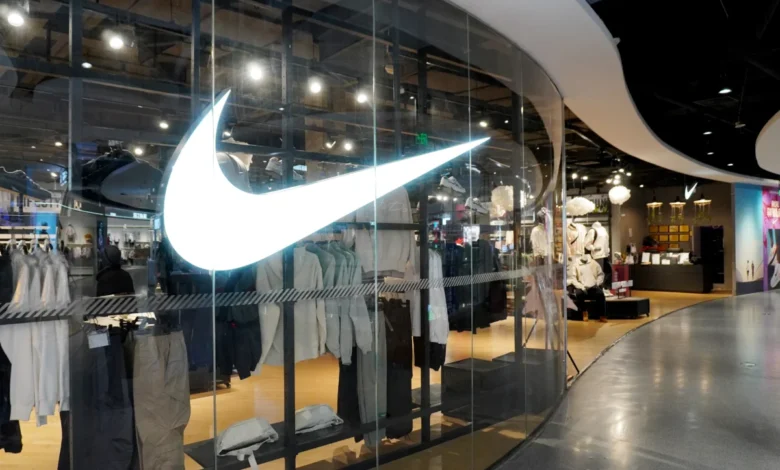
In a significant ruling that underscores the increasing scrutiny on corporate workplace practices, a federal jury in Oregon has ordered Nike Inc. to pay at least $7.5 million in punitive damages after finding the sportswear giant guilty of sex discrimination against former engineer Heather Hender. The verdict, delivered on Wednesday after a six-day trial, determined that Nike had discriminated against Hender by paying her less than her male colleagues and promoting her more slowly during her tenure from 2015 to 2020, solely because of her sex.
The eight-member jury, composed of one woman and seven men, deliberated for just over a day before reaching its decision on both pay and promotion discrimination claims. This ruling sends a powerful message to corporations regarding accountability for discriminatory practices and the financial repercussions of maintaining a workplace culture perceived as inequitable.
Details of the Verdict and Damages
The jury awarded Hender $19,739.52 in compensatory damages for the direct financial losses she incurred due to the discrimination. Far more impactful, however, was the determination that Nike must pay at least $7.5 million in punitive damages. Punitive damages are not intended to compensate the plaintiff for losses but rather to punish the defendant for egregious conduct and to deter similar behavior in the future. The substantial sum awarded reflects the jury’s finding of intentional discrimination and serves as a stark warning to other companies.
Laura Salerno Owens, Hender’s attorney from Markowitz Herbold PC in Portland, expressed profound gratitude for the jury’s decision. Speaking to The Oregonian, Owens stated, "We are grateful to the jury for holding Nike accountable. Justice has prevailed, not just for our client, but for all women at Nike." She further emphasized the broader implications of the victory, asserting that it "sends a message that workplace discrimination is unacceptable and has a price, the boys’ club culture has to go, and corporations will be held accountable for their discriminatory practices." This statement highlights the plaintiff’s legal team’s intent to use this verdict as a precedent-setting case for gender equity in corporate America.
Nike’s Response and Future Steps
In the immediate aftermath of the verdict, Nike expressed disappointment and disagreement with the jury’s conclusions. A spokesperson for the company told Footwear News, "We are disappointed by the verdict and respectfully disagree with the conclusions." The spokesperson reiterated Nike’s stated commitment to fostering a fair and competitive workplace environment. "Nike is committed to providing a workplace where employees are treated fairly, compensated competitively, and given opportunities to grow and succeed. When concerns are raised, we take them seriously. We investigate them thoroughly, address issues where appropriate, and continually review our policies and practices to strengthen our workplace," the statement read. Acknowledging the legal process, Nike also indicated it would evaluate its next steps, including the potential for an appeal. "We are grateful for the service of the jurors and court staff and we respect the legal process as we evaluate our next steps. Our focus remains on supporting our employees and continuing to build a culture grounded in respect, accountability, and opportunity for all."
Nike retains the right to file an appeal with the Ninth Circuit appellate court, a process that could extend the legal battle for months or even years. Such an appeal would challenge the verdict’s legal basis or the amount of damages awarded, potentially arguing against the sufficiency of evidence or procedural errors during the trial.
A Lawsuit Rooted in a "Toxic" Culture: A Chronology
The case of Heather Hender is not an isolated incident but rather emerged from a broader wave of allegations regarding Nike’s corporate culture that first gained public attention in 2018.
- 2015: Heather Hender begins her employment at Nike as an engineer.
- April 2018: The New York Times publishes a scathing exposé detailing a "toxic boys’ club culture" at the sportswear firm. This report was fueled, in part, by an anonymous internal survey conducted by a group of female employees. The survey brought to light allegations of sexual harassment, demeaning comments, unfair treatment, and other purported misconduct, which were reportedly brought to the attention of then-chief executive officer Mark Parker. Less than four months after this exposé, the initial lawsuit against Nike for sex discrimination was filed.
- April 2018 (concurrently): Four female employees, including Hender, initiated a lawsuit against Nike, alleging systemic sex discrimination. They claimed they were paid less than their male counterparts for substantially similar work and faced fewer opportunities for promotion. Court documents specifically cited Nike’s "job architecture" and "job groupings" as tools allegedly used to perpetuate this disparity, with women reportedly earning an average of $11,000 less than their male colleagues. The plaintiffs also asserted that Nike’s HR department failed to adequately address their internal grievances.
- July 2018: In response to the growing public pressure and internal scrutiny, Nike publicly admitted it had fallen short in promoting women and people of color. The company announced a plan to raise salaries for 10 percent of its workforce, a move intended to address and correct existing pay inequalities.
- 2020: Heather Hender departs from Nike.
- 2202: The plaintiffs in the 2018 lawsuit sought class-action certification, aiming to represent a larger group of female employees who might have experienced similar discrimination. However, this request was denied by the court in 2022. Following this denial, Heather Hender became the sole plaintiff in the ongoing litigation, as the other three original plaintiffs settled their claims individually.
- February 2024: The trial for Heather Hender’s case against Nike commences in an Oregon federal district court.
- March 6, 2024: The jury delivers its verdict, finding Nike liable for gender discrimination and awarding Hender compensatory and punitive damages.
The Broader Context: Gender Pay Gap and Corporate Accountability
This verdict against Nike comes at a time of heightened awareness and legal action concerning gender inequality in the workplace, particularly regarding pay and promotion disparities. The gender pay gap remains a persistent issue across industries globally, with women often earning less than men for equivalent work. According to various studies, including those by the U.S. Department of Labor and the Pew Research Center, women in the U.S. typically earn about 82 cents for every dollar earned by men, a gap that widens significantly for women of color. In fields like engineering, where Hender was employed, this gap can be particularly pronounced due to historical male dominance and often opaque compensation structures.
Federal laws such as the Equal Pay Act of 1963 and Title VII of the Civil Rights Act of 1964 prohibit sex-based wage discrimination and employment discrimination. However, proving intentional discrimination in court can be challenging, making successful verdicts like Hender’s all the more significant. The use of "job architecture" and "job groupings" as alleged tools for disparity, as cited in the court documents, highlights how subtle and systemic discrimination can be, embedded within seemingly neutral corporate policies.
The #MeToo movement, which gained significant traction around the same time the initial lawsuit against Nike was filed, has also played a crucial role in empowering individuals to come forward with complaints of workplace misconduct and discrimination. This cultural shift has led to increased public and legal scrutiny of corporate environments, pushing companies to re-evaluate their diversity, equity, and inclusion (DEI) policies and practices. High-profile cases against major corporations serve as powerful reminders that even globally recognized brands are not immune to legal challenges when their internal practices fall short of legal and ethical standards.
Legal Implications and Potential Ramifications
The $7.5 million punitive damages award is particularly noteworthy. Legal experts often emphasize that punitive damages are reserved for cases where the defendant’s conduct is found to be particularly egregious or reckless. The substantial amount awarded signals the jury’s strong condemnation of Nike’s actions, indicating they found the discrimination to be intentional and malicious, rather than merely negligent.
Should Nike proceed with an appeal, the Ninth Circuit appellate court would review the trial court’s proceedings for legal errors, not re-hear the facts of the case. The appellate process can be lengthy and expensive, potentially prolonging the uncertainty for both parties. Even if the punitive damages are reduced on appeal—a common occurrence in such large awards—the underlying finding of discrimination would likely stand, unless significant legal errors are identified.
Beyond the immediate financial cost, the verdict carries profound implications for Nike’s corporate governance, human resources practices, and brand reputation. It places renewed pressure on the company to demonstrate concrete progress in its stated commitment to fairness and equality. This could involve:
- Enhanced Scrutiny of Compensation Practices: A deeper, independent audit of salary structures, promotion criteria, and performance review processes to ensure gender neutrality.
- Strengthening Internal Grievance Mechanisms: Re-evaluating how employee complaints are handled, ensuring transparency, prompt investigation, and effective remediation.
- Leadership Accountability: Emphasizing diversity and inclusion training, particularly for management and HR, and holding leaders accountable for fostering inclusive teams.
- Public Reporting: Potentially increasing transparency in its DEI reports, including detailed data on pay equity and representation at various levels of the organization.
Impact on Nike’s Brand and Corporate Strategy
Nike, a brand synonymous with athletic achievement and empowerment, faces a significant reputational challenge following this verdict. While the company has invested heavily in marketing campaigns promoting equality and female empowerment, this legal finding directly contradicts those public messages.
- Consumer Perception: The verdict could impact consumer perception, particularly among female consumers and those who prioritize ethical corporate behavior. In an era where consumers increasingly vote with their wallets, a perceived disconnect between a brand’s public image and its internal practices can be damaging.
- Investor Confidence: While the $7.5 million punitive damage is a relatively small sum for a company of Nike’s scale (with annual revenues often exceeding $50 billion), the underlying issues of systemic discrimination can signal broader governance and operational risks to investors. Legal costs, potential future settlements, and the distraction of ongoing litigation can also be a concern.
- Talent Acquisition and Retention: In a competitive talent market, particularly for skilled engineers, a reputation for discriminatory practices can hinder a company’s ability to attract and retain top talent. Employees, especially younger generations, increasingly seek workplaces that align with their values of equity and inclusion.
This verdict serves as a stark reminder that even global behemoths like Nike are subject to legal accountability for workplace discrimination. It underscores the critical importance of not only having policies against discrimination but also actively fostering a culture where those policies are rigorously enforced and employees feel genuinely supported and treated equitably, regardless of gender. As Nike evaluates its next steps, the broader corporate world will be watching closely for the lasting impact of this landmark decision on workplace equality.