The American Apparel & Footwear Association (AAFA), representing a vast coalition of the most recognizable names in the US garment and footwear sectors, has officially called upon the Trump administration to reverse any potential withdrawal from the International Labour Organization (ILO). In a formal missive addressed to Secretary of State Marco Rubio, the association—joined by ten other prominent business organizations—argued that the United States’ continued membership in the Geneva-based body is not merely a diplomatic preference but a strategic necessity for the integrity of American trade policy and the enforcement of global labor standards.
This diplomatic push comes at a critical juncture in the 2026 fiscal year, as the administration weighs its commitment to international multilateral organizations against its broader "America First" agenda. The AAFA’s intervention serves as a pointed reminder that for global industries, the ILO is not an abstract bureaucratic entity, but a frontline tool for monitoring labor conditions, providing on-the-ground intelligence, and establishing the normative framework that governs modern global supply chains.
The Strategic Value of the ILO to US Interests
At the heart of the business community’s argument is the synergy between the ILO’s mandate and the current US legislative focus on forced labor. The Trump administration has made the eradication of forced labor a hallmark of its trade strategy, notably through the rigorous application of the Uyghur Forced Labor Prevention Act (UFLPA) and the US Forced Labor Statute, Section 1307.
The AAFA contends that these domestic enforcement mechanisms rely heavily on the foundational work performed by the ILO. The organization maintains an extensive network of field offices and technical experts in dozens of countries—nations that serve as key hubs for textile and footwear production. These local presences provide the "real-time intelligence" necessary for US companies to conduct due diligence. By withdrawing from the ILO, the AAFA argues, the United States would essentially blind itself to these early-warning systems, effectively making it more difficult to identify and block the entry of goods produced through coerced labor into the US market.
"The ILO builds institutions in countries around the world so that they can effectively implement and enforce internationally recognized labor standards—standards the US created and upholds in its own laws," the letter to Secretary Rubio states. By abandoning the institution, the US would not only lose its seat at the table but would forfeit its ability to steer the ILO’s focus toward the systemic issues that directly impact American supply chain security.
Chronology of Advocacy and Engagement
The September 2026 letter is the latest in a series of proactive efforts by the AAFA to maintain American engagement with the ILO. The timeline of this advocacy illustrates a sustained commitment by the industry to keep labor standards on the administration’s radar:

- 2025: The AAFA issues a formal appeal to President Trump, emphasizing the importance of continued financial and political support for the ILO in the face of proposed funding cuts.
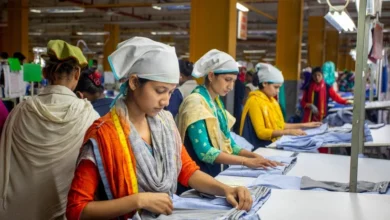
- Early 2026: The association takes a specific interest in regional labor conditions, issuing a letter urging the government of Pakistan to actively support the ILO’s "Better Work" program. This initiative, a partnership between the ILO and the International Finance Corporation, is designed to improve working conditions in the garment sector while increasing the competitiveness of participating factories.
- September 10, 2026: The AAFA submits its latest coalition letter to Secretary of State Marco Rubio, broadening the argument to emphasize that US withdrawal would cede geopolitical influence to adversaries.
This consistent messaging indicates that for the apparel and footwear industry, the threat of withdrawal is viewed as a significant risk to business continuity and ethical sourcing, rather than a minor policy preference.
The Risk of a Power Vacuum
One of the most compelling arguments presented by the AAFA’s executive vice president, Nate Herman, concerns the geopolitical vacuum that would be created by a US exit. The ILO is a tripartite organization, bringing together governments, employers, and workers to set international labor standards. It serves as a forum where the norms of global employment are negotiated and ratified.
Herman’s assessment is that a US withdrawal would effectively cede the "leadership" of the ILO to countries that do not share the American perspective on free markets, private enterprise, or individual worker rights. If the United States were to vacate its position, the resulting void would likely be filled by nations that might seek to shift the organization’s mandate away from combating forced labor and toward policies that could inadvertently, or intentionally, tilt the playing field against American business interests.
"A US withdrawal would cede control and leadership of the ILO to other countries who do not share American values," Herman noted. "They would use the ILO to tilt the playing field against American businesses and American workers, de-emphasizing the ILO’s focus on combatting forced labor and undermining the US-built ILO core international labor standards."
Supporting Data: Why Supply Chain Intelligence Matters
The global textile and apparel industry is one of the most complex in the world, with supply chains that often span five or more countries before a product reaches a US retail shelf. Data from the industry suggests that the reliance on international bodies like the ILO is growing as supply chain transparency becomes a legal requirement rather than a corporate social responsibility (CSR) goal.
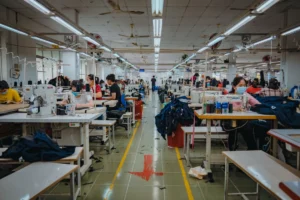
According to industry reports, US apparel imports are increasingly subject to rigorous scrutiny under the UFLPA. In 2025 and 2026, the volume of shipments detained at US ports due to suspected forced labor links has remained high, necessitating that companies have robust, verified information about factory-level conditions. The ILO’s "Better Work" programs currently operate in several key manufacturing nations, including Bangladesh, Vietnam, Jordan, and Haiti. These programs have been statistically linked to improvements in factory compliance, occupational health and safety, and the reduction of excessive overtime—factors that directly reduce the legal risk for US importers.
The AAFA’s argument is that the cost of US membership in the ILO is a nominal investment when weighed against the costs of non-compliance. If a US company is caught sourcing from a facility utilizing forced labor, the financial, legal, and reputational damages can be catastrophic, often resulting in the total seizure of goods and multi-million dollar fines.

Implications for US Labor and Global Competitiveness
While the primary concern of the AAFA is the functionality of international trade, the implications of this debate extend to the American domestic labor force. The argument is that by ensuring a "level playing field" globally, the US is protecting its own workers from unfair competition against nations that ignore labor laws to artificially lower production costs.
If the US withdraws, the standards it has championed for nearly a century could slowly erode. These standards—which include the prohibition of child labor, the right to collective bargaining, and the elimination of forced labor—are pillars of the global economy that the US helped build in the wake of the Second World War. A retreat from the ILO would signal a fundamental shift in how the US views its role in the global order: moving from an architect of international standards to an isolated participant who must react to rules set by others.
Furthermore, the business community’s unified front—representing diverse segments of the apparel and footwear industry—suggests that the administration’s "America First" rhetoric may be interpreted by the business sector as inclusive of global engagement. For these businesses, protecting American workers requires engaging with the world, not withdrawing from it.
Official Responses and the Path Forward
As of mid-September 2026, the State Department has not provided a definitive response to the AAFA’s letter. Secretary of State Marco Rubio, known for his hawkish stance on China and his focus on human rights in trade policy, faces a complex balancing act. While he is aligned with the administration’s goal of curbing forced labor, he must also manage the fiscal priorities of the executive branch.
Political analysts suggest that the AAFA’s strategy of framing the ILO as a tool for enforcing the UFLPA is a calculated move to appeal to the administration’s specific policy priorities. By aligning the ILO’s existence with the success of the Trump administration’s own legislative achievements, the AAFA hopes to insulate the organization from broader budget cuts.
The coming months will be critical. The decision to fund or withdraw from the ILO will serve as a bellwether for how the current administration intends to navigate the tension between nationalist trade policies and the reality of an interconnected global economy. For now, the American Apparel & Footwear Association remains steadfast in its position: the United States must remain an active participant in the ILO to ensure that its own values, its own laws, and its own businesses remain secure in an increasingly volatile global landscape.