DSW Debuts Affordable Luxury Curated Concept The Edit Across Select Stores Following Second-Quarter Earnings Report


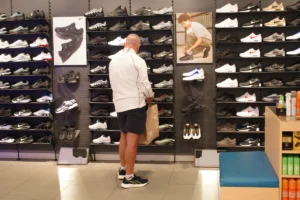
Designer Brands Inc., the parent company of major footwear retailer DSW, is preparing to introduce a newly curated retail concept known as "The Edit" to four select DSW locations this fall. The initiative represents a strategic shift toward offering a more elevated shopping experience, combining affordable luxury with contemporary fashion brands inside dedicated store-within-a-store spaces.
The announcement was made by Douglas Howe, chief executive officer of Designer Brands Inc., during the company’s second-quarter earnings conference call. The pilot program is designed to test customer engagement, gather operational insights, and refine the format before any potential broader rollout. As major footwear and apparel retailers navigate shifting consumer spending habits and fluctuating demand across seasonal categories, the introduction of "The Edit" highlights DSW’s ongoing efforts to modernize its physical retail footprint, optimize its inventory mix, and leverage its unique hybrid business model.
Strategic Layout and Brand Assortment of The Edit
The newly designed spaces for "The Edit" will range between 1,000 and 1,500 square feet within the host DSW stores. These zones will be carefully curated to highlight an assortment of key affordable luxury and elevated fashion brands, stepping away from traditional sprawling warehouse-style displays in favor of a boutique-style environment.
The initial brand lineup featured in "The Edit" includes recognizable names such as Topo Athletic, Keds, Vince Camuto, Jessica Simpson, Lucky Brand, and several other contemporary labels. By incorporating these brands into a dedicated, high-end presentation, Designer Brands aims to provide its retail stores with differentiated products while maintaining greater control over the overall assortment mix.
Industry analysts note that creating exclusive or elevated zones within established big-box retail environments is a growing trend. Department stores and specialty footwear retailers alike are increasingly utilizing curated floor spaces to attract style-conscious shoppers who are looking for specialized lifestyle brands without navigating cluttered aisles.
Leveraging a Unique Hybrid Business Model
During the second-quarter earnings call, CEO Douglas Howe emphasized the distinct advantages of Designer Brands’ corporate structure. The company operates a dual-pronged business model that combines a robust retail store operation—anchored by DSW and other banners—with a comprehensive wholesale component through its proprietary brand portfolio.
According to Howe, this integrated approach provides the company with exceptional flexibility in product distribution and sourcing. "That combination gives us greater flexibility in how and where we distribute our products, creating diverse opportunities to drive growth and margin expansion as we remain excited by the long-term potential and value creation inherent to this business model," Howe told investors.
By owning both the retail channels and several of the brands sold within them, Designer Brands can swiftly adjust to market trends, shift inventory between wholesale and direct-to-consumer channels, and protect profit margins against external supply chain pressures. This synergy allows the parent company to test new concepts like "The Edit" with lower friction than traditional retailers who must rely entirely on external vendor partnerships.
Financial Performance and Brand Highlights in Q2
The launch of the pilot program comes against a backdrop of mixed financial results for Designer Brands during the second quarter. While overall retail segment sales experienced a minor contraction, several key brand properties and product categories posted stellar gains.
Leading the portfolio was Topo Athletic, which Howe described as the company’s "standout" performer. Topo Athletic achieved revenue growth of more than 24 percent during the quarter, prompting management to project that the brand will generate over $100 million in sales by 2027. The brand’s impressive trajectory reflects strong consumer demand for performance-oriented footwear that bridges the gap between active lifestyle and casual everyday wear.
Simultaneously, the Jessica Simpson brand also delivered an exceptional quarter, registering sales growth of 24 percent. Howe highlighted that the line experienced impressive growth across all major retail accounts, driven by a broader consumer resurgence in dress shoes. Across the entire enterprise, women’s dress shoes saw sales growth in the high single digits, signaling a continued return to social events, office work, and formal dressing following years of casual-wear dominance.
Weather Headwinds and Retail Segment Realities
Despite strong performances from specific lifestyle brands, Designer Brands faced headwinds in its broader retail segment, which saw sales dip by 2 percent during the second quarter. Howe attributed the decline primarily to softness in seasonal categories, noting that sandals—historically a major revenue driver during the spring and summer months—suffered from early weather-related headwinds that the company "never fully recovered" from.
Additionally, the athletic footwear category experienced softer demand early in the quarter. However, management maintained a disciplined approach to inventory management and promotional markdowns to protect brand equity and profit margins. This disciplined strategy paid off as the quarter progressed, with athletic demand rebounding sequentially by 400 basis points in August.
Looking forward into the third quarter, executive leadership expressed optimism regarding current consumer trends. Howe noted that the company is witnessing encouraging momentum in both dress shoes and boots quarter-to-date, positioning the retailer well for the critical back-to-school and early autumn shopping periods.
Retail Footprint and Anniversary Milestones
Designer Brands maintains a massive physical footprint across North America. In addition to 523 DSW stores operating across the United States, the company operates 118 doors under The Shoe Co. banner and 27 Rubino locations, bringing its total retail network to 668 sites.
This extensive store network has been built over decades of steady expansion and brand acquisition. Notably, DSW stores celebrated their 35th year in operation this past July, marking a major milestone for a brand that revolutionized footwear retail by introducing the warehouse format to a wide consumer base. Over three and a half decades, DSW has evolved from a category killer into a multi-channel enterprise capable of serving millions of shoppers both in-store and online.
Modernizing the VIP Rewards Program
In tandem with the physical retail evolution seen in "The Edit" and ongoing category shifts, DSW is preparing for a major customer loyalty overhaul. The company is officially relaunching its loyalty rewards program in September.
Management has described the revamped system as "significantly modernized" to enhance the value delivered to DSW’s expansive membership base. The stakes for the loyalty program are high: DSW currently boasts approximately 30 million VIP members, and nearly 90 percent of the company’s total transactions are tied to these loyalty accounts. By upgrading the rewards ecosystem, DSW aims to deepen customer retention, increase average transaction values, and gather richer first-party data to personalize future marketing and merchandising efforts.
Broader Implications and Industry Outlook
The introduction of "The Edit," combined with the modernization of the VIP rewards program and the strategic management of high-growth brands like Topo Athletic and Jessica Simpson, illustrates Designer Brands’ proactive approach to navigating a changing retail landscape.
As traditional brick-and-mortar retail faces persistent pressures from e-commerce competition and shifting consumer preferences, physical stores must offer more than mere inventory storage—they must provide curated, engaging shopping environments that justify the trip. By testing smaller, elevated footprints within flagship stores, DSW is seeking to capture higher-margin, trend-conscious shoppers while maintaining its core warehouse efficiency.
Investors and retail analysts will be closely monitoring the performance of the four "The Edit" pilot locations throughout the fall season. The insights gained from customer reactions, sales conversions, and operational execution will ultimately determine whether Designer Brands scales the concept to a broader percentage of its 523-store DSW fleet, potentially reshaping the visual and commercial identity of the footwear giant for years to come.