The Enduring Majesty of India’s Rock-Cut Monasteries: A Deep Dive into Ancient Buddhist Sanctuaries

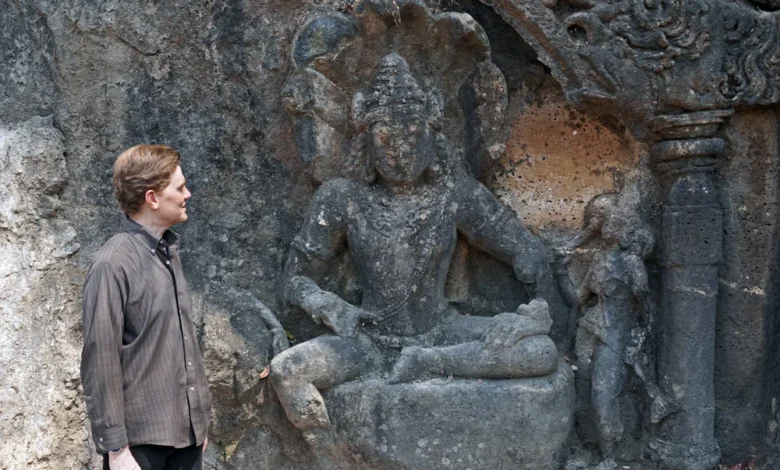
Dr. David S. Efurd, a distinguished art historian and two-time Fulbright recipient, has dedicated decades of his career to meticulously documenting the ancient Buddhist cave sites of western India. His extensive fieldwork, characterized by patient observation and a keen eye for detail, has culminated in an invaluable archive of over 10,000 photographs and detailed notes. These meticulously captured records, now accessible through Artstor, offer an unparalleled glimpse into a civilization that carved monumental religious complexes directly into volcanic basalt cliffs. Spanning from the 2nd century BCE to much later periods, these sites reveal remarkably preserved monasteries, intricate religious art, sacred monuments, and sophisticated architectural designs, providing a tangible link to India’s rich spiritual and artistic past. Efurd’s approach, deeply rooted in the philosophy of "slow looking," invites a profound engagement with these ancient spaces, moving beyond mere historical artifacts to understand them as vibrant, evolving centers of religious practice and cultural preservation.

A Lifelong Fascination with the Subterranean Sacred
Dr. Efurd’s journey into the world of early Buddhist cave monasteries was ignited by a seminal encounter with Walter Spink, a preeminent scholar of the Ajanta caves. Spink’s annual site seminars, held at Ajanta, became a pivotal experience for Efurd. While the seminars primarily focused on the later phases of Ajanta and Ellora, excursions to less-explored sites, such as the remarkably early Pitalkhora caves, left an indelible mark. Dating back to the 2nd or 1st century BCE, Pitalkhora, though partially ruined, offered Efurd a profound glimpse into the nascent stages of rock-cut architecture in western India. This initial encounter, occurring roughly a quarter-century ago, sparked a lifelong passion for these ancient monastic complexes, leading Efurd to revisit and meticulously document over 80 such sites. His extensive archive is a testament to this enduring commitment, preserving for future generations the intricate details of these rock-hewn sanctuaries.

The Strategic Selection of Sacred Sites
The choice of specific cliff faces for the construction of these vast monastic complexes was not arbitrary but a confluence of geographical, geological, and socio-religious factors. Western India boasts immense outcroppings of volcanic basalt, known as the ghats, which provided an ideal medium for excavation. The sheer durability of this stone ensured the structural integrity of these massive undertakings, offering a safeguard against collapse and providing essential shelter for monks during the monsoon season, a period known as vassa when travel was suspended.

However, these sites were not chosen for complete isolation. While offering tranquil environments conducive to meditation and study, they were strategically located along vital trade routes and often within walking distance of settlements. This proximity fostered a crucial symbiotic relationship between the monastic and lay communities. The laity provided sustenance and material support to the monks through alms, while the monastic orders offered spiritual guidance and opportunities for merit-making through acts of generosity and devotion. This interconnectedness was fundamental to the flourishing of Buddhism in ancient India.

The Art of Light and Shadow in Sacred Architecture
A particularly captivating aspect of these rock-cut caves lies in their sophisticated understanding and manipulation of natural light. Scholars like Walter Spink have identified specific caves, notably at Ajanta, that were meticulously aligned with astronomical events, such as the winter solstice. These caves often feature a large, circular aperture known as a caitya window, designed to channel sunlight directly onto the relic monument within. At Ellora, a similar cave showcases a more subtle astronomical alignment, with a smaller aperture directing a narrow band of sunlight onto the face of a Buddha image in the central hall during specific times of the year. This phenomenon, celebrated annually in March as Kirnotsav (the festival of sun rays), exemplifies the remarkable astronomical and engineering prowess of the ancient builders.

Beyond these grand alignments, light plays a transformative role in shaping the interior ambiance of the caves throughout the day. The interplay of sunlight and shadow often creates dramatic visual effects, particularly in the hours preceding sunset, enhancing the spiritual and contemplative atmosphere of these sacred spaces.

Unveiling the Daily Life of Monastic Communities
Efurd’s research extends beyond the monumental architecture to explore the intimate details of monastic life. He emphasizes that these cave sites are not solely defined by their grandest, most ornate structures but also by the more modest, functional spaces where monks lived and carried out their daily duties. Many caves are comprised of modular units, featuring monastic cells arranged around a central hall. Some complexes might consist of only a few cells, equipped with rock-cut beds for sleeping and simple chambers that likely served as spaces for meditation. Inscriptions and low seating arrangements suggest the presence of refectories, while cisterns and tanks carved into the rock reveal the ingenious methods employed for water management, crucial for survival after the monsoon rains. These elements paint a vivid picture of the disciplined yet communal existence of these ancient ascetics.

Symbolic Narratives Carved in Stone
The artwork within these caves offers a rich tapestry of symbolic and philosophical ideas. While early Buddhist sites often eschewed figural representations of the Buddha, opting instead for symbolic motifs, later caves (from the 4th and 5th centuries CE onwards) feature intricate depictions of Buddhas and Bodhisattvas. Early caves are adorned with railing-like motifs signifying sanctity and auspicious symbols such as the Triratna, representing the "triple gem" of refuge in the Buddha, his teachings (Dharma), and the monastic community (Sangha).

The presence of mithuna, amorous figural groupings, is another noteworthy element. While seemingly paradoxical in a Buddhist context, these depictions of intimate connection are considered auspicious, symbolizing fertility and abundance in the worldly realm. The inclusion of nature spirits, known as yakshas, also signifies their subjugation to the Buddha and their acceptance of the Dharma, illustrating a hierarchical spiritual order. These artistic elements collectively contribute to the didactic and devotional purpose of the cave complexes.

The Shifting Sands of Religious Patronage
As Buddhism’s prominence waned in India, the role of these monasteries underwent significant transformations. While many early sites continued to be inhabited and even embellished by Buddhists during the 4th and 5th centuries, adding paintings and sculptures, some eventually faced depopulation and abandonment. Remote sites like Ajanta were largely forgotten, known only to local communities. More accessible locations, such as Karle, were gradually appropriated by Hindu communities. Buddhist halls were often repurposed for Hindu deities, and images of Buddhas and Buddhist figures were sometimes integrated into the Hindu pantheon, demonstrating a remarkable fluidity in religious practice and architectural reuse. This transition highlights the dynamic evolution of religious landscapes in India.

The Practice of "Slow Looking" and Photographic Documentation
Dr. Efurd’s research methodology is deeply informed by the principle of "slow looking," a contemplative approach to engaging with art and architecture. By spending extended periods within the caves, sometimes over several days or through repeated visits, he gains profound insights into their design, spatial characteristics, and decorative programs. His photographic practice is not merely documentary; it aims to capture not only architectural and sculptural details but also the experiential quality of being within these spaces at a particular moment in time. He notes that rock-cut caves, unlike conventional architecture, do not necessarily adhere to strict straight lines, and deviations are often invisible to the untrained eye. His meticulous measurements and nuanced observations help to reveal the underlying mathematical relationships and intentional design principles that guided their creation.

A Continuing Quest for Discovery
To date, Dr. Efurd has documented approximately 82 sites across India, encompassing Buddhist, Hindu, and Jain rock-cut excavations. His research also extends to similar sites in Sri Lanka, China, and Korea. He speculates that major rock-cut complexes may still lie undiscovered in India, citing instances where significant finds have emerged from the clearing of debris or the uncovering of previously unknown lower levels. The recent discovery of a naga-raja sculpture at Ghatotkacha, revealed by the removal of a boulder, exemplifies how hidden treasures continue to surface. These ongoing discoveries underscore the vast, unexplored potential of India’s rich archaeological heritage.

Encounters with Living Traditions
Efurd’s encounters with individuals currently inhabiting or worshipping within these ancient caves are often marked by respect and mutual understanding. He notes a tradition of gurus and saints residing in these sites, even after their original monastic communities have departed. When invited into such spaces, Efurd approaches his role as a respectful visitor, adhering to the wishes of the occupants. He recounts an experience of being granted access to a typically off-limits cave containing a colossal sculpture, a rare privilege that underscored the profound historical and spiritual significance of these sites.

Preservation and Contemporary Reverence
Today, these ancient caves primarily serve as historical sites, managed with a focus on preservation by organizations like the Archaeological Survey of India. While maintaining their historical integrity, there is a conscious effort to accommodate ongoing religious practices. Many sites, regardless of their original affiliation, now feature signs encouraging visitors to remove their shoes, a gesture of respect for the sanctity of the space. Photography is generally permitted, though restrictions may apply in certain areas. Efurd observes that practitioners of various religious traditions are generally welcoming to visitors who demonstrate respect for their rituals and activities.

A Dual Perception: Historical Monument and Living Sanctuary
Dr. Efurd perceives these caves as both significant historical monuments and dynamic, living spiritual spaces. While his analytical eye focuses on the architectural intricacies and sculptural details, he remains acutely aware of the religious communities for whom these spaces were originally conceived and continue to hold meaning. He finds the experience of witnessing visitors perform rituals—engaging in chanting, music, or devotional practices—to be a profound aspect of his engagement with these sites. These living traditions imbue the ancient stones with a contemporary spiritual resonance.

Unraveling the Mysteries of Ancient Ingenuity
Efurd believes that our understanding of these monasteries is entering a new phase, one that acknowledges the profound care and ingenuity that shaped their design and execution. Earlier interpretations, often viewed through a Western lens, sometimes overlooked apparent inconsistencies, attributing them to a lack of sophistication. However, as researchers like Efurd engage in meticulous observation and measurement, they reveal intricate connections and correspondences, particularly the sophisticated astronomical alignments and mathematical relationships that govern their proportions and architectural features. By setting aside preconceived notions and engaging in a close, contextual reading of these sites, we can gain a deeper appreciation for the original intent and enduring legacy of these ancient sacred spaces.