Ozymandias: A Photographic Exploration of Memory, Illness, and Love

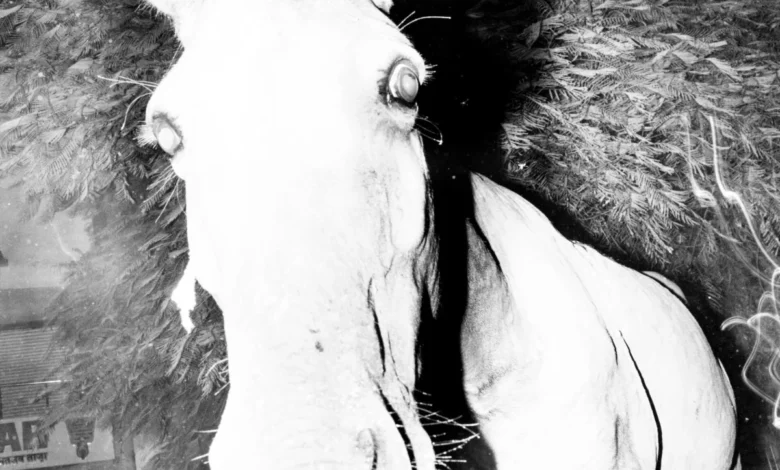
Aman Alam’s exhibition, "Ozymandias," currently on display at the prestigious Les Rencontres d’Arles until October 4th, is a deeply personal yet universally resonant exploration of Alzheimer’s disease, perception, and the enduring power of love. What began as a means of personal solace for Alam while caring for his grandmother, Naseem, has evolved into a profound artistic statement, interwoven with family archives, medical imagery, and a conceptual exploration of artificial intelligence. The exhibition offers a poignant window into the subjective reality of cognitive decline and the ways in which art can bridge the gap between memory and experience.
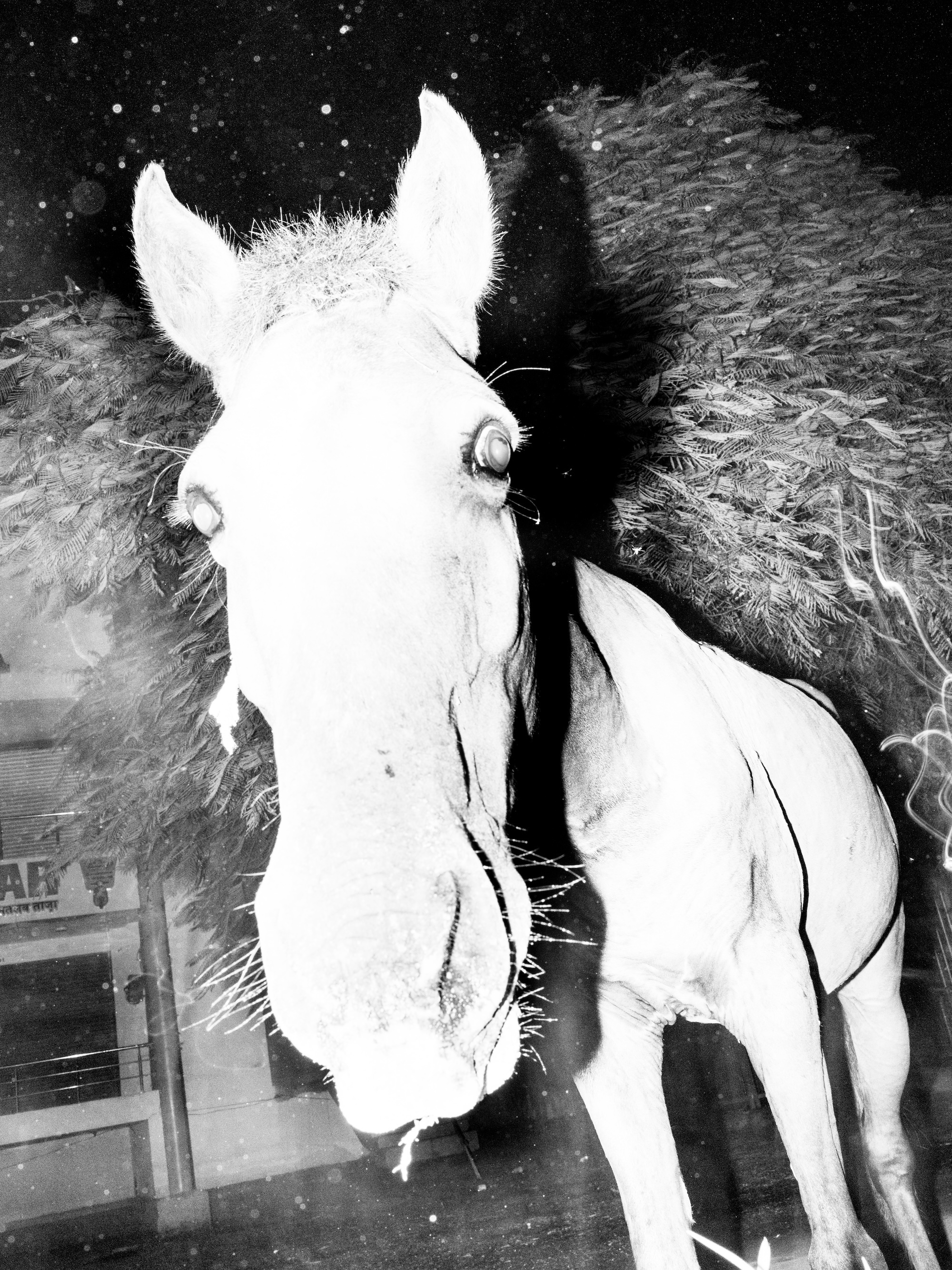
The genesis of "Ozymandias" lies in a deeply personal experience: Alam’s return to Agra, northern India, at the age of 29 to care for his grandmother, Naseem, as her Alzheimer’s disease progressed. His grandmother, a formidable history professor and college principal who had navigated societal norms to forge an independent life in the 1970s, was a significant early inspiration for Alam. Witnessing her cognitive decline was a profound challenge, and in search of a grounding mechanism, Alam began to photograph compulsively. Initially, the rhythmic click of the camera shutter and the flash of light served as a comfort, a way to anchor himself amidst the disorientation. The flash also served a practical purpose on his evening walks, warding off urban animals. However, as he began to review the images, Alam discovered an unexpected depth and resonance within them.
These early photographs, many capturing animals emerging from the gloom or domestic scenes rendered uncanny by unusual lighting, hinted at an instinctual way of seeing, a disruption of conventional visual language that suggested alternative perspectives on reality. As Naseem’s condition worsened, marked by increasing confusion, hallucinations, and confabulations, Alam’s artistic focus sharpened on the very nature of perception and how it could be altered by illness.

The exhibition’s title, "Ozymandias," drawn from Percy Bysshe Shelley’s sonnet, serves as a potent metaphor for the impermanence of all things, including memory and identity. This theme is central to Alam’s work, as he grapples with the fragmented and reconstructed nature of reality experienced by those with Alzheimer’s.
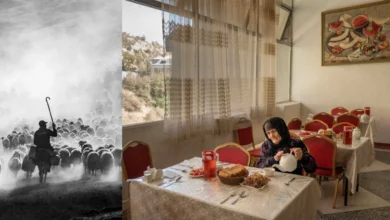
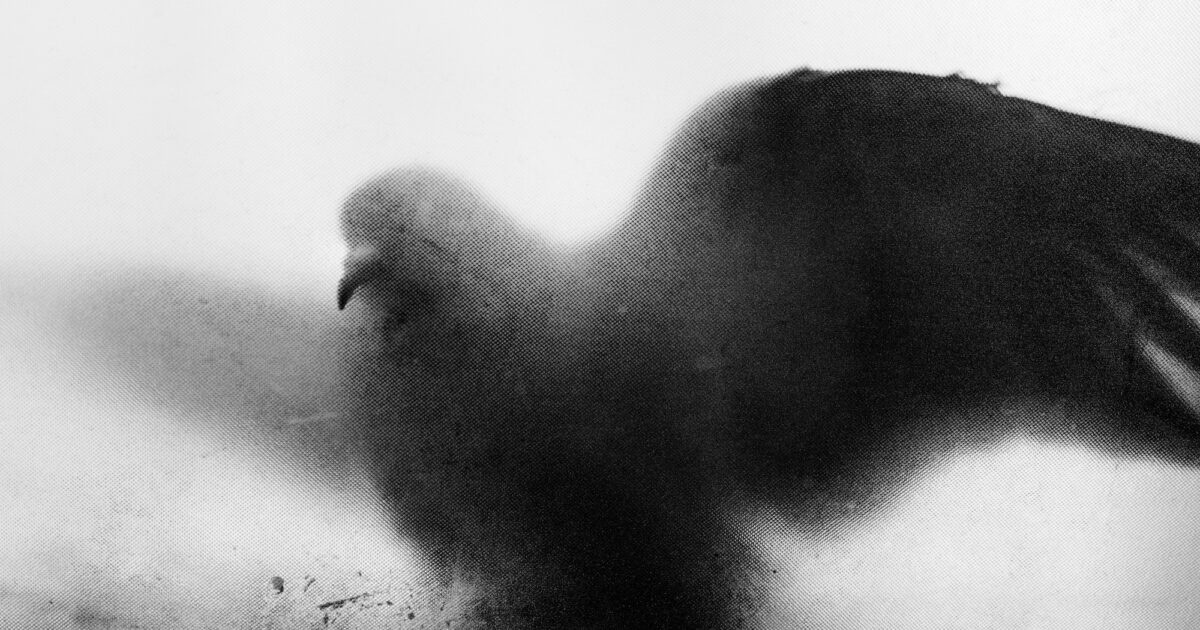
A striking example of this exploration is Alam’s interpretation of prosopagnosia, or face blindness, a symptom his grandmother began to exhibit. He describes a photograph of a pigeon with a baby chick, taken through frosted bathroom glass. "I came too close and they felt threatened; probably they’re seeing me as a big shadow just coming towards them," Alam explains. "But for me, this image talks about a particular symptom of Alzheimer’s – prosopagnosia… because my grandmother started forgetting faces." While Naseem could still recognize him through other senses—his voice, his scent—photographs of him became indecipherable. The disease’s relentless progression led to a point where video calls were discontinued, as Naseem began to see multiple people on screen, failing to recognize herself. The decision was made to remove mirrors from their home, as her reflection became a source of distress.
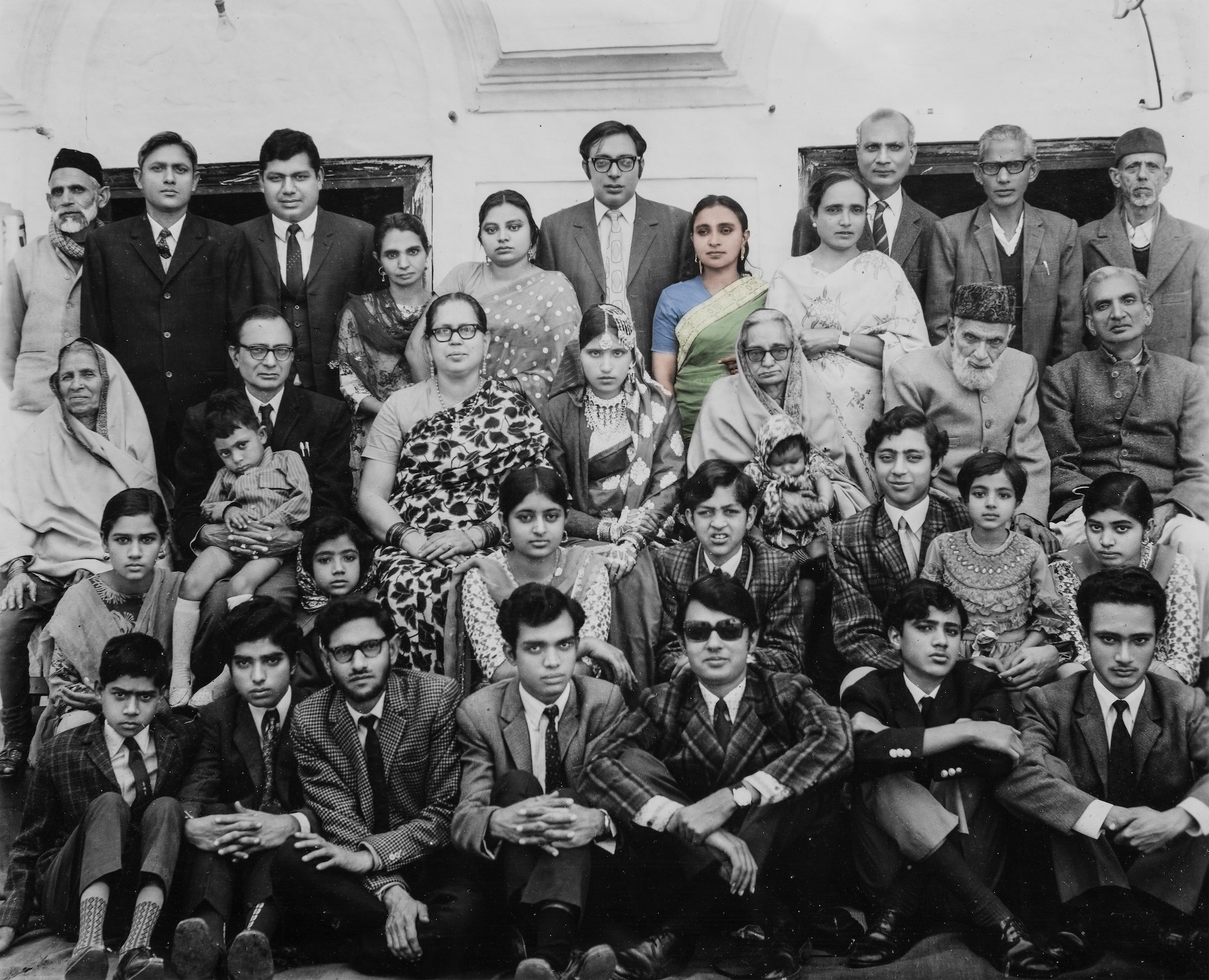
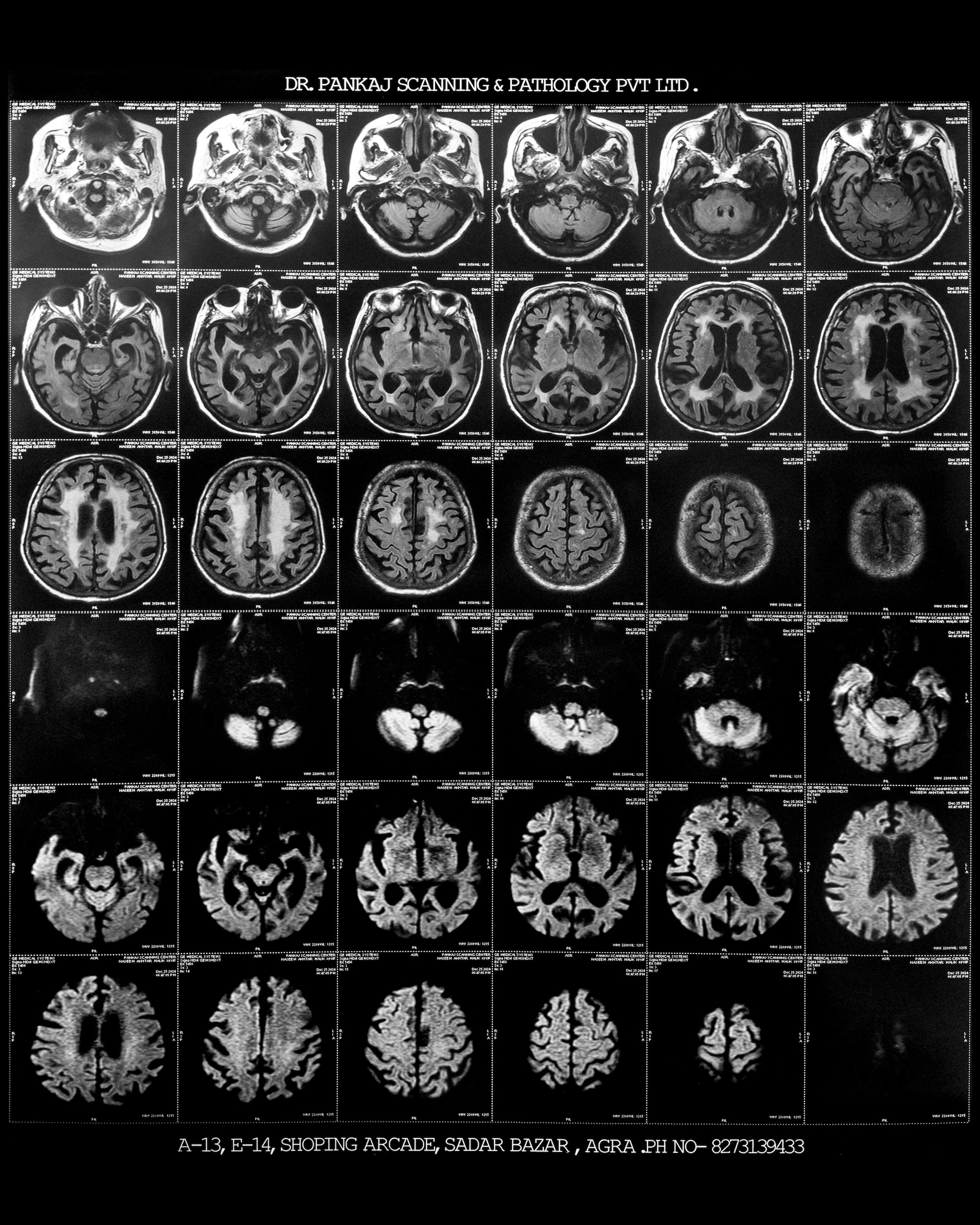
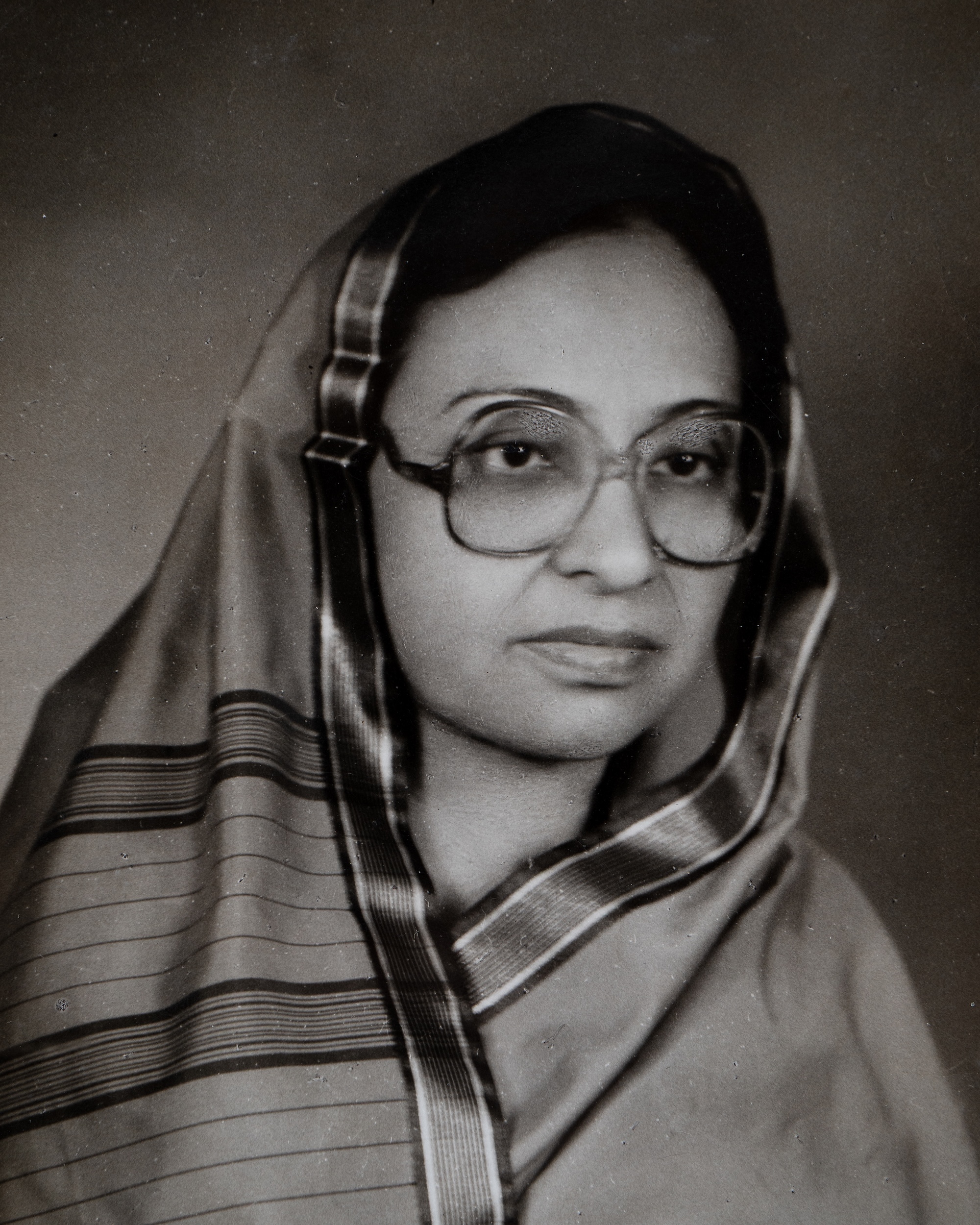
Alam’s artistic process is characterized by a profound integration of personal and archival material. He combines his own photographs with his family’s archive, notably studio portraits Naseem had taken with her daughter, Alam’s mother. In a poignant collaboration, Naseem, whose insights into the past remained sharper than her grasp of the present, helped color some of these old black-and-white images. The exhibition also includes documentary photographs of Naseem’s daily life and hospital visits, alongside medical imagery and brain scans. These scans, illustrating the physical manifestations of Alzheimer’s—the protein build-ups that impede neuronal communication—serve as a stark reminder of the biological underpinnings of the disease and its impact on perception.
The Nature of Reality and the Role of Confabulation
A significant aspect of "Ozymandias" is Alam’s deliberate engagement with confabulation—the creation of fabricated memories to fill gaps in recollection—a common symptom of Alzheimer’s. Instead of trying to correct his grandmother, Alam chose to embrace and validate her confabulations. "What happens in cognitive decline is that parts of your memory are lost, and the brain, to compensate, fills that up with new memories," Alam elaborates. "But the person doesn’t know it’s doing this. To the person that’s their reality."

He recounts a remarkable period where, after consistently engaging with and validating Naseem’s confabulated stories, she began to read newspaper headlines again. While medical professionals cautioned that it was unproven, they acknowledged having witnessed similar occurrences. This experience led Alam to explore the power of validation and storytelling in shaping reality, a concept that underpins his second exhibited work, "The Truth Engine."
The Truth Engine: AI and the Fabrication of Memory
"The Truth Engine" is a conceptual art installation that further probes the nature of memory and reality through the lens of artificial intelligence. Alam fed a large language model (LLM) with a diverse array of family archives, weather reports, and environmental data—anything that could potentially inform memory. The AI was then tasked with generating stories and estimating emotional states based on this input. Crucially, Alam resisted comparing the AI’s narratives to factual reality, instead encouraging its "hallucinations" and confabulations.
"There’s a thing called hallucination that every AI algorithm tries to do," Alam remarks with a smile. "In most cases that’s not helpful so we try to curb the hallucination until it sticks to what is right. Instead I said, ‘OK you want to confabulate, hallucinate? Go ahead!’" The resulting output is entirely fictional, yet "all been calculated somehow."
This installation is designed to provoke viewers into questioning the boundaries between reality and fiction, and the significance of the "generally accepted version of truth" for a mind that has constructed its own reality. Alam aims to highlight how invisible pressures from the present can influence a mind connecting fragments of the past, and how a viewer’s presence can, in turn, reshape that individual’s reality.
Archival Echoes and the Visual Language of Memory
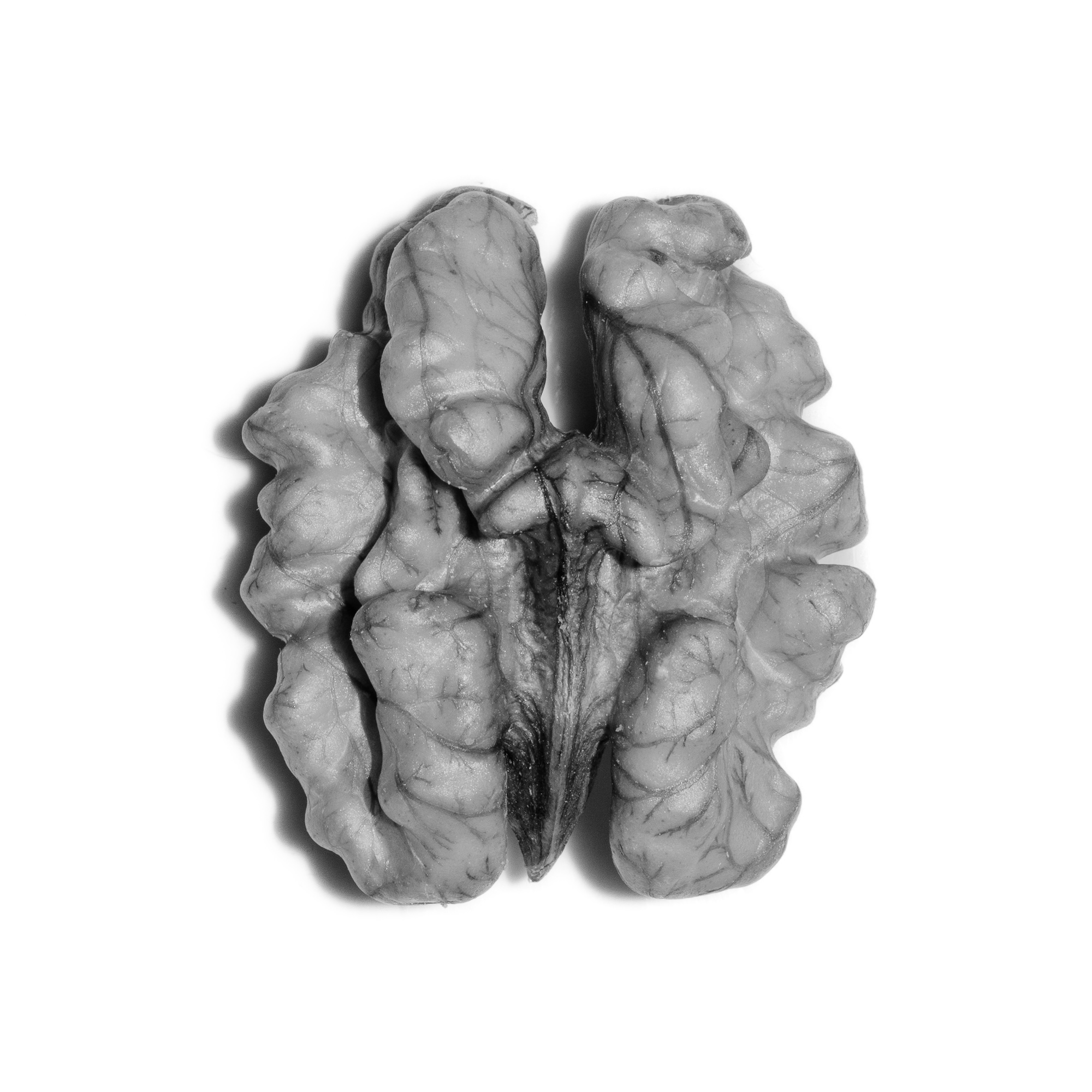
The exhibition is rich with visual metaphors. A still life image of a walnut, reminiscent of a brain, subtly references historical beliefs in nature’s hidden signs and likenesses, where a walnut was thought to aid the brain due to its visual resemblance. This echoes a fascinating convergence of traditional European and Indian knowledge systems regarding understanding the world through symbolic connections.
Alam’s dummy book, created with the hospital’s donation of scans, photographs, and prescriptions, further enriches the exhibition. Titled in three languages and scripts, it features pages that mimic X-rays and acetates from Naseem’s lectures, presenting itself as an assemblage of evidence rather than a linear narrative. This approach underscores the fragmented nature of memory and the often-inconclusive evidence left behind by cognitive decline.
Broader Implications and Artistic Resonance
Aman Alam’s "Ozymandias" arrives at Les Rencontres d’Arles, a globally recognized photography festival that celebrates artistic innovation and critical discourse. The festival, with its history of showcasing groundbreaking work, provides an ideal platform for Alam’s deeply human and intellectually stimulating project. The exhibition’s themes resonate beyond the immediate context of Alzheimer’s, touching upon universal human experiences of memory, loss, and the construction of personal truth.
The context of Agra, once associated with a colonial-era "lunatic" asylum, offers a historical counterpoint to Alam’s empathetic and validating approach. His work stands in stark contrast to historical methods of addressing mental health, emphasizing connection and understanding over isolation and stigmatization.
The exhibition’s impact is evident in the emotional responses it elicits. As viewers engage with Alam’s layered narrative—a tapestry of personal grief, scientific inquiry, and artistic interpretation—they are invited to reflect on their own relationships with memory, aging, and the fragility of the human mind. Alam’s gentle question, "Would you like to rest for a minute?" posed during a viewing in the heat of a French gallery, encapsulates the profound empathy and care that permeate his work, leaving a lasting impression on those who experience "Ozymandias."
Aman Alam was a recipient of the Serendipity Arles Grant in 2025, an award organized by Serendipity Arts and supported by the Institut Français en Inde, underscoring the international recognition and significance of his artistic endeavors. His work continues to challenge perceptions and foster a deeper understanding of the human condition through the powerful medium of photography.