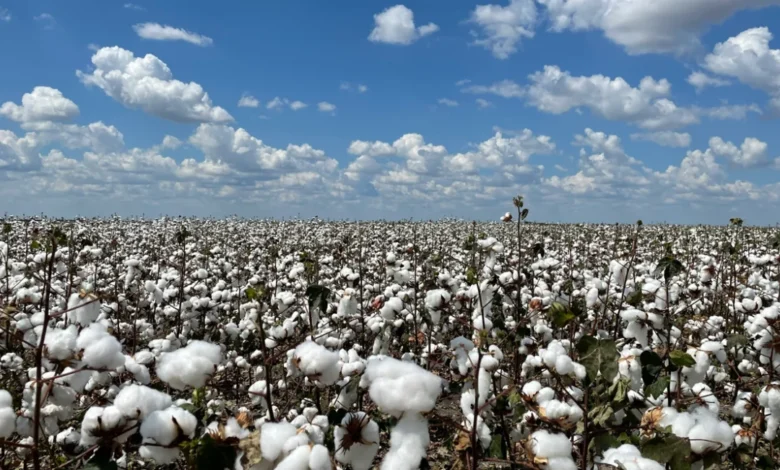
Imagine knowing the complete journey of your clothes, from the initial seed to your wardrobe. Picture tracing the origin of your favorite shirt back to its very beginnings, understanding who made it, under what conditions, and its environmental impact. In a world increasingly conscious of its consumption, a growing number of brands and consumers are seeking answers to how fashion can become slower, more transparent, and inherently sustainable. This quest for a more responsible industry is precisely what the "farm to closet" principle embodies, championed by pioneers like the Indonesian brand SukkhaCitta.
The "farm to closet" approach fundamentally redefines the relationship between consumers and their clothing by advocating for complete traceability throughout a garment’s lifecycle. It means being able to follow a piece of clothing from the cultivation of its raw materials through every stage of manufacturing, right up to the finished product. This philosophy marks a radical departure from the opaque, mass-production processes characteristic of fast fashion, where low prices and rapid trend cycles often come at a significant cost to the environment and human labor.
The Genesis of "Farm to Closet": A Paradigm Shift
The "farm to closet" movement isn’t merely a trend; it represents a paradigm shift in how the fashion industry operates, challenging decades of conventional practices. Historically, the fashion supply chain has been notoriously complex and fragmented, involving numerous intermediaries across different continents. This complexity, while enabling efficient mass production, has also obscured the true costs of clothing, making it nearly impossible for consumers to understand the ethical and environmental footprint of their purchases.
The concept began to gain traction as part of the broader "slow fashion" movement, which emerged in the early 2000s as a direct response to the unsustainable practices of fast fashion. Initially, slow fashion focused on quality, durability, and timeless design, encouraging consumers to buy less and choose better. However, as awareness grew about the deeper issues within the supply chain—from pesticide use in cotton farming to exploitative labor in garment factories—the need for radical transparency became evident. "Farm to closet" takes this a step further, demanding not just ethical production but also direct engagement with and support for the foundational elements of the supply chain: the farmers and the raw materials. It advocates for an integrated system where every step, from seed to stitch, is visible, accountable, and aligned with principles of sustainability and fairness.
The Shadow of Fast Fashion: Context and Consequences
To fully appreciate the transformative potential of "farm to closet," it’s crucial to understand the context from which it arises: the dominant fast fashion model. The rise of fast fashion accelerated dramatically in the late 20th and early 21st centuries, fueled by globalization, technological advancements in manufacturing, and a pervasive consumer culture that prioritized novelty and affordability. Brands like Zara, H&M, and Shein mastered the art of rapidly turning catwalk trends into affordable garments, often producing thousands of new styles weekly. This model, while delivering cheap clothes to consumers, has had profound and devastating consequences.
Environmental Impact: The fashion industry is one of the most polluting sectors globally. It accounts for an estimated 10% of global carbon emissions, more than all international flights and maritime shipping combined.
- Water Consumption: Cotton, a primary fiber, is incredibly water-intensive. Producing a single cotton t-shirt can require up to 2,700 liters of water, equivalent to what an average person drinks in 2.5 years. The dyeing and finishing processes also contribute significantly to water pollution, with an estimated 20% of global industrial water pollution attributed to textile processing.
- Textile Waste: The rapid turnover of trends means billions of garments are produced annually, with a significant portion ending up in landfills within a year of purchase. Globally, it’s estimated that 92 million tons of textile waste are generated each year, a figure projected to rise to 134 million tons by 2030. Most fast fashion items, made from synthetic blends or low-quality natural fibers, are difficult or impossible to recycle, contributing to a massive waste problem.
- Chemical Pollution: The cultivation of conventional cotton relies heavily on pesticides, which deplete soil health, contaminate water sources, and pose health risks to farmers. Synthetic dyes and finishing agents often contain hazardous chemicals that pollute waterways and harm ecosystems when discharged untreated.
- Microplastic Pollution: A large percentage of fast fashion garments are made from synthetic fibers like polyester, nylon, and acrylic. Washing these garments releases microplastic fibers into the wastewater system, which eventually make their way into oceans, harming marine life and entering the human food chain.
Social and Ethical Impact: Beyond environmental degradation, fast fashion has been widely criticized for its egregious social and ethical failings.
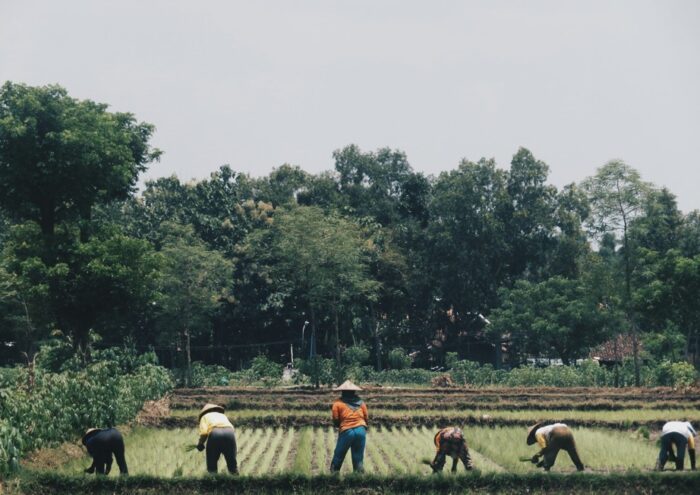
- Exploitative Labor: The drive for ever-lower production costs pushes brands to seek out the cheapest labor, often in countries with lax labor laws and poor enforcement. Garment workers, predominantly women (estimated to be 80% of the global garment workforce), frequently endure unsafe working conditions, long hours, and wages far below a living wage. Tragedies like the 2013 Rana Plaza factory collapse in Bangladesh, which killed over 1,100 workers, starkly exposed the human cost of fast fashion.
- Lack of Transparency: The complex and fragmented supply chains make it easy for brands to avoid accountability for these labor abuses and environmental harms. Without transparency, consumers and watchdog organizations struggle to identify and address issues.
- Impact on Local Economies: While fast fashion provides jobs, it often undermines local textile industries and traditional craftsmanship by outcompeting them with mass-produced, cheaper alternatives.
The "Farm to Closet" Solution: Principles and Practices
The "farm to closet" model offers a comprehensive antidote to the systemic problems of fast fashion by championing principles that prioritize ecological health, social equity, and economic resilience.
-
Radical Transparency and Traceability: At its core, "farm to closet" demands complete visibility across the entire supply chain. This means knowing exactly where raw materials are sourced, how they are grown or produced, who processes them, and under what conditions. Technologies like blockchain are increasingly being explored to provide immutable records of each stage, offering unprecedented transparency. For consumers, this translates into being able to access detailed information about their clothing, fostering a deeper connection and understanding.
-
Regenerative Agriculture: This approach goes beyond organic farming by actively seeking to improve soil health, biodiversity, and ecosystem resilience. Instead of simply avoiding harmful chemicals, regenerative agriculture focuses on practices like cover cropping, crop rotation, composting, and reduced tillage, which sequester carbon from the atmosphere, enhance water retention, and increase soil fertility. For fibers like cotton, this means a healthier planet and a more sustainable source of raw materials.
-
Community-Based, Artisan Production: "Farm to closet" champions localized production, often partnering directly with small-scale farmers and artisan communities. This model supports traditional crafts, preserves indigenous knowledge, and ensures that value is retained within local economies. By working directly with artisans—weavers, dyers, and sewers—brands can ensure fair wages, safe working conditions, and empower marginalized communities, particularly women, who often form the backbone of these craft industries. This contrasts sharply with the impersonal, often exploitative, factory environments of fast fashion.
-
Natural Dyes and Sustainable Processing: The model prioritizes the use of natural dyes derived from plants, minerals, or insects, significantly reducing the chemical footprint associated with synthetic dyeing processes. These natural methods, often rooted in ancient traditions, are not only environmentally benign but also culturally rich. Furthermore, water and energy-efficient processing techniques are employed throughout the manufacturing stages to minimize resource consumption and waste.
-
Slow Fashion Ethos: Implicit in "farm to closet" is a commitment to the principles of slow fashion: producing fewer, higher-quality garments designed for longevity. This encourages consumers to invest in pieces that are durable, timeless, and cherished, moving away from disposable fashion and reducing overall consumption and waste.
SukkhaCitta: A Beacon of Change from Indonesia
SukkhaCitta, an acclaimed Indonesian brand, stands as a powerful testament to the practical implementation of the "farm to closet" philosophy. Their journey exemplifies how a fashion label can build a truly sustainable and ethical enterprise from the ground up, impacting lives and the environment positively.
SukkhaCitta’s commitment begins at the very first step: the cotton seed. They collaborate directly with local cotton farmers, primarily women, in rural Indonesia. These partnerships are not merely transactional; they involve deep engagement and education on regenerative agricultural practices. Farmers are trained in methods that restore soil vitality, conserve water, and avoid synthetic pesticides and fertilizers. This collaborative approach ensures a sustainable source of high-quality, chemical-free cotton while empowering farmers with knowledge and fair compensation, significantly improving their livelihoods.
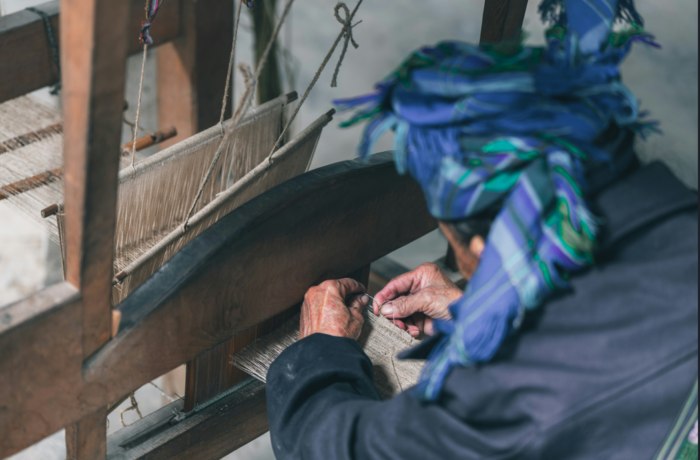
One of SukkhaCitta’s signature materials is indigo, a cornerstone of traditional Indonesian textile artistry. The brand cultivates indigo plants using traditional methods, extracting natural dyes that are vibrant and environmentally friendly. The indigo dyeing process itself is a meticulous, time-honhonored craft. Fabrics are repeatedly dipped into vats of fermented indigo dye, then exposed to air for oxidation, gradually developing their rich, deep blue hues. This intricate process is labor-intensive and requires significant artisanal skill, a stark contrast to the rapid, chemical-laden synthetic dyeing methods prevalent in mainstream fashion. By upholding this tradition, SukkhaCitta not only produces beautiful, unique garments but also preserves a vital piece of cultural heritage.
The production of SukkhaCitta’s garments is entirely hand-crafted by skilled artisans—weavers, dyers, and sewers—within their local communities. These artisans, many of whom are women, receive fair wages, comprehensive training, and work in safe, respectful environments. The brand ensures transparency in its pricing, allowing consumers to see how their purchase directly benefits the artisans. Each garment tells a story—a narrative of tradition, skill, community, and conscious creation. The extended time and care invested in each piece imbue it with not just aesthetic value but also a profound sense of heritage and purpose. This community-centric approach fosters economic independence and strengthens social bonds, turning fashion into a tool for empowerment.
More Than Just Fashion: Economic and Environmental Impact
The SukkhaCitta model illuminates a critical truth often overlooked in the discourse around fashion: it is not an isolated industry. Fashion is deeply intertwined with environmental health, local economies, and social equity.
- Environmental Restoration: By embracing regenerative agriculture, SukkhaCitta actively contributes to improving soil quality, protecting water resources from chemical runoff, and fostering biodiversity. Their reliance on natural dyes drastically reduces water pollution and chemical exposure. This proactive approach highlights fashion’s potential to be a restorative, rather than extractive, industry.
- Economic Empowerment: The direct partnership model ensures that wealth generated by fashion production remains within local communities. Fair wages and training initiatives empower artisans, providing stable income and opportunities for skill development. This is particularly impactful for women, who often face greater economic vulnerability. SukkhaCitta’s success demonstrates that ethical production can be economically viable and sustainable.
- Cultural Preservation: By reviving and supporting traditional crafts like indigo dyeing and hand-weaving, the brand plays a crucial role in preserving cultural heritage and indigenous knowledge that might otherwise be lost in the face of industrialization.
- Rethinking Consumption: The "farm to closet" ethos, as exemplified by SukkhaCitta, challenges the notion of constant consumption. It advocates for a more mindful approach: buying fewer, higher-quality garments that are valued and worn for longer. This shift away from disposable fashion is critical for reducing waste and fostering a more sustainable consumption culture.
Broader Implications and Industry Reactions
The "farm to closet" model, while still niche, is gaining significant traction and sparking broader conversations within the fashion industry. Leading sustainable fashion advocates and environmental organizations, such as Fashion Revolution, consistently highlight the urgent need for greater transparency and ethical production practices, aligning perfectly with the "farm to closet" principles. Industry experts increasingly agree that such models are not just ethical choices but also crucial for the long-term viability of the fashion sector in the face of climate change and resource depletion.
- Scalability Challenges and Opportunities: While the artisanal, community-based nature of "farm to closet" might suggest limited scalability, innovators are exploring ways to integrate these principles into larger operations through technological solutions for traceability and by building networks of smaller producers. The rising consumer demand for ethical products also creates a market incentive for larger brands to adopt similar practices, even if incrementally.
- Consumer Influence: A significant shift in consumer awareness and purchasing habits is a powerful driver for change. As consumers become more educated about the true cost of fast fashion, their demand for transparent and sustainable alternatives grows, pressuring brands to adapt. Educational campaigns and platforms that empower consumers to "ask who made my clothes" are instrumental in this evolution.
- Policy and Regulation: Governments and international bodies are beginning to recognize the need for stricter regulations on environmental impact and labor standards in the textile industry. Potential future developments could include mandatory supply chain transparency, extended producer responsibility schemes, and incentives for brands adopting sustainable practices.
- Technological Integration: Advancements in blockchain technology offer promising solutions for creating immutable and verifiable records of a garment’s journey, from raw material to retail. Digital platforms can connect consumers directly with producers, fostering trust and accountability.
The Future of Fashion: A Conscious Evolution
The "farm to closet" perspective is a potent example of how fashion can be simultaneously beautiful, ethical, and sustainable. The future of fashion must confront the relentless pace of the modern world, not by blindly following it, but by engaging with it thoughtfully and responsibly. A sustainable future for fashion hinges not on isolated consumer decisions alone, but critically on the industry’s capacity to transition towards more transparent, accountable, and regenerative operating models.
The "farm to closet" model offers a proven blueprint: it demonstrates that fashion can be economically viable, community-building, and environmentally conscious. It suggests that the future of fashion may not necessarily be slower or faster, but rather more responsible, more thoughtful, and deeply connected to the people and the planet that make it possible. As consumers increasingly seek authenticity and purpose in their purchases, and as the environmental imperative grows ever more urgent, the "farm to closet" philosophy offers a compelling vision for a fashion industry that thrives by doing good.
Authored by: Kovács Enikő (Original content contributor)
Source inspiration: Why the future of fashion is ‘farm to closet’ | National Geographic