Sustainable Fashion Savings: Weekly Exclusive Offers from Top-Rated Ethical Brands


The global fashion industry is currently undergoing a structural shift as consumers increasingly demand transparency and environmental accountability from the retailers they support. As awareness of the climate impact, labor practices, and animal welfare standards associated with traditional "fast fashion" grows, the demand for sustainable alternatives has reached an all-time high. However, a common barrier for many consumers remains the price point, as ethically produced garments often carry a premium due to fair labor wages, higher-quality materials, and smaller-scale production cycles. To bridge this gap, initiatives that curate and provide discounts for verified sustainable brands play a critical role in making conscious consumerism more accessible to a broader demographic.
This week’s collection of exclusive offers highlights several brands that have met rigorous standards for social and environmental performance. By vetting these companies through established rating systems—which evaluate factors such as supply chain transparency, chemical usage, and carbon emissions—consumers are provided with a clear pathway to transition their wardrobes toward more circular and responsible models.
The Financial and Environmental Rationale for Conscious Consumption
The economic implications of the current shift toward sustainable fashion are significant. According to recent market analysis, the global ethical fashion market is expected to reach a valuation of over $10 billion by 2027, growing at a compound annual growth rate of roughly 9%. This trajectory is fueled by a generational shift in spending power, particularly among Gen Z and Millennial cohorts, who prioritize "value-aligned" purchasing.
However, the "green premium"—the additional cost associated with eco-friendly production—can often exclude middle-income shoppers. By centralizing promotional offers from brands rated as "Good" or "Great," platforms like Good On You aim to democratize sustainable fashion. These discounts act as an incentive, allowing consumers to purchase high-quality, long-lasting items that ultimately reduce the need for constant replacement—a core tenet of the slow fashion movement.
Spotlight on Leading Ethical Brands and Current Promotions
The current selection of active promotions covers a diverse array of categories, from everyday basics and activewear to specialized children’s clothing and luxury slow-fashion pieces.
ELK the Label: A Focus on Innovation
Founded in Melbourne in 2004, Elk has established itself as a pioneer in independent Australian design. The brand operates on a bi-annual collection cycle, prioritizing a design ethos that blends simplicity with material innovation. Currently, shoppers can access a 25% discount on selected pieces within their clearance section. This sale provides an opportunity to purchase items designed for longevity, with a size range typically spanning AU 6-18. By focusing on reduced production runs and long-term design, Elk minimizes the waste common in seasonal retail.
Terra Thread: Organic Cotton for Educational Needs
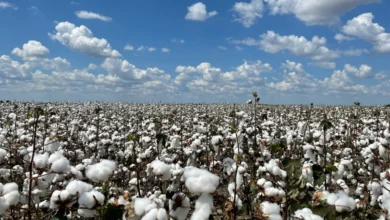
As the back-to-school season progresses, the demand for durable, non-toxic bags remains high. California-based Terra Thread offers a unique proposition: GOTS (Global Organic Textile Standard) and Fair Trade certified bags crafted from organic cotton. Their current promotion offers an exclusive 12% discount on bags with the code TERRATHREADGOOD12. This brand is particularly notable for its commitment to soil health and the elimination of synthetic pesticides, which are often pervasive in the conventional cotton supply chain.
SCATHED: Embracing the Made-to-Order Model
For consumers interested in the "gothic" and alternative aesthetic, SCATHED offers a solution that directly combats the overproduction crisis. By utilizing a made-to-order manufacturing process, the brand ensures that garments are only produced when there is a confirmed demand, effectively eliminating deadstock waste. Customers can currently apply the code REAPER10 for a 10% discount on their first order, specifically within the United States market. This model represents the future of boutique luxury, where exclusivity and sustainability are treated as complementary values.
Oobi and ReCreate: Ethical Foundations in Diverse Markets
The children’s fashion sector is notoriously difficult to align with sustainability, given the rapid growth of children and the subsequent volume of waste. Australian brand Oobi addresses this by using low-impact, non-toxic dyes and opting for sea freight over air freight to lower its carbon footprint. With an exclusive 25% discount on full-priced items using the code OOBIGOODONYOU, the brand makes ethical choices easier for parents.
Similarly, New Zealand’s ReCreate provides a boutique approach to clothing that emphasizes fair employment and training programs. By incorporating textile offcuts into their production, they minimize fabric waste. A permanent 10% discount is available for customers, reflecting the brand’s commitment to consistent, long-term consumer engagement rather than short-term, high-pressure sales.
The Broader Impact: Why Brand Ratings Matter
The efficacy of these discounts is amplified by the underlying rating systems. When a consumer chooses to shop from a brand with a "Great" rating, they are not just buying a product; they are supporting a supply chain that has been audited for specific risks.
Common audit criteria include:
- Labor Rights: Verification that workers in the final stage of production are paid a living wage.
- Environmental Management: Evidence of energy efficiency, waste reduction, and the minimization of hazardous chemicals.
- Animal Welfare: Strict policies regarding the sourcing of wool, leather, and down, ensuring humane treatment.
Brands like Facettes Studio, based in Paris, exemplify the "circular" ambition by providing repair and alteration services for their suits, effectively extending the lifecycle of every garment sold. By banning materials like polyester and polyamide, they address the issue of microplastic shedding—a major environmental pollutant.
Chronology of Consumer Trends
- 2010–2015: The rise of fast fashion dominates, with production volumes doubling globally.
- 2016–2019: Public awareness of the Rana Plaza disaster and climate change leads to the "Fashion Revolution" movement, demanding greater supply chain transparency.
- 2020–2022: The COVID-19 pandemic forces a global supply chain rethink. Many ethical brands shift toward "made-to-order" or "small-batch" models to survive market instability.
- 2023–Present: The focus shifts toward "circularity." Retailers are now being evaluated not just on how they produce clothes, but on how they facilitate second-hand markets, repairs, and recycling.
Implications for Future Retail
The integration of discount codes with ethical vetting creates a virtuous cycle. When consumers are rewarded for shopping with sustainable brands, the increased volume allows these smaller, independent labels to achieve better economies of scale. This, in turn, can lead to further price stabilization, making ethical fashion a more viable option for the average household.
Furthermore, the prevalence of "continuous offers"—deals that do not expire—from brands like SeamsFriendly and Ucon Acrobatics signals a shift away from the "sale-driven" retail calendar. By offering permanent discounts, these companies encourage thoughtful purchasing rather than impulsive, discount-driven consumption. SeamsFriendly, for instance, allows for extensive customization of fit—a move that significantly reduces return rates, which is one of the most carbon-intensive aspects of e-commerce.
Conclusion: Moving Toward a Conscious Wardrobe
The transition to a sustainable wardrobe is not a binary choice between ethics and affordability; it is an evolving process of making better-informed decisions. By utilizing curated lists of rated brands, consumers can identify companies that align with their values without sacrificing personal style or financial prudence.
As the industry continues to evolve, the role of independent, third-party assessments will become increasingly vital. For the modern shopper, the tools are now readily available to turn the tide against the environmental degradation caused by traditional manufacturing. Whether it is through supporting the hemp-based streetwear of THTC, the recycled material basics of Proclaim, or the upcycled lingerie of Anekdot, every purchase serves as a vote for a more equitable and sustainable future. The path forward lies in the synergy between corporate responsibility, technological transparency, and the conscious choices of the individual consumer.