Europe Embraces Ethical Tourism: A Comprehensive Guide to Sustainable Vacationing that Benefits Planet and Communities


The global tourism landscape is undergoing a profound transformation, driven by an escalating awareness of environmental impact and the desire for more meaningful travel experiences. While conventional travel has frequently been implicated in ecological degradation, from excessive carbon emissions associated with air travel to the proliferation of resource-intensive accommodations, a burgeoning movement demonstrates that vacationing can, in fact, be a powerful force for good. Ethical tourism, when meticulously planned and consciously executed, possesses the inherent capacity to foster economic development in local communities, facilitate the regeneration of diverse ecosystems, and offer profound restorative benefits to the individual traveler. Europe, with its rich tapestry of cultures, diverse landscapes, and progressive environmental policies, stands at the forefront of this evolution, offering myriad opportunities for ethical engagement. This article explores five pivotal ethical vacation paradigms across the continent, detailing their mechanisms, benefits, and broader implications for a sustainable future.
The Paradigm Shift: From Mass Tourism to Mindful Exploration
For decades, the tourism industry operated largely on a volume-driven model, often prioritizing short-term economic gains over long-term ecological and social sustainability. However, mounting scientific evidence of climate change, biodiversity loss, and the detrimental effects of overtourism on cultural heritage sites and local communities has catalysed a critical re-evaluation. The United Nations World Tourism Organization (UNWTO) has consistently advocated for sustainable tourism development, defining it as "tourism that takes full account of its current and future economic, social and environmental impacts, addressing the needs of visitors, the industry, the environment and host communities." This definition underscores a holistic approach, moving beyond mere eco-friendliness to encompass social equity and economic viability for all stakeholders.
The timeline of this shift can be traced back to the late 20th century, with the 1987 Brundtland Report introducing the concept of sustainable development. This was followed by the 1992 Earth Summit in Rio, which brought environmental issues to the forefront of global policy. For tourism specifically, the UN declared 2017 as the International Year of Sustainable Tourism for Development, significantly boosting awareness and promoting policy frameworks. Consumer demand has shifted commensurately, with numerous surveys indicating a significant preference among travelers for sustainable options. A 2023 study by Booking.com, for instance, revealed that 80% of global travelers confirmed that sustainable travel is important to them, with 58% stating they want to travel more sustainably in the year ahead. This burgeoning demand forms the bedrock for the expansion of ethical tourism initiatives across Europe.
1. Walking Holidays: Low-Impact Exploration and Community Support
Walking holidays represent a quintessential form of ethical tourism, inherently minimizing transportation emissions and fostering a deeper connection with the visited environment. Depending on the proximity of the destination, these vacations can approach near-zero carbon footprints, particularly when travelers opt for public transport to reach their starting points. Beyond the environmental advantages, walking tours offer a unique pace of travel, allowing for immersive cultural experiences and direct engagement with natural landscapes that often remain unseen from vehicles. The health benefits, both physical and mental, are also well-documented, contributing to a holistic sense of well-being.
The European continent is crisscrossed by an extensive network of long-distance walking trails, many of which have historical and cultural significance. The famed Camino de Santiago, for instance, draws hundreds of thousands of pilgrims annually, generating substantial revenue for the small towns and villages along its various routes across Spain, Portugal, and France. This economic injection is critical for sustaining local businesses, from guesthouses and restaurants to artisan shops, often in rural areas that might otherwise face economic decline. Official statistics from the Camino de Santiago Pilgrim’s Office show that over 446,000 pilgrims received the ‘Compostela’ in 2023, representing a significant economic boost for the regions traversed. This revenue is often channeled directly into the local economy, creating jobs and preserving traditional ways of life.
In Malta, the numerous coastal paths not only provide breathtaking views of the Mediterranean but also play a vital role in generating income specifically earmarked for the maintenance and preservation of the island nation’s rich archaeological sites. The revenue derived from these tourist activities contributes directly to safeguarding ancient temples, Roman villas, and medieval fortifications, ensuring their longevity for future generations. Similarly, Switzerland’s iconic alpine trails serve as a lifeline for its mountain communities. Tourists engaging in hiking and trekking activities contribute significantly through accommodation bookings in family-run chalets, the utilization of local guide services, and payments for access to meticulously maintained national parks. This direct economic support encourages local populations to remain in their ancestral lands, preserving unique cultural traditions and land management practices. The Swiss Federal Office for the Environment emphasizes the importance of sustainable tourism for protecting biodiversity and cultural landscapes. Furthermore, the fees collected for national park entry are reinvested into conservation efforts, including trail maintenance, wildlife protection, and educational programs, thereby creating a virtuous cycle where tourism directly funds environmental stewardship. The European Ramblers’ Association (ERA), representing millions of walkers across 36 European countries, actively promotes sustainable hiking practices and the development of cross-border trails, underscoring the continent-wide commitment to this low-impact travel modality. Data from the ERA indicates a steady increase in participation in long-distance hiking, reflecting a growing preference for active and environmentally conscious holidays.
2. Supporting Regenerative Agriculture: A Culinary Journey with Environmental Impact

Europe, renowned for its diverse culinary traditions and high-quality produce, offers an unparalleled setting for agrotourism. This form of ethical travel allows visitors to directly engage with agricultural practices, understand food origins, and, critically, support the transition from industrial monoculture to more sustainable, regenerative farming methods. Regenerative agriculture focuses on improving soil health, enhancing biodiversity, and sequestering carbon, thereby offering tangible environmental benefits that extend far beyond the farm gate. It represents a proactive approach to combating climate change and land degradation.
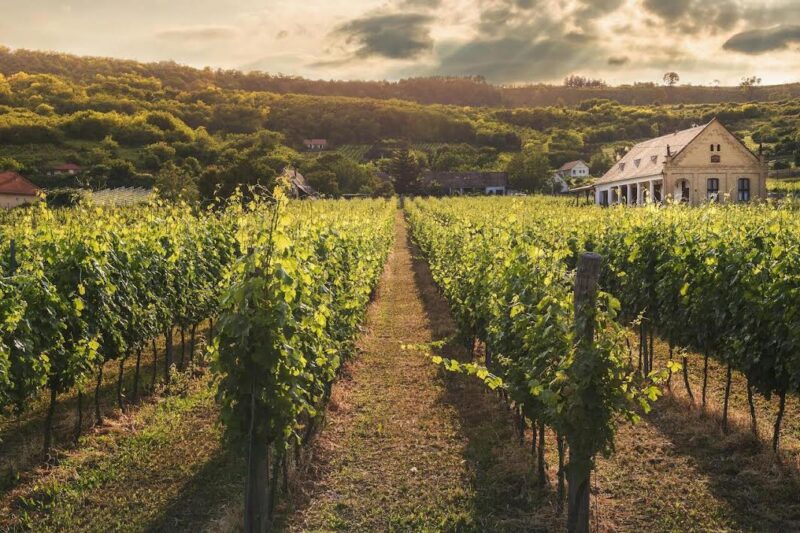
The burgeoning popularity of biodynamic vineyards across Spain, France, and Italy exemplifies this trend. Biodynamic farming, a holistic approach that views the farm as a single, self-sustaining organism, goes beyond organic standards by integrating ecological, spiritual, and ethical considerations. Measurable benefits of such practices are significant: studies published in journals like Nature Food have shown up to 40% higher soil organic matter content in biodynamic farms compared to conventional ones, leading to improved soil fertility and carbon sequestration. Furthermore, these farms often exhibit 60% greater microbial diversity, crucial for nutrient cycling and disease resistance, and boast 30% improved water retention capabilities, a vital asset in an era of increasing water scarcity and drought.
Agrotourism experiences often include farm stays, workshops on traditional farming techniques, and, notably, wine tasting tours that educate consumers about sustainable viticulture. In Italy, for example, many walking tours intentionally traverse vineyards, offering visitors the opportunity to sample and learn about local wines, often for a modest fee of around €100. This direct interaction not only provides an authentic cultural experience but also establishes a direct financial link between consumers and farmers committed to environmentally responsible practices. The European Union’s Common Agricultural Policy (CAP) has increasingly emphasized ecological transition and rural development, providing a supportive policy framework for such initiatives. For instance, the CAP for 2023-2027 includes significant funding for eco-schemes and agri-environmental-climate measures. Industry analyses project the European agritourism market to grow significantly, driven by consumer interest in authentic experiences and sustainable food systems, offering a lifeline to small and medium-sized family farms. Representatives from associations like Agriturismo Italia frequently highlight the dual benefit of preserving rural heritage and promoting sustainable agriculture through tourism.
3. Community-Owned Tourism Cooperatives: Empowering Local Economies
Community-owned tourism enterprises represent a powerful model for ethical travel, ensuring that the economic benefits of tourism remain within the local economy. Unlike multinational hotel chains, which often funnel a substantial portion of their profits to overseas shareholders – with as little as 15% of revenue typically retained locally – community cooperatives boast an impressive retention rate, often keeping 85% or more of tourism revenue within the host community. This stark contrast highlights the potential for tourism to be a genuinely empowering force for local populations, fostering economic resilience and reducing dependency on external corporate interests.
Scotland’s community-managed islands, particularly within the Hebrides archipelago, provide a compelling illustration of this model in action. Here, residents operate through collective ownership structures, holding voting shares in various tourism-related assets, including accommodation, transport services, and activity providers. This democratic control ensures that tourism development aligns directly with community wishes and priorities, preventing the imposition of unsustainable large-scale projects that might disrupt local lifestyles or damage fragile ecosystems. Organizations like Community Land Scotland have documented numerous success stories where local trusts have acquired land and assets to develop tourism infrastructure that directly benefits residents.
The profits generated by these community-run accommodations are not merely distributed among shareholders; they are often reinvested into vital local services. In many Hebridean communities, these funds directly support local schools, healthcare services, and infrastructure improvements, demonstrating a tangible link between tourism and community well-being. For example, the Isle of Eigg Heritage Trust, a pioneer in community ownership, uses tourism revenue to support local jobs and infrastructure. This direct benefit fosters a strong sense of ownership and hospitality among residents, who genuinely welcome visitors knowing that their presence contributes to the collective good. Furthermore, the inherent limitations on visitor capacity, often a result of community decisions to block large, unsustainable developments, naturally mitigates the risks of overtourism, ensuring that the local environment and culture are preserved. The rise of community-based tourism (CBT) globally, championed by organizations like the World Tourism Organization, underscores a broader recognition of this model’s efficacy in fostering inclusive and sustainable development, empowering marginalized communities and preserving indigenous cultures.
4. Urban Rewilding: Transforming Cities into Biodiversity Hubs
Urban rewilding projects represent an innovative approach to ethical tourism, leveraging visitor revenue to fund critical habitat restoration and generate measurable biodiversity gains within urban environments. As cities continue to expand globally, they face increasing challenges related to biodiversity loss, air quality degradation, and the urban heat island effect. Rewilding initiatives seek to reverse these trends by restoring natural processes and habitats within metropolitan areas, creating green corridors and ecological stepping stones that benefit both wildlife and human inhabitants.
Berlin provides a compelling example of successful urban rewilding. Its extensive network of urban forests and green spaces has been significantly enhanced through visitor fee-funded habitat management programs. Over a period of just five years, these initiatives have demonstrably increased bird species diversity by an impressive 45%, transforming parts of the city into vibrant ecological sanctuaries. This not only enhances the quality of life for residents but also offers unique educational and recreational opportunities for tourists interested in urban ecology. Researchers from institutions like the Leibniz Institute of Ecological Urban Development have highlighted Berlin’s leading role in urban biodiversity initiatives.
Similarly, Amsterdam’s commitment to green corridors has yielded remarkable results. These interconnected green spaces actively support over 120 native plant species, contributing significantly to local biodiversity. Beyond their ecological value, these corridors generate approximately €2.3 million annually from conservation tourism, including guided nature walks, citizen science projects, and eco-friendly recreational activities. The revenue is then reinvested into further conservation efforts, creating a self-sustaining model. City officials in Amsterdam have often emphasized the dual benefits of these projects for ecological resilience and citizen well-being. Participating in urban rewilding activities, such as tree planting or native flower seeding in city parks, offers tourists a tangible way to contribute to environmental restoration. The satisfaction of knowing one has directly contributed to the re-greening of a city, with the potential to revisit years later to witness the growth and benefits, adds a unique and profound dimension to the travel experience. This movement aligns with the broader "nature-based solutions" agenda promoted by the European Commission, which seeks to integrate natural processes into urban planning for climate resilience and environmental health, promoting initiatives that enhance urban liveability and ecological integrity.
5. Glamping: Sustainable Comfort in Nature’s Embrace
While Europe boasts an array of world-class luxury hotels, the summer months, in particular, invite travelers to embrace the great outdoors without sacrificing comfort. Glamping – a portmanteau of "glamorous camping" – offers an ethical and increasingly popular alternative to traditional accommodation, providing a unique blend of nature immersion and luxurious amenities. This trend aligns perfectly with the desire for sustainable travel that minimizes environmental impact while maximizing traveler satisfaction, bridging the gap between rugged adventure and refined relaxation.
Glamping sites have proliferated across Europe, from the ancient forests of Germany to the picturesque Lake District of England, and extend to the coastal regions of Croatia and the vineyards of France. The diversity of accommodation options is vast, ranging from elegantly furnished safari tents and rustic treehouses to cozy yurts and stylish eco-pods. What distinguishes glamping is its ability to offer the quintessential outdoor experience – fresh air, starry nights, and direct contact with nature – coupled with conveniences such as hot showers, comfortable beds, and often, gourmet dining options or even room service. The global glamping market was valued at approximately USD 2.35 billion in 2022 and is projected to grow at a compound annual growth rate (CAGR) of over 10% through 2030, according to market research reports.
From an ethical standpoint, glamping often involves structures that have a significantly lower environmental footprint compared to conventional hotel construction. Many glamping sites are designed to be temporary or semi-permanent, utilizing sustainable materials, minimizing land disturbance, and often incorporating renewable energy sources and efficient water management systems. They encourage guests to spend more time outdoors, reducing energy consumption associated with indoor activities. Furthermore, by providing a comfortable entry point into nature-based travel, glamping makes outdoor experiences accessible to a broader demographic, including those who might otherwise opt for more resource-intensive forms of accommodation. Industry leaders in glamping, such as Glamping Hub, frequently emphasize the sector’s commitment to eco-friendly practices and local engagement. This trend contributes to the diversification of tourism offerings, alleviating pressure on traditional hospitality infrastructure in popular urban centers and promoting sustainable development in rural areas, often in harmony with local ecosystems.
Broader Implications and the Path Forward
These five ethical tourism initiatives underscore a fundamental shift in how travel is conceived and executed. They demonstrate that vacationing can transcend mere leisure, evolving into a proactive engagement with conservation, community development, and personal well-being. The implications of this paradigm shift are far-reaching. Economically, ethical tourism fosters equitable wealth distribution, supporting local enterprises and preventing capital leakage. Environmentally, it drives the protection of natural habitats, reduces carbon emissions, and promotes sustainable resource management. Socially, it empowers local communities, preserves cultural heritage, and educates travelers on responsible practices.
The evolution of sustainable tourism is not without its challenges. Issues such as "greenwashing," where companies falsely market their services as environmentally friendly, remain a concern. Scalability, ensuring that ethical models can accommodate growing demand without compromising their principles, is another hurdle. Furthermore, robust certification schemes and transparent reporting, such as those provided by the Global Sustainable Tourism Council (GSTC), are crucial to build consumer trust and ensure genuine adherence to sustainable practices.
However, the trajectory is clear. The convergence of heightened environmental consciousness, evolving consumer preferences, and supportive policy frameworks from organizations like the European Commission and UNWTO is propelling ethical tourism into the mainstream. The future of travel in Europe, and indeed globally, lies in these mindful approaches – approaches that not only allow individuals to explore beauty spots but also actively contribute to their preservation and the flourishing of the communities that host them. By choosing these ethical pathways, travelers become integral participants in a global movement towards a more sustainable and equitable world.