The Ultimate UK Guide to Ethical and Sustainable Knitwear Brands for Cosy Jumpers and Cardigans

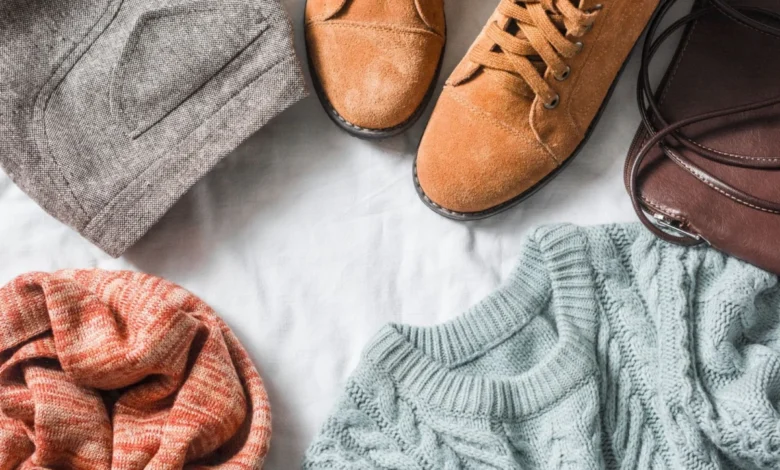
The arrival of the colder winter months invariably turns consumer attention toward knitwear, valued globally for its natural thermoregulatory properties that provide warmth without inducing excessive perspiration. However, beneath the surface of the cosy aesthetic associated with traditional woollen garments lies a complex global supply chain often impacted by animal welfare violations, toxic chemical dyes, and hidden synthetic compositions. As consumer awareness shifts toward environmental accountability, the British retail market has seen a significant evolution in how knitwear is manufactured, sourced, and recycled. Understanding the hidden ecological footprints of winter wardrobes has become paramount for shoppers seeking to balance comfort with environmental stewardship.
The Hidden Realities of Synthetic Blends in Knitwear

A primary misconception within the textile market is that all wool-based garments are inherently natural and environmentally benign. In practice, many commercial apparel brands blend natural wool fibers with synthetic counterparts such as acrylic and polyester. While industry defenders argue that synthetic blends—particularly acrylic—help garments retain their shape, resist bobbling, and reduce manufacturing costs, the ecological trade-offs are substantial. Acrylic is fundamentally a petroleum-derived plastic. Consequently, garments containing these synthetic blends shed potentially harmful microplastics into wastewater systems during every domestic laundering cycle. Furthermore, research indicates that synthetic-wool blends degrade more rapidly than pure fibers, forming complex bobbles that are difficult to remove, thereby shortening the garment’s functional lifespan and accelerating its journey to landfill.
Animal Welfare Concerns Within the Wool Supply Chain
Conversely, transitioning to 100% pure wool does not automatically eliminate ethical concerns. The traditional wool industry faces severe scrutiny regarding animal welfare practices embedded within its supply chains. A prominent example is the practice of mulesing, historically prevalent in regions like Australia—a major global wool exporter. Mulesing involves the surgical removal of strips of merino sheep skin from around the breech area, performed to prevent flystrike, a potentially fatal parasitic infection caused by blowflies. Because this painful procedure is frequently executed without anaesthesia, animal rights organizations have campaigned intensely against it. While nations such as New Zealand and South Africa have largely phased out or banned the practice, other major producers continue to permit it, forcing conscious consumers to seek strict supply chain transparency and third-party certifications like the Responsible Wool Standard (RWS).

The Evolution of Sustainable Knitwear Standards in the UK
In response to consumer demand and tightening environmental regulations, the United Kingdom has witnessed the emergence of a robust market for ethically produced knitwear. Modern sustainable brands generally fall into three categories: those utilizing certified 100% natural fibers from traceable farms, those specializing in pre-loved and vintage apparel, and those employing closed-loop recycling systems. Certifications such as the Responsible Wool Standard and the Circular Textiles Foundation now provide objective benchmarks for shoppers, ensuring that land management, animal welfare, and end-of-life recyclability meet rigorous international standards.
Leading Eco-Friendly Knitwear Brands Available in the UK

Several British retailers and independent labels have established themselves as leaders in the sustainable knitwear sector by prioritizing transparency, circularity, and ethical labor practices:
BAM
Originally recognized for its bamboo-based apparel, UK retailer BAM has expanded its offerings to include high-grade knitwear for men and women crafted entirely from 100% RWS-certified wool. Each garment is certified recyclable by the Circular Textiles Foundation, supported by the brand’s "73 Zero" take-back scheme, which allows consumers to return worn-out items free of charge for industrial recycling. BAM maintains corporate targets to achieve zero landfill waste, zero pollution, and complete water conservation across its entire production pipeline by 2030.
ERIBÉ Knitwear
Founded in Scotland in 1986, ERIBÉ is an established knitwear house renowned for its commitment to traditional craftsmanship and 100% natural fibers, including British wool and guaranteed non-mulesed RWS merino lambswool. Operating production facilities in Scotland and the European Union under strict labor regulations, the brand minimizes industrial waste through small-batch manufacturing and made-to-order models. Faulty textile panels are routinely rewound into raw yarn, and traditional plastic packaging has been replaced with biodegradable alternatives.

Oxfam Online
For consumers seeking both sustainability and affordability, Oxfam Online provides a centralized digital marketplace for preloved knitwear. Featuring dedicated sections for men’s and women’s apparel, the platform allows shoppers to filter items by size, brand, color, and condition. By centralizing charitable donations digitally, Oxfam enables buyers to support global poverty alleviation initiatives while diverting textiles from landfill, backed by flat-rate shipping and standardized return policies.
Herd
Operating as a luxury fashion label focused on regional revitalization, Herd aims to counteract the declining commercial demand for British wool by controlling a hyper-localized supply chain. Every Herd garment completes a journey of merely 230 miles from sheep to finished product. Utilizing 100% Bluefaced Leicester fleece sourced from the Northern Uplands of Yorkshire, Lancashire, and Cumbria, the brand collaborates with local farmers, spinners, and craftspeople, applying natural plant-based dyes to minimize environmental impact.
Komodo
Established in 1988, Komodo is among the UK’s longest-running ethical clothing pioneers. The brand curates a comprehensive collection of men’s and women’s knitwear manufactured exclusively from premium organic natural fibers, maintaining a strict policy against wool-polyester blends and single-use plastics. As an active member of 1% for the Planet, Komodo financially supports the Sumatran Orangutan Society in restoring deforested ecosystems.

Beaumont Organic
Based in Manchester, Beaumont Organic specializes in women’s casual wear produced exclusively within traceable, family-run factories across the European Union. The brand ensures fair wages and optimal working conditions, enabling complete supply chain transparency down to the individual machinist. Beaumont’s knitwear line features responsibly sourced, non-mulesed lambswool free from synthetic additives, complemented by a complimentary garment repair service for UK customers designed to maximize product longevity.
The Nearly New Cashmere Co.
Specializing in circular luxury, this Yorkshire-based enterprise rescues, reconditions, and repairs thousands of discarded 100% pure cashmere garments annually. By restoring pre-loved jumpers, cardigans, and loungewear to a high standard, the company extends the utility of high-value natural fibers and offers an accessible repair service to ensure long-term wardrobe integration.
Rokit
As a prominent vintage retailer, Rokit supplies an extensive online catalog of pre-loved and designer knitwear spanning multiple eras and encompassing an inclusive size range from 3XS to 3XL. Through its proprietary Rokit Originals initiative, the company repurposes vintage textiles into reworked garments, ensuring rigorous cleaning and quality control inspection prior to retail distribution.

Rapanui
For consumers seeking vegan-friendly alternatives that avoid synthetic plastics, the Isle of Wight-based brand Rapanui produces knitwear constructed exclusively from 100% certified organic cotton. Built upon a circular economic framework, every garment is engineered for eventual return and reprocessing into new organic yarn once the product reaches the end of its functional life.
Economic and Environmental Implications of Conscious Fashion Consumption
The broader adoption of traceable, all-natural, and circular knitwear models carries significant economic and environmental implications for the global fashion industry. By reducing reliance on petrochemical-derived acrylic and polyester, the sector can substantially mitigate the volume of microplastics entering marine and terrestrial ecosystems. Furthermore, supporting regional supply chains—such as those championed by British wool initiatives—helps sustain local agricultural economies and preserves traditional rural craft skills that might otherwise be lost to fast-fashion offshoring. Ultimately, shifting consumer habits toward durability, repairability, and certified ethical sourcing represent crucial steps toward decoupling winter fashion from environmental degradation and animal exploitation.