The Global Fashion Pulse: September 2026 Industry Roundup and Trend Analysis

The global fashion landscape has entered a period of rapid evolution as we move through September 2026, marked by a convergence of high-fashion innovation, cultural retrospection, and strategic brand repositioning. As New York Fashion Week (NYFW) concludes its Spring/Summer 2027 presentations and European houses unveil their Fall/Winter 2026 campaigns, the industry is witnessing a shift toward immersive storytelling and the deliberate reinterpretation of archival silhouettes. This report details the significant movements across luxury, streetwear, and retail sectors, providing a comprehensive overview of the current state of the global fashion economy.

Landmark Moments at New York Fashion Week Spring/Summer 2027
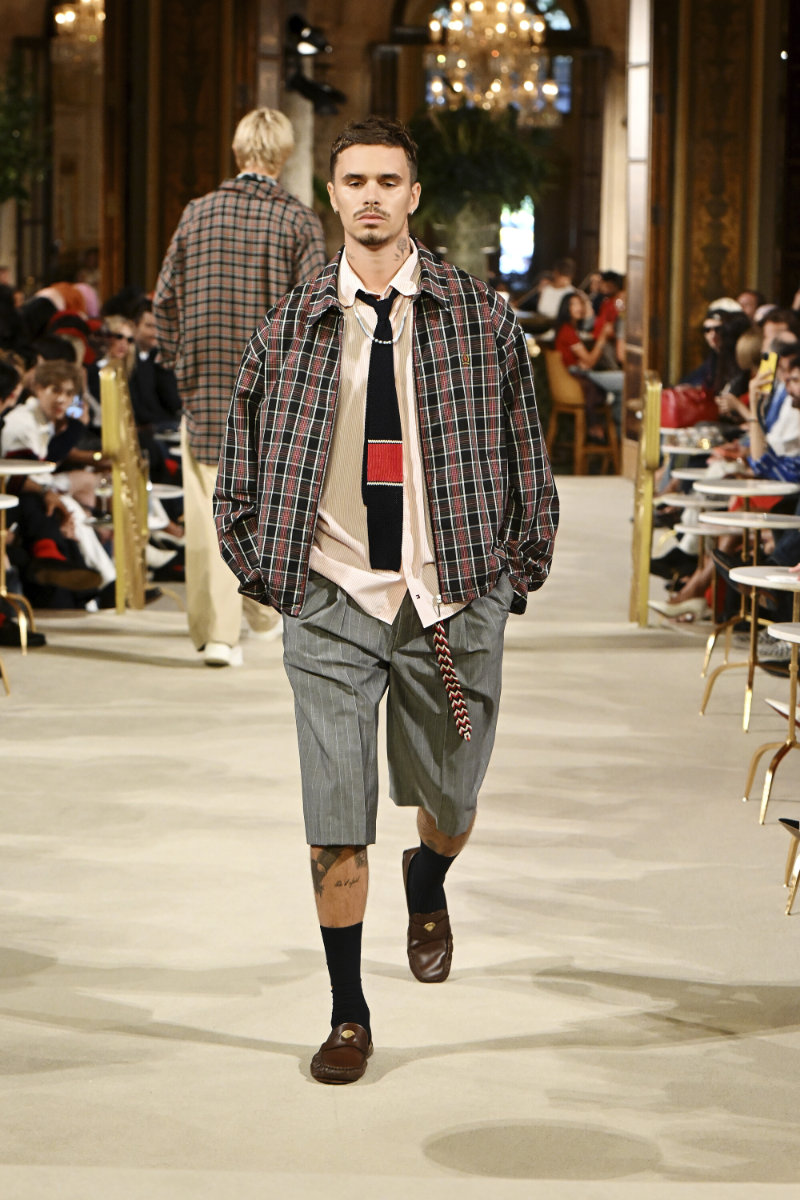
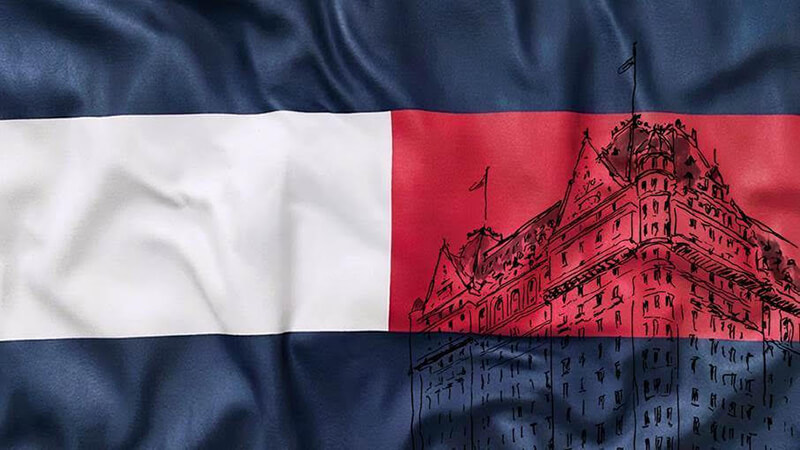
The calendar for September 2026 has been dominated by the spectacle of New York Fashion Week, where established heritage houses sought to bridge the gap between their history and the future. Tommy Hilfiger delivered a standout performance, returning to The Plaza Hotel to present the Spring 2027 “Plaza Prep” collection. This venue held personal significance for the designer, serving as his former family residence, and functioned as a physical manifestation of his brand’s evolution from classic Americana to modern luxury.
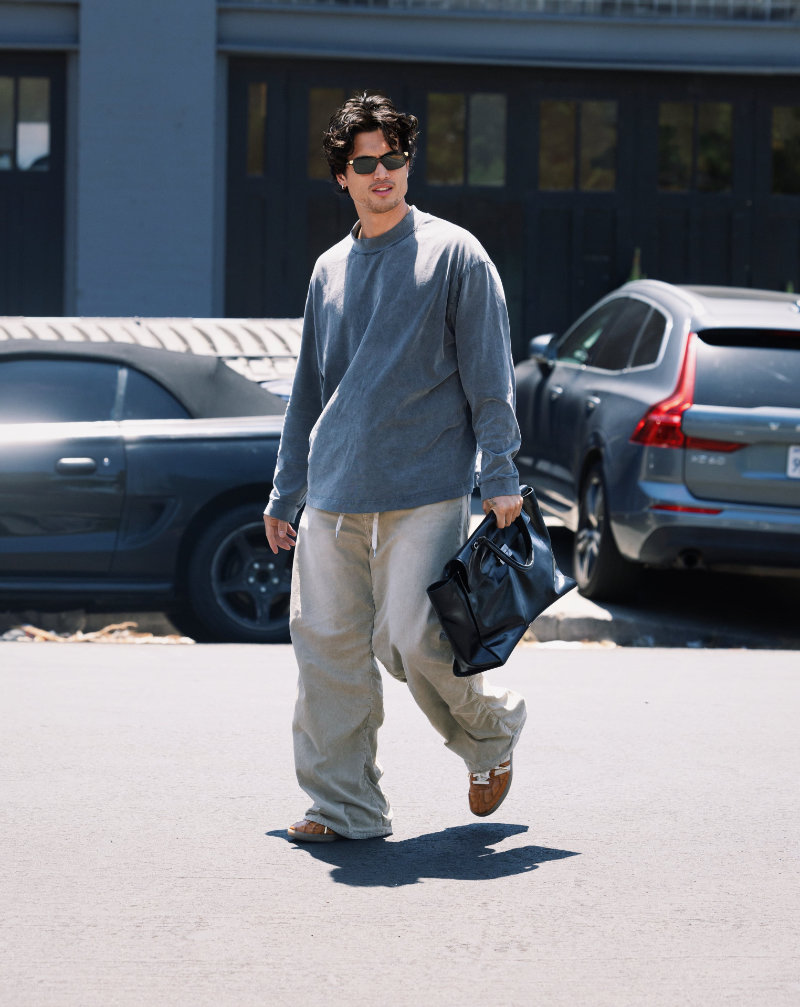
Simultaneously, the avant-garde label Libertine marked a significant milestone: its 25th anniversary. The runway presentation served as a historical retrospective of the brand’s influence on maximalist fashion. The longevity of a brand like Libertine, particularly within the volatile New York market, offers a case study in maintaining brand identity while navigating two and a half decades of shifting consumer demographics.
Strategic Rebranding and Corporate Evolution
Behind the scenes, the business of fashion continues to undergo major restructuring. In Madrid, Pelonio Press has officially rebranded as AM, signaling a strategic pivot in its operational model. Under the leadership of Águeda Amiano and María Fitz-James Stuart, this transition represents a broader trend of agencies moving toward more holistic, multi-disciplinary corporate identities. The shift includes a complete headquarters overhaul and a refinement of their service offerings, indicating that PR firms are increasingly positioning themselves as creative consultants rather than just media conduits.
The Intersection of Art, Tech, and Retail
The relationship between retail spaces and cultural exhibition is becoming increasingly blurred. In Barcelona, the collaboration between Bershka and Aries has extended beyond the garment rack to include a significant artistic intervention. The exhibition "Tomorrow Never Comes," featuring the work of Ed Templeton, illustrates the industry’s reliance on "cultural capital" to drive engagement. By hosting this exhibition at Espai Metrònom, Bershka is effectively transforming its retail strategy into a community-based cultural experience, a move designed to deepen brand loyalty among younger, art-conscious demographics.
This strategy is mirrored globally. In Berlin, "The Overview Effect" exhibition at The Foundry during Berlin Art Week 2026 sought to interrogate the relationship between humanity, technology, and the planet. By involving an international group of designers and artists, the event underscored the industry’s ongoing effort to address sustainability and ethical consumption through intellectual discourse rather than mere marketing.
Product Innovation and Archival Reinterpretations
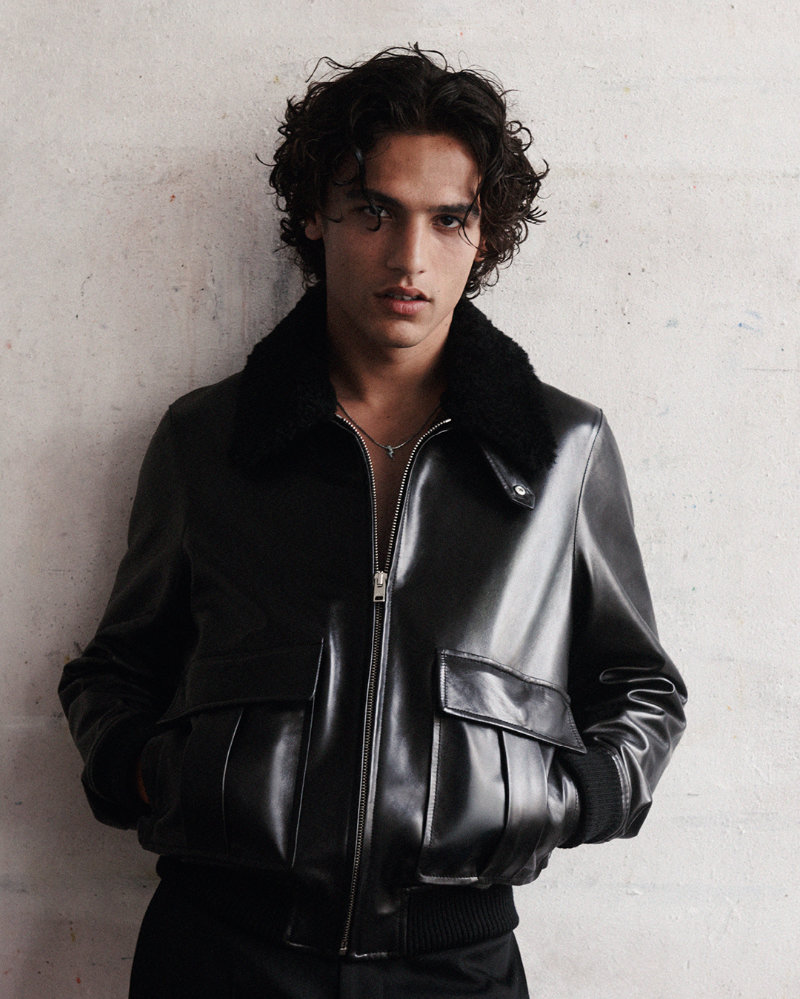
The product cycle for the remainder of the year is defined by a "Heritage-First" design philosophy. Balenciaga has made headlines with the introduction of the "Hourglass Avenue," a refined take on its iconic Hourglass silhouette. This move suggests that luxury houses are focusing on "timeless innovation"—the practice of taking an established, high-performing SKU and adjusting its architecture to maintain consumer interest without alienating the core customer base.

Similarly, the collaboration between Celine and Reebok on the 1982 Freestyle Lo sneaker highlights the persistent appeal of vintage sports footwear. By pairing a high-fashion house with a heritage sportswear brand, these entities are capitalizing on the "tension between heritage and forward motion," a theme that has dominated the footwear market for the past three seasons.
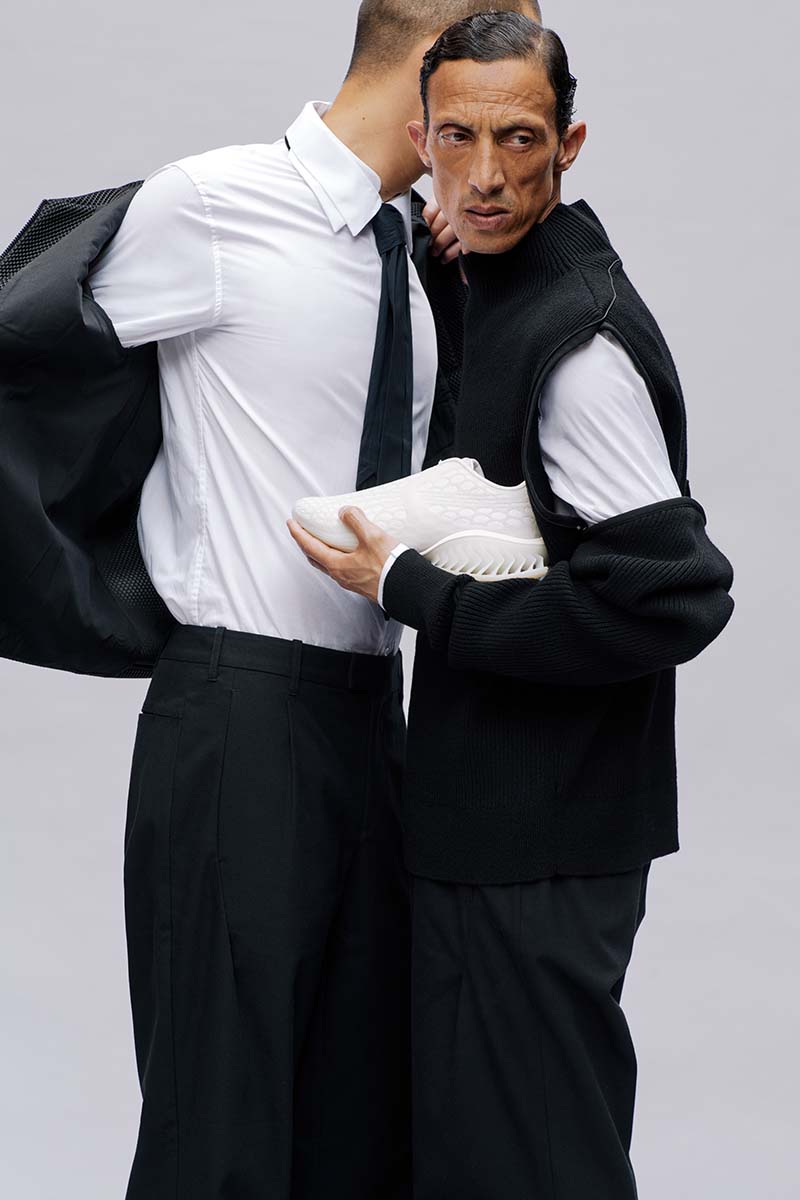
In the streetwear sector, the reunion of PUMA and J.L-A.L on the CELL Geo sneaker reinforces the importance of long-term collaborative partnerships. Data suggests that consumers are increasingly wary of one-off drops, favoring multi-season collaborations that demonstrate a deeper commitment to design continuity.
The Fragrance Market and Sensory Expansion
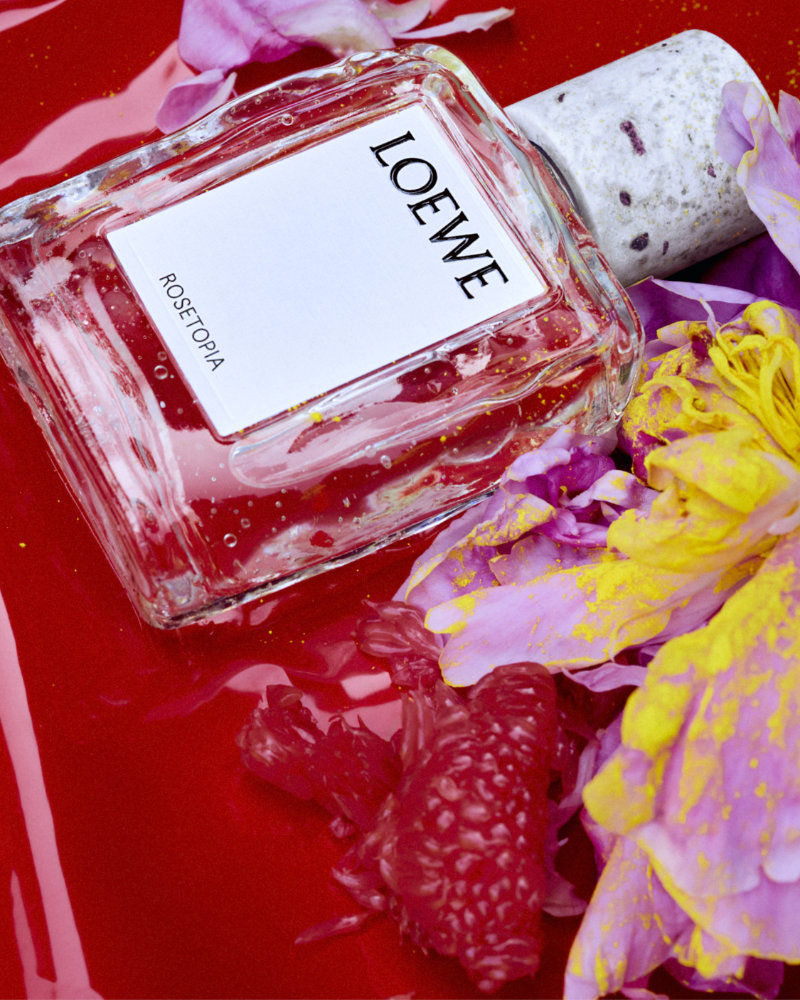
The luxury sector’s expansion into lifestyle products remains a high-growth area. LOEWE Perfumes, led by in-house perfumer Nuria Cruelles, has expanded its "Crafted" collection with five new scent profiles. The expansion into artisanal fragrance is a strategic move to lower the entry barrier for luxury consumers. With luxury apparel prices rising due to supply chain inflation, fragrance serves as an "aspirational entry point," allowing the brand to maintain high engagement levels across a wider economic spectrum of customers.
Campaign Narratives: A Return to Cinematic Storytelling
The visual language of the Fall/Winter 2026 season has pivoted toward high-concept cinematic narratives. Bottega Veneta’s campaign, captured by Juergen Teller, eschews traditional commercial gloss in favor of raw, candid photography. This reflects a broader industry movement toward "authentic realism," where high-net-worth consumers are increasingly responding to imagery that feels unpolished and grounded.
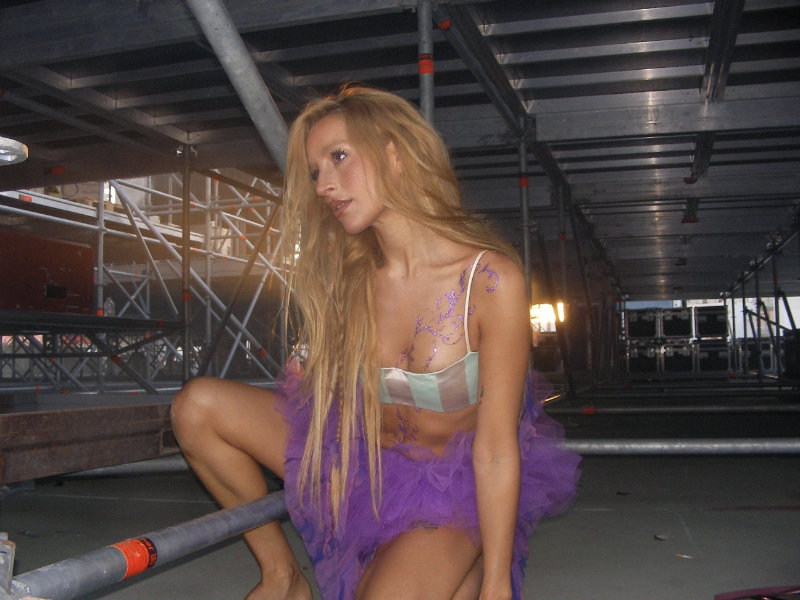
Conversely, the KARL LAGERFELD campaign for FW26, featuring Paris Hilton, adopts a "retro TV fever dream" aesthetic. This contrast demonstrates the duality of the current market: one segment of the industry is doubling down on ironic, hyper-digital nostalgia, while the other is pursuing an austere, documentarian approach.
Broader Implications and Industry Outlook
The industry’s current trajectory, as observed through these September developments, points to three distinct pillars for the remainder of 2026 and the start of 2027:
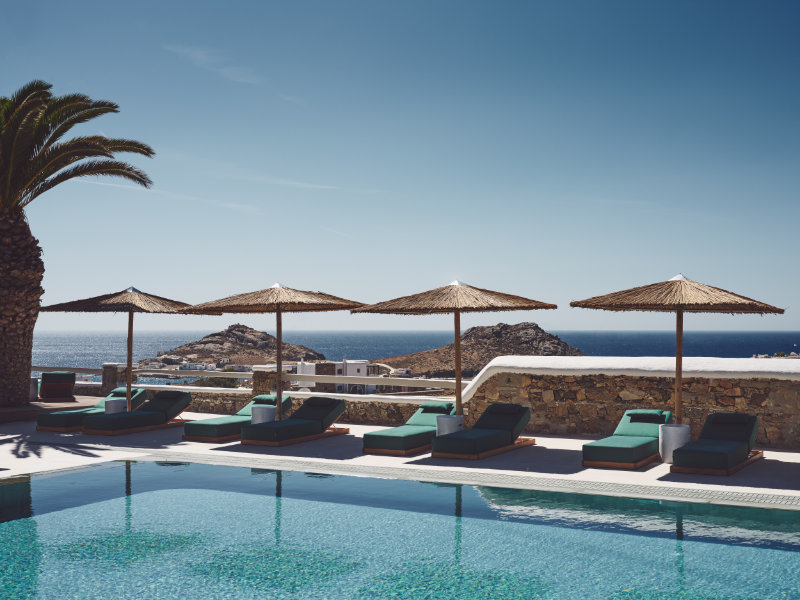
- The "Experience-as-Product" Economy: Whether through The Hoxton and Lacoste’s reimagined room service or the immersive exhibitions in Barcelona and Berlin, fashion is no longer being sold as a static object. It is being sold as a series of curated lifestyle experiences. Brands that fail to integrate their products into a wider cultural context are likely to see diminishing returns in social sentiment.
- Archival Re-engineering: The success of the Hourglass Avenue and the Reebok Freestyle Lo proves that the consumer is currently risk-averse regarding entirely new silhouettes. The industry is currently in a "consolidation phase," where designers are focusing on refining successful assets rather than disrupting them.
- Regional Hub Development: The 38th edition of 080 Barcelona Fashion, scheduled for late October, signals the continued importance of regional fashion weeks. As New York, Paris, and Milan maintain their roles as global trendsetters, secondary cities like Barcelona are carving out niches by focusing on sustainability and local design talent, creating a decentralized global fashion network that is more resilient to regional economic fluctuations.
Conclusion: The Road to 2027
As we look toward the final quarter of 2026, the industry is balancing a precarious mix of global uncertainty and creative abundance. The data suggests that while the macroeconomic environment remains challenging, the luxury and streetwear sectors are maintaining stability through high-quality collaborations, strategic artistic partnerships, and a heavy reliance on the strength of historical design codes.
From the stages of Madrid’s Movistar Arena, where Belén Aguilera debuted new music, to the historic floors of The Plaza Hotel, the common thread is the search for connection. Whether through the lens of a photographer like Vicentefoto or the design sketches of Camiel Fortgens, the industry is signaling that in an increasingly fragmented digital world, the most successful brands are those that create a sense of place, memory, and tangible community. The coming months will likely see a continuation of these trends, with an even greater emphasis on cross-industry partnerships and the elevation of retail spaces into cultural sanctuaries. As we pivot toward Spring/Summer 2027, the focus remains firmly on the balance between honoring the past and the necessity of constant, controlled reinvention.