The Global Barometer of Innovation: Inside the Rigorous Standards and Expanding Influence of the iF DESIGN AWARD


For more than seven decades, the trajectory of global design has rarely been charted by fleeting trends or isolated aesthetic shifts. Instead, it is mapped through the rigorous evaluation of the world’s most ambitious creative projects, filtering through the complex machinery of international competitions. Among these, the iF DESIGN AWARD stands as a definitive benchmark. Each year, thousands of submissions from every corner of the globe undergo a grueling two-stage jury process led by more than 130 international design leaders. What emerges from this exhaustive screening is not merely a list of individual winners, but a comprehensive cross-section of what excellence looks like today and where the creative industries are headed tomorrow.
Spanning an impressive 93 distinct categories across nine core disciplines—including architecture, interior architecture, product design, packaging, branding, professional concept, service design, and user experience (UX) and user interface (UI) design—the award captures the vast breadth of modern creative production. Because these varied disciplines are subjected to the same uncompromising evaluation standards, the resulting collection of winners acts as an empirical barometer for the global state of design. A winning digital service application may bear little visual resemblance to a triumph in sustainable residential architecture, yet both occupy the exact same threshold of execution, innovation, and relevance.
A Legacy of Rigor and Evolution
Established over seventy years ago, the iF DESIGN AWARD has continuously adapted to the shifting parameters of industrial, digital, and spatial creation. The competition’s longevity is rooted in a transparent, highly structured evaluation framework. The international jury does not judge submissions based solely on visual appeal or functional efficacy. Instead, entries are evaluated against a holistic matrix of criteria that considers form, function, differentiation, and sustainability.
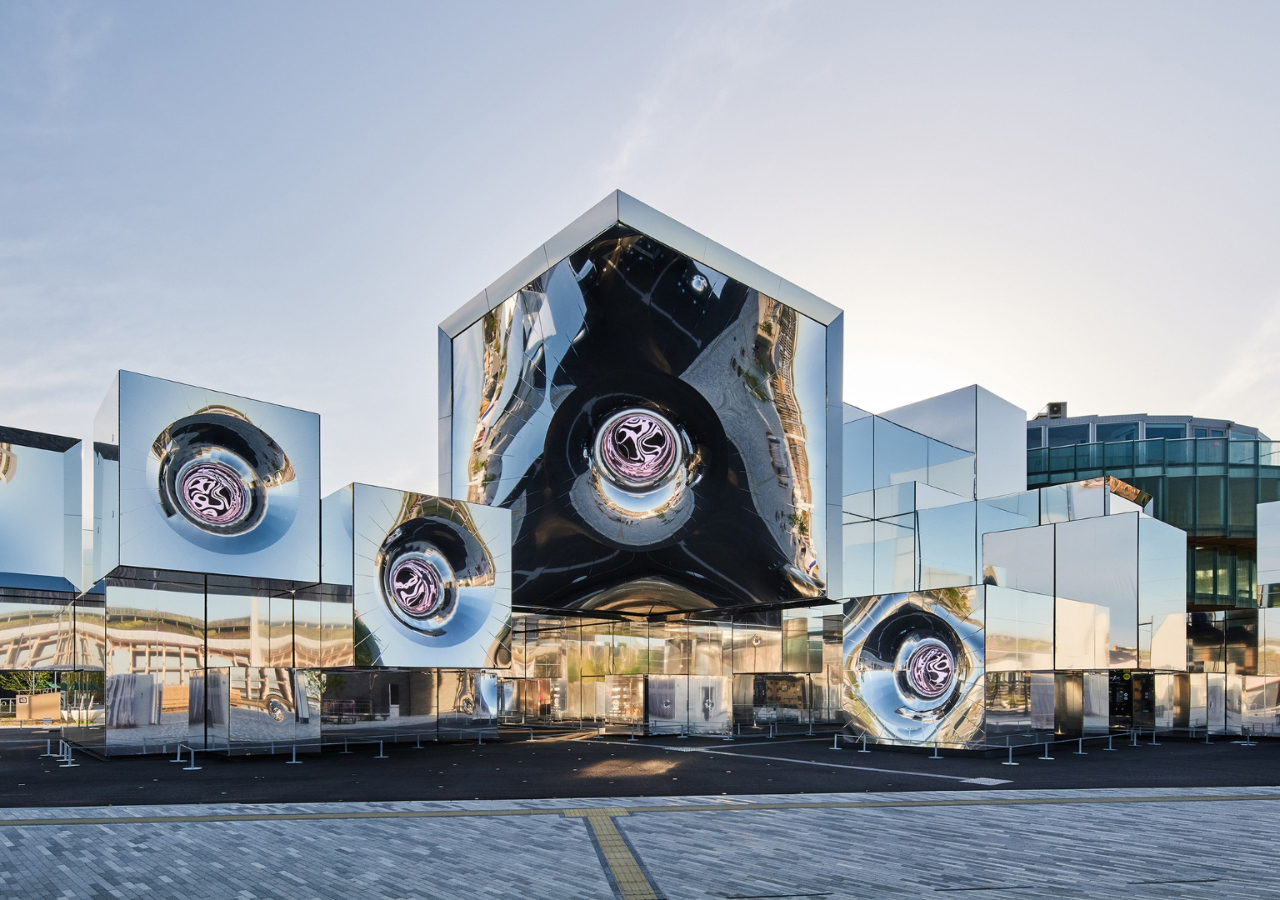
Crucially, environmental responsibility is not relegated to a secondary status or treated as a standalone category. Within the iF evaluation model, sustainability is woven directly into the baseline definition of outstanding design. Jurors rigorously analyze how responsibly a product, service, or structure has been conceived, manufactured, and deployed, reflecting a broader industry-wide realization that aesthetic and functional brilliance can no longer be divorced from ecological impact. This integration ensures that the award’s benchmark mirrors the urgent responsibilities facing contemporary creators, brands, and engineers.
The Strategic Value of Recognition
Winning an iF DESIGN AWARD carries substantial weight within the global marketplace, functioning as a powerful third-party validation of a company’s creative and strategic vision. For major global corporations and nimble independent studios alike, earning this distinction serves as tangible proof of leadership in a crowded international market.
Michael Seum, Vice President of Global Design at Kohler Co., encapsulates the tangible value of this recognition, describing an iF win as a powerful endorsement of a brand’s strategic direction. According to industry leaders, the jury’s validation goes far beyond mere promotional visibility; it reinforces the strategic value of design as a primary commercial differentiator. When a company’s product or space is singled out by more than 130 global experts, it signals to stakeholders, consumers, and competitors that the organization is setting the pace rather than following it.
Furthermore, this recognition acts as an internal morale booster for multidisciplinary creative teams. In-house designers, agencies, and external consultants invest months or even years into research, prototyping, and refinement. Securing a place among the winners validates these intensive development cycles, offering objective proof that their innovations meet the highest international thresholds.

Broader Impact and Industry Implications
The ripple effects of the iF DESIGN AWARD extend well beyond the celebratory atmosphere of the annual winners’ gala. By highlighting projects that successfully balance commercial viability, user-centric functionality, and ecological stewardship, the competition influences consumer expectations across multiple sectors.
As winning projects are showcased globally, they elevate public awareness of what constitutes thoughtful design. Consumers begin to demand higher standards of ergonomics, intuitive digital interfaces, durable materials, and transparent supply chains. Consequently, companies that fail to engage with these evolving benchmarks risk falling behind competitors who leverage award-winning frameworks to capture market share.
Moreover, the cross-disciplinary nature of the competition fosters fertilization across industries. An innovation in packaging design might inspire a novel approach in industrial manufacturing, just as principles from service design frequently inform physical interior architecture. By bringing these diverse disciplines under one evaluative roof, the iF DESIGN AWARD accelerates the dissemination of best practices worldwide.
Deadlines and Registration Timeline for the 2027 Cycle

For ambitious designers, forward-thinking brands, creative agencies, and in-house studios seeking to measure their most groundbreaking work against the global standard, the pathway to the iF DESIGN AWARD 2027 is officially open. Navigating the submission process requires attention to specific milestones and fee structures designed to accommodate different stages of project finalization.
The competition organizers have established a clear timeline for the upcoming cycle, offering early registration incentives for teams ready to submit their credentials:
Regular Deadline: September 18, 2026
Registration fee: €400 per entry
Participants who register by this initial deadline benefit from a €100 savings per submission compared to later rates. Crucially, entrants are only required to submit basic registration information by September 18, allowing teams additional time to compile and refine their comprehensive project documentation, imagery, and supporting data ahead of the final finalization window.
Last Chance Deadline: November 2, 2026
Registration fee: €500 per entry
Serving as the final cutoff for all submissions, this deadline accommodates projects that require late-season adjustments, final market testing, or end-of-year product launches.
As the global creative community looks toward the future, platforms like the iF DESIGN AWARD remain essential for identifying the pioneers who are actively rewriting the rules of our built and digital environments. For those ready to stake their claim among the international elite, the upcoming 2027 cycle presents a defining opportunity to set the benchmark for the years to come.