The Ultimate Guide to Investing in a Timeless Autumn Wardrobe Through Quality Craftsmanship and Sustainable Fashion

The transition from the warmth of summer to the crisp chill of autumn demands more than a mere rotation of seasonal garments; it requires a fundamental recalibration of one’s approach to personal style and textile longevity. In an era dominated by fast fashion cycles and disposable trends, consumer habits are increasingly under the microscope. Industry analysts note a growing shift toward intentional purchasing, where the metric of value is no longer determined by initial affordability, but by cost-per-wear over a multi-year lifecycle. When environmental conditions deteriorate—bringing sustained drops in temperature, persistent rain, and biting winds—wardrobe infrastructure faces its most rigorous annual test. Acquiring garments capable of withstanding these rigorous parameters necessitates a strategic focus on superior materials, expert tailoring, and heritage manufacturing techniques.
The Economic and Environmental Case for Longevity
Recent retail data compiled by sustainable fashion watchdogs indicates that the average garment is worn fewer than ten times before being discarded, contributing to an estimated 92 million tonnes of textile waste globally each year. This disposable culture has prompted a counter-movement among consumers and menswear purveyors alike. By prioritizing high-grade natural fibers and durable construction methods, buyers can significantly mitigate their environmental footprint while curbing long-term expenditure.
Historically, clothing was viewed as an investment, designed to be mended, resoled, and maintained over decades. Modern menswear is experiencing a renaissance of this philosophy. Analysts suggest that spending capital on foundational pieces—such as Goodyear-welted footwear, heavy-gauge denim, and authentic weatherproofing membranes—alters the psychological relationship between owner and object. When a jacket or a pair of boots requires a financial commitment upfront, it encourages proper maintenance, seasonal storage, and timely repairs, ultimately redefining luxury not as a label, but as enduring resilience.
Bridging the Gap: The Essential Transitional Jacket
One of the most persistent seasonal challenges is navigating the erratic climate of early-to-mid autumn. Relying on lightweight summer overshirts leaves the wearer vulnerable to sudden drops in temperature, while prematurely adopting heavyweight winter parkas results in overheating and discomfort. Market researchers point to a significant surge in demand for true transitional outerwear that bridges this thermal gap.
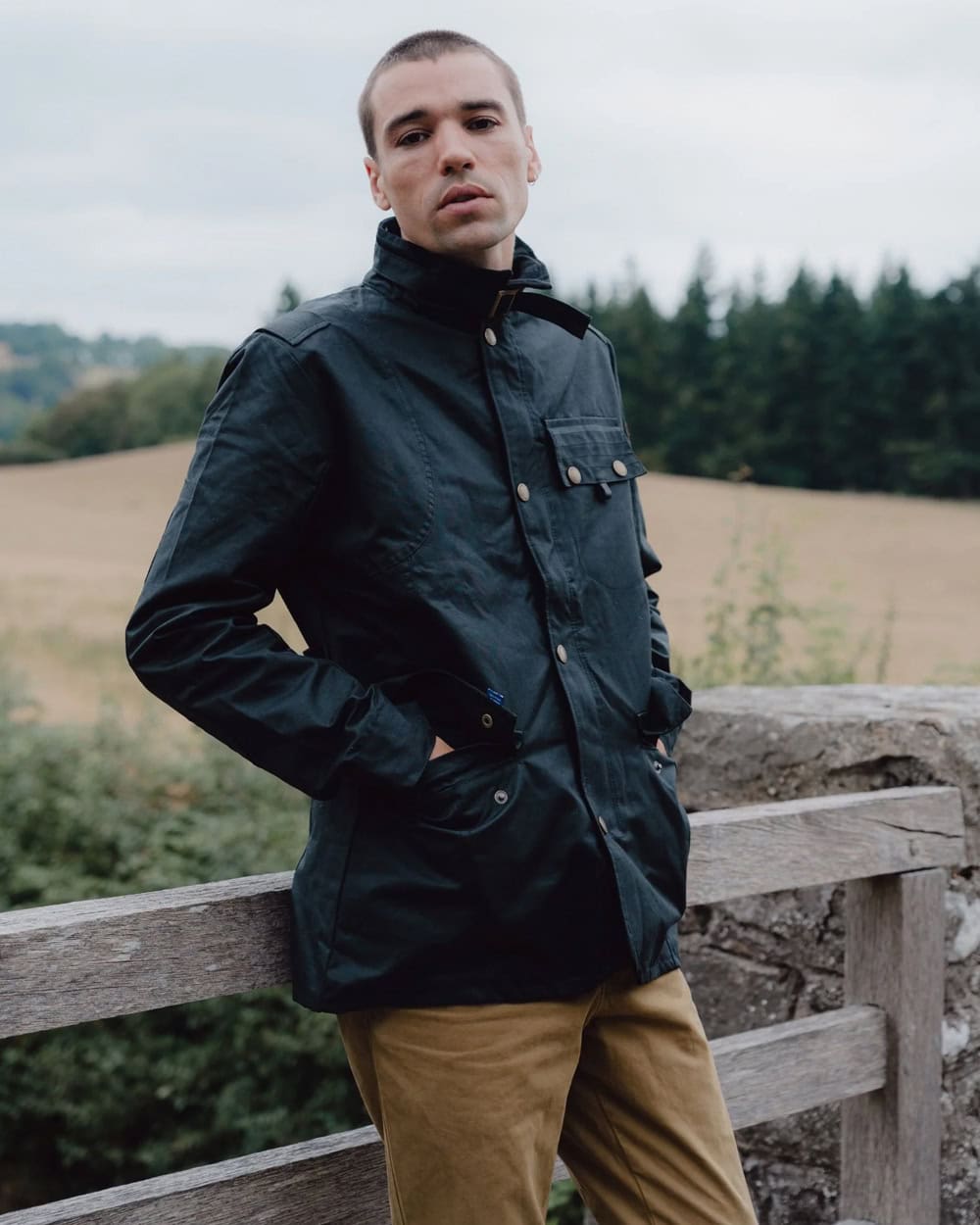
Among the gold standards of transitional wear is the classic British wax jacket, championed by heritage brands such as Barbour and Peregrine. Originating as functional gear for fishermen, farmers, and outdoor laborers in the late 19th century, the waxed cotton jacket has evolved into a cornerstone of versatile menswear. Its unique composition—woven cotton impregnated with paraffin-based wax—creates a natural barrier against wind and rain while retaining a soft, pliable drape. Furthermore, unlike synthetic shells that degrade over time, a quality wax jacket develops a personalized patina with exposure to the elements, and can be periodically re-waxed to restore its waterproof qualities. A roomy cut allows for strategic layering beneath, ensuring the garment remains functional from the first frost of October through the milder days of spring.
Mastering the Architecture of Layering
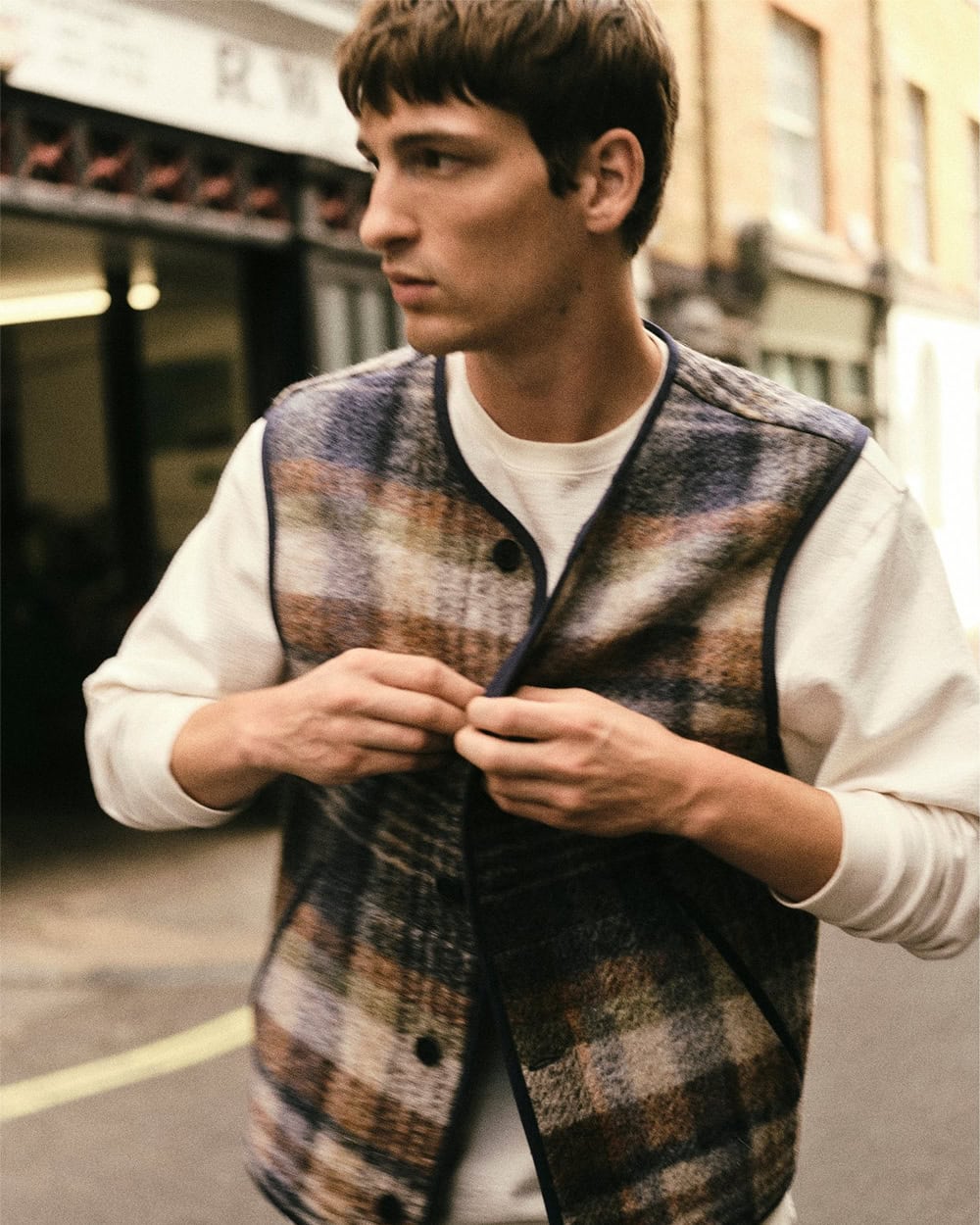
As temperatures fluctuate unpredictably throughout the autumn months, mastering the art of layering becomes essential for thermal regulation. Rather than relying on a single, bulky layer to combat the cold, contemporary styling emphasizes a modular approach. This strategy involves stacking functional, breathable pieces that can be easily added or removed as environmental conditions dictate.
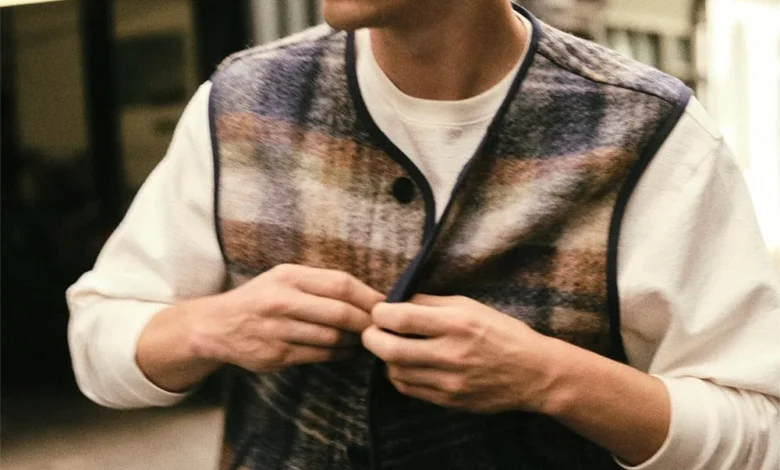
Industry experts recommend investing in specialized layering components, including unlined gilets crafted from textured fabrics like boiled wool, and lightweight down liner jackets popularized by labels such as Taion and Danton. A well-constructed gilet featuring a two-way zipper or button closure offers targeted core warmth while permitting ventilation at the base, ensuring internal body heat does not become trapped. Brands like Universal Works, Kestin, and Wax London have capitalized on this trend, producing garments that offer both aesthetic depth and utilitarian flexibility. By pairing these items with fine-gauge rollneck sweaters, wearers can curate an adaptable wardrobe capable of seamlessly transitioning from outdoor chill to indoor climate control.
Elevated Warmth: The Case for Cashmere
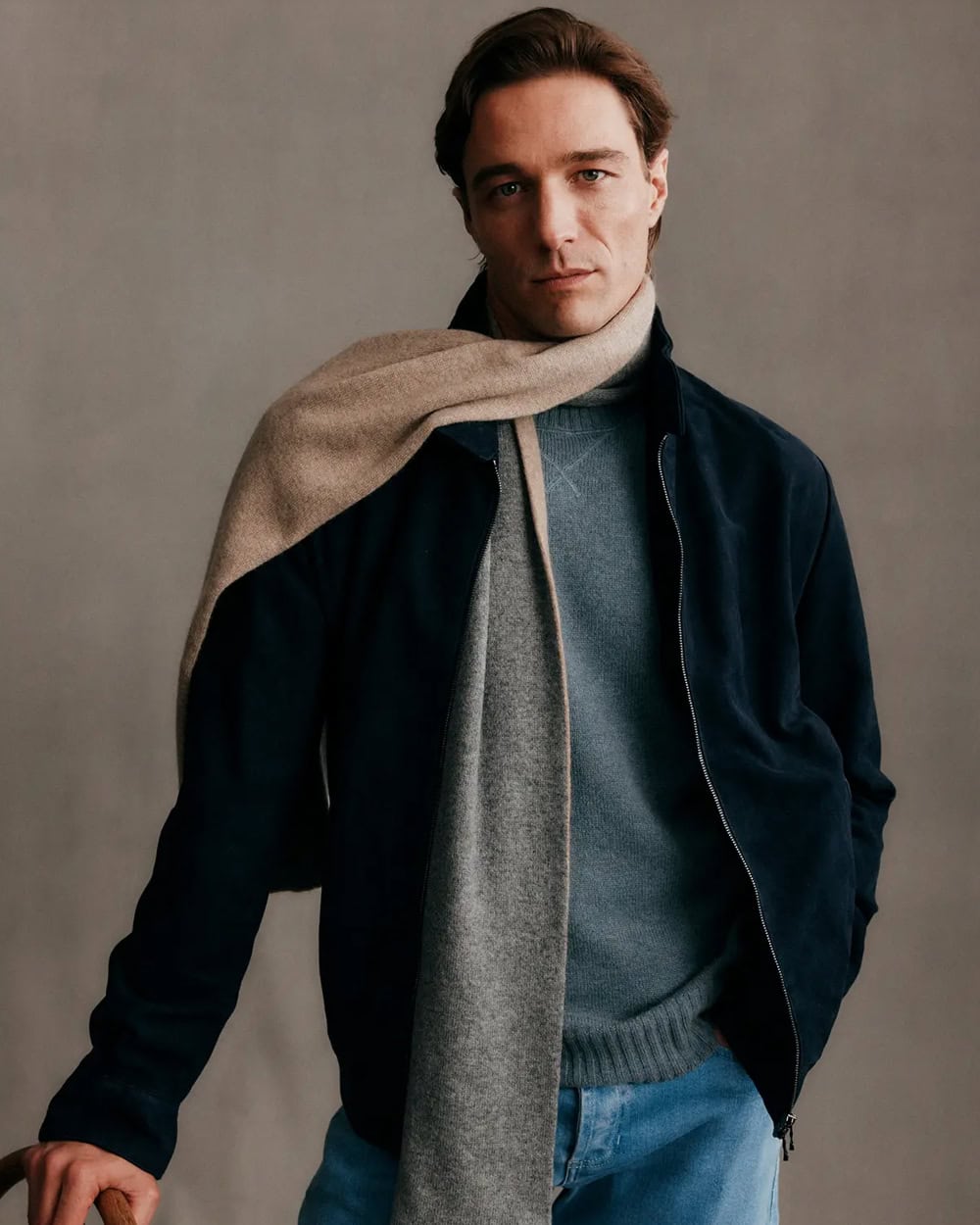
Accessories are frequently treated as an afterthought in menswear, with consumers often settling for synthetic blends and scratchy wools that offer minimal thermal protection. However, textile specialists emphasize that accessories deployed in direct contact with sensitive skin—such as scarves and gloves—warrant higher material standards.
Transitioning from acrylic or standard sheep’s wool to Grade-A cashmere represents a transformative upgrade in cold-weather comfort. Sourced from the undercoat of cashmere goats native to high-altitude regions of Central Asia, the fibers possess an exceptionally fine diameter, resulting in a fabric that is significantly softer, lighter, and up to three times more insulating than traditional sheep’s wool. This high warmth-to-weight ratio provides superior protection against biting winds without the bulk. To maximize versatility, style consultants advise selecting neutral, foundational tones such as charcoal, navy, camel, or mid-grey. When properly maintained with gentle hand-washing and pest-resistant storage, a premium cashmere scarf can endure for decades, neutralizing its higher initial purchase price over years of reliable service.
The Overcoat as a Long-Term Investment
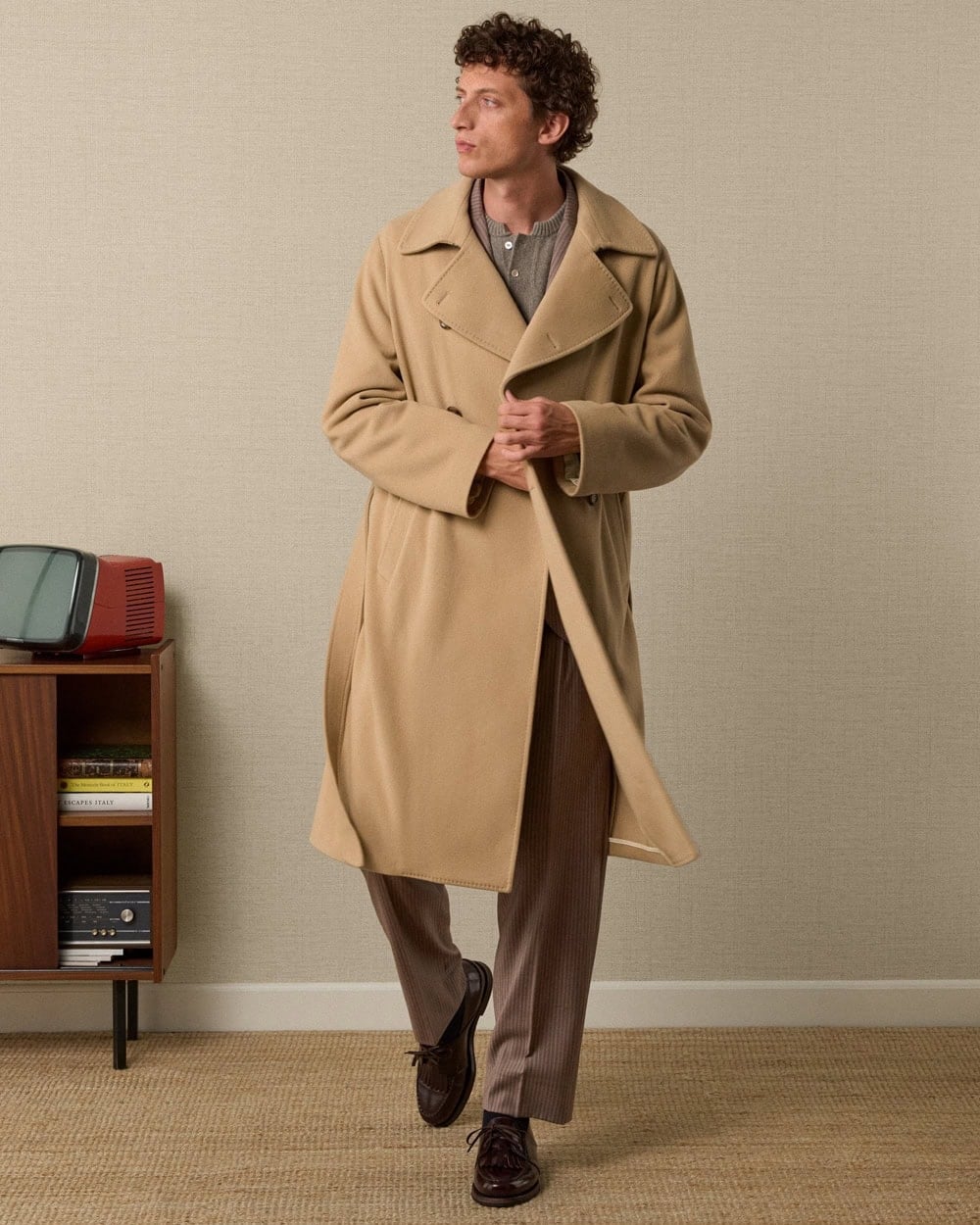
Few sartorial purchases carry the visual authority or financial weight of a winter overcoat. Serving as the outermost layer during the coldest months of the year, the overcoat is invariably the first impression a person makes in professional and social settings. Despite this prominence, many consumers compromise by purchasing lightweight, synthetic-blend coats that mimic the appearance of wool without the structural integrity.
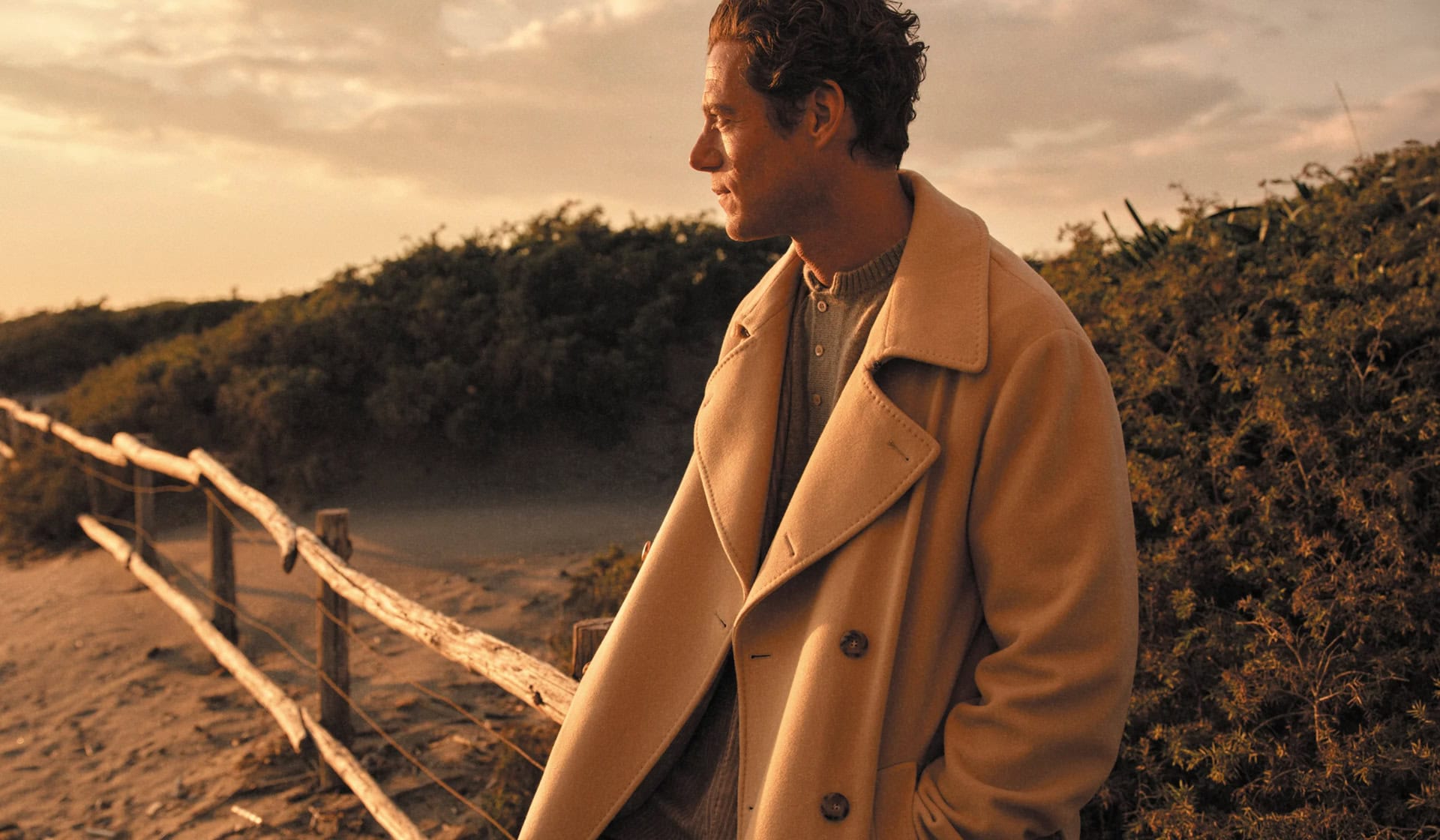
Tailoring authorities stress that cutting corners on an overcoat quickly becomes apparent. Inferior fabrics lack the dense drape required to resist wind penetration, while inadequate construction leads to premature sagging at the shoulders and hem. A proper overcoat should be crafted from heavy-weight wool or a wool-cashmere blend, featuring a generous cut to accommodate chunky knitwear or a tailored jacket underneath. Raglan sleeves—where the sleeve extends in one piece to the collar—offer a relaxed shoulder line that enhances comfort and mobility. While classic shades like navy, charcoal, and camel remain timeless choices, deep dark brown has emerged as a sophisticated alternative for those seeking subtle modernity. A high-end overcoat, treated with care, is a twenty-year garment that encapsulates the essence of sustainable luxury.
Horological Longevity: Mechanical Over Quartz
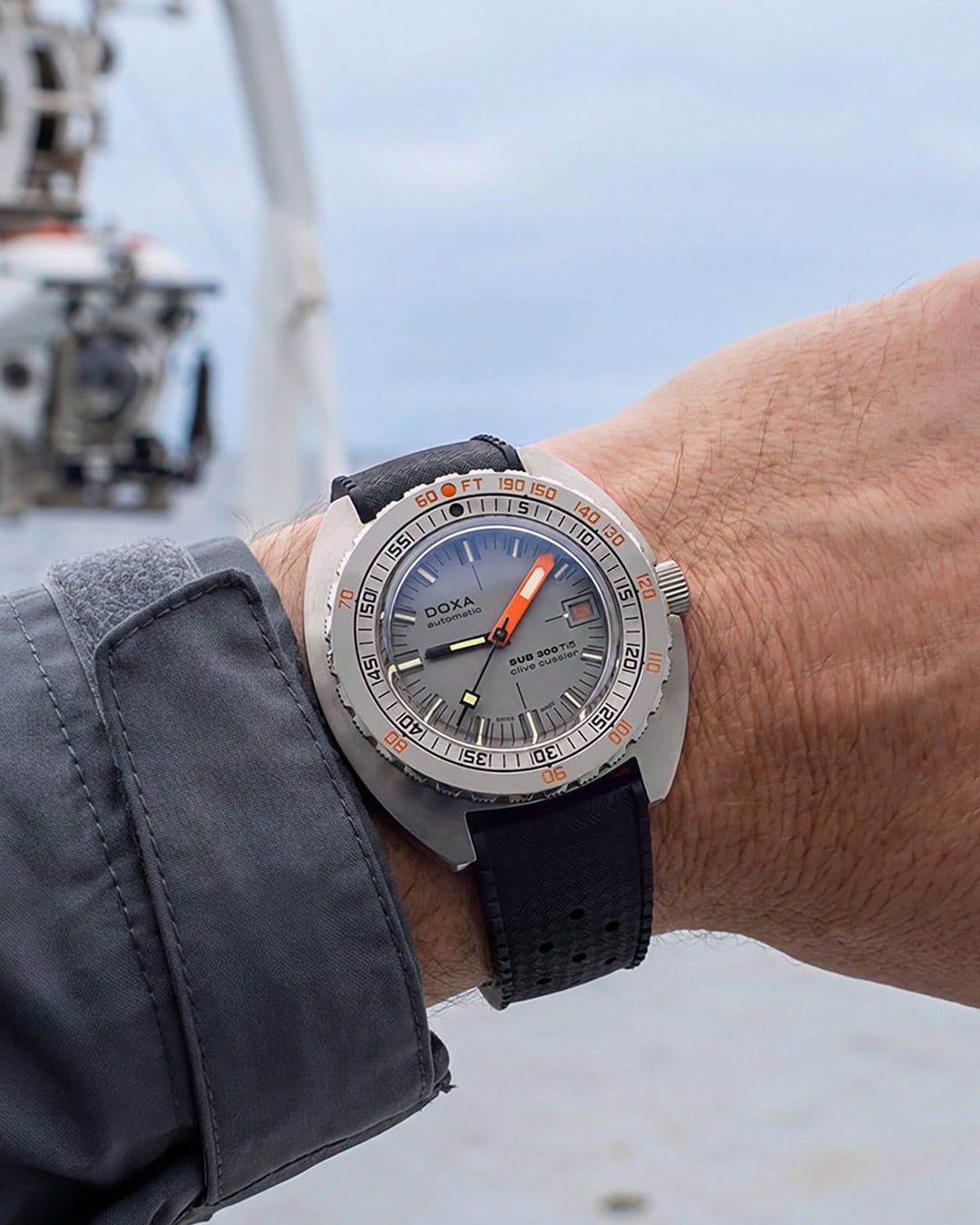
In the realm of horology, the debate between quartz and mechanical movements often centers on precision versus craftsmanship. While battery-powered quartz movements offer undeniable accuracy at a fraction of the cost, mechanical and automatic watches represent a pinnacle of micro-engineering that resonates deeply with enthusiasts of heritage goods.
A mechanical watch operates through an intricate assembly of springs, gears, and escapements, powered either by the natural movement of the wearer’s wrist or manual winding. This absence of electronic components means that, with regular servicing by a qualified horologist, a mechanical timepiece can theoretically run indefinitely, functioning as a lifelong heirloom. Market analysts observe a growing appreciation for robust, versatile mechanical designs, such as dive watches featuring steel bracelets. Accessible entry points, including Seiko’s automatic ranges and Doxa’s Sub 200, demonstrate that exceptional Swiss or Japanese engineering does not require a prohibitive financial outlay. Alternatively, the vintage watch market offers historical depth and sustainable consumption, allowing buyers to acquire pieces with established provenance.
The Foundational Pillars of Fit and Fabric
Regardless of a garment’s price point or brand prestige, its aesthetic success is inextricably linked to two immutable factors: fit and fabric. Retail industry surveys consistently show that a significant percentage of consumer wardrobe dissatisfaction stems from improper sizing or buying into fleeting silhouette trends.
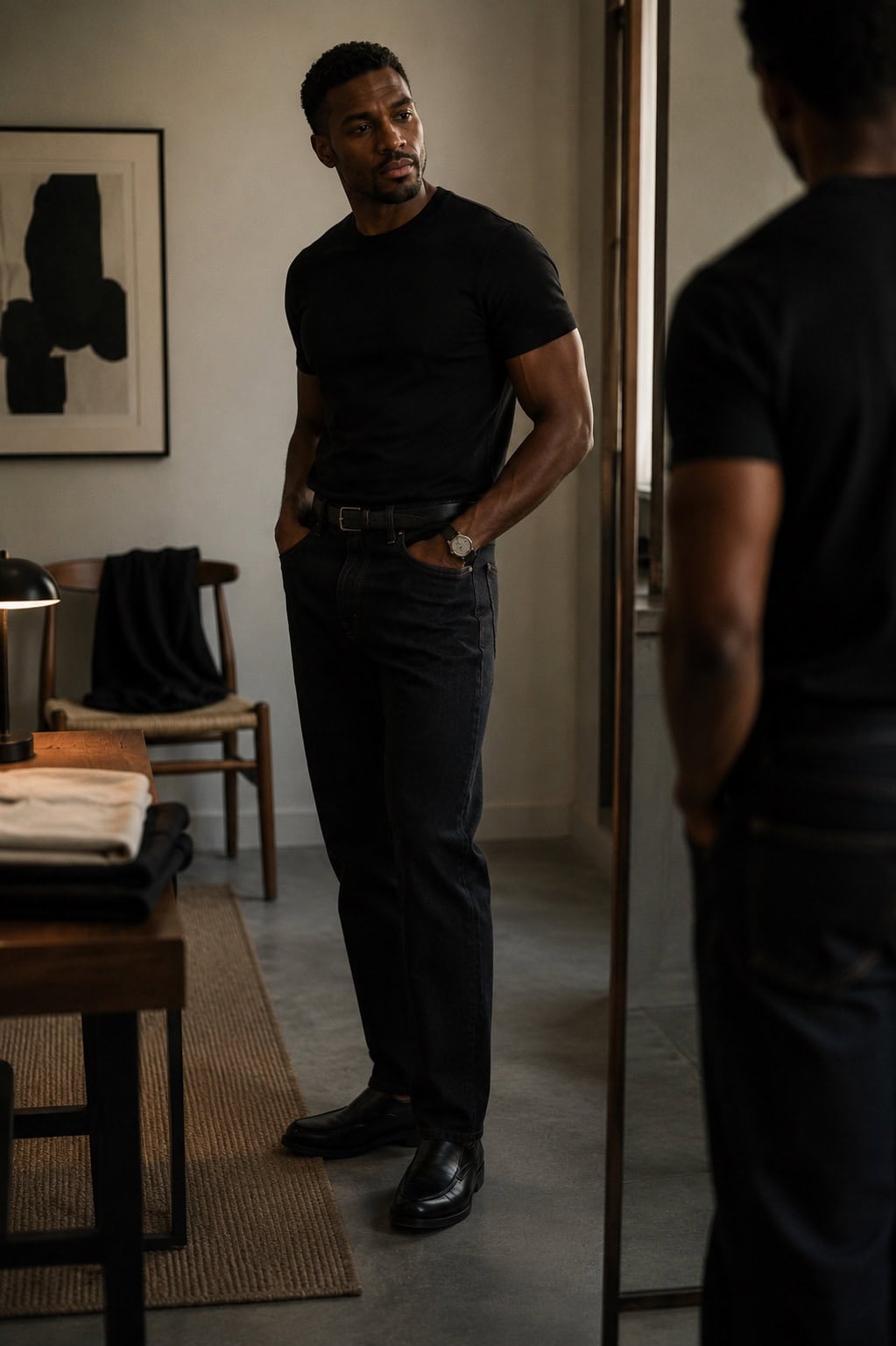
Establishing a relationship with a skilled local tailor remains one of the most cost-effective strategies for elevating a wardrobe. Tailoring alterations—such as adjusting jacket suppression, tapering trouser legs, or modifying sleeve lengths—transform off-the-rack purchases into bespoke-feeling garments. Complementing this is a strict adherence to natural fibers. Synthetic materials such as polyester, nylon, and acrylic are petroleum-based derivatives that trap moisture, generate static, and degrade rapidly under routine laundering. Conversely, natural textiles like merino wool, heavy-gauge cotton, flannel, and cashmere breathe naturally, adapt to body temperatures, and age gracefully. Prioritizing these materials ensures garments retain their structural integrity and visual appeal over extended periods of use.

Durable Footwear: The Economics of Goodyear Welting
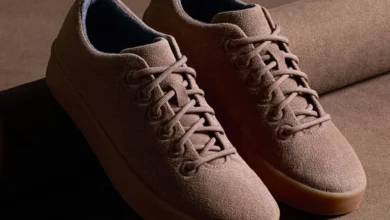
Footwear represents the frontline of seasonal defense against wet pavements, mud, and plummeting temperatures. Cheaply manufactured shoes, often constructed with synthetic uppers glued to plastic soles, are designed for rapid obsolescence; once the sole wears down or the upper cracks, the entire shoe is discarded into a landfill.
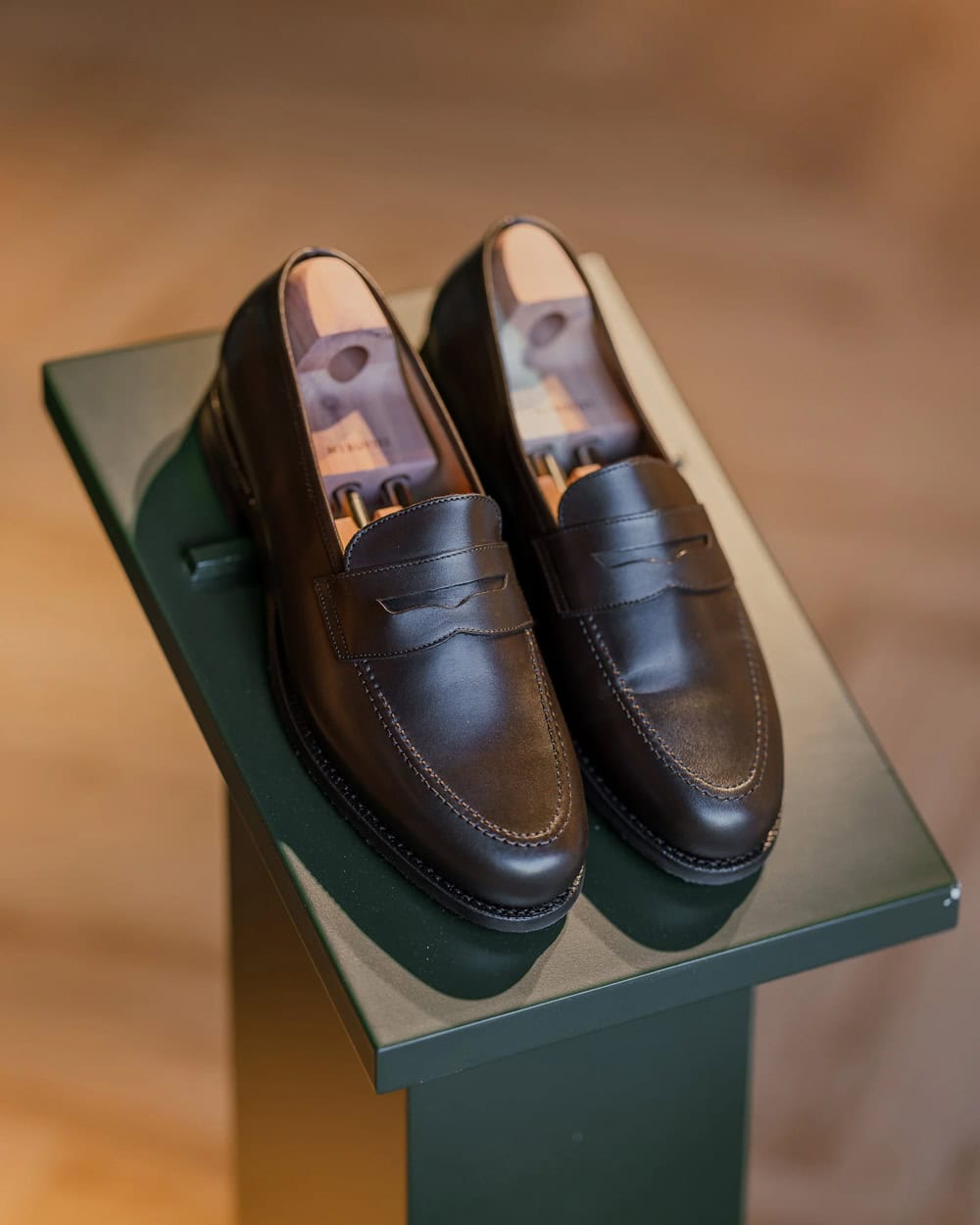
In contrast, heritage footwear relies on traditional construction methods such as Goodyear welting or Blake stitching. In a Goodyear-welted shoe, a strip of leather (the welt) is sewn to the upper and the insole, allowing the outsole to be stitched rather than glued. This intricate process means the shoe can be repeatedly resoled by a cobbler, extending its operational lifespan by decades. Brands such as Tricker’s, Paraboot, Red Wing, and Myrqvist specialize in these durable methods, utilizing full-grain leathers and robust suede that develop a rich character with exposure to the elements. Purchasing such footwear requires an upfront investment, but when amortized over a lifetime of resolings, it proves far more economical than repeatedly replacing disposable footwear.
Heavyweight Denim and High-Performance Shells
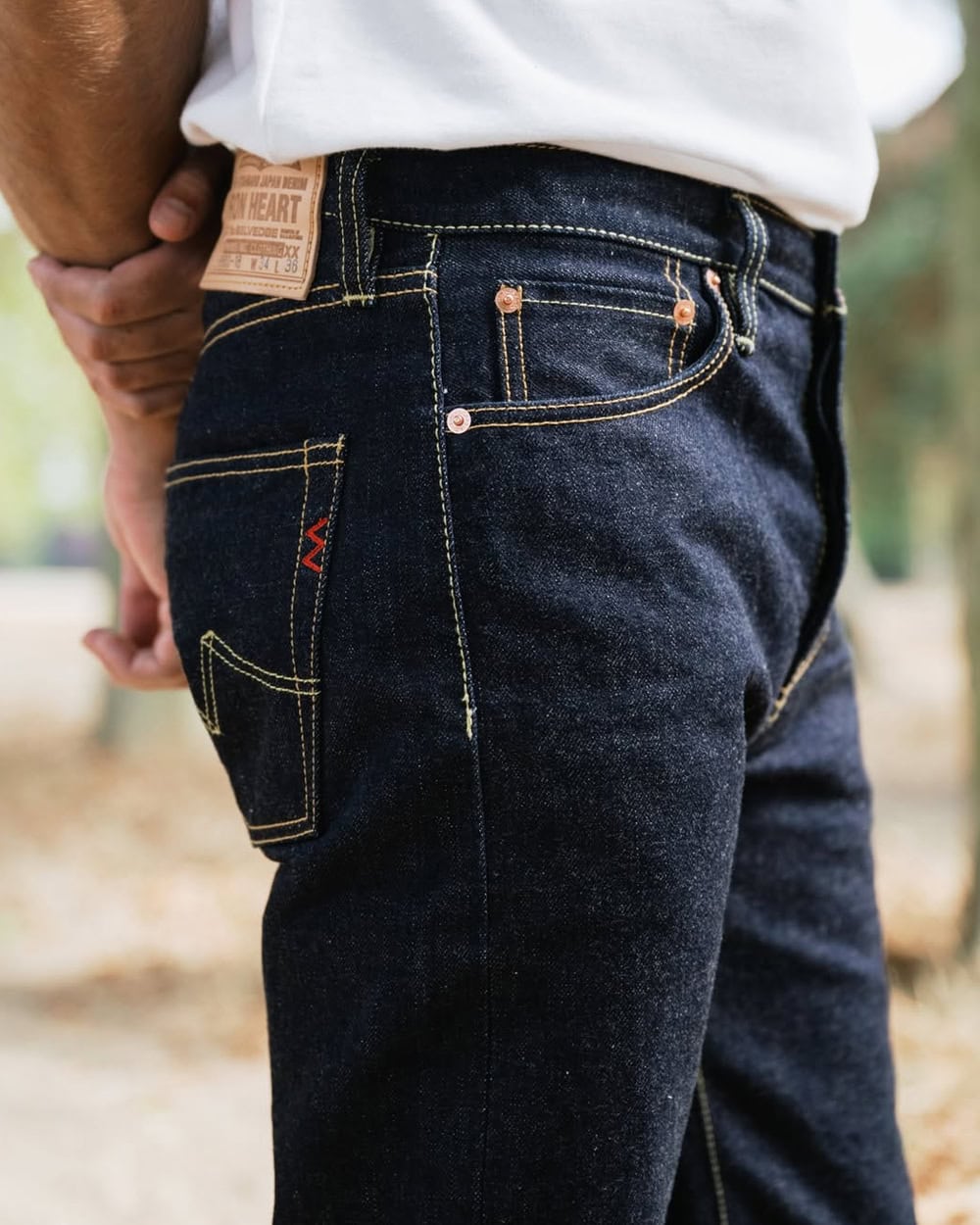
Completing the comprehensive autumn wardrobe requires attention to trousers and technical outerwear. Standard commercial denim, often woven from lightweight cotton blended with elastane, frequently suffers from structural fatigue at points of high friction, leading to baggy knees and thinning fabric within months of purchase. In response, heritage denim enthusiasts have championed heavy-weight, 100% cotton selvedge denim. Produced on vintage shuttle looms by specialist mills in Japan and the United States—exemplified by brands like Iron Heart, OrSlow, and Fullcount—these heavyweight fabrics are designed to conform to the wearer’s body over time, creating fades and creases unique to their lifestyle.
Similarly, when addressing extreme wet weather, the market is saturated with proprietary waterproof coatings that frequently fail under sustained downpours. Industry standards continue to point toward Gore-Tex membranes as the benchmark for technical performance. By bonding a micro-porous fluoropolymer membrane to high-performance textiles, Gore-Tex successfully blocks external water droplets while permitting internal perspiration vapor to escape. Brands such as Nanamica and Veilance integrate these high-performance membranes into sophisticated urban silhouettes, proving that technical utility and refined aesthetics are not mutually exclusive.
Ultimately, the curation of an exceptional autumn wardrobe is an exercise in long-term vision. By shifting focus away from ephemeral trends and toward meticulous craftsmanship, enduring fabrics, and repairable construction, consumers can build a sartorial collection that not only withstands the rigors of inclement weather but also offers enduring value for years to come.