Nordstrom new sale markdowns, a Timex favorite for $61, & more — The Thurs. Sales Handful


Retailers are currently navigating a critical transition period as the post-Labor Day window signals the official shift from late-summer liquidation to early autumn inventory management. This week, several major brands—including Nordstrom, Timex, UNIQLO, Huckberry, Filson, and Spier & Mackay—have adjusted their pricing strategies, offering consumers a final opportunity to capitalize on seasonal clearance events. These markdowns represent a strategic effort by retailers to clear warehouse space for fall and winter collections while maintaining cash flow before the start of the holiday shopping season.

Nordstrom Expands End of Season Clearance
Nordstrom has announced an expansion of its End of Season Clearance, introducing a new wave of markdowns across its mainline inventory. Unlike the company’s off-price division, Nordstrom Rack, these items are sourced from the primary retail channel, ensuring that standard customer service policies, including free shipping and returns, apply to all purchases. Market analysts observe that such inventory clearing events are essential for department stores to optimize shelf space. By aggressively marking down remaining summer apparel and accessories, Nordstrom is positioning itself to introduce high-margin autumn merchandise. The current inventory adjustment reflects a broader trend among luxury and mid-tier retailers to resolve overstock issues that have persisted throughout the fiscal year.
Timex Weekender Chronograph Price Volatility
The Timex Weekender Chronograph, a staple of the company’s casual watch collection, is currently retailing on Amazon for $60.18. This price point sits significantly below the manufacturer’s suggested retail price (MSRP) of $100 and represents a competitive discount compared to the $75 sale price frequently observed on the official Timex direct-to-consumer website.

The Timex Weekender Chronograph distinguishes itself from the base-model Weekender through its inclusion of a multi-function movement and a leather strap. The 40mm case size remains a standard in the industry, catering to a wide demographic of consumers seeking a versatile timepiece for casual or business-casual environments. From a technical perspective, the watch utilizes a movement that separates the permanent sub-dial seconds hand from the primary chronograph seconds hand. This design choice effectively mitigates the audible ticking noise commonly associated with Timex’s entry-level quartz movements, as the larger seconds hand remains stationary until the chronograph function is engaged. While the "genuine leather" strap is a functional component, industry experts note that the material is primarily intended for aesthetic appeal rather than heavy-duty wear, and consumers are cautioned against exposing the strap to excessive moisture or perspiration.
Labor Day Sales Finalized: UNIQLO, Filson, and Spier & Mackay
The conclusion of the Labor Day holiday weekend has forced a strict deadline on several major promotional events. UNIQLO’s Labor Day Specials, which encompass foundational wardrobe staples such as their signature Oxford Cloth Button Down (OCBD) shirts and Supima cotton t-shirts, are slated to conclude at the end of the business day on Thursday, September 10. These items represent the core of UNIQLO’s business model, which focuses on high-volume, low-margin apparel. The promotion serves as a final push to capture consumer interest before the transition to heavy-weight fleece and down-filled winter outerwear.
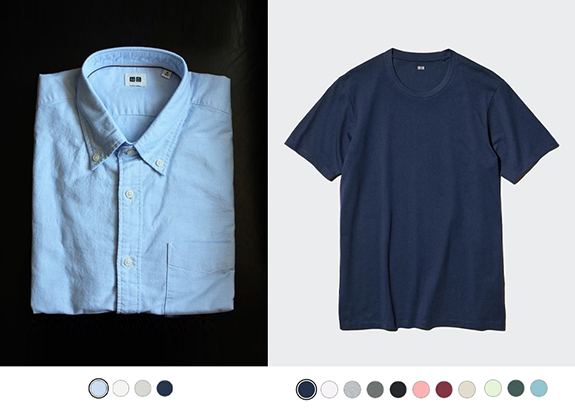
Simultaneously, the heritage brand Filson is ending its tiered discount promotion. The incentive structure—offering $50 off $300, $100 off $500, $175 off $750, and $250 off $1,000—is designed to increase the average order value (AOV). By encouraging customers to bundle items to reach specific spending thresholds, the brand effectively manages inventory turnover. Financial analysts note that the Filson Rugged Twill Original Briefcase, which currently retails for $499, is a primary driver for these promotions. Consumers nearing a threshold have historically utilized lower-priced accessories to trigger higher discount brackets, effectively reducing the net cost of their primary purchase.
Spier & Mackay is also undergoing a significant transition, having recently launched a redesigned e-commerce platform. The retailer’s current "up to 20% off" sale on select merchandise has introduced a degree of pricing opacity, as discounts are not displayed until items are added to the digital shopping cart. This technical limitation is reportedly being addressed by the company’s internal development team. The "up to" nature of the sale, which varies in discount percentage based on specific SKUs, reflects the brand’s efforts to manage inventory levels on a per-item basis rather than through site-wide blanket reductions.

Huckberry’s Inventory Clearance Strategy
Huckberry has updated its clearance section with a diverse array of new inventory. Observations of the site suggest that the current listings include a mix of seasonal overstock and customer returns. The presence of high-end items, such as the USA-made American Optical Saratoga Sunglasses, which were previously believed to be sold out, suggests that retailers are aggressively auditing their logistics and warehouse returns to ensure all available stock is listed for sale. This practice is common in the e-commerce sector, as holding returned goods in storage incurs significant carrying costs. By liquidating these items, Huckberry is able to maintain a leaner inventory profile heading into the Q4 holiday cycle.
Broader Economic Implications
The timing of these sales is indicative of a broader retail landscape characterized by cautious consumer spending and inventory pressure. Throughout the third quarter of 2026, retailers have faced the challenge of balancing high supply chain costs with a cooling demand for discretionary goods. The decision to extend or finalize these sales on the Thursday following Labor Day is a tactical move to capitalize on the "back-to-school" and "back-to-office" shopping momentum that traditionally spikes in early September.

From a macroeconomic perspective, the aggressive pricing strategies employed by these retailers suggest that brands are prioritizing cash flow and inventory turnover over maintaining rigid price points. While the consumer benefits from lower entry costs, the frequency of these promotional cycles reflects a market that has become highly dependent on discounting to move goods. Retailers that can successfully integrate their physical inventory with efficient e-commerce platforms—as evidenced by the challenges faced by Spier & Mackay—are better positioned to survive the current fiscal environment.
Furthermore, the longevity of these "Labor Day" events suggests that the traditional boundaries of holiday sales are becoming increasingly fluid. What was once a three-day weekend event has evolved into a week-long tail-end promotional window. This "event creep" allows retailers to sustain consumer engagement for a longer period, though it risks diluting the urgency typically associated with time-sensitive discounts. As these sales close this week, the industry will pivot toward preparation for mid-autumn promotions and the eventual lead-up to the peak holiday shopping season in November and December. Consumers looking to capitalize on these deals are advised to act promptly, as the automated pricing algorithms used by major platforms like Amazon, and the limited stock availability at specialized retailers, mean that these price points are subject to change without notice.
Related posts: