Shein dominates social media fashion haul culture and reshapes global retail consumption patterns

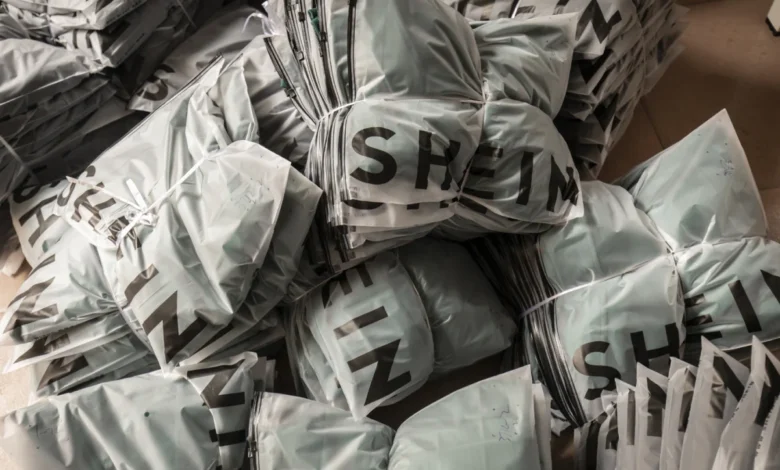
The rapid ascent of ultra-fast fashion has reached a critical inflection point, as evidenced by a comprehensive new analysis of TikTok content. Shein, the global retail giant, currently accounts for more than half of all fashion "haul" posts on the platform, according to data released on 15 September 2026 by UK-based textile waste management firm Bins.co.uk. The study, which scrutinized hashtags associated with 24 major retail brands, underscores a profound shift in consumer behavior driven by aggressive digital marketing, low-cost pricing strategies, and the gamification of shopping through social media engagement.
The Scale of Social Media Fashion Hauls
The research identified over three million TikTok posts featuring "fashion hauls"—videos where influencers or consumers showcase an extensive array of garments purchased in a single transaction. Of this total, Shein was the primary subject of 1.6 million posts. To put this figure in perspective, the next closest competitor, Zara, accounted for 738,200 posts, while Primark, Princess Polly, and H&M followed with significantly lower figures of 189,100, 128,100, and 113,900 respectively.
The remaining top ten brands included PrettyLittleThing, ASOS, Abercrombie & Fitch, Bershka, and Stradivarius. While these figures represent social media mentions rather than total units sold, they provide a stark indicator of brand visibility and the degree to which "haul culture" has become inextricably linked to the business models of the world’s largest apparel retailers.
Chronology of the Ultra-Fast Fashion Phenomenon
The rise of the fashion haul is not a sudden occurrence but the culmination of a decade-long evolution in retail technology and consumer engagement.

- 2015–2018: The emergence of influencer-led content marketing. Fashion brands began pivoting away from traditional advertising, shifting budgets toward micro-influencers who could provide "authentic" testimonials.
- 2019–2021: The COVID-19 pandemic accelerated the shift to e-commerce. As global lockdowns forced physical stores to close, Shein’s digital-native model—characterized by real-time inventory adjustments and hyper-targeted algorithm-driven marketing—allowed it to capture significant market share.
- 2022–2024: The normalization of "haul" videos on TikTok. These videos evolved from simple "unboxing" segments into high-production-value content, often sponsored, which incentivized viewers to purchase large quantities of clothing to remain current with micro-trends.
- 2025–2026: Regulatory and environmental scrutiny intensifies. Public awareness regarding textile waste has peaked, even as the volume of social media-driven consumption continues to climb.
Data-Driven Analysis of Consumption
The Bins.co.uk study provides a deeper dive into the ratio of content creation to estimated customer bases. When adjusting for available data on customer numbers, the intensity of Shein’s presence remains unparalleled. The research recorded 5.86 haul posts for every 1,000 customers for Shein, compared to 2.30 for ASOS, 0.51 for Marks & Spencer, and 0.39 for New Look.
These metrics suggest that Shein’s business model is not merely about selling clothes, but about creating an ecosystem that demands frequent interaction. By employing sophisticated loyalty programs, discounts, and tiered affiliate schemes, the company encourages users to treat the act of shopping as a form of entertainment. For many consumers, the purchase is often incomplete until it is shared online, creating a cycle of consumption that relies on constant turnover.
The Environmental and Economic Implications
The implications of this culture extend far beyond the digital realm. As retailers prepare for the autumn 2026 selling season—a period where Pinterest search trends for "autumn outfits" have surged by 1,000% month-on-month—the environmental cost of these high-volume orders is becoming increasingly apparent.
The UK-based organization WRAP (Waste and Resources Action Programme) estimates that 711,000 tons of used textiles are discarded into general waste annually in the UK alone. A significant portion of this material ends up in landfills or is incinerated. Experts argue that haul culture serves as an accelerant for this waste stream by normalizing the purchase of garments that are often worn once, or not at all, before being discarded.
Mark Hall, a representative for Bins.co.uk, notes that the problem is structural. "The bigger issue with haul culture is that it changes the way people view clothes," Hall explains. "When an order contains 10, 20, or even more items, each individual piece can start to feel disposable, particularly when it costs very little."

Industry Responsibility and the Path Forward
The environmental impact of fashion begins long before an item is discarded. From the extraction of raw materials to the manufacturing processes, packaging, and the logistics of global transport, every item carries a carbon footprint. When an garment is bought solely for a 30-second social media video, the environmental return on investment is effectively zero.
Industry analysts are calling for a multi-faceted approach to address the crisis:
- Supply Chain Transparency: Consumers are increasingly demanding accountability regarding how and where their clothes are made.
- Sizing and Fit Technology: Retailers are being urged to adopt better AI-driven sizing tools to reduce the astronomical return rates currently plaguing the e-commerce sector, which significantly increase transportation-related emissions.
- Circular Economy Integration: Brands are encouraged to move beyond traditional retail by facilitating the resale of used items, offering in-house repair services, and designing for longevity rather than obsolescence.
Future Outlook
As the industry looks toward the end of 2026, the contrast between the rapid-fire consumption encouraged by platforms like TikTok and the growing consumer demand for sustainable practices creates a volatile retail landscape. While brands like Shein have mastered the art of digital engagement, the long-term viability of this "disposable" model is increasingly being questioned by regulators, environmental groups, and a growing cohort of conscious consumers.
The data provided by Bins.co.uk acts as a barometer for a retail industry at a crossroads. While the convenience of one-click shopping and the excitement of a low-cost "haul" remain powerful drivers of growth, the industry is under pressure to reconcile these metrics with the physical realities of global textile waste. Whether companies can adapt their business models to decouple growth from volume remains the defining question for the fashion sector in the coming years.
The analysis conducted on 10 September 2026 serves as a reminder that every social media post—every hashtag and every "haul"—contributes to a broader data set that defines modern consumerism. With millions of posts influencing millions of shoppers, the path to a more sustainable fashion industry will require not just policy changes, but a fundamental shift in the culture of consumption itself. As the autumn season approaches, the retail sector remains a vital, yet environmentally fragile, pillar of the global economy.