The Intersection of Athletics and Cosmetics: Why the Sports-Beauty Crossover Is Still in Its Infancy

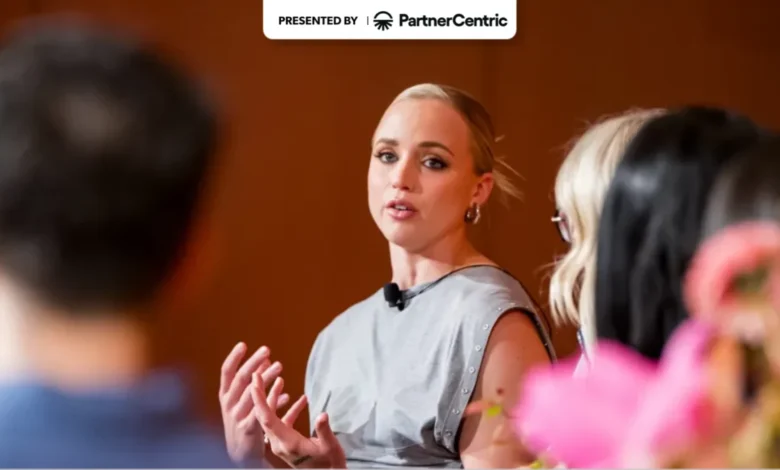
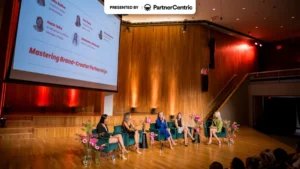
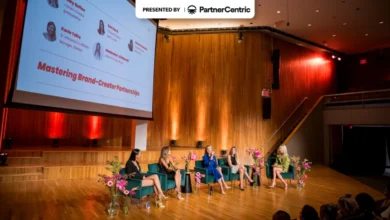
The modern intersection of athletics and the beauty industry has transformed from an experimental marketing tactic into a powerful cultural and economic force. While beauty executives and sports marketers have increasingly recognized the immense potential of pairing high-performing athletes with cosmetic brands, industry experts argue that this commercial marriage has only just begun. This perspective took center stage at Glossy’s Pop NYC event in Manhattan, where a panel of prominent industry insiders, stylists, and athletes convened to dissect the evolving landscape of sports and beauty collaborations.
The discussion featured WNBA star Hailey van Lith, celebrity stylist Dianne Garcia, Courtney Kelly—founder of tennis-inspired beauty brand Courting—and Jenna Smith, founder of sports marketing agency Tantamount Sports Group. Together, the panel provided a comprehensive look at how female athletes, in particular, are reshaping the marketplace, driving a cultural shift away from traditional wellness partnerships and directly into the heart of the prestige and mass-market beauty sectors.
The Genesis of a Movement: From Wellness to High Glamour
To understand the current momentum of sports-beauty collaborations, one must look at the traditional boundaries that once separated the two industries. Historically, athlete sponsorships in the personal care sector were heavily dominated by wellness, fitness, and functional hygiene products. Deodorants, sports drinks, protein powders, and athletic apparel brands historically claimed the vast majority of sports marketing dollars. When beauty brands did venture into the sports arena, their participation was typically limited to basic skincare or sun protection, marketed strictly for utility rather than aesthetics.
However, the cultural landscape has undergone a seismic shift over the past half-decade. The explosive growth of women’s professional sports—most notably the WNBA, the National Women’s Soccer League (NWSL), and collegiate athletics driven by the Name, Image, and Likeness (NIL) era—has catapulted female athletes into mainstream pop culture and fashion prominence. Major beauty retailers like Sephora and Ulta Beauty, alongside independent insurgent brands, have begun aggressively establishing their presence at major sporting events, ranging from the U.S. Open to high-profile basketball and soccer tournaments.
Despite this visible progress, industry veterans emphasize that the sector remains in its infancy. Jenna Smith of Tantamount Sports Group pointed out that while league-level partnerships and high-profile brand activations have increased exponentially, the overall market maturity is still low. According to Smith, brands have barely scratched the surface when it comes to long-term, integrated campaigns that treat athletes not just as billboard representations, but as authentic lifestyle authorities.
Unlocking Untapped Categories: The Case for Sunscreen and SPF
One of the most compelling insights emerging from the Pop NYC panel was the identification of specific, high-growth product categories that remain severely underserved within the athletic demographic. Chief among these is the sun care and SPF sector.
While athletes competing in outdoor disciplines—such as tennis, golf, track and field, and soccer—are chronically exposed to ultraviolet radiation, sunscreen has historically been marketed through a purely clinical or medical lens. Panelists highlighted a major open opportunity for beauty-forward SPF brands to bridge the gap between high-performance sun protection and cosmetic elegance. Consumers are increasingly demanding sunscreens that do not clog pores, leave a white cast, or interfere with sweat, yet few beauty brands have successfully positioned themselves as authentic partners to outdoor sports leagues.
Courtney Kelly, founder of the tennis lifestyle brand Courting, echoed this sentiment. Having built a brand that resonates strongly with aesthetic-focused creators and influencers like Shanina Shaik and Meeka Hossain, Kelly noted that the ceiling for beauty in sports is virtually non-existent. She observed that while wellness has traditionally overshadowed beauty within the athletic community, the pendulum has officially swung, with beauty-first formulations and routines taking center stage. The implication for brand strategists is clear: companies that fail to introduce sweat-resistant, high-performance cosmetic and sun care hybrids risk missing out on a rapidly expanding consumer base.
The Evolution of Athlete Autonomy in Creative Direction
Beyond product categories, the partnership model itself has undergone a radical transformation. Celebrity stylist Dianne Garcia, whose extensive portfolio includes styling high-profile figures across both the music and sports industries, offered a unique comparative analysis of how athletes engage with the creative process today versus a decade ago.
In the past, according to Garcia, brands approached athlete endorsements with a rigid, top-down mentality. Athletes were frequently viewed merely as physical vessels hired to showcase a uniform or execute a designated look prescribed by corporate marketing teams. This dynamic contrasted sharply with the music industry, where recording artists have historically retained extensive creative control over their personal aesthetics, wardrobe, and brand alignments.
Today, however, that divide has vanished. Athletes are increasingly demanding—and receiving—a meaningful seat at the table when it comes to shaping brand collaborations. Modern sports stars are no longer passive recipients of styling advice; they act as co-creators, injecting their personal narratives, values, and design preferences into capsule collections, product formulations, and global campaigns. This shift reflects a broader maturation of athletes as multi-dimensional entrepreneurs who view their personal brand as an extension of their professional career.
The Power of Day-in-the-Life Content and Audience Engagement
A primary catalyst for this heightened autonomy is the direct-to-consumer relationship fostered by social media. Platforms like Instagram, TikTok, and YouTube have allowed athletes to bypass traditional media gatekeepers and cultivate dedicated, highly engaged communities.
Hailey van Lith, a standout WNBA guard for the Connecticut Sun who has collaborated with prominent consumer brands such as Coach and Batiste, shared firsthand insights into how fan consumption habits have evolved. According to van Lith, modern sports fans are deeply invested in the holistic lives of their favorite athletes. Content that extends beyond the court—encompassing morning routines, skincare regimens, travel diaries, and fashion styling—generates some of the highest engagement rates on her channels.
Fans, van Lith noted, are eager to consume personal life content that chronicles an athlete’s day from the moment they wake up to the time they go to sleep. This appetite for authenticity provides beauty and lifestyle brands with an organic entry point. Rather than inserting products into an unnatural commercial environment, brands can integrate themselves seamlessly into the genuine daily routines of athletes whose followers actively seek out lifestyle recommendations.
Navigating the Double-Edged Sword of Public Visibility
While the expansion into beauty and lifestyle content offers lucrative commercial avenues, it also introduces complex social challenges, particularly for female athletes. During the panel discussion, van Lith candidly addressed the dichotomy of increased public visibility.
While the overwhelming majority of digital interactions are positive and supportive, the expansion into lifestyle and beauty content often exposes female athletes to heightened scrutiny. Unlike male counterparts, whose evaluations are frequently restricted to athletic statistics, female athletes routinely face intense public critique concerning their personal appearance, aesthetic choices, and lifestyle activities alongside their on-court performance.
This dynamic places unique pressures on athletes who choose to leverage their personal style and beauty routines publicly. Brands partnering with female sports stars must navigate these nuances carefully, providing robust support systems and ensuring that campaigns celebrate the multifaceted identities of athletes without reducing them to superficial metrics.
Economic Implications and Market Projections
The economic implications of the sports-beauty crossover extend far beyond individual brand sponsorships. Financial analysts tracking the consumer goods sector note that the convergence of sports and beauty represents a multi-billion-dollar growth frontier. As women’s sports continue to break viewership and attendance records globally, brands are reallocating marketing budgets away from traditional demographic targets and toward sports properties that command intensely loyal, demographically diverse audiences.
According to recent sports marketing data, major women’s sporting events have experienced triple-digit percentage increases in broadcast viewership over the past three years. This surge has not only driven up media rights values but has also amplified the commercial value of individual player endorsements. Beauty brands that establish early footholds in this ecosystem stand to capture significant market share as the industry matures from its current nascent phase into a fully institutionalized market sector.
Strategic Takeaways for Beauty Executives
For corporate decision-makers within the beauty, skincare, and cosmetics industries, the consensus emerging from industry forums like Glossy’s Pop NYC event points to several key strategic imperatives:
- Move Beyond Tokenism: Brands must transition from transactional, one-off sponsorships to deep, collaborative partnerships that grant athletes genuine creative input in product development and campaign execution.
- Target Underserved Niches: Categories such as high-performance sun care, long-wear cosmetics designed for athletic exertion, and specialized skincare tailored to active lifestyles present wide-open opportunities for market differentiation.
- Embrace Holistic Storytelling: Consumers demand authenticity. Marketing campaigns should leverage the multi-dimensional lives of athletes, acknowledging their athletic prowess while celebrating their personal style, wellness routines, and lifestyle preferences.
- Prepare for Cultural Nuances: Brands must recognize the unique pressures faced by female athletes in the public eye, designing campaigns that empower rather than exploit, and fostering supportive environments that prioritize the well-being of the talent.
Conclusion: The Horizon of Athletic Aesthetics
The convergence of sports and beauty is no longer a fleeting marketing experiment; it is a permanent structural evolution within the consumer economy. As industry leaders like Jenna Smith, Courtney Kelly, Dianne Garcia, and Hailey van Lith demonstrated in Manhattan, the surface has barely been scratched. With boundless opportunities in product innovation, creative collaboration, and digital storytelling, the sports-beauty crossover is poised to redefine consumer expectations for years to come. For brands willing to invest thoughtfully and authentically, the arena is wide open.