Mastering Your Wedding Finances: How to Seamlessly Plan Your Big Day Without Breaking the Bank

Planning a wedding is frequently cited as one of the most stressful life events an individual can undertake, ranking alongside moving house or changing careers. As couples look ahead to their celebrations, the convergence of romantic aspirations and harsh economic realities creates a complex management challenge. Financial transparency and rigorous organization are no longer merely helpful suggestions; they are absolute prerequisites for couples navigating the modern wedding landscape. To alleviate the administrative burdens associated with matrimony, industry experts and experienced planners have increasingly turned to standardized digital tools designed to transform chaotic paperwork into structured, actionable data.
The Evolution of Wedding Planning Tools
Historically, wedding preparation relied on physical binders, handwritten guest lists, and fragmented notes scattered across notebooks. Over the past decade, however, the digital transformation of the wedding industry has revolutionized how couples approach logistics. The shift toward cloud-based spreadsheets and comprehensive planning software reflects a broader societal demand for efficiency, accessibility, and real-time collaboration.

Financial management remains the cornerstone of any successful event. According to recent industry surveys, unexpected expenses account for more than forty percent of budget overruns among engaged couples. Recognizing this vulnerability, veteran planners have sought to democratize access to professional-grade financial frameworks. By providing adaptable templates compatible with widely used spreadsheet applications such as Google Sheets and Microsoft Excel, organizers can bridge the gap between amateur budgeting and expert event coordination.
Option 1: The Essential Free Wedding Budget Spreadsheet

For couples seeking a straightforward, no-frills approach to fiscal oversight, foundational tools offer an immediate entry point. Designed by seasoned professionals—including founders Elizabeth and Zee, whose penchant for meticulous detail shaped their own nuptial preparations—the free wedding budget spreadsheet serves as an indispensable baseline resource.
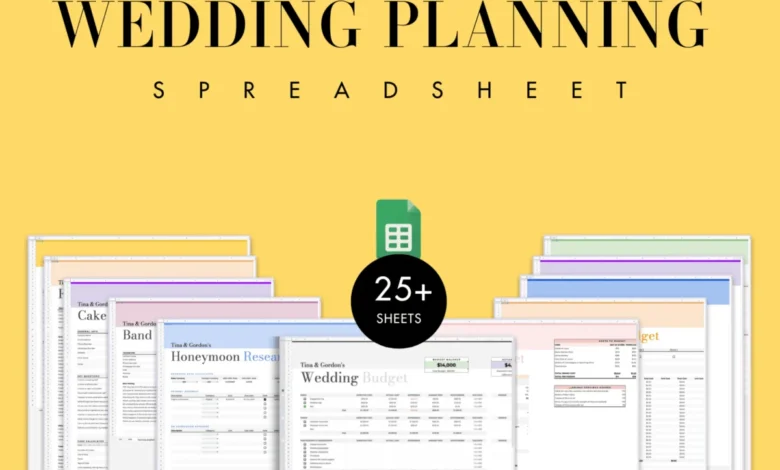
Compatible with both Google Sheets and Microsoft Excel, this complimentary tool is engineered to accompany couples from the initial estimation phase right through to the final vendor disbursements. The framework allows users to input projected costs for various services and vendors, continuously comparing them against actual expenditures and recorded payments. Furthermore, the spreadsheet includes a dedicated tracking module to log confirmed vendors for each specific line item, reducing the risk of miscommunication or double-booking.

Industry analysts note that utilizing a centralized ledger during the early stages of engagement significantly reduces instances of financial friction between partners. By establishing clear parameters before entering negotiations with venues, caterers, and florists, couples can protect their financial well-being while still executing their vision.
Option 2: The Comprehensive All-in-One Wedding Planning Ecosystem

While a budget spreadsheet is vital, it represents only a fraction of the comprehensive logistical apparatus required to execute a modern wedding. Recognizing the need for a holistic solution, planners have introduced advanced multi-sheet ecosystems that consolidate every facet of event management into a single digital workspace.
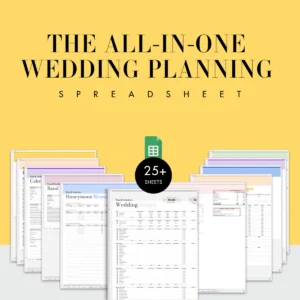
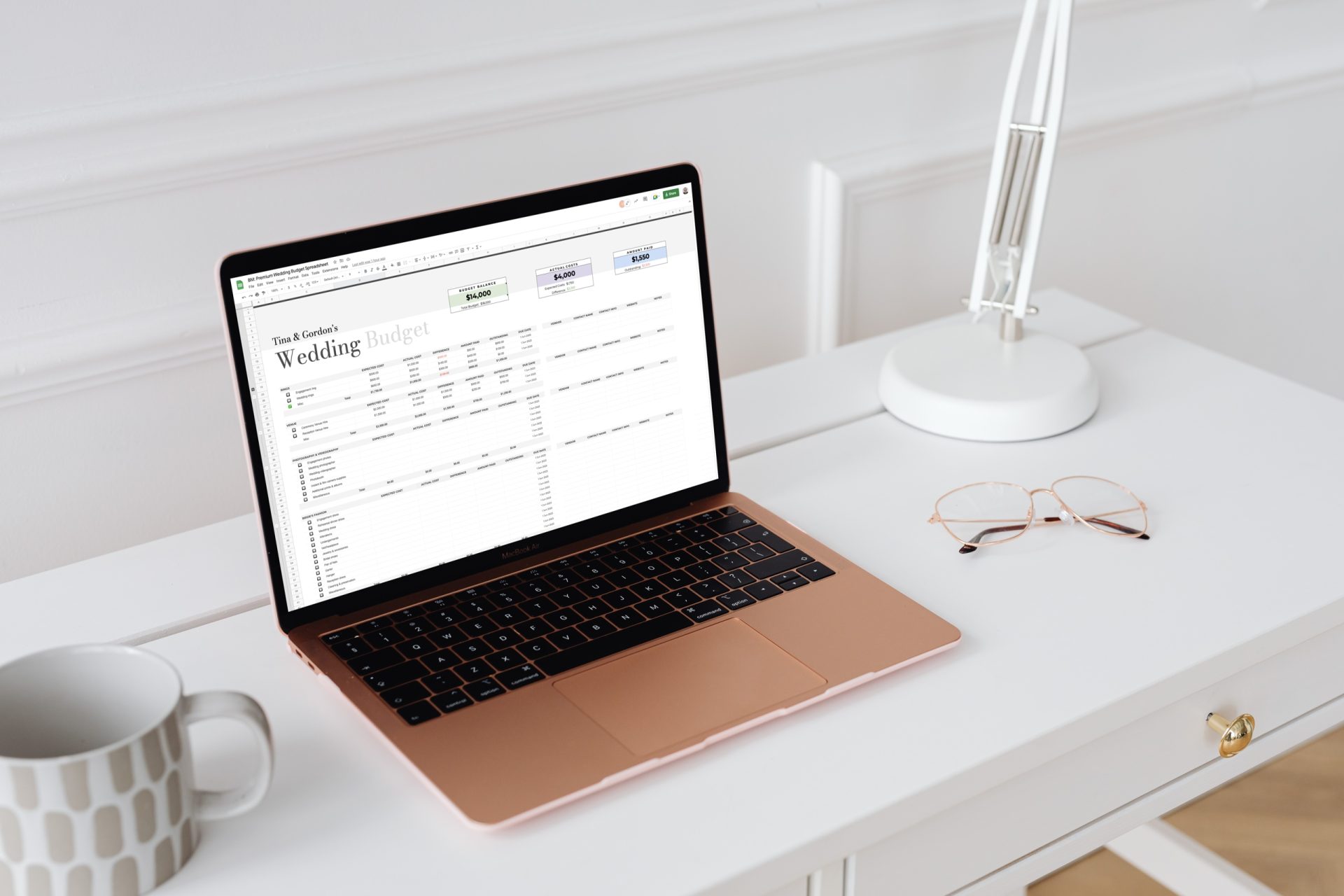
Priced originally at $105 but currently available at a promotional rate of $69 through the end of September, the Premium All-in-One Wedding Planning Spreadsheet comprises over twenty-five custom-designed sheets. Developed in collaboration with specialized design platforms like The Creations, this robust package addresses virtually every conceivable logistical requirement.

The anatomy of a modern wedding involves intricate coordination across diverse categories, ranging from guest list management to honeymoon logistics. The all-in-one spreadsheet incorporates specialized calculators and tracking modules designed to eliminate guesswork.
Financial and Vendor Research Modules

Managing major vendors requires granular cost analysis. The premium framework features dedicated research and budgeting sheets for primary service providers, including venues, caterers, photographers, videographers, florists, and musical acts. Each section enables couples to compare multiple vendor proposals side by side, evaluating pricing structures, package inclusions, and contract terms in a unified view.
Complementing these vendor modules are specialized calculation tools, such as the drinks and alcohol cost calculator and the wedding cake cost calculator. These utilities use guest count projections and consumption metrics to generate precise purchasing estimates, mitigating the risk of costly over-ordering or embarrassing shortages.

Guest Management and Seating Architecture
Guest list curation is notoriously fraught with interpersonal and logistical complexities. The integrated guest list and seating plan modules allow hosts to track RSVPs, dietary restrictions, plus-ones, and gift registries with absolute precision. Once responses are finalized, the seating arrangement tool aids in optimizing room layouts, ensuring harmonious guest placement and smooth circulation patterns within the reception venue.

Timeline and Weekend Coordination
A seamless wedding day relies on strict adherence to a well-crafted schedule. The inclusion of a dedicated wedding day timeline sheet ensures that members of the wedding party, photographers, and caterers remain synchronized throughout the event. Additionally, comprehensive weekend packing lists for both brides and grooms, alongside emergency kit inventories, help prevent last-minute oversights.

Honeymoon Planning and Post-Wedding Logistics
The planning process extends beyond the final dance of the reception. To address the transition into married life and the subsequent holiday, the suite includes honeymoon research and budgeting sheets, alongside travel-specific packing lists. This continuity ensures that couples remain organized even as the primary wedding festivities conclude.

Economic Implications and Consumer Trends
The introduction of scalable, affordable digital planners arrives at a time of broader economic introspection within the event industry. Inflationary pressures have impacted nearly every sector of the wedding economy, from raw floral imports to catering labor costs. Consequently, consumers are increasingly adopting a DIY-plus approach, utilizing professional frameworks to manage their own events without the expense of a full-service wedding coordinator.

Financial advisors emphasize that proactive budgeting yields long-term benefits beyond the wedding day itself. By mastering joint financial tracking early in their relationship, couples establish healthy communication patterns regarding money management, setting a positive precedent for their shared future.
Official Responses and Industry Reception

Reactions from consumer advocacy groups and wedding industry analysts have been largely positive. Consumer advocates frequently stress the importance of transparency in the wedding marketplace, where hidden fees and ambiguous contract terms can quickly derail a fixed budget. Standardized digital templates empower consumers by forcing vendors to itemize costs clearly, fostering a more transparent commercial environment.
Event planners also acknowledge the utility of these digital frameworks. While high-end luxury weddings continue to rely on dedicated human coordination teams, tech-savvy couples operating on mid-range budgets find immense value in structured templates that offer professional-level oversight at a fraction of the cost.

Implementation Strategies for Engaged Couples
To maximize the utility of these planning tools, experts recommend a structured implementation approach. Couples should begin by establishing a hard financial ceiling, taking into account contributions from family members and personal savings. Once the total budget is defined, the basic or premium spreadsheet should be populated with preliminary estimates before any vendor outreach begins.

Regular weekly reviews of the spreadsheet ensure that unexpected expenses are identified and absorbed early. Maintaining open dialogue between partners regarding financial adjustments prevents the accumulation of wedding-related stress, preserving the excitement and joy intended to accompany the engagement period.
Looking Forward

As technology continues to evolve, the tools available to engaged couples will undoubtedly become more sophisticated. However, the foundational principles of successful wedding planning—clear communication, rigorous research, and disciplined financial tracking—remain unchanged. Whether utilizing a simple, complimentary budget ledger or investing in a comprehensive multi-sheet planning ecosystem, couples are now better equipped than ever to navigate the complexities of modern matrimony with confidence and peace of mind.