The Evolution of Wedding Planning Resources and the Rise of Specialized Media in the Bridal Industry


The global wedding industry, a sector currently valued at approximately $70 billion in the United States alone, has undergone a radical transformation in how information is disseminated to and consumed by engaged couples. As the logistical complexity of modern ceremonies increases, a significant shift from traditional print media to digital, on-demand audio content has emerged. Industry experts and digital platform founders, such as Elizabeth Muhmood Kane of the prominent wedding publication Bridal Musings, have identified a growing trend where podcasts and interactive digital tools are replacing the static "wedding binder" of previous generations. This transition reflects a broader movement toward personalized, expert-driven education that addresses the multifaceted challenges of contemporary event coordination.
The Digital Transformation of the Wedding Industry
For decades, the bridal industry was dominated by heavy-gloss magazines and physical trade shows. However, the rise of digital literacy and the ubiquity of smartphones have decentralized information. According to industry data from 2023, over 90% of couples now use the internet to plan their weddings, with a significant portion of that time spent on mobile devices. The shift to podcasts represents the latest iteration of this digital evolution. Unlike articles or photo galleries, podcasts offer a passive consumption model, allowing couples to absorb professional advice during commutes, workouts, or daily routines.
Elizabeth Muhmood Kane, the founder of Bridal Musings who established her platform following her own marriage in 2010, emphasizes that planning a wedding in the current economic and social climate often feels like a "full-time job." This sentiment is backed by statistical trends showing that the average engagement period has extended to approximately 15 to 16 months, during which couples must manage dozens of vendors, complex contracts, and escalating costs. The integration of audio resources provides a layer of emotional support and expert guidance that traditional media often lacks.
A Chronology of Bridal Information Consumption
The evolution of wedding planning resources can be categorized into four distinct eras, each marked by the prevailing technology of the time:
- The Print Era (Pre-2000s): Information was primarily gatekept by high-end magazines and local bridal shops. Planning was localized, and inspiration was physical, often compiled in scrapbooks.
- The Blog and Search Era (2000–2010): The advent of wedding blogs and early search engine optimization allowed for a broader range of aesthetics and "DIY" culture to emerge. Platforms like Bridal Musings began during the tail end of this era, focusing on curated visual inspiration.
- The Visual Social Era (2010–2018): Pinterest and Instagram revolutionized the industry by making high-production-value imagery accessible. However, this era was also marked by increased pressure on couples to achieve "picture-perfect" results, often leading to "wedding burnout."
- The Expert Audio and Tool Era (2019–Present): Recognizing the exhaustion caused by visual overstimulation, the industry moved toward podcasts and specialized digital tools. This era focuses on the "how-to" rather than just the "what," prioritizing logistics, vendor relations, and mental well-being.
The Rise of the Wedding Podcast: Auditory Mentorship in a High-Stakes Market
The popularity of wedding podcasts is not merely a trend in entertainment but a response to the high-stakes nature of the modern event market. With the average cost of a wedding in the United States hovering around $30,000 to $35,000, the margin for error in vendor selection and contract negotiation has narrowed. Podcasts serve as "auditory mentors," providing deep dives into topics that are difficult to convey through imagery alone.
Key areas of focus in these audio programs include:
- Vendor Coordination: Navigating the nuances of caterers, photographers, and florists.
- Venue Logistics: Understanding the hidden costs of "site fees" and "exclusive catering" clauses.
- Unique Decor Strategy: Moving beyond Pinterest trends to create personalized, sustainable event designs.
- Psychological Management: Addressing the "wedding blues" and the interpersonal dynamics of family expectations.
Bridal Musings’ editorial team suggests that these podcasts are essential not just for the logistical data they provide, but for the "laughs and enjoyment" they bring back to a process that can often become sterile and stressful. By humanizing the planning process, podcasts help maintain the couple’s focus on the celebration of their relationship rather than just the execution of an event.
Economic Drivers and the Shift in Vendor-Consumer Relations
The rise of specialized media has also forced a change in how wedding vendors market themselves. In the past, a vendor’s portfolio was their primary selling point. Today, many vendors participate in or host their own podcasts to establish "thought leadership." This shift indicates that modern consumers are looking for personality and reliability as much as they are looking for a specific aesthetic.

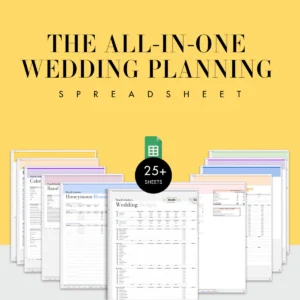
Data from market research firms suggests that couples who engage with expert-led media are more likely to have realistic budget expectations and are less prone to mid-process cancellations. This "educated consumer" model benefits the industry as a whole by reducing friction between clients and service providers. The emergence of tools like "Bridekit," which offers online wedding tools and resources, further illustrates the industry’s move toward a comprehensive, tech-integrated ecosystem.
Expert Analysis: Bridging the Gap Between Inspiration and Execution
Elizabeth Muhmood Kane’s perspective highlights a critical gap in the market: the distance between seeing a beautiful image and understanding the mechanics of how to recreate it. "I fell head over heels for weddings in 2010," Kane notes, but her subsequent decade of experience has shown that "lace, peonies, and traveling" require a foundation of solid organizational tools.
Professional analysts argue that the bridal industry is currently in a "consolidation phase" where content and utility are merging. A podcast is no longer just a talk show; it is a gateway to a suite of digital tools, downloadable templates, and community forums. This holistic approach is designed to mitigate the "decision fatigue" that often plagues modern couples. By providing a monthly digest of top resources, platforms like Bridal Musings are positioning themselves as essential consultants rather than just publishers.
Technological Integration: From Audio to Interactive Planning Tools
The next frontier for the industry appears to be the integration of Artificial Intelligence (AI) and automated logistics within the framework of traditional advice. While podcasts provide the "human" element and expert narrative, the "Bridekit" model represents the move toward algorithmic assistance in budgeting and guest list management.
The implications of this are twofold:
- Increased Accessibility: Couples who cannot afford a professional full-service wedding planner (which can cost between 10% and 20% of the total budget) can now access high-level planning expertise through a combination of free podcasts and low-cost digital tools.
- Standardization of Professionalism: As more couples learn about industry standards (such as "force majeure" clauses in contracts) through podcasts, vendors are being held to higher standards of transparency and accountability.
Broader Impact and Industry Implications
The transformation of wedding planning into a digitally-supported, audio-guided journey has broader implications for the experience economy. It suggests that today’s consumers value the process as much as the product. The success of bridal podcasts proves that there is a significant market for long-form, educational content in an age often characterized by short-form video.
Furthermore, the focus on "savoring every moment," as advocated by the Bridal Musings team, points to a cultural shift away from the "perfectionism" of the 2010s toward a more mindful and intentional approach to life events. By utilizing podcasts to share stories of both success and failure, the industry is fostering a more resilient and informed community of couples.
As the industry moves forward, the synergy between expert-led narratives (podcasts), curated inspiration (blogs), and functional utility (digital toolkits) will likely become the standard for any successful bridal brand. For the modern couple, the "full-time job" of wedding planning is not necessarily getting easier, but it is becoming better supported by a sophisticated network of digital resources that ensure the journey to the altar is as rewarding as the destination itself.