Kelli Donovan: Pioneering a Sustainable Revolution in the Global Fashion Landscape

The modern fashion industry, often criticized for its reliance on fast-paced consumption and environmental degradation, is witnessing a structural shift led by designers who prioritize longevity over volume. Among these figures is Kelli Donovan, a veteran designer whose three-decade career serves as a blueprint for ethical production. By merging the artisanal heritage of her Scottish ancestors with the rugged, natural aesthetic of her Australian upbringing, Donovan has created a business model that directly challenges the "take-make-waste" paradigm of global apparel manufacturing.
The Environmental Toll of Global Fashion
To understand the significance of Donovan’s work, one must examine the broader context of the fashion industry’s environmental impact. According to data from the United Nations Environment Programme (UNEP), the fashion industry is responsible for approximately 2% to 8% of global carbon emissions. Furthermore, it consumes roughly 215 trillion liters of water annually and contributes to 9% of global microplastic losses into the oceans.
The proliferation of "ultra-fast fashion"—characterized by rapid production cycles and low-quality synthetic materials—has accelerated the accumulation of textile waste in landfills. In developed nations, the average consumer now buys 60% more items of clothing than they did 20 years ago, yet keeps them for only half as long. It is against this backdrop of overconsumption that Donovan’s design philosophy—focused on timelessness, durability, and waste reduction—has gained significant traction.
A Career Shaped by Geography and Heritage
Donovan’s design identity is deeply rooted in the topography of Canberra, Australia’s "bush capital." Growing up amidst the city’s unique blend of alpine mountains and expansive bushland, she developed a profound appreciation for natural systems. This environment fostered a design language defined by organic lines, durability, and a respect for raw materials.
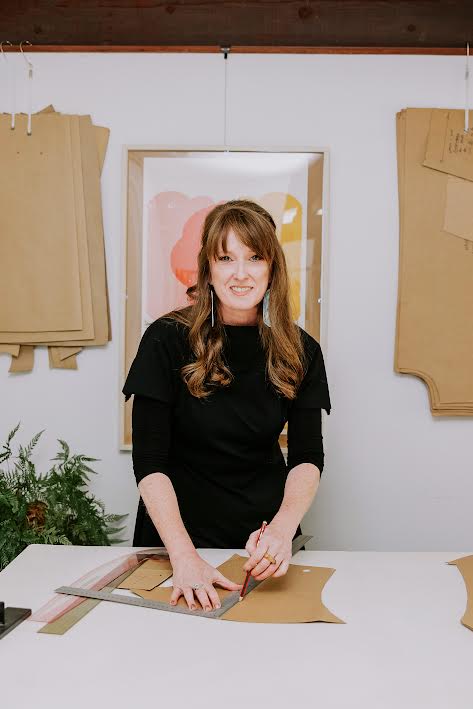
However, her technical precision is not merely a product of the Australian landscape; it is a legacy of her grandmother, Annie Muir, a professional tailor from Glasgow. Muir’s influence instilled in Donovan a "zero-waste" mindset long before the term became a staple of modern sustainability discourse. The core tenet of Muir’s philosophy—that quality textiles deserve the respect of masterful, non-disposable construction—remains the foundation of Donovan’s label.
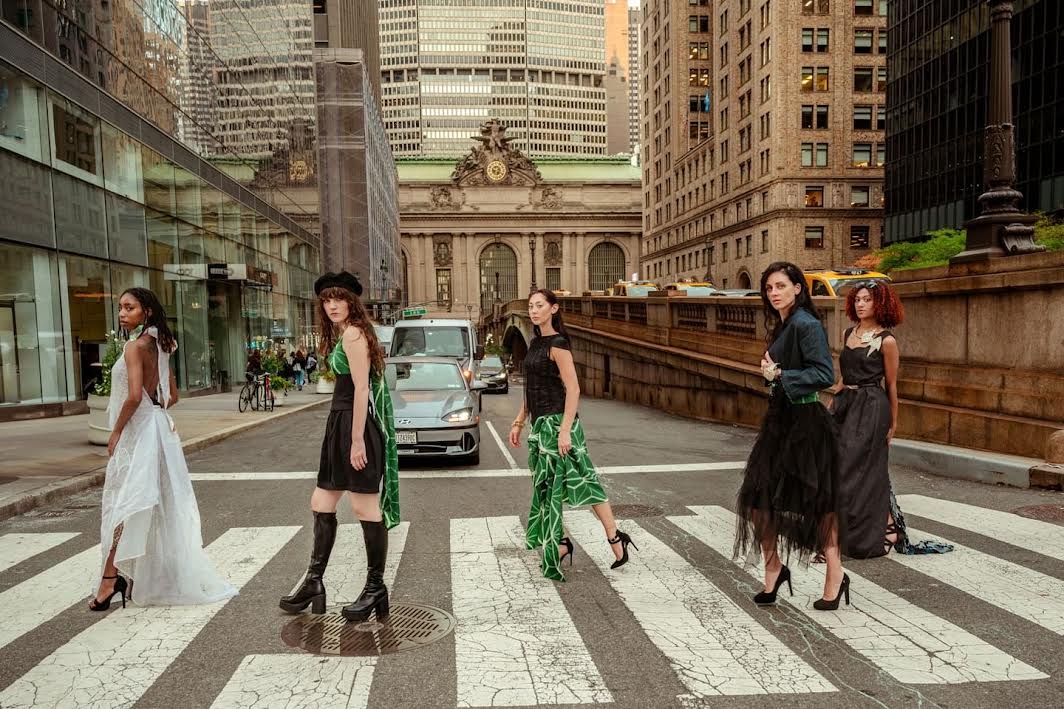
The Sleeping Beauties Collection: A Response to Oversupply
In 2024, the fashion world turned its attention to the Metropolitan Museum of Art’s Costume Institute exhibition, "Sleeping Beauties: Reawakening Fashion." Coincidentally, Donovan released a collection under the same moniker. While the name mirrors the high-profile museum event, the intent behind Donovan’s collection is strictly utilitarian and environmental.
Donovan’s "Sleeping Beauties" is a critique of the global oversupply crisis. By producing limited, high-quality garments, she aims to disrupt the cycle of constant novelty. The collection utilizes deadstock fabrics—leftover textiles from larger manufacturers that would otherwise be discarded—to demonstrate that aesthetic appeal does not require the extraction of virgin natural resources. This approach echoes the broader "circular fashion" movement, which seeks to decouple economic activity from the consumption of finite resources.
The Manta Ray Collection and Marine Conservation
Perhaps the most potent example of Donovan’s integration of advocacy and design is her "Manta Ray" collection. This project was conceived as a direct response to the infiltration of synthetic fibers and microplastics into marine ecosystems.
The Giant Manta Ray serves as a powerful metaphor for Donovan’s brand: a creature that occupies a massive ecological space while maintaining a non-invasive, gentle existence. By aligning her brand with ocean conservation, Donovan addresses the issue of textile shedding. Synthetic fabrics like polyester and nylon release millions of microfibers into the water system every time they are laundered. Her collection prioritizes natural fibers that are biodegradable and less harmful to marine life, serving as an educational tool for consumers who may be unaware of the lifecycle of their garments.
Strategic Advice for the Next Generation
As sustainability moves from a niche interest to a market imperative, young designers face a landscape defined by both opportunity and extreme competition. Donovan’s advice to the next generation of designers is centered on the cultivation of a unique "superpower"—a distinct design aesthetic that is not dictated by seasonal trends.
"The more designers experiment with textiles and waste reduction in their formative years, the stronger their aesthetic becomes," Donovan noted. Her career trajectory suggests that the most successful sustainable brands are those that view constraints—such as limited fabric availability or the high cost of ethical labor—as catalysts for innovation rather than obstacles.
Analysis: Implications for the Fashion Market
The shift toward ethical fashion is no longer purely altruistic; it is becoming a market necessity. Recent regulatory developments, such as the European Union’s Strategy for Sustainable and Circular Textiles, indicate that governments are moving toward stricter accountability for the environmental impact of apparel.
Donovan’s model of "designing for longevity" is a direct hedge against these impending regulations. By investing in high-quality materials and timeless silhouettes, her brand minimizes the risk of obsolescence. Furthermore, the emphasis on transparency—allowing the consumer to understand the origin of the textile and the ethics of the construction—builds long-term brand loyalty in an era where consumers are increasingly wary of "greenwashing."
Chronology of a Sustainable Philosophy
- Early Childhood: Donovan develops an aesthetic connection to the Australian landscape while learning traditional tailoring techniques from her grandmother, Annie Muir.
- 1990s – 2000s: Donovan gains 30 years of industry experience, witnessing the rise of ultra-fast fashion and the degradation of global supply chains.
- 2020s: The "Manta Ray" collection is launched, directly addressing the impact of synthetic textile waste on ocean ecosystems.
- 2024: The "Sleeping Beauties" collection is unveiled, challenging the industry’s reliance on overproduction and mass-market turnover.
- Present Day: Donovan continues to advocate for zero-waste design practices, positioning her brand as a mentor for emerging designers in the sustainable space.
Broader Industry Impact
The work of Kelli Donovan serves as a vital case study in the power of the individual designer to influence industry standards. While systemic change requires collective action from multinational corporations and global policy, the "small-scale, high-impact" model pioneered by designers like Donovan provides a roadmap for the transition to a circular economy.
By shifting the narrative from "what is trending" to "what is lasting," Donovan is helping to re-educate the consumer. The goal, she suggests, is not to stop the production of clothing, but to transform the nature of that production. Whether through the utilization of deadstock materials, the avoidance of toxic synthetic dyes, or the focus on classic tailoring that can be repaired rather than replaced, her work underscores a fundamental truth: the most sustainable piece of clothing is one that is made well enough to be loved for a lifetime.
As the fashion industry stands at a crossroads, the influence of figures like Donovan is likely to grow. Her legacy is not merely the garments she has designed, but the shift in consciousness she has fostered—a reminder that in a world of excess, the most radical act of fashion is to design with intent, purpose, and a deep respect for the environment.