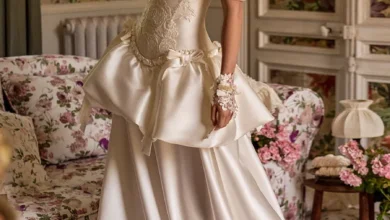
Ricca Sposa 2027 Bridal Couture L’Art de la Dentelle collection redefines modern luxury through artisanal craftsmanship

The global bridal industry is currently undergoing a significant shift toward hyper-individualized, artisanal luxury, and the latest offering from Ricca Sposa, titled L’Art de la Dentelle, serves as a definitive case study in this evolution. Comprising 17 meticulously tailored gowns, the 2027 couture bridal collection represents a departure from mass-market trends, focusing instead on the architectural integrity of lace and the nuanced demands of the modern bride. By situating its creative inspiration within the hallowed, timeworn walls of a Parisian atelier, the design house has signaled a return to the roots of traditional couture while integrating contemporary silhouettes that cater to a global, fashion-forward demographic.

The Evolution of the Ricca Sposa Couture Identity
Ricca Sposa has long been recognized for its ability to balance traditional bridal aesthetics with high-fashion sensibilities. The 2027 collection, L’Art de la Dentelle, marks a pivotal moment in the brand’s trajectory. Since its inception, the label has focused on the intersection of emotion and construction, but this latest installment takes that ethos further by elevating lace from a mere decorative element to the primary structural component of the garment.

In the luxury bridal sector, the "couture" designation requires more than just high-quality fabrics; it demands a specific level of hand-finished detailing and bespoke-level construction. By launching this collection, Ricca Sposa is addressing a growing demand for "quiet luxury"—a trend that has permeated the bridal market, moving away from ostentatious embellishments in favor of clean lines, structural precision, and the tactile beauty of high-end materials.

Chronology of the L’Art de la Dentelle Debut
The development of the 2027 collection followed a rigorous eighteen-month design and production cycle. Industry analysts tracking the brand observed a strategic pivot starting in early 2026, when the design team began sourcing rare, heritage-grade lace suppliers.

- Q1 2026: Initial design conceptualization, focusing on the theme of "architectural lace."
- Q2 2026: Sourcing of sustainable and artisanal lace manufacturers across Europe.
- Q3 2026: Prototyping and the implementation of the Parisian atelier-style construction techniques, emphasizing the "fit-and-flare" and "sheath" silhouettes.
- July 2026: The official unveiling of the 17-piece collection, presented to international buyers and fashion critics, establishing the tone for the 2027 wedding season.
This timeline reflects a broader trend in the industry where bridal houses are compressing their development cycles to align with "see-now-buy-now" consumer expectations, while simultaneously maintaining the labor-intensive standards required for a couture label.

Structural Innovation and Design Methodology
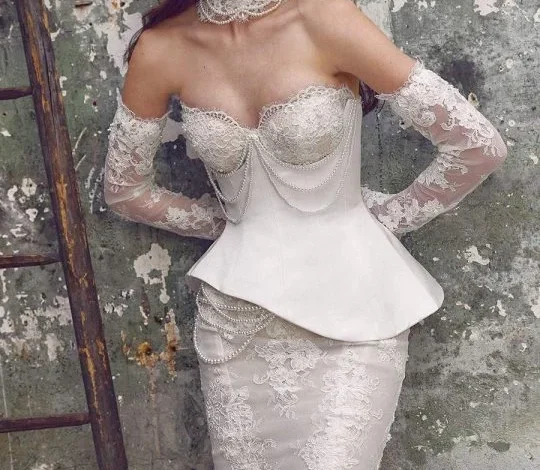
The 2027 collection is characterized by a series of technical innovations. The use of detached sleeves and gloves, as seen in the primary pieces of the collection, allows for a versatile "transformative" bridal look. This is a strategic response to the modern bride’s desire to transition from a formal ceremony aesthetic to a more relaxed reception style without the need for a second dress.

The construction of the peplum bodices and the incorporation of basque waists demonstrate a sophisticated understanding of human anatomy and silhouette enhancement. By utilizing internal corset structures that remain invisible to the observer, the designers ensure a high level of comfort and support, which is often a point of contention in traditional bridal couture. The sheath gowns, in particular, showcase the brand’s ability to manipulate lace to create an illusion of fragility while maintaining the durability required for a full day of wear.

Market Context and Broader Economic Implications
The global bridal wear market is projected to continue its upward trajectory through 2030, with a compound annual growth rate (CAGR) that remains resilient despite broader economic volatility. Ricca Sposa’s focus on couture-level craftsmanship allows the brand to occupy a premium niche within this market.

Industry data indicates that brides are increasingly prioritizing "investment pieces"—dresses that serve as art objects rather than disposable fashion. By focusing on L’Art de la Dentelle, the brand is targeting the upper-mid to high-end segment of the market, where buyers are less price-sensitive and more focused on brand narrative, material provenance, and the sustainability of production.

Furthermore, the emphasis on "true craftsmanship" acts as a hedge against the saturation of fast-fashion bridal alternatives. As consumers become more educated regarding textile quality, brands that can articulate the "why" behind their production—such as the memory and heritage preserved in a Parisian atelier—are seeing higher conversion rates among younger demographics, particularly Millennials and Gen Z, who value authenticity above all else.

Official Stance and Brand Philosophy
While Ricca Sposa remains a private entity, the messaging surrounding the 2027 collection is clear: the brand is positioning itself as a guardian of heritage. In their public statements regarding the collection, the design house has highlighted that the "enduring dialogue between heritage craftsmanship and contemporary design" is the core tenet of their business model.

By framing the collection within the context of a Parisian atelier, the brand is not merely selling a dress; they are selling a pedigree. This narrative strategy is common among luxury houses, yet effective in the bridal space, where the psychological value of the purchase is tied to the prestige and "story" associated with the label.

Analyzing the 2027 Aesthetic Shift
A detailed examination of the collection reveals a deliberate move toward "nuanced vision." The juxtaposition of statement pieces—such as the floor-sweeping capes and intricate, high-neck lace sheaths—against the restraint of simple, fitted silhouettes creates a balanced portfolio that appeals to a diverse range of bridal styles.

The use of scalloped necklines and illusion bodices serves as a bridge between classic romanticism and modern minimalism. This design choice is particularly adept at capturing the current zeitgeist, where brides are rejecting the "boho" trends of the previous decade in favor of a more structured, polished, and "timeless" look.

Sustainability and Future Outlook
While not explicitly marketed as a "green" collection, the shift toward high-quality, artisanal lace often correlates with a more sustainable production model. By prioritizing longevity and heirloom quality, Ricca Sposa aligns itself with the "slow fashion" movement. This is a critical factor for the brand’s future, as younger consumers are increasingly vetting their purchases for environmental and ethical transparency.

Looking ahead, the success of the L’Art de la Dentelle collection will likely set the benchmark for competitors in the 2027-2028 season. As other bridal houses pivot to keep pace, the industry can expect to see an increase in the adoption of heritage fabrics and a renewed emphasis on internal garment engineering.

Conclusion
The 2027 Ricca Sposa collection is more than a seasonal update; it is a strategic repositioning of the brand within the luxury echelon of the bridal world. By focusing on the interplay between the history of lace and the demands of modern, individualistic bridal fashion, the company has created a product that resonates with both traditionalists and modernists. As the brand continues to refine its identity, the impact of this collection will be felt not only in the styles that appear on the runway but in the production standards that other labels will be forced to adopt to remain competitive. For the 2027 bride, the message is clear: true luxury is found in the detail, the construction, and the preservation of artistry.