The Rise of Conscious Consumerism: Navigating Ethical Fashion and Beauty in Australia and New Zealand

The landscape of retail in Australia and New Zealand is undergoing a profound transformation as consumers increasingly pivot toward ethical, vegan, and cruelty-free alternatives. Driven by a heightened awareness of animal welfare standards, environmental degradation, and supply chain transparency, shoppers are systematically moving away from conventional products that rely on animal derivatives or exploitative labor practices. This shift is supported by an expanding ecosystem of brands that prioritize rigorous sustainability standards, moving beyond mere marketing claims to adopt transparent, third-party verified methodologies. For the modern conscious consumer, navigating this market requires an understanding of both regional regulatory gaps and the comprehensive metrics used to define truly responsible production.
The Regional Context: Animal Welfare and Regulatory Disparities
The push for veganism in the region is not merely a lifestyle choice but a direct response to specific animal welfare concerns unique to the geography of Oceania. Australia and New Zealand, while often viewed as progressive, maintain divergent policies regarding the treatment of animals in industry.
A critical focal point of this discourse is the practice of mulesing, an invasive surgical procedure involving the removal of strips of skin from around the breech of a sheep to prevent flystrike. While New Zealand took the legislative step to ban mulesing in 2018, the practice remains legal in Australia. As Australia is one of the world’s largest producers of merino wool, the industry faces significant pressure from global advocacy groups and consumer bases to phase out this practice in favor of humane alternatives.
Furthermore, the cosmetic and fashion industries in the region operate within a complex web of legal protections and loopholes. While both Australia and New Zealand have enacted bans on testing finished cosmetic products on animals, these regulations often fail to address the full scope of the supply chain. Ingredients used in these products may still be subjected to animal testing in international jurisdictions before being imported for local production. Similarly, the market for exotic skins—particularly crocodile farming in Australia—remains a contentious issue. Despite a global decline in demand for luxury reptile leather, the industry continues to operate, prompting ethical consumers to seek out plant-based leathers and synthetic alternatives that do not carry the same cruelty-related baggage.
Defining Sustainability: The Three-Pillar Methodology
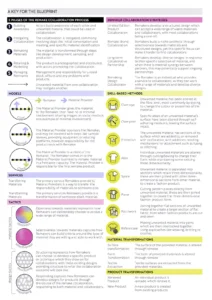
For consumers seeking to verify brand ethics, simple labels such as "cruelty-free" are no longer sufficient. Industry experts, including those at Good On You, have developed a rigorous, data-driven framework to evaluate brands across three primary pillars: People, Planet, and Animals.
The "People" pillar examines labor conditions, ensuring that brands move beyond minimum wage compliance to provide living wages and safe environments across their entire supply chain, including the often-overlooked tiers of raw material extraction. The "Planet" pillar focuses on environmental footprint, rewarding brands that reduce waste through circular design, prioritize organic or recycled materials, and utilize low-impact dyes. Finally, the "Animals" pillar acts as the cornerstone for the vegan consumer. This involves verifying that no animal products—such as silk, wool, down, or leather—are used and that the brand maintains a strict policy against animal testing.
This methodology is not static; it is peer-reviewed and updated regularly to reflect the latest scientific data and industry benchmarks. By analyzing hundreds of data points, these ratings provide an objective snapshot of a company’s operational reality, stripping away the "greenwashing" that often obscures the true impact of consumer goods.
Chronology of the Ethical Shift
The trajectory of the ethical fashion movement in Oceania can be mapped through key milestones of increased awareness and policy change:
- 2015-2017: A surge in public awareness regarding the environmental impact of "fast fashion" leads to increased scrutiny of supply chains in Australia.
- 2018: New Zealand officially bans the practice of mulesing, marking a significant victory for animal rights advocates and setting a regional precedent.
- 2019-2020: Major retailers begin to adopt clearer labeling standards for vegan-certified goods, influenced by a 15-20% year-on-year increase in Google search queries related to "vegan fashion" and "cruelty-free beauty" in the region.
- 2021-2023: Increased investment in plant-based textile technology, such as pineapple leather and recycled bamboo fibers, allows local brands to scale their operations without compromising on quality or aesthetics.
- 2024-2025: Current trends show a shift toward "radical transparency," where brands are now expected to publish full lists of their suppliers and factory locations, rather than providing vague sustainability promises.
Analysis: The Economic Implications of Ethical Compliance
The transition toward ethical manufacturing represents a significant economic pivot. For many small-to-medium enterprises (SMEs) in Australia and New Zealand, such as Etiko and ReCreate, the challenge lies in balancing the higher costs of ethical labor and sustainable materials with the market demand for competitive pricing.
Data indicates that while ethical products often carry a premium, the long-term brand loyalty cultivated through transparency results in lower customer acquisition costs. Furthermore, as international trade regulations tighten—particularly regarding modern slavery disclosures—brands that have already established robust supply chain monitoring are better positioned to weather future regulatory hurdles. The shift is, therefore, not just an ethical imperative but a strategic business move that mitigates supply chain risks and aligns with the evolving values of Gen Z and Millennial demographics.
Industry Leaders and Ethical Standards
Several brands have emerged as leaders by consistently achieving high ratings through their commitment to these rigorous standards.
- Aesop: Recognized for its adherence to the Leaping Bunny Programme, this Australian skincare giant has demonstrated that luxury beauty does not require animal testing. Its commitment to transparency in sourcing ingredients has set a high bar for the regional beauty sector.
- Etiko: A pioneer in the fair trade movement, Etiko exemplifies how a brand can address human rights and animal welfare simultaneously. By ensuring fair wages for workers and utilizing organic materials, the brand proves that ethical fashion is scalable and accessible.
- ReCreate: Based in New Zealand, this boutique label focuses on social impact. By offering fair employment opportunities and utilizing textile offcuts, the company serves as a model for circularity and social equity in the clothing industry.
- Boody: Utilizing organically grown bamboo, Boody has disrupted the essentials market. Their closed-loop production system minimizes water usage and chemical waste, addressing the environmental concerns that are often ignored in the production of basic garments.
- BONDI BORN: This brand highlights the intersection of style and sustainability, utilizing premium linen blends to create luxury pieces that are durable and ethically manufactured. Their focus on high-quality, long-lasting materials counters the destructive cycle of fast-fashion consumption.
- Oobi: Focusing on children’s fashion, Oobi demonstrates the feasibility of using non-toxic dyes and sustainable transport methods, such as sea freight, to reduce the carbon footprint of their logistical operations.
Broader Impact and Future Outlook
The broader implications of this movement extend beyond individual purchases. As consumers shift their capital toward brands that prioritize the planet and animal welfare, larger corporations are forced to respond. We are witnessing a "trickle-up" effect where the innovations developed by smaller, ethical brands—such as closed-loop supply chains and plastic-free packaging—are being adopted by industry giants attempting to remain relevant in a changing market.
However, challenges remain. The lack of standardized global definitions for "sustainable" and "vegan" allows for continued ambiguity in marketing. Consumers must remain vigilant, looking beyond labels to verify that the brand’s claims are backed by independent, third-party audits. As digital platforms continue to democratize information, the power balance in the fashion and beauty industries is shifting from the manufacturer to the informed consumer.
Looking ahead, the next phase of this evolution will likely involve the integration of blockchain technology to provide immutable records of supply chain transparency, ensuring that every garment or cosmetic product can be traced back to its raw material source. This level of accountability will be essential as the global community moves toward a more circular and compassionate economy. For residents of Australia and New Zealand, the opportunity to lead this transition is significant, provided that the focus remains on rigorous, evidence-based standards that account for the complex reality of modern production. By supporting brands that are transparent about their shortcomings as well as their successes, consumers can play an active role in redefining what it means to be a responsible participant in the global market.