The Rise of Eco-Friendly Office Supplies: How Sustainable Stationery is Reshaping Modern Workspaces

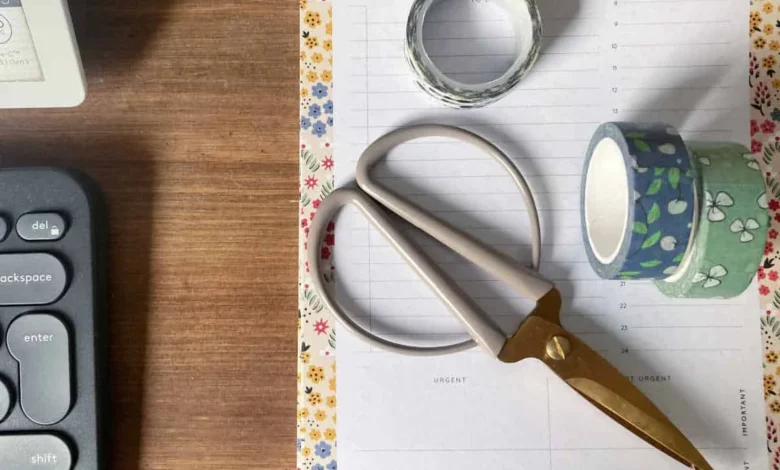
The modern workplace is undergoing a quiet, green revolution. As corporate sustainability mandates tighten and remote work prompts millions of individuals to reevaluate their home office setups, the demand for eco-friendly stationery and office supplies has surged to unprecedented levels. Once viewed as a niche market defined by coarse textures and limited availability, sustainable office products have evolved into a sophisticated sector that marries high performance with circular economy principles. Driven by consumer awareness, regulatory pressures, and innovative manufacturing techniques, the transition toward a zero-waste office is no longer just an idealistic goal—it is a rapidly expanding commercial reality.
The Shift Toward Sustainable Workspaces
For decades, the standard office supply chain operated on a linear, take-make-waste model. Billions of petroleum-based plastic pens, PVC binders, chemically bleached printer papers, and non-recyclable adhesive tapes have historically flooded global markets, ending up in landfills where they persist for centuries. According to environmental data tracking commercial waste streams, office stationery and paper products account for a significant percentage of business-generated refuse.

However, the last five years have marked a critical inflection point. As global supply chains face scrutiny over their carbon footprints, consumers and corporate procurement officers alike are demanding transparency. The market response has been swift. Manufacturers are increasingly prioritizing recycled content, biodegradable raw materials, and closed-loop manufacturing processes. This shift is supported by broader corporate environmental, social, and governance (ESG) frameworks, which mandate reductions in Scope 3 emissions—indirect emissions that occur in a company’s value chain, including the production of purchased goods and services like office supplies.
Core Essentials: Redefining Everyday Stationery
Transitioning an office to sustainable alternatives involves replacing high-turnover consumables with items designed for longevity, recyclability, or composting. Industry experts categorize these changes into several key product categories, each presenting unique manufacturing challenges and eco-friendly solutions.
Sustainable Notepads and Paper Goods
Paper consumption remains a cornerstone of administrative and creative work. While digital tools have reduced overall print volumes, the tactile nature of paper notebooks ensures they remain a desktop fixture. Sustainable alternatives now focus on 100% post-consumer recycled (PCR) paper and card stocks.

Prominent manufacturers in the UK and Europe have pioneered lines produced entirely from recycled waste, eliminating the need for virgin pulp harvesting. Beyond material sourcing, innovative business models have emerged where a percentage of proceeds from notepad sales are channeled directly into global education initiatives, funding infrastructure to help children return to school. Furthermore, grassroots practices—such as upcycling cardboard packaging into bespoke notepads—demonstrate how circular habits can be integrated at both industrial and domestic levels.
Eco-Friendly Folders and Binders
Filing and document storage traditionally relied heavily on virgin plastics, laminated cardboards, and metal-reinforced edges that complicate recycling. The adoption of Kraft paper binders has offered a durable, plastic-free alternative. Crafted from heavy-duty, unbleached wood pulp, Kraft paper binders provide the structural integrity required for archiving while remaining fully recyclable at the end of their lifecycle, provided metal mechanisms are easily detachable.
Recycled Printer Paper and Ink Management
Printer paper represents one of the highest-volume purchases for any office. Traditional paper manufacturing is energy-intensive and heavily reliant on chemical bleaching agents, such as chlorine dioxide, to achieve a brilliant white finish.

The market has responded with unbleached, 100% recycled printer paper options processed without optical brightening agents. While this paper typically features a natural beige tone rather than a stark white finish, it meets the standard performance requirements for day-to-day administration. Analysts note that while graphic design and specialized publishing require high-brightness surfaces, standard office printing rarely suffers from the switch. Concurrently, the industry is addressing the challenge of printer cartridges, encouraging recycling programs that benefit charitable organizations while keeping electronic waste out of landfills.
Rethinking Writing Instruments and Accessories
Writing instruments present some of the most complex design challenges in the sustainability sector. Traditional ballpoint pens are assembled from mixed plastics, brass tips, and residual ink reservoirs, making them exceptionally difficult to disassemble and recycle.
Pens and Highlighters
While refillable fountain pens offer a long-term solution, their adoption curve has proven steep for the general workforce. Consequently, manufacturers have pivoted toward pens manufactured from recycled single-use plastics or biodegradable composite materials.

In the realm of highlighting, traditional neon markers have faced scrutiny over volatile organic compounds (VOCs) and plastic barrel construction. The introduction of jumbo highlighter pencils—crafted from certified sustainable wood with non-toxic, water-based color cores—offers a viable alternative. These wooden highlighters eliminate plastic waste, prevent ink leakage, and avoid the common issue of drying out prematurely, thereby extending product lifecycles.
Erasers and Adhesives
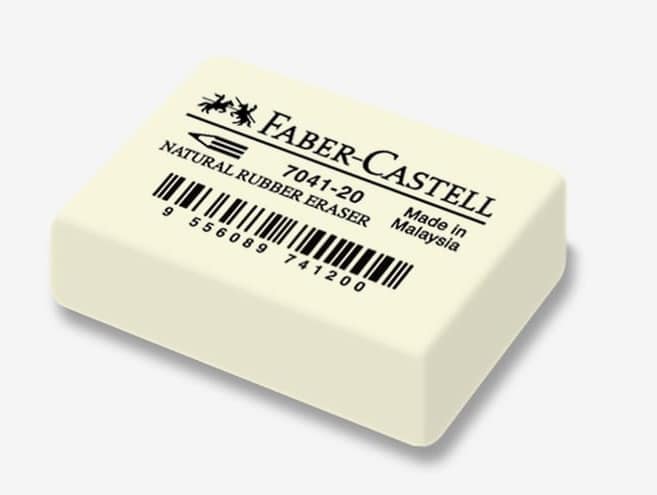
Traditional erasers are frequently manufactured from synthetic rubber derived from petroleum or polyvinyl chloride (PVC), which degrades into microplastics upon use. Natural rubber erasers, sourced sustainably from rubber tree plantations, offer an effective, biodegradable substitute.
Similarly, adhesive tapes have undergone a major transformation. Traditional packaging and stationery tapes utilize polypropylene or PVC backings coupled with synthetic rubber adhesives. The transition to paper-based tape—utilizing natural rubber or water-activated starch adhesives—allows parcels, envelopes, and moving boxes to be sealed and subsequently recycled as a single unit without the need to strip away plastic films.

Economic and Market Implications
The economic viability of eco-friendly stationery has strengthened significantly. Historically, green products carried a substantial "sustainability premium," pricing them out of standard corporate procurement budgets. However, economies of scale, increased competition, and streamlined supply chains have narrowed the price gap between conventional and eco-friendly office supplies.
Market research indicates that small-to-medium enterprises (SMEs) and remote workers are leading the adoption curve, driven by personal values and brand alignment. Meanwhile, large corporations are beginning to incorporate sustainable stationery into their overarching sustainability procurement policies, viewing green desks as a tangible, highly visible extension of corporate environmental commitments.
Future Outlook for Green Workplaces
As material science continues to evolve, the future of office supplies points toward entirely bio-based polymers, advanced closed-loop recycling systems, and hyper-local manufacturing. Innovations in mushroom-based packaging, algae-derived inks, and agricultural waste papers signal that the next generation of office products will push far beyond mere recycling into restorative environmental design.
For organizations and remote professionals looking to green their operations, the roadmap is clear. By systematically replacing high-turnover consumables with certified recycled, biodegradable, and plastic-free alternatives, workspaces can dramatically reduce their ecological footprint without sacrificing professional productivity.