The Ultimate 2027 Wedding Guest Dress Guide: Trends, Dress Codes, and Seasonal Styling Strategies

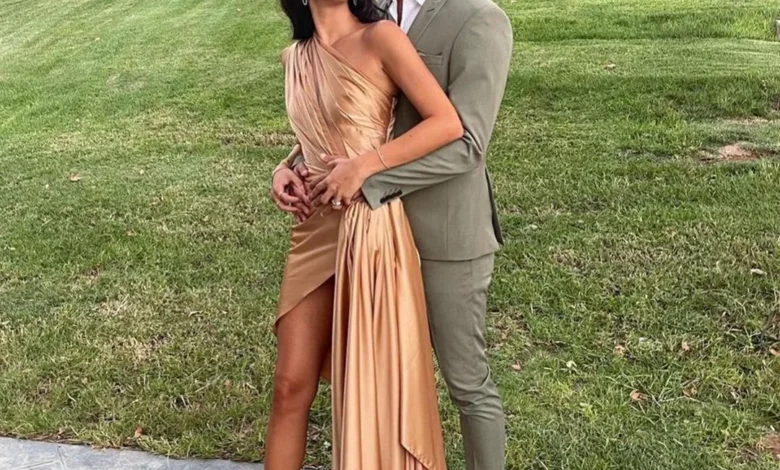
Navigating the intricacies of wedding attire has become increasingly complex as couples embrace diverse themes, unconventional venues, and highly specific dress codes. Whether celebrations take place during the heat of summer, the crisp transitions of autumn, or the formal chill of winter, finding the right outfit requires a careful balance of personal style, comfort, protocol, and rewearability. Industry data indicates that modern wedding guests prioritize versatile garments that transition seamlessly from ceremony to reception while adhering closely to the couple’s stated vision. This comprehensive guide outlines the definitive trends for 2027, breaks down seasonal requirements, analyzes dress code specifications, and provides actionable styling strategies for every type of celebration.
Wedding Guest Dress Trends for 2027
As fashion cycles evolve, the 2027 wedding guest landscape introduces a harmonious blend of structured elegance and relaxed romance. Industry forecasts from leading bridal and eveningwear designers highlight a strong pivot toward tactile fabrics, including plush velvet, fluid satin, lightweight chiffon, and intricate jacquards. Rather than relying on fleeting micro-trends, contemporary shoppers are investing in timeless silhouettes—such as wrap dresses, A-line midis, and structured empire-waist gowns—that offer high rewearability.
Color palettes are shifting to reflect both seasonality and emotional resonance. While jewel tones such as emerald, royal plum, and cobalt blue dominate cooler months, warmer celebrations lean heavily into soft pastels, vibrant citrus hues, and understated botanical prints. Furthermore, architectural elements such as puff sleeves, asymmetrical hems, and subtle illusion necklines are defining the cutting edge of modern event fashion, ensuring that guests can express individuality while respecting the solemnity of the occasion.
How to Choose a Wedding Guest Dress
Selecting an appropriate outfit demands a methodical approach that accounts for multiple external variables. According to fashion consultants and event planners, the decision-making framework should always begin with the official invitation. Analyzing the specified dress code, venue terrain, and anticipated weather patterns prevents both under-dressing and over-dressing.
Beyond aesthetics, guests must evaluate practicality. Outdoor garden ceremonies on uneven lawns necessitate block heels or flats rather than stiletto spikes, while coastal evening breezes require sophisticated layering pieces like tailored coats, silk shawls, or faux fur wraps. Additionally, comfort during long hours of sitting, dining, and dancing remains a primary factor in garment selection.
Seasonal Wardrobe Strategies
Fall Wedding Guest Dresses
Autumn celebrations provide an opportunity to incorporate richer color stories and heavier textures into formal wear. Burgundy, royal purple, plum, and deep red anchor the seasonal aesthetic.
- September: Acting as a bridge between summer and winter, September allows for lightweight fabrics such as chiffon, crepe, and satin. Midi and maxi lengths in soft florals or jewel tones work best, paired easily with open-toe footwear and a light jacket for cooler evening temperatures.
- October: As temperatures drop, October weddings call for substantial textiles like velvet, jacquard, and structured lace. Rich emerald and cobalt blue palettes dominate, paired with closed-toe shoes and sophisticated layering.
- November: Late autumn requires maximum warmth and coverage. Floor-length maxi dresses featuring long sleeves, high necklines, and heavy crepe or velvet fabrics are ideal for combating chilly evening conditions.
Winter Wedding Guest Dresses
Winter events present the challenge of maintaining formal elegance while mitigating cold weather. Long-sleeve gowns and high-neck silhouettes crafted from heavy satin or embellished velvet offer both insulation and visual impact. Styling strategies for winter heavily feature statement outerwear, closed-toe velvet boots, and luxurious faux fur accessories that elevate the overall ensemble without compromising warmth.
Spring Wedding Guest Dresses
Spring remains the peak season for matrimonial celebrations, characterized by renewal, romance, and vibrant palettes. Pastel shades, delicate floral prints, and flowing chiffon dominate spring collections. A-line silhouettes, romantic ruffles, and subtle lace detailing align perfectly with garden parties and daytime ballroom affairs. Lightweight shawls or tailored boleros provide necessary coverage against unpredictable springtime breezes.
Summer Wedding Guest Dresses
Hot-weather celebrations—ranging from oceanfront sunset vows to rustic barn receptions—demand breathable, loose-fitting textiles. Cotton, linen blends, lightweight chiffon, and fine silk prevent heat retention while maintaining a polished appearance. Silhouettes featuring off-the-shoulder cuts, halter necklines, and tiered skirts allow for maximum airflow and effortless movement. Flat sandals, wedges, and minimal jewelry complete the relaxed yet sophisticated summer aesthetic.
Decoding Dress Codes: From Casual to Black Tie
Formal Versus Black Tie
Understanding the nuance between formal and black-tie parameters is essential for avoiding wardrobe missteps. Black tie represents the pinnacle of formality, strictly requiring floor-length evening gowns or impeccably tailored formal attire paired with elevated accessories. In contrast, formal attire—often described as sitting directly between black tie and cocktail—offers slightly more flexibility. While long gowns remain appropriate, sophisticated midi-length dresses, dressy jumpsuits, and formal pantsuits are entirely acceptable under a formal dress code.
Cocktail Versus Semi-Formal Attire
Cocktail attire bridges the gap between day and evening wear, favoring polished knee-length or midi dresses crafted from elevated fabrics like silk, crepe, and structured satin. Semi-formal attire, while similarly relaxed in length, leans toward softer silhouettes and lighter materials such as chiffon. Both categories prioritize refined comfort, though cocktail events typically demand sharper accessories and more structured footwear.
Casual Wedding Guest Dress Guidelines
Casual dress codes, frequently utilized for backyard or casual beach weddings, prioritize relaxed silhouettes and breathable fabrics. While formal gowns and heavy beading are unnecessary, guests must still exercise caution to avoid overly sloppy or revealing garments. Simple midi dresses in cotton or light linen, paired with flat sandals or wedges, strike the appropriate balance between casual comfort and wedding-appropriate respect.
Specialized Sizing and Inclusivity
The modern fashion market places increasing emphasis on inclusive sizing, ensuring that plus-size wedding guests have access to the same breadth of high-fashion silhouettes as straight-sized shoppers. Contemporary plus-size collections focus on structured empire waists, flattering V-necklines, and flowing A-line cuts that celebrate curves while providing structural support and all-day comfort. Designers emphasize avoiding harsh, unyielding materials in favor of fluid satins and stretch-crepes that move naturally with the body.
Etiquette and What NOT to Wear
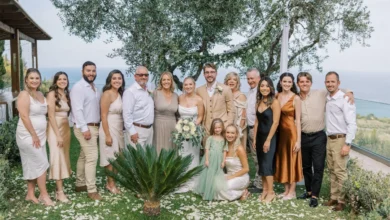
Navigating wedding guest etiquette involves adhering to a few unwritten yet critical rules. Most importantly, guests must avoid wearing white, ivory, or cream unless explicitly requested by the couple, as these hues are traditionally reserved for the bride. Furthermore, overly revealing cuts, extremely short hemlines, and excessively loud or distracting novelty prints should be avoided to ensure the focus remains on the celebrating couple.
Frequently Asked Questions
How Do I Choose a Wedding Guest Dress for the Dress Code?
Always align your outfit with the explicit instructions on the invitation. For black tie, select floor-length gowns; for cocktail, choose polished midi styles; and for semi-formal or casual events, opt for refined day-to-night dresses or elegant jumpsuits. Always factor in the venue and time of day.
Can I Wear a Floral Dress to a Wedding?
Yes. Floral prints are exceptionally popular for spring, summer, and outdoor garden weddings. Adjust the weight of the fabric and the depth of the color palette to match the specific season and venue formality.
Can I Wear a Jumpsuit to a Wedding?
Yes. Tailored jumpsuits crafted from luxury fabrics such as silk crepe or satin serve as a highly sophisticated, modern alternative to traditional dresses, provided they match the overall formality of the event.
Can I Wear Black to a Wedding?
Yes. Black is entirely appropriate for evening celebrations, winter ceremonies, and black-tie affairs. To maintain a festive and celebratory aesthetic, elevate a little black dress with statement jewelry, metallic heels, or refined accessories.