Monday Men’s Sales Tripod – Chinos under $25, Allen Edmonds Extra 25% off, & more

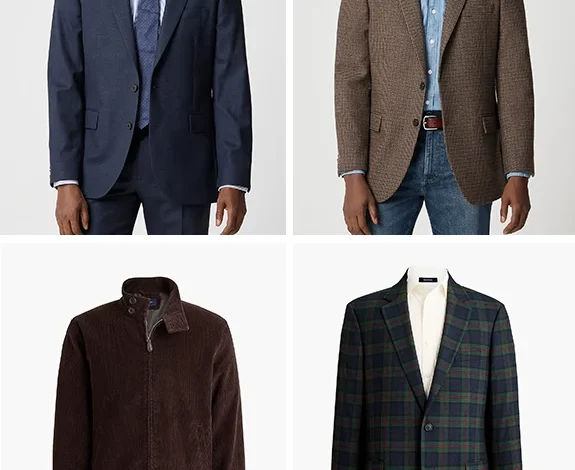
The retail landscape is currently experiencing a strategic shift as major apparel brands and footwear manufacturers initiate aggressive early-season promotions to capture consumer interest ahead of the traditional November holiday shopping surge. By leveraging "pre-holiday" sales events, retailers are attempting to stabilize inventory levels and secure early revenue streams. This week, three significant retail players—Old Navy, Allen Edmonds, and J. Crew Factory—have launched concurrent promotions that offer substantial price reductions, providing a snapshot of the current consumer retail environment.
Old Navy’s Early Holiday Strategy: The "Giftober" Initiative
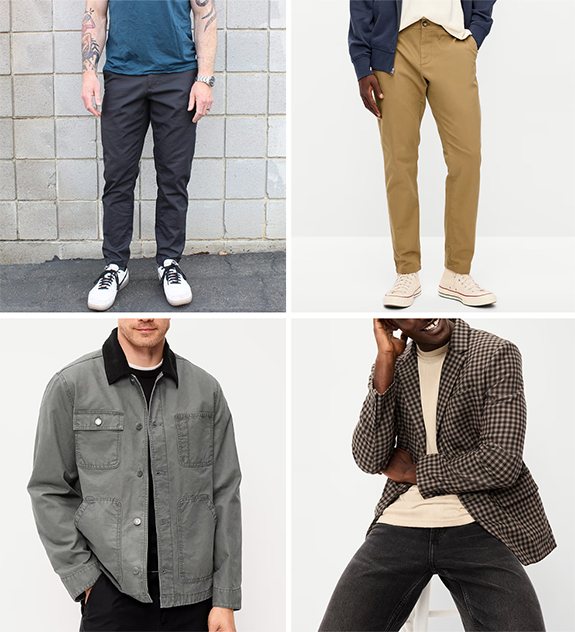
Old Navy has officially launched its "Giftober" promotional campaign, an early-cycle sales event designed to accelerate holiday purchasing. The current structure provides a dual-discount mechanism: a base 50% reduction on most items, coupled with an additional 10% discount applied at the point of sale. This effectively results in a 55% reduction from the original Manufacturer’s Suggested Retail Price (MSRP).
Retail analysts note that this level of discounting is historically aggressive for Old Navy, which typically maintains promotional cycles in the 30% to 40% range. By pushing the discount to over half of the original price, the company is signaling a prioritization of volume sales over margin preservation for the fiscal fourth quarter. The campaign is scheduled to conclude on Tuesday, creating a sense of urgency intended to drive immediate traffic to both their digital storefronts and brick-and-mortar locations. This strategy is reflective of a broader trend where retailers move holiday markdowns further back into October to mitigate supply chain pressures and manage consumer fatigue later in the year.
Allen Edmonds: Market Positioning and the "Factory 2nds" Segment
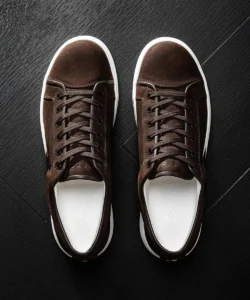
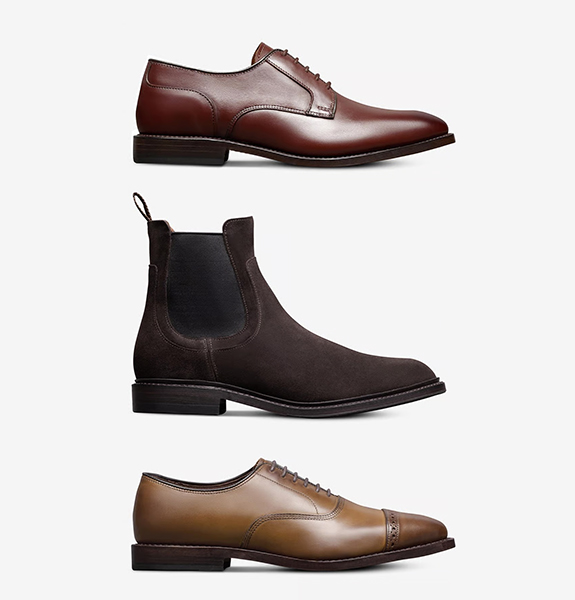
Allen Edmonds, the Wisconsin-based footwear manufacturer, has introduced a significant promotional event involving both its current inventory and its "Factory 2nds" category. The company is offering an extra 25% off its sale selections. Unlike traditional retail discounts that require coupon codes, these price adjustments are reflected directly in the current listing prices.
The "Factory 2nds" category remains a focal point for value-conscious consumers. These products, which contain minor cosmetic imperfections that do not meet the brand’s primary quality control standards, are sold at a reduced price point. However, the manufacturer maintains a strict policy regarding these items: a $25 restocking fee is applied to all returns. This policy serves as a risk-mitigation tool for the company, as the secondary market for factory-blemished goods is narrower than that for standard retail inventory.
From a manufacturing perspective, the inclusion of Factory 2nds in promotional events allows Allen Edmonds to clear warehouse space while maintaining the integrity of their full-price, first-quality lines. Consumers are encouraged to evaluate the cost-benefit ratio, considering that the restocking fee represents a significant portion of the total value should a return be necessary.
J. Crew Factory: Tiered Incentives and Volume-Based Discounts
J. Crew Factory has implemented a tiered promotional structure that incentivizes larger transaction sizes. Utilizing the promotional code "NEWARRIVALS," customers receive an additional 30% discount on orders exceeding $150. For transactions ranging between $100 and $149.99, the discount is reduced to 15%.
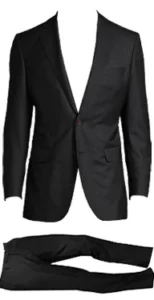
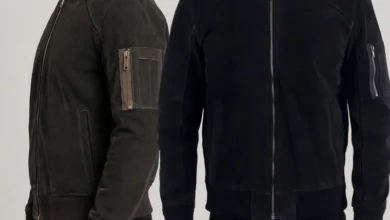
This tiered approach is a classic retail tactic designed to increase the Average Order Value (AOV). By setting the threshold at $150, the company encourages customers to add additional items to their carts—such as accessories or supplemental garments—to unlock the higher discount bracket. The promotion, which also expires on Tuesday, highlights the company’s focus on clearing seasonal inventory, particularly outerwear and suiting, which are currently being highlighted in their promotional materials.
Chronology of the Current Retail Promotional Cycle
The timing of these sales events is not incidental. Most major retailers have adopted a mid-week or early-week cadence for flash sales to maintain momentum between the high-traffic weekends.
- Phase One (Late September): Retailers begin the "soft launch" of holiday messaging, moving away from "End of Summer" clearance to "Early Access" fall and winter collections.
- Phase Two (Mid-October): The implementation of aggressive, short-term flash sales (such as the 48-hour windows currently observed) to clear shelf space for the influx of holiday-specific inventory.
- Phase Three (Late October/Early November): The transition to sustained, sitewide promotions leading up to the Black Friday and Cyber Monday period.
Fact-Based Analysis of Consumer Implications
The current promotional landscape presents several key considerations for the modern consumer. First, the prevalence of "stackable" discounts—where multiple percentage-based reductions are applied—often obfuscates the true value of the product. Consumers are advised to calculate the final price against historical pricing data to ensure the discount is genuine rather than a result of inflated MSRPs.
Furthermore, the logistical costs associated with returns are becoming a larger factor in the decision-making process. The $25 restocking fee policy seen at Allen Edmonds is an indicator that retailers are increasingly passing the burden of logistics and quality uncertainty onto the consumer. As shipping costs and warehouse labor expenditures rise, these fees are becoming more standard in the industry, particularly for footwear and high-value apparel.
Broader Economic Context
The retail sector is currently navigating a complex environment characterized by fluctuating consumer confidence and persistent inflationary pressures. While retailers are reporting steady demand, the necessity for deep discounting suggests that consumers are becoming more selective. The "Giftober" and "New Arrivals" branding efforts are attempts to create psychological hooks that separate these brands from the noise of a saturated digital marketplace.
From a macroeconomic perspective, these early sales events serve as a barometer for the upcoming holiday season. If retailers find that these mid-October promotions result in high sell-through rates, it may signal a robust holiday quarter. Conversely, if brands are forced to extend these promotions beyond their original expiration dates, it could indicate weaker-than-expected consumer sentiment and an over-accumulation of inventory.
Strategic Recommendations for Consumers
For those engaging with these sales, the following professional guidance is recommended:
- Verify Return Policies: Before finalizing purchases, particularly in the "Factory 2nd" or final-sale categories, ensure that the restocking fees and return windows are clearly understood.
- Analyze the Threshold: In cases like the J. Crew Factory promotion, calculate whether the additional items required to reach the $150 threshold offer genuine utility or if they are simply being purchased to chase a discount.
- Monitor Inventory: With these specific sales ending mid-week, consumers interested in high-demand sizes should prioritize their purchases, as early holiday demand can lead to rapid inventory depletion in popular categories like footwear and tailored clothing.
As the retail industry continues to evolve, the distinction between "discount" and "value" becomes increasingly critical. While the current tripod of sales offers immediate financial benefits, the broader impact on the industry remains to be seen as the market prepares for the final push of the calendar year. By maintaining a focus on fiscal discipline and clear understanding of return policies, consumers can maximize the value of these early-season promotional opportunities.